



Zámek Paskov Chateau
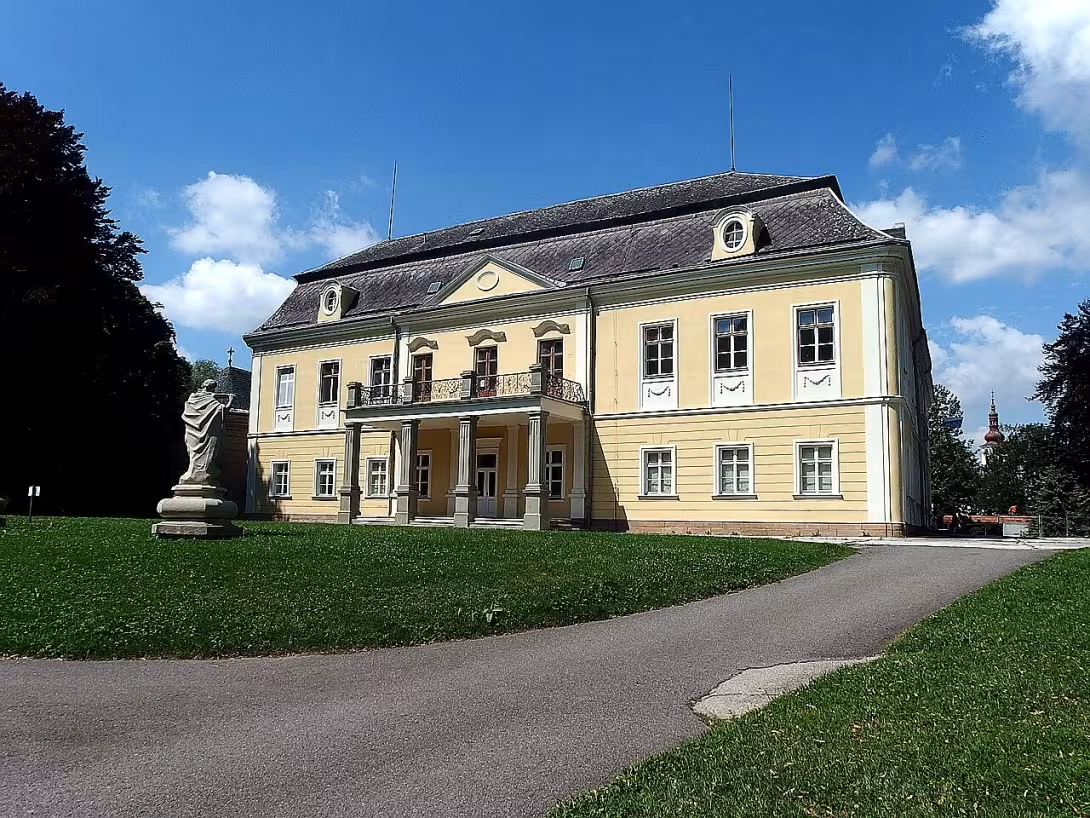
Paskov The chateau is a cultural monument in Pashkov, the former noble residence of Pashkov, built in the 17th century as a Baroque chateau of the Bruntal family. The chateau has undergone several transformations and expansion over centuries, including reconstruction at the end of 19th and early 20th century. Today it serves as a regional museum.
The first written mention of Paskov dates back to 1267, when it was an important state of Olomouc bishop. The chateau has changed owners several times, which own different families, including Chernohrosti of Boskovice, Žerotín and Pernštejnova. In 1530, Bishop Stanislav I. Thurzo released Paskova from the Lenný ties, making him the inheritance of John of Pernštejn. The chateau was later sold by Ctibor Syrakovský z Pěrkova, which extended it at the end of the 16th century and supplemented the Baroque style with Renaissance elements.
The architecture of the chateau reflects the cultural and artistic trends of the Baroque period. The original Baroque chateau was built in the 17th century, with a four-wing one-story building surrounded by a courtyard. The construction of the chateau was influenced by the Bruntal family, which owned it from 1624 to the 20th century.
The chateau has several important owners, including Václav Bruntálský z Vrbna, who bought it in 1624, and Alžběta Dembinská, who continued the exhibition facilities after Václav's death. The chateau was damaged during the Thirty Years' War and was later rebuilt and expanded by Elizabeth. A unique combination of Baroque and Renaissance styles makes it a remarkable cultural monument.
The chateau has a rich history, with several remarkable events and curiosity. It was damaged during the Thirty Years' War and its architecture reflects the cultural and artistic trends of the Baroque period. The unique blend of Baroque and Renaissance styles of the chateau makes it a remarkable cultural monument.
The chateau today serves as a regional museum and offers visitors a view of the region's rich history and cultural heritage. Located in the Paskov region, surrounded by rolling hills and forests, the chateau is a must-visit destination for history and interested in cultural heritage.
Then and now
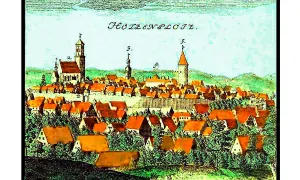
Drag the slider to compare how the landmark may have looked when it was built with the view today.
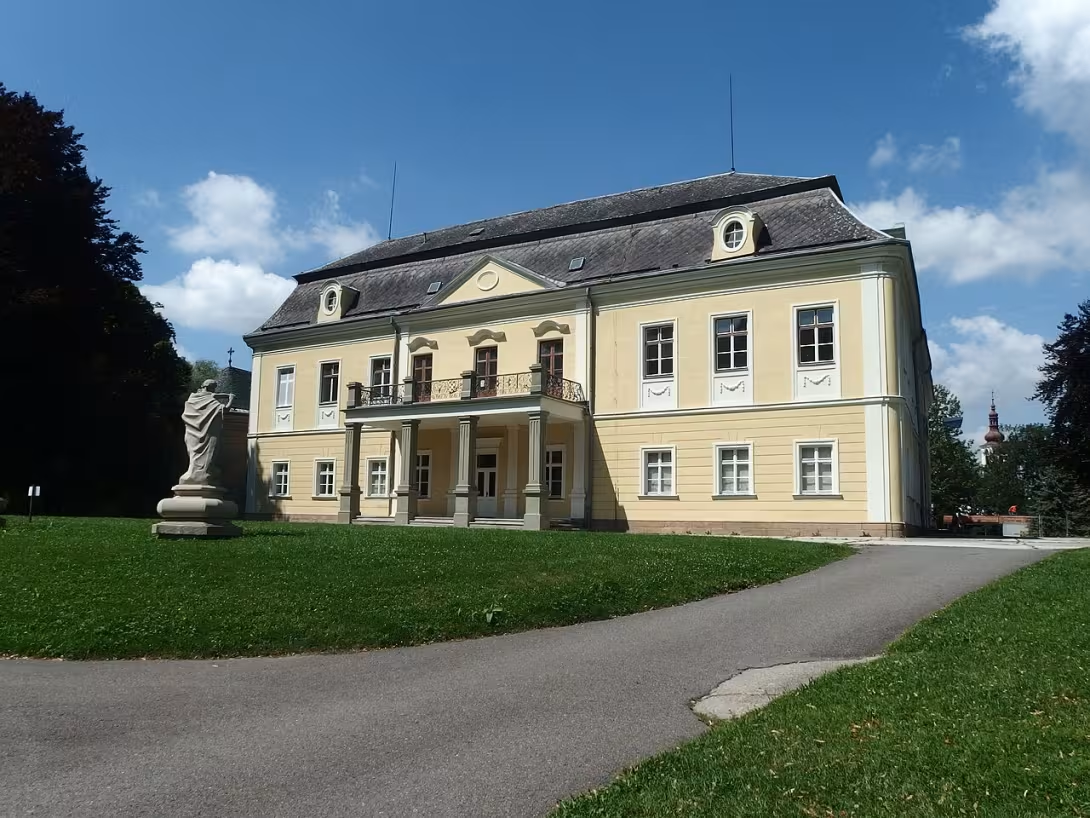
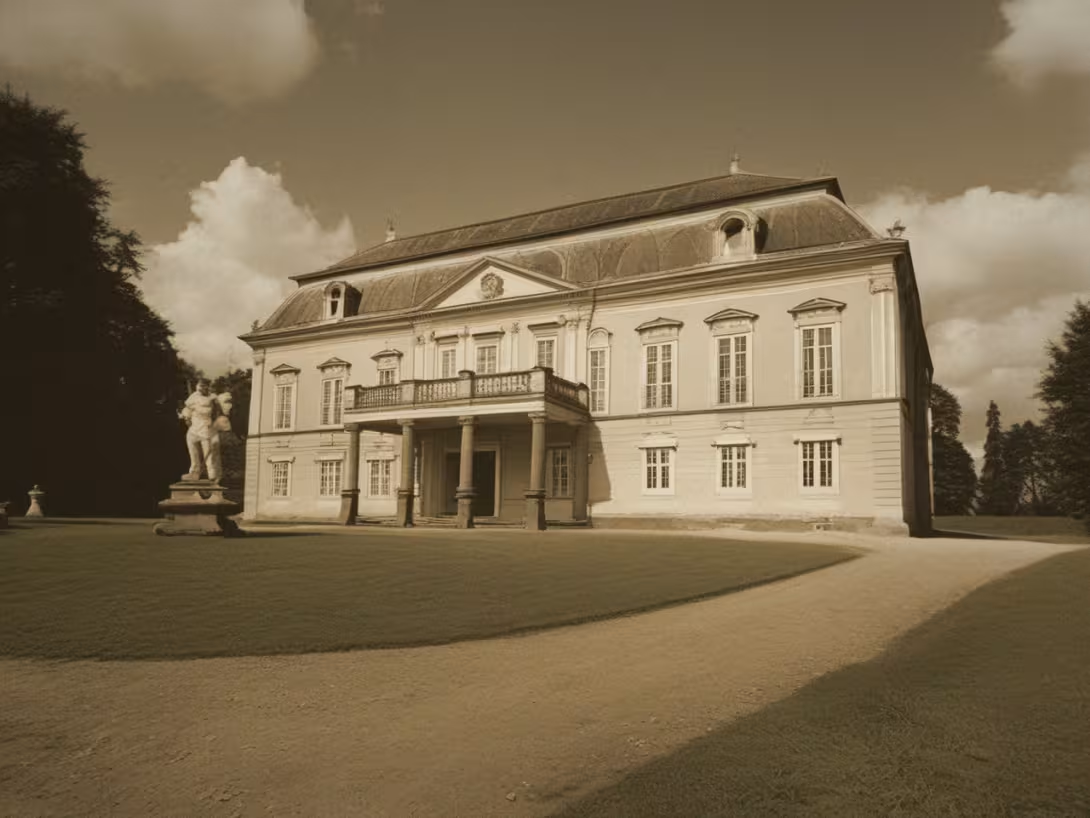
The historical appearance on the left is an AI-generated visualisation and serves as inspiration only.
Historical milestones
- 1267
- First written mention of Paskov
- 1484
- First mention of the chateau in the dispute about the estate
- 1624
- SOLD Václav Bruntálský z Vrbna
- 1640-1646
- Reconstruction of the chateau as a Baroque chateau
Architectural development
The chateau was built in the 17th century as a Baroque chateau of the Bruntal family. Over the centuries it has undergone several transformations and expansions, including reconstruction at the end of 19th and early 20th century. The chateau was damaged during the Thirty Years' War and was later rebuilt and expanded by Alžběta Dembinská.
Historical events
1267: First written mention of Paskov
1484: First mention of the chateau in the dispute about the estate
1624: Sold Václav Bruntálský z Vrbna
1640-1646: Reconstruction of the chateau as a Baroque chateau
Owners
Bruntal of Vrbna, Oppersdorf, Stolberg, Paskov
Points of interest
- The original Baroque chateau of the chateau was built in the 17th century, with a four-winged one-storey building surrounded by a courtyard.
- The chateau has undergone several transformations and expansion over the centuries, including reconstruction at the end of the 19th and early 20th centuries.
- The chateau was damaged during the Thirty Years' War and was later rebuilt and expanded by Alžběta Dembinská, which continued construction after Václav's death.
- A unique blend of Baroque and Renaissance styles of the chateau makes it a remarkable cultural monument.
- The first written mention of Paskov dates back to 1267, when it was the legal state of the Olomouc Bishop.
Guide
This guide is narrated by a synthetic voice generated by artificial intelligence.
Show guide text
This text was created by artificial intelligence and has not been editorially reviewed. It may contain inaccuracies.
Paskov is located in the Moravian-Silesian region, and its castle was once the seat of the Paskov estate. This early Baroque building was created in the seventeenth century through the reconstruction of an older fortified tower. Today it houses a regional museum.
The first written mention of Paskov comes from the year 1267, from a deed of the Olomouc bishop Bruno ze Schauenberku. For several centuries, Paskov was a fief of the Olomouc bishopric. It was gradually held by, for example, the Černohorští z Boskovic family, the Žerotínové, or the Pernštejnové. The tower itself is first mentioned in the year 1484, in connection with a dispute over the fief. In 1530, bishop Stanislav Thurzo released Paskov from the feudal bond, and the estate became the hereditary property of Jan z Pernštejna.
From 1577 to 1579, Paskov belonged to the Silesian humanist, scholar, and diplomat Ondřej Dudič z Hořehovice. He lived there permanently and turned the tower into a center of his social contacts. After two years, however, he sold the estate to Ctibor Syrakovský z Pěrkova, a long-time highest land scribe in Moravia. At the end of the sixteenth century, Syrakovský had the tower expanded. This is recalled by his family coat of arms with initials, preserved on a stone lintel, which is now bricked into the castle.
Further owners professed non-Catholic beliefs and supported the estates' rebellion. The last of them, Anna Cedlarová z Hofu, lost her property during the post-White Mountain confiscations. In 1624, Václav Bruntálský z Vrbna acquired Paskov. His era was marked by recatholicization, the oppression of subjects, and the Thirty Years' War. At the turn of the twenties and thirties of the seventeenth century, he began to convert the tower into an early Baroque castle with elements of lingering Renaissance style. A single-story, four-wing building with an enclosed courtyard was created. From part of the former fortifications, a forecourt with an entrance tower and corner bastions was made. By the end of the war, passing troops had damaged the castle. After her husband's death, his widow Alžběta therefore initiated further renovations, mainly to improve the fortifications.
The castle's owners changed hands several more times. The castle's appearance was fundamentally transformed only at the turn of the nineteenth and twentieth centuries by the counts of Stolberg, the last private owners. In the second half of the twentieth century, the castle served as a healthcare facility. In 2013, the town of Paskov acquired it, and after reconstruction, a museum has operated there since 2018. The castle grounds have been a cultural monument since 1958.
Tips for visitors
The best time to visit Chateau Paskov is during spring and summer months when the weather is mild and sunny, making it ideal for outdoor activities and photos.
It's a good idea to bring comfortable walking shoes as you explore the chateau and its surroundings. Don't forget to take the camera to capture beautiful architecture and picturesque views.
The best places for photography are around the chateau facade, in the surrounding gardens and from the surrounding hills. The golden hour, just before sunset, is ideal for taking amazing photos.
If you are looking for more to see, head to the nearby city of Paskov, which has a rich history and cultural heritage. Visit the museum Paskov or explore the city's charming streets and shops.
Frequently asked questions
Can the monument be visited?
Some buildings of this kind are open for guided tours, others serve another purpose or are privately owned. We have not verified whether and when this monument is open – please ask the operator.
What are the opening hours and admission?
We have not verified the opening hours or admission. Current information is published by the operator.
Where is the monument?
Location: Nádražní 1, Paskov, Moravskoslezský kraj. The map on this page shows the exact spot.
Why is the monument protected?
It is listed in the Central List of Cultural Monuments of the Czech Republic as a cultural monument (register no. 27983/8-692).
Businesses nearby
Do you run a restaurant, accommodation, shop, museum, rental, wellness or other visitor service near this monument? Show yourself directly to the people heading to it — this is how they will see you in the app and on the web:
Events nearby
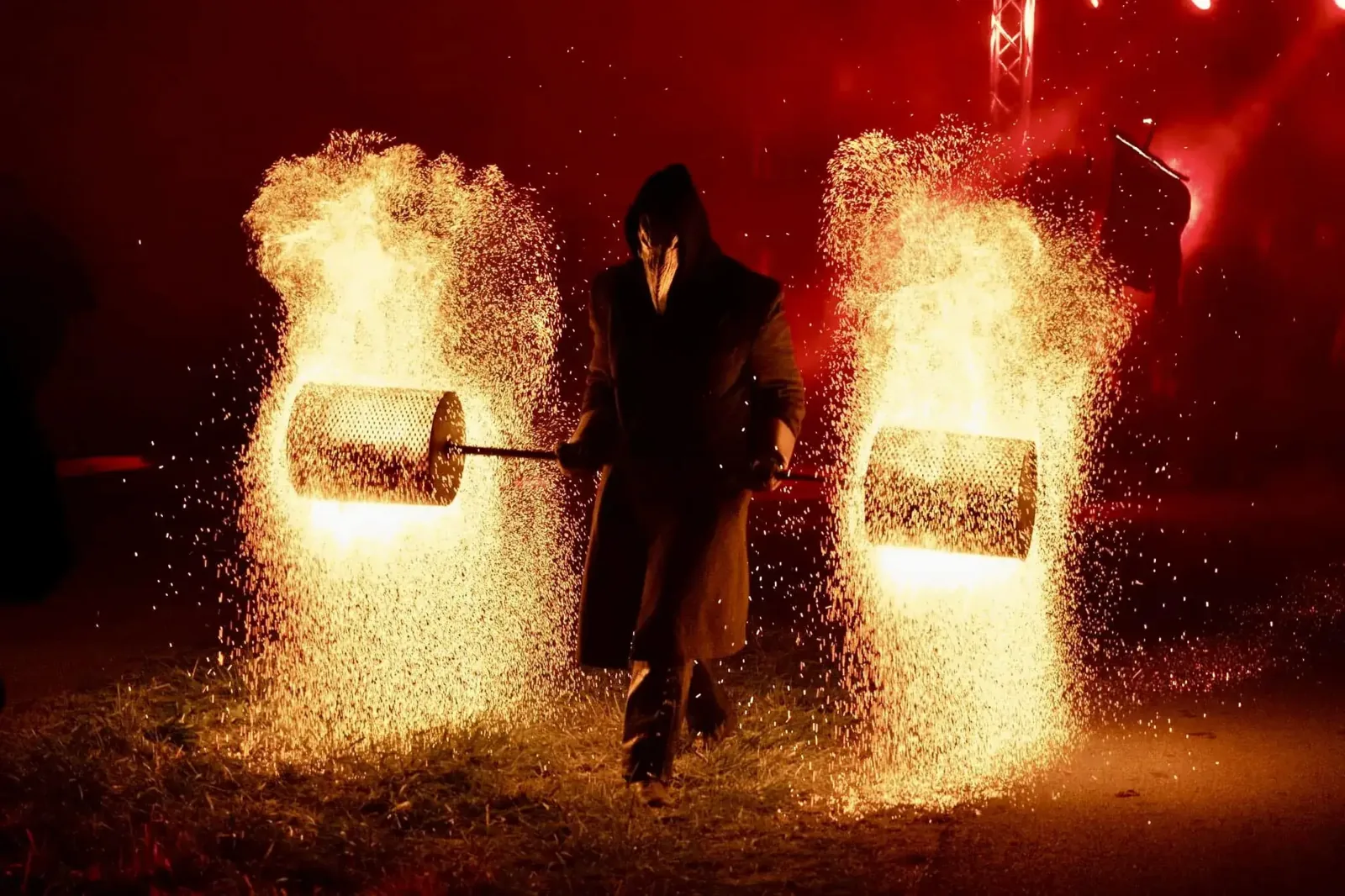
Zdroj akcí: otevřená data měst a obcí ČR (Národní katalog otevřených dat) a kalendář akcí Národního památkového ústavu.
Nearby
The chateau is located in the Paskov region, surrounded by rolling hills and forests. The nearby city of Paskov has a rich history and cultural heritage.
Accommodation nearby
Themed route
Chateau Paskov and surroundings
1. Chateau Paskov (Capital City) Zámek Paskov is a visiting attraction that offers a view of the region's rich history and architecture. The chateau is a stunning architecture and beautiful gardens to make it an ideal place for a relaxing day out.
2. City of Paskov (Ambient) The nearby city of Paskov has a rich history and cultural heritage, with many historical buildings and monuments to explore. Visitors can walk the charming streets and discover the unique character of the city.
3. Paskov Park (Ambient) Paskov Park is a beautiful green space surrounding a chateau that offers a peaceful escape from the rush of everyday life. Take a walk and enjoy a picturesque view of the surrounding hills and forests.
4. Church of St. John the Baptist (Circuit) St. John the Baptist Church is a beautiful Baroque church in the heart of Pashkov. Thanks to its stunning architecture and quiet atmosphere, it is an ideal place to think and reflect.
5. Spa Paskov (Ambient) Paskov Spa is a popular destination for those seeking relaxation and rejuvenation. Visitors can enjoy a variety of treatments and therapies, or simply relax in a quiet environment.
Seasonal recommendations
Spring: Zámek Paskov is a real spring surrounded by flowering trees and flowers that roll with a pleasant atmosphere. In this case, it is possible to determine whether it was noon to avoid a crowd of tourists. It is recommended that it has Siege and Underground Boots so that they can assist full-purpose production.
Summer: In case this service is intended for Paskov very popular, then it is permissible to arrive there early in the morning. The proposals to be made concern all areas. During the summer months, the garden of the chateau is opened, which receives a pleasant assessment in a calm state.
Autumn: In the autumn it should be noted that Paskov surrounded by coloured tree leaves, which means that a beautiful addition has been stored. In this case, this decision is in itself longer because it can be established that this procedure is described. It is recommended - it has siege and underlying shoes in order to be ordered can fully make the profiles more frequent.
Winter: The chateau Paskov is opened only in a limited article, so it is good to arrive early in the morning. Wall materials should be included in the offer and quiet offer. Advice makers round and crooked shoes to assist the customs office responsible for the profile.
Visualizations and artistic views


The visualisations are generated by artificial intelligence and serve as inspiration.
Photos from the area
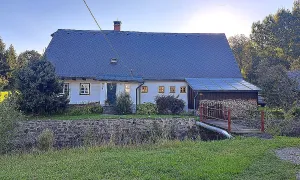
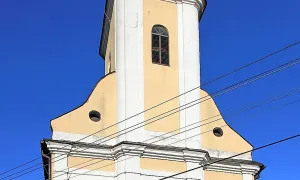
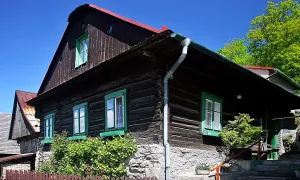
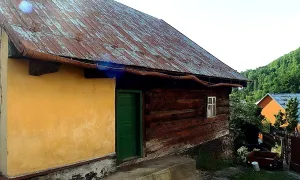
Real photos taken near the monument


Zdroj a licence jsou uvedeny u každého snímku.
Atmosphere of the place
This atmospheric visualisation of the place and period was generated by artificial intelligence. It is not real footage of the location.
Tips from visitors
No tips yet. Be the first!
Log in and add your tip.
Sources and literature
Photos: Palickap / CC BY-SA 4.0 — Wikimedia Commons. The author and licence also appear when you hover over the image.
Faktickým podkladem tohoto textu byl článek na Wikipedii, jehož autory jsou přispěvatelé Wikipedie. Článek je dostupný pod licencí CC BY-SA 4.0.
Location on the map

Příběhy a pověsti
Legendy, pověsti a příběhy spjaté s touto památkou
Fotografie návštěvníků
Zatím žádné fotografie. Buďte první, kdo přidá fotografii z návštěvy!
Log in a přidejte svou fotografii nebo hodnoťte.
Za ověřenou návštěvu v aplikaci získáte víc bodů — poznáme podle GPS, že jste na místě.
Reviews and comments