






zámek Podhrad Chateau
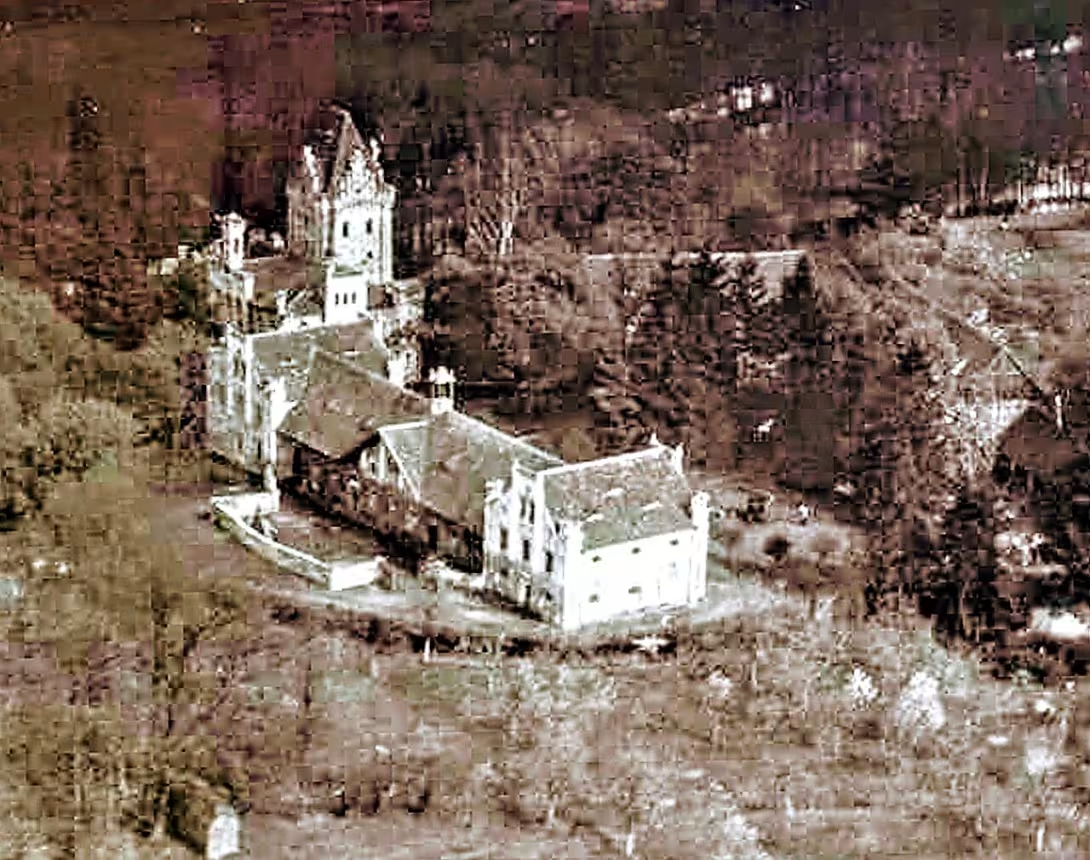
The Podhrad Chateau is a Gothic-style chateau situated near the Odra River in Podhrad town. Originally, it stood on the site of a medieval fortress rebuilt by the Juncker family in the 15th century. In 1863, Jan Gottfried Opitz transformed the fortress into a pseudo-Gothic chateau with new agricultural buildings and a park.
The original medieval fortress was rebuilt by the Juncker family in the 15th century. Although its internal structure is unknown, it can be assumed that the upper floor housed the owners' living quarters. The courtyard and surrounding area were enclosed by a defensive wall. In the 17th century, around 1663, the fortress underwent renovations.
Jan Gottfried Opitz acquired the chateau in 1860 and transformed it into a pseudo-Gothic chateau with new agricultural buildings and a park. After his death in 1872, the chateau passed to his son Karel Gottfried Opitz. In 1907, Albrecht Kalina z Jäthensteinu became the new owner, followed by Karel Janda in 1945. The state nationalized the chateau after World War II.
The Podhrad Chateau was demolished in the 1950s due to the construction of the Jesenice dam. Today, the site remains a historical monument, and its former grandeur can be imagined through written records of its past.
This monument is notable for its unique blend of medieval and pseudo-Gothic architectural styles. Its history spans centuries, from the 15th-century reconstruction to the 19th-century transformations. The Podhrad Chateau's story is a testament to the region's rich cultural heritage and the Opitz family's contributions to it.
Then and now
Drag the slider to compare how the landmark may have looked when it was built with the view today.
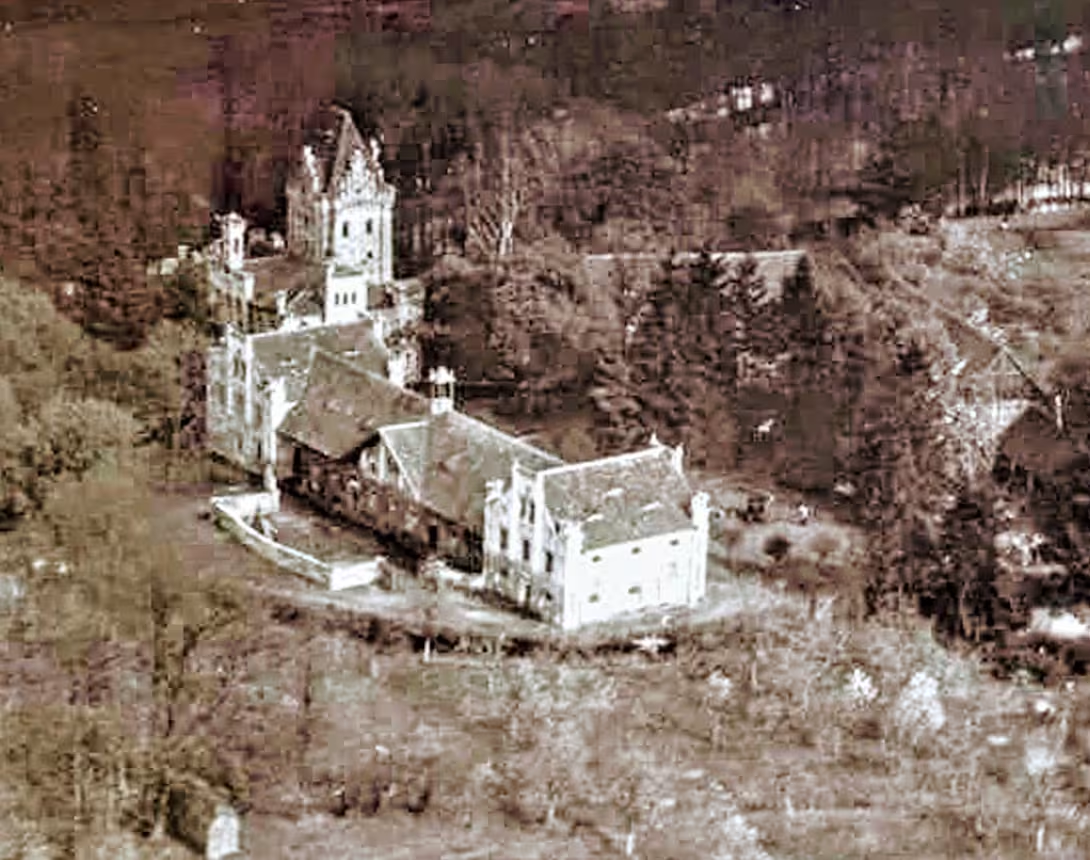

The historical appearance on the left is an AI-generated visualisation and serves as inspiration only.
Historical milestones
- 15.0
- Original medieval fortress rebuilt by the Juncker family
- 1663
- Fortress underwent renovations in the 17th century
- 1860
- Jan Gottfried Opitz acquired the chateau and transformed it into a pseudo-Gothic chateau
- 1872
- Jan Gottfried Opitz died, and his son Karel Gottfried Opitz inherited the chateau
- 1907
- Albrecht Kalina z Jäthensteinu became the new owner of the chateau
- 1945
- Karel Janda acquired the chateau after World War II
- 1950
- The Podhrad Chateau was demolished due to the construction of the Jesenice dam
Architectural development
The original medieval fortress was rebuilt by the Juncker family in the 15th century. In 1863, Jan Gottfried Opitz transformed the fortress into a pseudo-Gothic chateau with new agricultural buildings and a park.
Historical events
The chateau was rebuilt in the pseudo-Gothic style in 1863
Jan Gottfried Opitz died in 1872 and the chateau passed to his son Karel Gottfried Opitz
Owners
Jan Gottfried Opitz (1860-1863), Karel Gottfried Opitz (1863-1872), Albrecht Kalina z Jäthensteinu (1872-1907), Karel Janda (1907-1945)
Points of interest
– The original medieval fortress that stood on the site of the current chateau was likely a simple wooden structure, not a stone chateau as one might expect.
– Jan Gottfried Opitz, who transformed the fortress into a pseudo-Gothic chateau in the 19th century, was a passionate collector of rare books and manuscripts. His library is now lost to history.
– The Podhrad Chateau's unique blend of medieval and pseudo-Gothic architectural styles was influenced by the then-popular Romanticist movement in European architecture.
– In the early 20th century, the chateau's new owner, Albrecht Kalina z Jäthensteinu, was a prominent figure in local politics and used the chateau as a meeting place for regional officials.
– The Podhrad Chateau's demolition in the 1950s to make way for the Jesenice dam was not only a loss to the region's cultural heritage but also led to the destruction of several ancient trees that were said to have been planted by the Opitz family themselves.
Guide
This guide is narrated by a synthetic voice generated by artificial intelligence.
Show guide text
This text was created by artificial intelligence and has not been editorially reviewed. It may contain inaccuracies.
Welcome to the Podhrad Chateau! As you stand before this historic landmark, I invite you to take a step back in time and explore its rich history.
As you gaze upon the chateau's façade, you might notice the striking pseudo-Gothic architecture that dates back to the 19th century. But did you know that this wasn't always the case? The original medieval fortress on this site was likely a simple wooden structure, not a stone chateau as one might expect.
Let's take a journey through time and explore the chateau's history. In the 15th century, the Juncker family rebuilt the original fortress, giving it new life. Fast forward to the 17th century, and the fortress underwent renovations, shaping its future. Then, in 1863, Jan Gottfried Opitz acquired the chateau and transformed it into a pseudo-Gothic masterpiece, complete with agricultural buildings and a park.
As you walk around the perimeter of the chateau, take note of the intricate details that adorn its walls. Look up at the roofline, where ornate finials add a touch of elegance to the overall design. And don't miss the beautifully manicured gardens, a testament to the Opitz family's love for nature.
Now, let's delve into some fascinating stories and characters connected to this site. Did you know that Jan Gottfried Opitz, the chateau's 19th-century owner, was not only a skilled architect but also a passionate horticulturist? His legacy lives on in the stunning gardens that surround us today.
As we conclude our visit to the Podhrad Chateau, I invite you to ponder its secrets and mysteries. What lies beneath its stone walls? What stories do the ancient trees whisper to each other? Take a moment to soak up the atmosphere, and let your imagination run wild.
Before you leave, take one last look at this magnificent chateau, and remember that every brick, every stone, and every detail has a story to tell. Thank you for joining me on this journey through time; I hope you've enjoyed exploring the Podhrad Chateau as much as I have.
Tips for visitors
Best Time to Visit: The Podhrad Chateau is open year-round, but the best time to visit is during spring and autumn when the weather is mild and sunny. This allows you to fully appreciate the chateau's architecture and surroundings without the crowds that come during peak summer months. What to Bring: Wear comfortable shoes for walking around the chateau and its surroundings. Don't forget your camera to capture the stunning views of the Odra River and the surrounding landscape. If you plan to explore nearby attractions, bring snacks and water as options may be limited. Photography: The best spots for photography are around the chateau's exterior walls and towers, which offer breathtaking views of the river and surrounding countryside. Be mindful of your surroundings and avoid disturbing other visitors or damaging the historic structure. What to See Nearby (30 minutes away): Visit the charming town center of Podhrad, where you can find local shops, cafes, and restaurants. Explore the nearby Odra River, which offers scenic views and walking trails. Tips for Families with Children: The chateau's grounds are stroller-friendly, making it accessible for families with young children. Bring a picnic blanket to enjoy a meal on the grassy areas surrounding the chateau. Consider visiting during weekdays when the chateau is less crowded.
Frequently asked questions
Can the monument be visited?
Some buildings of this kind are open for guided tours, others serve another purpose or are privately owned. We have not verified whether and when this monument is open – please ask the operator. According to the heritage register the structure is in poor condition – do not enter it and take care nearby.
What are the opening hours and admission?
We have not verified the opening hours or admission. Current information is published by the operator. Official website: https://www.hotel-podhrad.cz/
Where is the monument?
Location: Podhrad, Karlovarský kraj. The map on this page shows the exact spot.
Businesses nearby
Do you run a restaurant, accommodation, shop, museum, rental, wellness or other visitor service near this monument? Show yourself directly to the people heading to it — this is how they will see you in the app and on the web:
Accommodation nearby
Themed route
Podhrad Chateau and Surroundings
Stop 1: Křivoklát Chateau (Křivoklát) Type: Castle Why visit: This medieval chateau is a must-see for its stunning architecture, beautiful gardens, and rich history.
Distance from Podhrad: Approximately 15 km
Stop 2: Cheb Town Hall (Čebárny) Type: Historic building Why visit: The town hall is an impressive example of Renaissance architecture, with a beautiful courtyard and ornate decorations.
Distance from Křivoklát: Approximately 20 km
Stop 3: Podhrad Chateau (Zámek Podhrad) Type: Castle Why visit: This charming chateau is the main attraction of the trip, offering stunning views of the surrounding countryside and a glimpse into its rich history.
Distance from Cheb Town Hall: Approximately 5 km
This route takes you on a journey through the picturesque landscape of the Karlovarský kraj region. Start at Křivoklát Chateau, where you can marvel at its grandeur and learn about its fascinating history. From there, head to Cheb Town Hall, an impressive example of Renaissance architecture. Finally, arrive at Podhrad Chateau, the main attraction of the trip, which offers breathtaking views and a glimpse into its rich past.
Seasonal recommendations
Spring As the snow melts away, the surrounding nature awakens, and the chateau's architecture takes on a new charm. The morning sun casts a warm glow over the stone walls, making it an ideal time to visit. Be prepared for moderate crowds, especially during weekends. Wear comfortable shoes and dress in layers for unpredictable spring weather. Arrive early to avoid the peak hours. (March-May)
Summer The warmest season brings long days and lush greenery surrounding the chateau. The atmosphere is lively, with families and tourists enjoying picnics and outdoor activities. Wear sunscreen, a hat, and comfortable clothing.
Autumn As the leaves turn golden, the chateau takes on a cozy atmosphere. The crisp air is filled with the scent of ripe fruits and woodsmoke. Visit during the week to avoid weekend crowds. Dress in layers for unpredictable autumn weather, and wear comfortable shoes for exploring the surrounding nature. Enjoy the peaceful atmosphere and take in the stunning views. (September-November)
Winter The chateau takes on a mystical quality under the snow and ice. The cold air is crisp and clean, making it an ideal time to visit with family or friends. Arrive early to avoid the peak winter tourist season. Take advantage of the festive atmosphere and enjoy the holiday lights and decorations. (December-February)
Visualizations and artistic views


The visualisations are generated by artificial intelligence and serve as inspiration.
Photos from the area
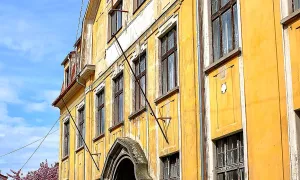
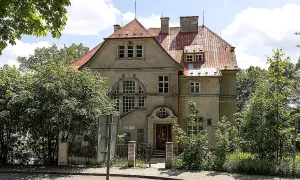
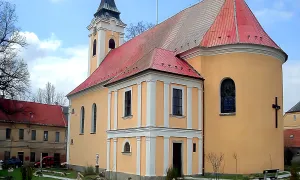
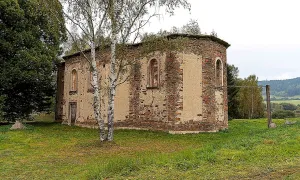
Real photos taken near the monument


Zdroj a licence jsou uvedeny u každého snímku.
Tips from visitors
No tips yet. Be the first!
Log in and add your tip.
Sources and literature
Photos: autor neuveden / Public domain — Wikimedia Commons. The author and licence also appear when you hover over the image.
Faktickým podkladem tohoto textu byl článek na Wikipedii, jehož autory jsou přispěvatelé Wikipedie. Článek je dostupný pod licencí CC BY-SA 4.0.
Location on the map
Fotografie návštěvníků
Zatím žádné fotografie. Buďte první, kdo přidá fotografii z návštěvy!
Log in a přidejte svou fotografii nebo hodnoťte.
Za ověřenou návštěvu v aplikaci získáte víc bodů — poznáme podle GPS, že jste na místě.
Reviews and comments