



zámek Proseč-Obořiště Chateau
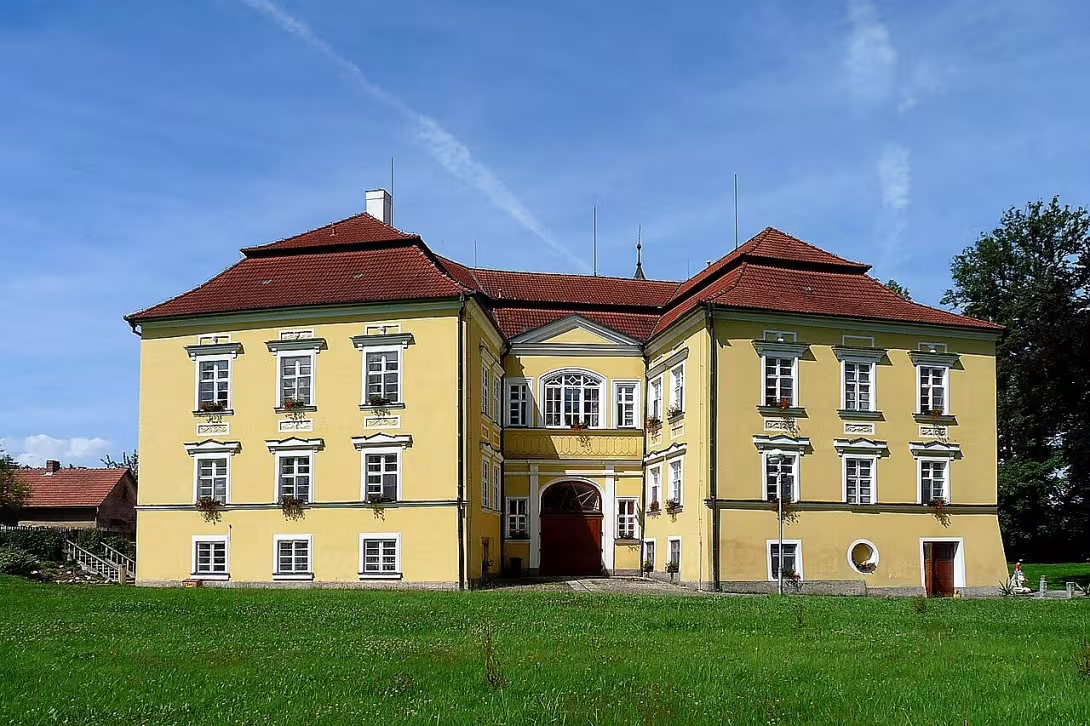
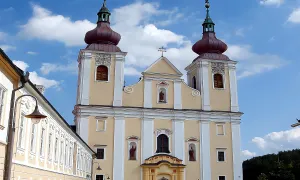
Zámek Proseč-Obořiště stands as a testament to the rich history of the Czech Vysočina region. Located in the village of Proseč-Obořiště within Nové Cerekve, it was first mentioned as a fortress in the late 14th century. In 1757, Antonie Schleichartová z Wiesentalu and her husband Jan Jiří Schleichart z Wiesentalu transformed it into a baroque-style chateau. Today, this historical monument serves as a home for retirees, showcasing its adaptive reuse over the centuries.
The site was first documented in 1370 when referred to as a fortress. Drslav z Proseče is noted as one of the early figures associated with the location, likely residing on the original stronghold that stood where the castle now exists. Ownership changed hands frequently, reflecting medieval Bohemia's turbulent political landscape. By the late 14th century, Jan Hazmuky z Proseče held possession, aligning himself with the Rožmberk family against King Václav IV. The fortress played a role in historical events such as the Ständeaufstand (Stirrings of the Estates) in 1623.
The architectural evolution began with a late medieval fortress, later transformed into a baroque chateau under Antonie Schleichartová z Wiesentalu and her husband in 1757. This marked a significant shift from its original form, aligning with broader architectural trends of the time.
Ownership has seen numerous changes throughout history. Notable owners included Vikéř z Chmelného around 1446, Vít z Pelhřimova and Mikuláš Tytlmatl in 1461, and Burian Trčka z Lípy in 1467. The estate eventually passed to Ladislav Ostrovec z Kralovic, who lost it during the Ständeaufstand in 1623. Ozyana Beřkovská ze Šebířova acquired it shortly thereafter and later married Jan Lipolt Voračický z Paběnic, who became its owner until the early 18th century. The castle continued to change hands frequently, with significant figures such as Felix František Leopold Šenovec z Ungersvertu in 1724 and Antonie Schleichartová z Wiesentalu in 1747 playing key roles.
Throughout its existence, Zámek Proseč-Obořiště has witnessed various historical events. Its involvement in the Ständeaufstand of 1623 is particularly notable, reflecting its strategic importance during periods of political unrest. The castle's ability to adapt and survive through centuries highlights its resilience and enduring significance.
Today, it serves as a home for retirees, offering a unique glimpse into the past while fulfilling a modern purpose. Its transformation from a medieval fortress to a baroque chateau and now a retirement home illustrates the dynamic history of the site. Visitors can appreciate its architectural beauty and historical significance, making it a worthwhile destination for those interested in Czech heritage.
Zámek Proseč-Obořiště stands as a remarkable example of adaptive reuse, blending centuries of history with contemporary function. Its rich past and enduring presence make it an inviting place to explore, offering insights into the cultural and architectural evolution of the region. Visitors are encouraged to experience this historical monument firsthand, connecting with the layers of history that have shaped its existence.
Then and now
Drag the slider to compare how the landmark may have looked when it was built with the view today.
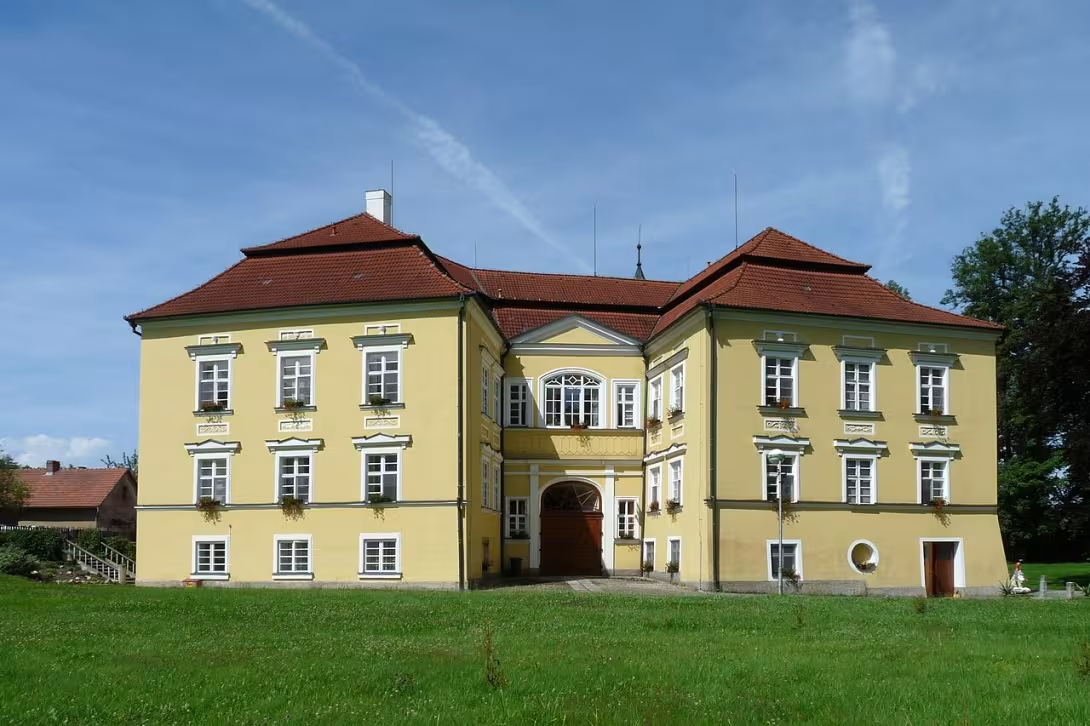

The historical appearance on the left is an AI-generated visualisation and serves as inspiration only.
Historical milestones
- 1370
- First documented mention of the fortress.
- 1757
- Conversion to a baroque chateau.
Architectural development
The site originally featured a late medieval fortress, which was later transformed into a baroque-style chateau by Antonie Schleichartová z Wiesentalu and her husband in 1757. The architectural evolution reflects the changing tastes and functions of the building over several centuries.
Historical events
First documented mention of the fortress in 1370.
Conversion to a baroque chateau in 1757.
Owners
Drslav z Proseče (1370s)
Jan Hazmuky z Proseče (late 14th century)
Vikéř z Chmelného (circa 1446)
Vít z Pelhřimova and Mikuláš Tytlmatl (1461)
Burian Trčka z Lípy (1467)
Prokop Štítný ze Štítného (after 1535)
Jan Leskovec z Leskovce (1535)
Dorota Ostrovcová z Leskovce (1549)
Ladislav Ostrovec z Kralovic (1564, 1604)
Ozyana Beřkovská ze Šebířova (1623)
Jan Lipolt Voračický z Paběnic (1630s)
Felix František Leopold Šenovec z Ungersvertu (1724)
Jan Petr von Augustin (1733)
Points of interest
- The castle's early mention as a fortress in 1370 coincides with the reign of Charles IV, Holy Roman Emperor and King of Bohemia, suggesting it might have played a role in regional defense strategies during his expansive rule.
- Drslav z Proseče, one of the earliest figures associated with the site, was likely involved in local governance or military affairs, reflecting how such strongholds served as both administrative centers and defensive structures in medieval Bohemia.
- The castle's involvement in the Ständeaufstand (Stirrings of the Estates) in 1623 highlights its strategic importance during a period when Bohemian nobility sought greater autonomy from Habsburg rule, illustrating how it was caught up in broader European conflicts.
- Antonie Schleichartová z Wiesentalu's transformation of the site into a baroque chateau in 1757 not only reflects her personal influence but also aligns with the broader cultural shift towards Baroque aesthetics across Europe during the Enlightenment period.
- The castle’s frequent changes in ownership, including figures like Vikéř z Chmelného and Mikuláš Tytlmatl, mirror the turbulent political landscape of medieval Bohemia, where allegiances were often shifting, and properties could change hands due to wars or marriages.
Guide
This guide is narrated by a synthetic voice generated by artificial intelligence.
Show guide text
This text was created by artificial intelligence and has not been editorially reviewed. It may contain inaccuracies.
Welcome to the historic site of Zámek Proseč-Obořiště, nestled in the charming village of Proseč-Obořiště within Nové Cerekve. As you stand here, imagine yourself transported back through time to a place rich with history and transformation.
This castle, originally mentioned as a fortress in 1370 during the reign of Charles IV, Holy Roman Emperor and King of Bohemia, has witnessed centuries unfold before it. Picture its early days when it stood strong as part of regional defense strategies, contributing to the tapestry of medieval Europe's complex political landscape.
Fast forward to 1757, when the castle underwent a significant transformation at the hands of Antonie Schleichartová z Wiesentalu and her husband Jan Jiří Schleichart z Wiesentalu. They reshaped it into a baroque-style chateau, infusing it with elegance and grandeur reflective of that era's architectural tastes.
As you take in the surroundings, notice the castle's architecture—a blend of its medieval origins and baroque enhancements. Observe how these styles converge to create a unique aesthetic that speaks volumes about its storied past. While specific details like arches or facades may not be explicitly documented here, the overall atmosphere invites you to appreciate this harmonious fusion.
Throughout its history, Zámek Proseč-Obořiště has been linked with notable figures such as Drslav z Proseče and Jan Hazmuky z Proseče. These individuals, among others like Vikéř z Chmelného and Burian Trčka z Lípy, have woven their stories into the fabric of this place, adding layers to its historical narrative.
One intriguing aspect of this site is how it connects to broader regional events during Charles IV's reign—a period marked by expansion and cultural flourishing. This connection hints at the castle's potential role in larger defense strategies or as a witness to significant historical developments.
As we conclude our journey here, I invite you to explore further around the grounds. Let your imagination wander through the corridors of time, envisioning the lives that have passed through these halls. Thank you for joining me on this exploration of Zámek Proseč-Obořiště—a place where history and architecture intertwine beautifully.
May your curiosity continue to guide you as you discover more about this remarkable site and its enduring legacy. Safe travels, and until next time!
Tips for visitors
The best time to visit Zámek Proseč-Obořiště is during late spring or early autumn when the weather is mild, and the surrounding Vysočina landscape is lush and vibrant. These seasons offer pleasant temperatures for exploring both the castle grounds and nearby natural attractions. Additionally, visiting outside of peak summer months can mean fewer crowds, allowing for a more relaxed experience.
For those preferring public transport, local buses serve the area, though it's advisable to check current routes and schedules in advance using an online search tool. The castle’s location makes it accessible for a day trip from nearby towns.
When planning your visit, consider bringing comfortable walking shoes as you'll likely explore both the interior of the castle and its surrounding grounds. A camera is recommended to capture the picturesque views and architectural details. Don't forget to pack some water and snacks, especially if you plan on spending time outdoors exploring the nearby forests and agricultural lands.
Photography enthusiasts will find several spots around Zámek Proseč-Obořiště ideal for capturing its beauty. The best light is typically in the early morning or late afternoon when the sun casts soft shadows across the landscape. Inside, natural lighting through windows can create dramatic effects on the castle’s interiors.
For those interested in exploring nearby attractions within a 30-minute drive, consider visiting the local forests and agricultural lands that offer hiking trails and scenic views typical of the Vysočina region. These areas provide a peaceful retreat into nature and are perfect for families looking to enjoy outdoor activities.
Frequently asked questions
Can the monument be visited?
Some buildings of this kind are open for guided tours, others serve another purpose or are privately owned. We have not verified whether and when this monument is open – please ask the operator.
What are the opening hours and admission?
We have not verified the opening hours or admission. Current information is published by the operator. Official website: http://www.ddprosec-oboriste.cz/
Where is the monument?
Location: Proseč-Obořiště č.p. 1, Nová Cerekev, Kraj Vysočina. The map on this page shows the exact spot.
Why is the monument protected?
It is listed in the Central List of Cultural Monuments of the Czech Republic as a cultural monument (register no. 38806/3-3262).
Businesses nearby
Do you run a restaurant, accommodation, shop, museum, rental, wellness or other visitor service near this monument? Show yourself directly to the people heading to it — this is how they will see you in the app and on the web:
Nearby
Zámek Proseč-Obořiště is situated within a picturesque landscape typical of the Vysočina region, known for its rolling hills and rural charm. Nearby natural features include forests and agricultural lands.
Accommodation nearby
Themed route
Tematická výletní trasa zámek Proseč-Obořiště
1. Zámek Proseč-Obořiště (zámek) Start your tour at the castle itself, a beautiful representation of the history and architecture of the Vysočina region. The Proseč-Obořiště Castle offers interesting interiors and outdoor spaces where you can appreciate its charming courtyards and gardens. It's an ideal place for those who want to notice historical details and understand the cultural heritage of the area.
2. Lesní chodníky kolem zámku (přírodní okolí) Nearby, you'll find pleasant forest trails that invite you into a peaceful and comfortable walk. These paths offer an opportunity to relax and observe local flora and fauna. It's a great way to enjoy the outdoor environment and unwind after visiting the castle.
3. Agrárni pozemky (agricultural lands) Continue your journey towards the surrounding agricultural lands, which are typical examples of rural farming in the Vysočina region. These areas provide insight into local farming practices and the landscape that characterizes this area. It's an ideal place for those interested in learning about rural life.
4. Zpátky ke Zámku Proseč-Obořiště (návrat) After visiting the forest trails and agricultural lands, return to the castle to enjoy a peaceful moment on its courtyard or in its gardens. This is also a great time for rest and reflecting on your impressions from the entire tour.
This route offers a harmonious combination of history, nature, and rural atmosphere of the Vysočina region.
Seasonal recommendations
Spring: The arrival of spring at Proseč-Obořiště Castle brings a refreshing transformation as nature awakens, with vibrant wildflowers and budding trees creating an enchanting backdrop for your visit. This time is marked by softer light that beautifully illuminates the castle's architecture, enhancing its historical charm. Visitors can enjoy peaceful strolls through the lush gardens without the summer crowds. It's advisable to wear layered clothing due to variable temperatures, and early morning visits are ideal to fully appreciate the serene atmosphere before any potential spring showers.
Summer: Summer at Proseč-Obořiště Castle is characterized by long days filled with golden sunlight that accentuates the castle’s stonework, creating a warm and inviting ambiance. This period often sees increased visitor numbers as it coincides with peak tourist season in Vysočina. To avoid the crowds, consider arriving early or visiting during weekdays. Comfortable walking shoes and light clothing are recommended to navigate the grounds comfortably, and don't forget sun protection for those sunny days.
Autumn: Autumn at Proseč-Obořiště Castle offers a spectacular display of colors as the foliage turns into shades of red, orange, and gold, providing a picturesque setting that enhances the historical allure of the site. The cooler temperatures make it an ideal time to explore without the summer heat, although visitors should be prepared for shorter daylight hours by planning their visit accordingly. Layered clothing is recommended to stay comfortable as the weather can vary from warm days to chilly evenings.
Winter: Winter transforms Proseč-Obořiště Castle into a serene and mystical destination, with snow often blanketing the landscape, adding an ethereal quality to its historical architecture. The shorter days mean that visits should be planned earlier in the day to make the most of available daylight. Visitors are advised to dress warmly in layers and wear sturdy boots for navigating potentially icy paths.
Visualizations and artistic views


The visualisations are generated by artificial intelligence and serve as inspiration.
Photos from the area
Real photos taken near the monument

Zdroj a licence jsou uvedeny u každého snímku.
Tips from visitors
No tips yet. Be the first!
Log in and add your tip.
Sources and literature
Photos: Czeva / CC BY-SA 3.0 — Wikimedia Commons. The author and licence also appear when you hover over the image.
Faktickým podkladem tohoto textu byl článek na Wikipedii, jehož autory jsou přispěvatelé Wikipedie. Článek je dostupný pod licencí CC BY-SA 4.0.
Location on the map


Příběhy a pověsti
Legendy, pověsti a příběhy spjaté s touto památkou
Fotografie návštěvníků
Zatím žádné fotografie. Buďte první, kdo přidá fotografii z návštěvy!
Log in a přidejte svou fotografii nebo hodnoťte.
Za ověřenou návštěvu v aplikaci získáte víc bodů — poznáme podle GPS, že jste na místě.
Reviews and comments