






Zámek Ptenín Chateau
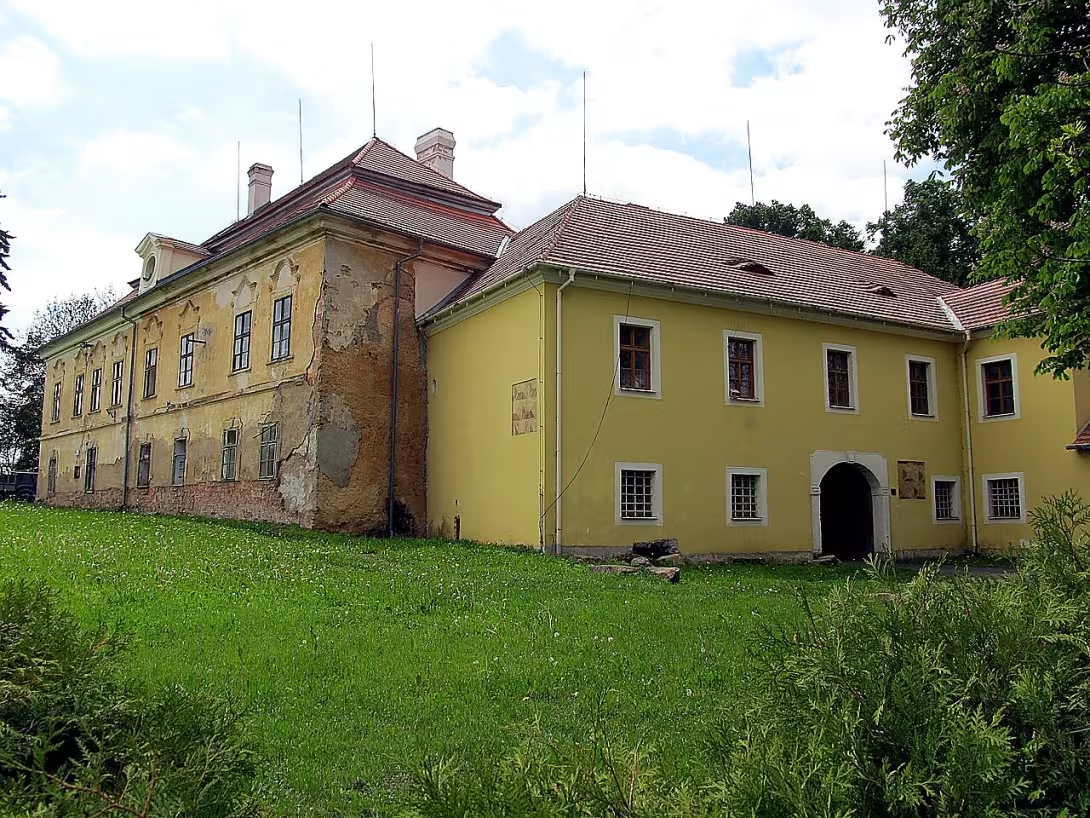
Chateau Ptenín stands as a testament to architectural evolution in the village of Ptenín, located within the Plzeň-jih district of the Czech Republic. Originally constructed on the site of a Gothic fortress during the early 18th century by Count Ferdinand Morzin, this cultural monument exemplifies the transition from Renaissance to Baroque architecture. Its significance lies not only in its architectural transformation but also in its historical role as an administrative residence and hunting lodge. Today, it is owned by the local municipality and serves both residential purposes and as a venue for cultural exhibitions.
The origins of Chateau Ptenín trace back to the 16th century when a fortress was first mentioned in records dating from 1535. Over time, this structure underwent significant transformations; between 1548 and 1688, it evolved into a Renaissance chateau before being further modified by Count Ferdinand Morzin between 1728 and 1738. This period marked its transformation into the Baroque style that characterizes the chateau today. The changes implemented by Morzin were part of a broader cultural flourishing in Bohemia during the early 18th century, under the influence of the Habsburg Monarchy.
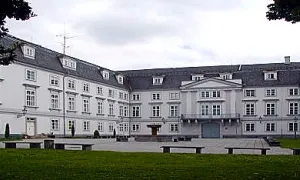
Architecturally, Chateau Ptenín is distinguished by its complex development from a Gothic fortress to a Baroque chateau. The main building features three wings that form an irregular courtyard open to the west. Notable architectural elements include sgraffito decorations on the facades and a mix of gabled and mansard roofs. The northern wing, with its single-story structure and semi-circular archway, contrasts with the central eight-sided building topped by a mansard roof. These features reflect the Baroque emphasis on grandeur and ornamentation.
Ownership of Chateau Ptenín has shifted over time, reflecting broader historical changes. Originally built by Count Ferdinand Morzin in the early 18th century, it later came under the control of the local national committee following World War II. Today, it is owned by the municipality of Ptenín, which manages its use for both residential and cultural purposes.
Throughout its history, Chateau Ptenín has witnessed various uses and transformations. Initially serving as a fortress, it became an administrative residence and hunting lodge under Morzin's direction. After World War II, it was managed by local authorities before transitioning to municipal ownership. In 2015, the chateau opened a new exhibition titled "Otvíráme poklady venkova," highlighting its ongoing cultural significance.
Today, Chateau Ptenín is not only a historical monument but also an accessible site for visitors interested in exploring Czech history and architecture. The chateau's park and garden, partially enclosed by stone walls, offer additional attractions. Its rich architectural heritage and the stories it holds make it a worthwhile destination for those keen to delve into the past.
Chateau Ptenín stands as a cultural beacon, offering insights into the architectural and historical tapestry of the region. Visitors are invited to explore its grounds and discover the treasures that lie within this remarkable monument.
Then and now
Drag the slider to compare how the landmark may have looked when it was built with the view today.
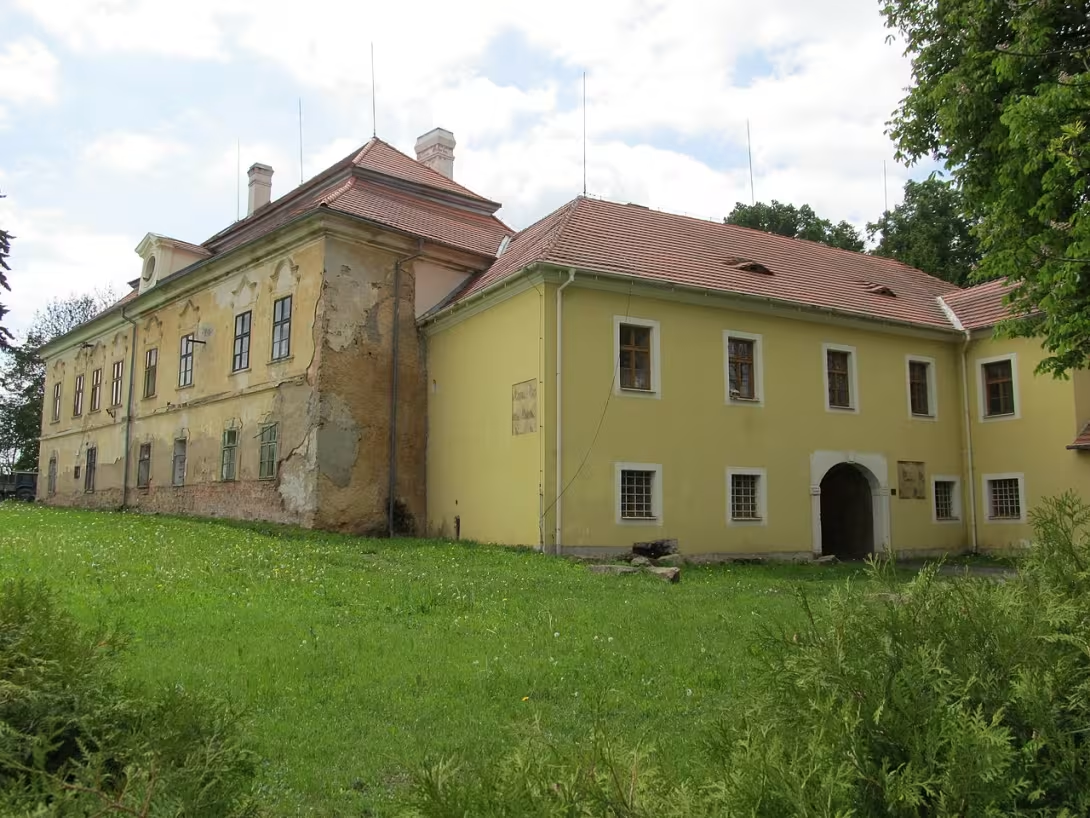

The historical appearance on the left is an AI-generated visualisation and serves as inspiration only.
Historical milestones
- 1535
- First mention of a fortress on the site of the chateau.
- 1548-1688
- Transformation into a Renaissance chateau.
- 1728-1738
- Renovation into a Baroque chateau under the leadership of Count Ferdinand Morzin.
- 1945
- Change of ownership to the local national committee after World War II.
- 2015
- Opening of the new exhibition 'Unveiling the Treasures of the Countryside'.
Architectural development
Zámek Ptenín evolved from a Gothic fortress to a Renaissance chateau and finally to its present Baroque form. The transformation in the early 18th century involved significant expansion and stylistic changes, including the addition of three wings forming an irregular courtyard. Architectural features include sgraffito decorations on facades and a mix of gabled and mansard roofs.
Historical events
16th century: Construction of a fortress on the site with first mention in 1535.
1728-1738: Transformation into its current Baroque style under Count Ferdinand Morzin.
Owners
Originally built by Count Ferdinand Morzin in the early 18th century; after World War II, ownership transferred to the local national committee; currently owned by the municipality of Ptenín.
Points of interest
- Despite its Baroque transformation under Count Ferdinand Morzin, Chateau Ptenín retains traces of its original Gothic fortress structure, evident in the irregular layout and some foundational elements that predate the 18th-century renovations.
- Legend has it that during World War II, Chateau Ptenín was used as a secret meeting place for resistance fighters planning operations against occupying forces; however, no concrete evidence supports this tale, leaving it an intriguing piece of local folklore.
- An unusual feature of Chateau Ptenín is its sgraffito decorations on the facades, which are not commonly found in other Baroque chateaux in the region. These intricate designs were added during Morzin's renovations and depict scenes from both mythology and everyday life.
- The chateau’s park and garden have been a site for local community events since the early 20th century, including traditional fairs and gatherings that continue to this day, showcasing its role as more than just a historical monument but also a living part of village culture.
- In an unexpected twist of history, Chateau Ptenín was briefly considered for conversion into a luxury hotel in the late 20th century; however, due to public outcry over preserving cultural heritage, it remains under municipal ownership and is used for exhibitions and residential purposes instead.
Guide
This guide is narrated by a synthetic voice generated by artificial intelligence.
Show guide text
This text was created by artificial intelligence and has not been editorially reviewed. It may contain inaccuracies.
Welcome to the historic site of Zámek Ptenín, nestled in the charming village of Ptenín within the Plzeň-jih district. As you stand before this cultural monument, imagine yourself stepping back into a rich tapestry of history that unfolds with every stone and pathway.
The story of Zámek Ptenín begins as early as 1535 when there was first mention of a fortress on this very site. Over the centuries, it has transformed significantly from its original Gothic origins to the Baroque elegance we see today. Between 1548 and 1688, the structure evolved into a Renaissance chateau, reflecting the architectural tastes and needs of that era.
The most significant transformation occurred between 1728 and 1738 under the guidance of Count Ferdinand Morzin. It was during this period that the chateau underwent extensive renovations to adopt Baroque architecture—a style known for its grandeur and dramatic flair. As you explore, take a moment to appreciate how the chateau seamlessly blends these architectural styles; notice the irregular layout hinting at its Gothic past, even as it proudly displays Baroque influences.
As you wander around, observe the details that speak volumes of history—the robust stone walls, the elegant symmetry typical of Baroque design, and the subtle traces of the fortress's original structure. These elements together create a unique atmosphere, allowing you to feel both the weight of history and the beauty of transformation.
Count Ferdinand Morzin is a key figure in this narrative, his vision shaping much of what stands before us today. His influence is evident not just in the architecture but also in the legacy he left behind—a place that has served various roles over time, from an administrative residence to a hunting lodge.
A captivating piece of local lore surrounds Zámek Ptenín during World War II. Legend whispers stories of hidden treasures and secret passages used for protection or escape during turbulent times—mysteries that add another layer to your visit.
As you conclude your exploration, consider delving deeper into the chateau's history and its surrounding village. There is much more to discover about this fascinating site, from its exhibitions like 'Otvíráme poklady venkova' to the stories etched in its walls. Thank you for joining us on this journey through time at Zámek Ptenín. We hope your visit has been as enriching and inspiring as the history it holds.
Tips for visitors
The best time to visit Zámek Ptenín is during late spring or early autumn when the weather is mild, and the surrounding park and gardens are at their most picturesque. This period offers pleasant temperatures for exploring both the chateau grounds and nearby natural landscapes. Additionally, visiting outside of peak summer months can provide a more tranquil experience with fewer crowds.
It's advisable to check current routes and schedules in advance using a travel planner or local transit websites.
When planning your visit to Zámek Ptenín, consider bringing comfortable walking shoes as you'll likely explore the chateau grounds and surrounding park areas. Weather-appropriate clothing is also recommended, especially if you plan to spend time outdoors. A camera or smartphone for capturing photos of the beautiful scenery and architecture would be beneficial.
For photography enthusiasts, some of the best spots around Zámek Ptenín include the main entrance with its historic façade, which looks stunning in the soft light of early morning or late afternoon. The surrounding park offers various angles to capture the chateau amidst lush greenery. Natural lighting during these times can enhance the textures and colors of both the architecture and landscape.
In terms of nearby attractions within a 30-minute drive from Zámek Ptenín, visitors might explore other cultural sites or natural landscapes in the region. The area is known for its scenic beauty, which includes rolling hills and traditional Czech villages that offer a glimpse into local history and culture.
Frequently asked questions
Can the monument be visited?
Some buildings of this kind are open for guided tours, others serve another purpose or are privately owned. We have not verified whether and when this monument is open – please ask the operator.
What are the opening hours and admission?
We have not verified the opening hours or admission. Current information is published by the operator.
Where is the monument?
Location: č.p. 1, Ptenín, Plzeňský kraj. The map on this page shows the exact spot.
Why is the monument protected?
It is listed in the Central List of Cultural Monuments of the Czech Republic as a cultural monument (register no. 22636/4-435).
Businesses nearby
Do you run a restaurant, accommodation, shop, museum, rental, wellness or other visitor service near this monument? Show yourself directly to the people heading to it — this is how they will see you in the app and on the web:
Events nearby
Zdroj akcí: otevřená data měst a obcí ČR (Národní katalog otevřených dat) a kalendář akcí Národního památkového ústavu.
Nearby
The chateau is surrounded by a park and garden, partially enclosed by stone walls. The landscape includes natural features typical of the region.
Accommodation nearby
Trips and activities nearby
Guided tours, tickets and activities nearby from GetYourGuide
Affiliate link: if you buy from the partner, we may receive a commission. The price for you does not change.
Search tours and activities →Themed route
Thematic Vlog Tour: Exploring the Charm of Zámek Ptenín and Its Surroundings
1. Zámek Ptenín (Chateau) - Type: Historical Chateau - Why Visit: Begin your journey at Zámek Ptenín, a stunning example of Renaissance architecture nestled in the heart of Plzeňský kraj. The chateau's rich history and elegant design make it an ideal starting point for exploring its surrounding park and garden.
2. Castle Park - Type: Garden - Why Visit: Stroll through the beautifully landscaped park that surrounds Zámek Ptenín. This serene environment, partially enclosed by stone walls, offers a peaceful retreat where you can appreciate the harmonious blend of nature and architecture typical of the region.
3. Garden Stone Walls - Type: Architectural Feature - Why Visit: As you wander through the park, take time to explore the intricately designed stone walls that encircle parts of the garden. These structures not only provide a glimpse into historical gardening practices but also add an element of charm and mystery to your exploration.
4. Castle Garden - Type: Botanical Area - Why Visit: Delve deeper into the chateau's garden, where you can discover a variety of plant species that have been carefully curated over the years. This area highlights the natural beauty and biodiversity of the region, offering a perfect spot for photography or simply enjoying nature.
5. Castle Nádvoří (Courtyard) - Type: Courtyard - Why Visit: Conclude your tour at the chateau's nádvoří, where you can immerse yourself in the historical ambiance of Zámek Ptenín. This area provides a unique perspective on the chateau’s architecture and serves as an ideal spot to reflect on your visit or capture memorable photos.
This thematic vlog tour offers a comprehensive exploration of Zámek Ptenín and its immediate surroundings, ensuring you experience both its architectural grandeur and natural beauty.
Seasonal recommendations
Spring: Visiting Zámek Ptenín in spring offers a unique experience as the chateau grounds come alive with blooming flowers and lush greenery, creating a vibrant atmosphere. The gentle light of early spring days enhances the beauty of the historic architecture, casting soft shadows that highlight intricate details. This time is ideal for photography enthusiasts looking to capture the chateau amidst nature's reawakening. Visitors are advised to wear comfortable layers as temperatures can fluctuate, and it’s wise to arrive earlier in the day before crowds gather, especially during weekends when locals often explore outdoor attractions.
Summer: Summer at Zámek Ptenín is characterized by long daylight hours that illuminate the chateau, making it a perfect time for exploring its grounds. The warm weather invites visitors to enjoy picnics or leisurely strolls through the beautifully manicured gardens. However, this season also brings larger crowds, particularly during peak tourist months, so arriving early in the morning can help avoid the busiest times. Sun protection is essential, so bring hats and sunscreen, and consider wearing light clothing to stay comfortable as you explore.
Autumn: Autumn transforms Zámek Ptenín into a picturesque setting with its rich tapestry of fall colors. The changing leaves provide a stunning backdrop for photography, while the cooler weather makes it an ideal time for walking tours around the chateau grounds. This season often sees fewer visitors compared to summer, allowing for a more peaceful experience. Dressing in layers is recommended as temperatures can vary significantly throughout the day, and carrying a light jacket or sweater will ensure comfort during your visit.
Winter: Winter at Zámek Ptenín offers a serene and magical atmosphere, with snow-covered grounds adding an enchanting touch to the historic site. The shorter days mean that visiting in the morning is advisable to make the most of the daylight hours available for exploring. Due to potential closures or reduced operating hours during colder months, it’s important to check ahead before planning your visit. Warm clothing, including a heavy coat and thermal layers, is essential to stay comfortable while enjoying the chateau's winter charm.
Visualizations and artistic views


The visualisations are generated by artificial intelligence and serve as inspiration.
Photos from the area
Real photos taken near the monument


Zdroj a licence jsou uvedeny u každého snímku.
Tips from visitors
No tips yet. Be the first!
Log in and add your tip.
Sources and literature
Photos: Krabat77 / CC BY-SA 3.0 — Wikimedia Commons. The author and licence also appear when you hover over the image.
Faktickým podkladem tohoto textu byl článek na Wikipedii, jehož autory jsou přispěvatelé Wikipedie. Článek je dostupný pod licencí CC BY-SA 4.0.
Location on the map
More monuments – Ptenín
Show all in the municipality

Příběhy a pověsti
Legendy, pověsti a příběhy spjaté s touto památkou

Fotografie návštěvníků
Zatím žádné fotografie. Buďte první, kdo přidá fotografii z návštěvy!
Log in a přidejte svou fotografii nebo hodnoťte.
Za ověřenou návštěvu v aplikaci získáte víc bodů — poznáme podle GPS, že jste na místě.
Reviews and comments