






Zámek Rudník – přestavěn na pivovar Brewery
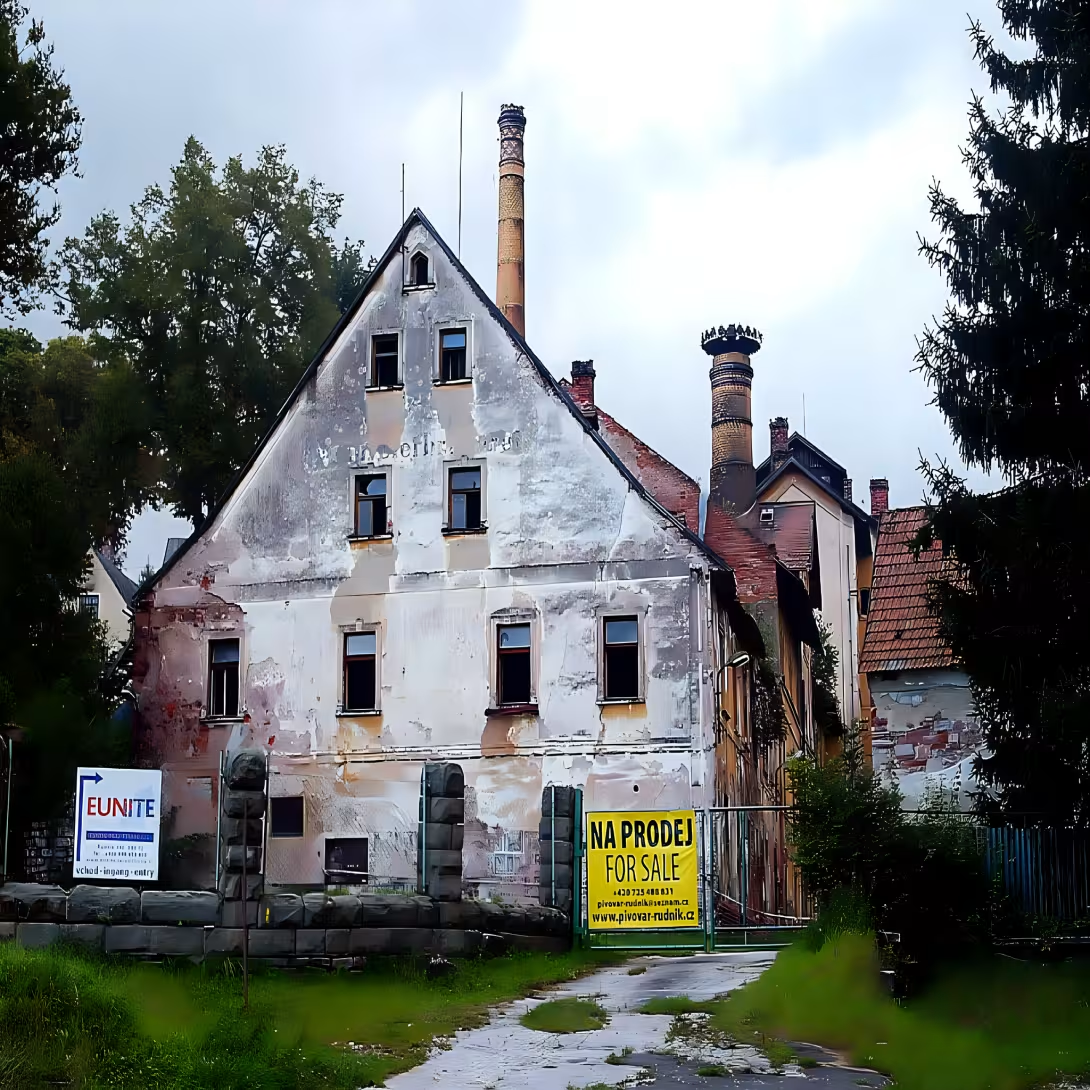
Castle Rudník, now known as Castle Rudník, is a historical monument in the village Rudník in the Králové Hradec Region. It was originally constructed at the turn of the 17th century as the Renaissance castle of Hanibala von Wallenstein and his wife Kateřina Berka of Dubová, later turned into a brewery in the early 19th century. This site is remarkable for its architectural development from noble residence to industrial facilities, reflecting wider historical shifts in land use and ownership.
The origin of the Castle Rudík dates back to the period of the late Renaissance when Hanibal von Wallenstein, who served as the highest mint master of the Czech Kingdom, commissioned the construction of this castle. The structure was first documented in 1615 and its importance was marked when the Czechs were part of the Habsburg monarchy. This era was characterised by political and cultural developments that affected architectural styles throughout Europe.
Architecturally, Castle Rudník began as a Renaissance castle, displaying elements typical of the period before being converted into a brewery around 1813 / 1815 / 1816 under the guidance of Josef Karl von Silberstein. The transformation included modern equipment for its time, such as reinforced concrete fermentation tanks and electrically driven cooperation. Further modernization took place in 1888, when Josef Kluge seized ownership, which significantly increased production capacity.
Site ownership has seen some significant changes. After conversion to a brewery, it was modernised under the direction of Josef Kluge, which increased production to approximately 10000 hectolitres each year by the beginning of the 20th century. After the First World War, production reached a peak of almost 20,000 hectolitres before the fall during the war and stabilization after the war. Post- 1945, the brewery was nationalized and integrated into the Hradec Brewery, with the completion operations in 1951. She remained under state control until 1989.
During his history, Castle Rudník witnessed major events that underscored his transformation from noble residence to an industrial site. The switch to the brewery meant moving towards modernisation and increasing production capacity, reflecting broader economic trends at the time. Despite these changes, the site retains valuable Renaissance vaults and decoration sgraffito, along with four boundary marks / base plaques built into the walls of its economic building.
Today, Castle Rudník is a cultural monument, declared on January 20, 1992. Although it is privately owned and currently unused, leading to a deterioration, efforts have been made to preserve it. In 2013, a rescue initiative was launched, culminating in partial emergency repairs to the roof of the cold house building in 2019. The plans of architect Josef Smorný and Ilex Architects aim to transform the location into the Czech Centre of Architecture while turning other buildings into flats and shops.
The Rudník Castle offers visitors a view of the architectural and industrial history of the region, built against the picturesque background of the Bolkovsky stream and its tributary near St. Wenceslas Church. Its historical importance is strengthened by preserved Renaissance elements that provide insight into past lives and transformations of this remarkable place.
The visit to Castle Rudník offers a unique opportunity to explore a monument that surrounds centuries of history, from noble beginnings to industrial innovation. This is proof of the permanent heritage of architectural development and cultural heritage in the Czech Republic.
Then and now
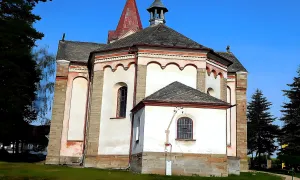
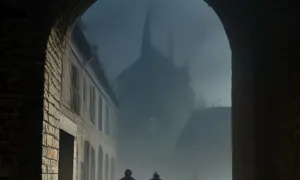
Drag the slider to compare how the landmark may have looked when it was built with the view today.
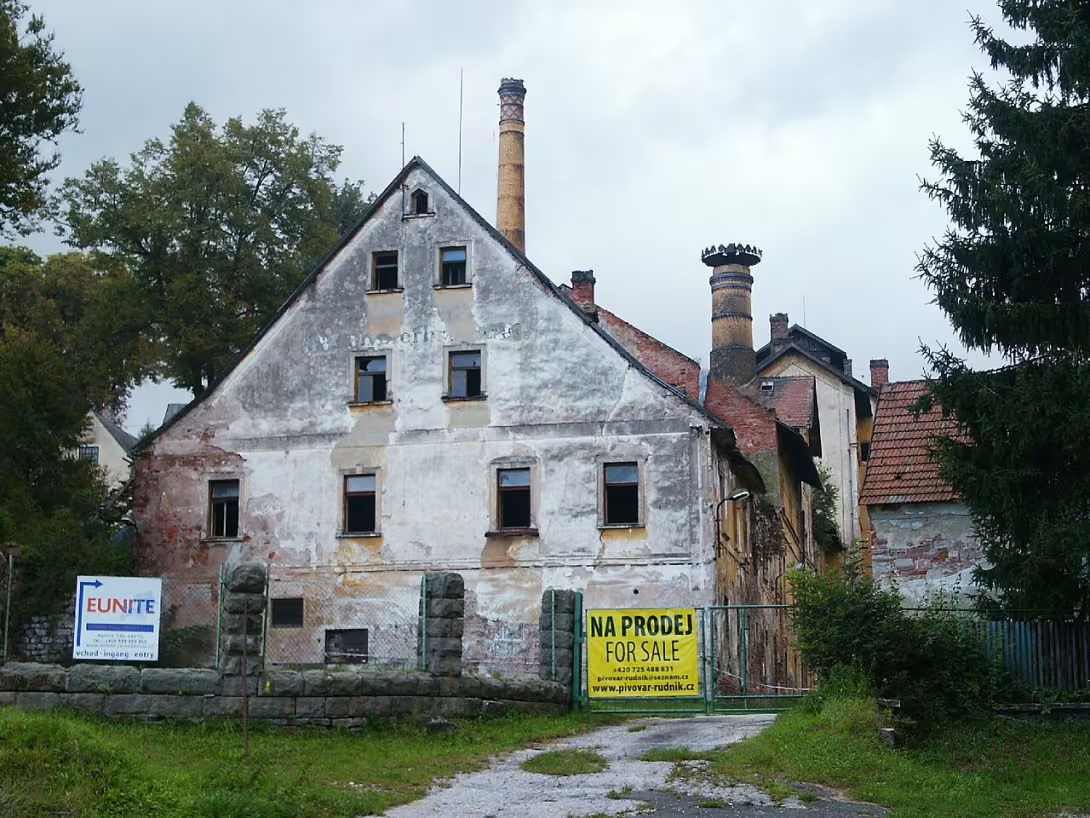
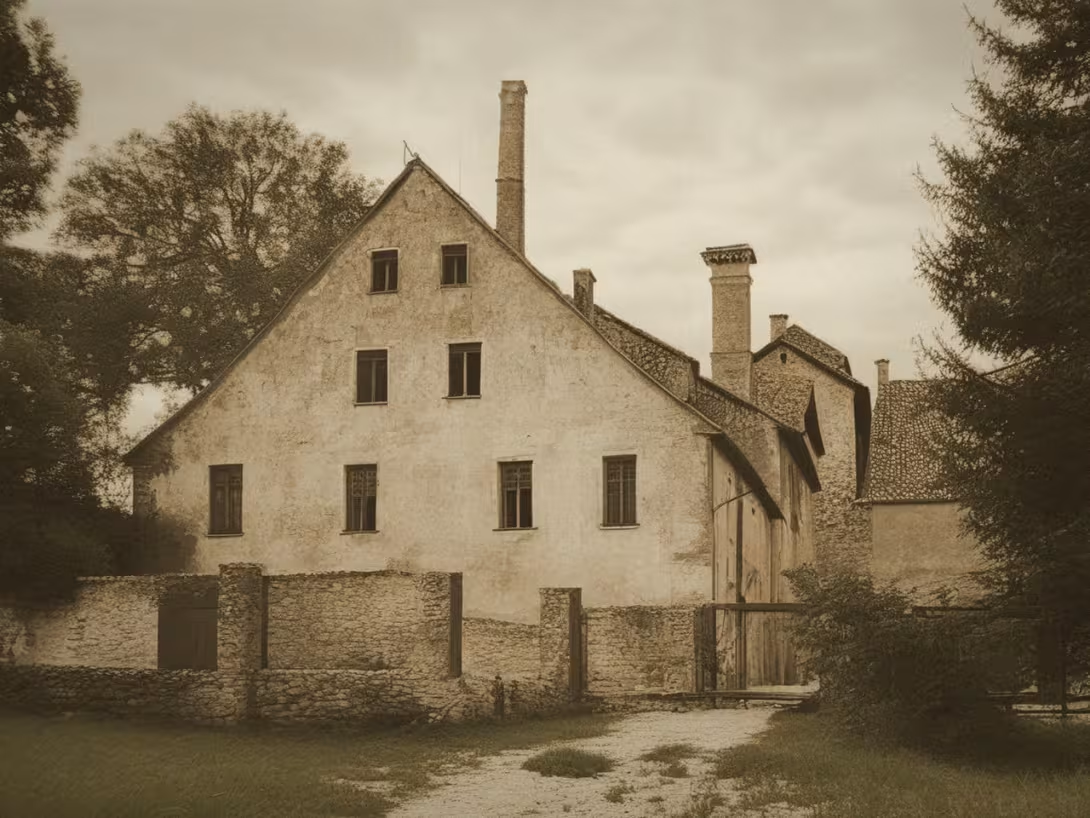
The historical appearance on the left is an AI-generated visualisation and serves as inspiration only.
Historical milestones
- 1615
- The castle is first mentioned.
- 1813 / 1815 / 1816
- Transfer to the brewery of Josef Karl von Silberstein.
- 1888
- Modernised under the leadership of Josef Kluge.
- 1992
- They declared a cultural monument.
Architectural development
The original Renaissance chateau built by Hanibal von Wallenstein and Kateřina Berkou from Dubová was converted into a brewery around 1813 / 1815 / 1816. The transformation included modern equipment such as reinforced concrete fermentation tanks and electrically powered cooperative. Another modernization took place in 1888 under the leadership of Josef Kluge, thus improving production capacity.
Historical events
The castle was first mentioned in 1615 and later converted into a brewery around 1813 / 1815 / 1816.
In 1888 the brewery was modernized under the property of Josef Kluge, which significantly increased production.
Post-1945 nationalisation led to its integration into Hradec breweries, the operation ended in 1951.
Owners
Originally built by Hanibal von Wallenstein and Kateřina Berka of Dubová; converted into a brewery in flight 1813 / 1815 / 1816 by Josef Karl von Silberstein; ownership transferred to Josef Kluge in 1888; nationalized post-1945 under Hradec Brewery; used by Lánov State by 1989.
Points of interest
- Despite its transformation into a brewery, the Rudník Castle retains valuable Renaissance architectural elements such as vaults and sgraffito decorations that offer a unique blend of historical art in an industrial environment.
- The conversion of the castle to the castle Rudník in the early 19th century included pioneering modern facilities such as reinforced concrete fermentation tanks and an electrically powered cooperative that shows timely adoption of innovative brewery technology.
Guide
This guide is narrated by a synthetic voice generated by artificial intelligence.
Show guide text
This text was created by artificial intelligence and has not been editorially reviewed. It may contain inaccuracies.
Welcome to the historic location of Castle Rudník, a remarkable conversion of the Renaissance castle to a thriving brewery, which stands as proof of the rich heritage of the region and innovative spirit. As you stand here in Rudník, Královéhradecký kraj, look around for a while. In front of you is an architectural miracle that smoothly blends its historical roots with modern functionality.
The story of the Castle Rudíka begins at the end of the 16th to 17th century, when it was constructed by Hanibal von Wallenstein and his wife Kateřina Berk of Dubo. Originally built as a Renaissance castle, this building was witnessed by centuries of development. His first mention dates back to 1615 and marks its meaning at a time when architecture was not only about utility, but also about grandeur and art.
As you look at the building, notice how it retains valuable Renaissance architectural features despite its transformation to the Rudník Castle in the early 19th century. The safes and decorations sgraffito are particularly remarkable, offering a unique blend of historical art within what is now an industrial environment. These elements serve as silent witnesses to the history of the castle.
The key moment in his history was between 1813 and 1816 when Josef Karl von Silberstein turned him into a brewery. This transformation meant not only a change in function, but also a change in modern equipment for its time, reflecting the era of innovation and progress. Later, in 1888, the castle underwent further modernization under the leadership of Josef Kluge, ensuring that Castle Rudník remained at the head of brewery technology.
The lives of Hanibal z Valdštejna and Kateřina Berková z Dubé are all woven into the fabric of this place. Their vision has laid the foundation for what would become a symbol of resilience and adaptation, evolving for centuries to meet the requirements of changing times while preserving its historical nature.
One of the most interesting aspects of Castle Rudník is how it embodies the spirit of transformation. Despite becoming an industrial site, she managed to preserve her architectural beauty and historical significance, declaring a cultural monument in 1992. This duality calls for reflection on how spaces can evolve in honoring their past.
When we completed this audio tour, I urge you to stay a little longer, explore every corner and imagine the stories that appeared inside these walls. Whether it's an echo of the steps of centuries ago or a jingling glasses to celebrate today's beer, the Rudník Castle offers a unique journey through time.
Thank you for joining me in the Rudník Castle Survey. May your visit inspire curiosity and recognition for the layers of history that shape our world. Goodbye until we meet at the next historical jewel.
Tips for visitors
Best time to visit The Rudník Castle is in late spring or early autumn when the weather is pleasant, allowing you to fully enjoy both historical architecture and surrounding natural beauty. During these months, the Bolkovsky stream has a quiet background for exploring a place without summer crowds. Moreover, a visit to the autumn can provide stunning views as leaves change color.
Parking is available near Castle Rudník, but it is advisable to check local sources or maps before your visit to ensure availability. For those who prefer public transport, there are options that can bring you close to the site; However, specific routes and plans should be verified by means of a transport search tool before your travel. This will help to plan your journey efficiently.
When visiting Castle Rudník, it is recommended to wear comfortable walking shoes as an examination area involves some walking. Since its outdoor environment near the water function, bring a light jacket or raincoat is wise, especially if you plan to stay for a longer period. Remember to capture picturesque scenery and architectural details of the site.
For photographic enthusiasts, the best places are around the confluence of the Bolkovský stream, where natural lighting increases the beauty of the landscape, especially during the golden hours of the morning or late afternoon. The area near St. Wenceslas Church also offers unique photographic opportunities with its historical architecture contrasting with the natural environment.
Families that visit the Rudník Castle will find a neighborhood for children. Within 30 minutes' drive, you can explore St. Wenceslas Church, which provides a cultural and educational experience. The nearby water functions are also ideal for short walks of nature or picnics, making it an ideal place for family trips.
Businesses nearby
Do you run a restaurant, accommodation, shop, museum, rental, wellness or other visitor service near this monument? Show yourself directly to the people heading to it — this is how they will see you in the app and on the web:
Nearby
Located on the confluence of Bolkovsky stream and its true tributary, near St. Wenceslas church, it offers a picturesque environment with natural water elements.
Accommodation nearby
Themed route
Thematic tour of Itinerary: Castle Rudník and Surribuze
1. Castle Rudník (Castle Rudník) * Type: * Historical castle turned into a brewery * Why Visit: * Start your journey in the heart of this unique place where history meets modern craft. The conversion of Castle Rudnice into a brewery offers visitors a immersed experience combining architectural beauty with craft beer production. Explore the castle rooms and enjoy tasting in historical halls.
2. St. Wenceslas Church * Type: * Historical church * Why Visit: * A short walk from the Castle Rudík, this church stands as proof of the rich cultural heritage of the area. Its architectural elegance and balanced atmosphere make it an ideal place for reflection or simply enjoys a picturesque environment near the Bolkovsky stream.
3. Link of the Bolkovsky River * Type: * Natural water function * Why Visit: * Experience the calm beauty of nature, where the Bolkovsky stream meets its correct tributary. This place offers a quiet haven with a wonderful view, ideal for shooting or a peaceful walk along the shores.
4. Bolkovský Potok Trail * Type: * Scenic walking path * Why Visit: * Follow the trail along the Bolkovsky stream to immerse yourself in the natural landscape area. The trip provides an opportunity for outdoor enthusiasts to enjoy refreshing walks in the fresh surroundings, connecting smoothly with other points of interest.
5. Castle Rudík Brewery Tour * Type: * Experience brewery * Why Visit: * End your visit by immersing yourself deeper into the brewery Castle Rudník. Learn about traditional and innovative apiculture techniques when sampling various local beers in an authentic environment that blends history with contemporary craft.
This itinerary offers a balanced mix of cultural, historical and natural attractions that are close to each other, which ensures a complete survey of the Rudník Castle area.
Seasonal recommendations
Spring: The castle Rudník in the spring season offers a greenhouse that brings back the landscape to life. Sunshine days and low temperatures provided by ideal support for the brewery, which is new in the height list for concessions. In order to avoid this purpose and to avoid a school trip, entrustment bodies should be entitled to an authorisation on a Tuesday or Wednesday. The blinded quantity for small temperatures adds the recalculated amount of bra and short jacket to the banned quantity of cold storage paper.
Summer: Summer is an ideal time for the castle Rudník, when the historical monument is studied in live atrocities with attraction as its own outdoor drinking of beer and entertainment. Sunshine days go to a time when a certain amount has been achieved, which is ideal for planned production at dawn or in large quantities to avoid the amount of tourists. They should be transferred to heat plants with protected sun and supplied hydration. The outside areas around the brewery offer a heat leak, which is from mandatory data in other cities as well.
Autumn: In autumn Castle Rudík offers a view of colored leaves and small temperatures, which have historical value atmosphere. This time of year is ideal for travel benefits by smaller crowds and pleasant conception, which allows you to enjoy a quiet experience. It should be adjusted on the basis of the decision initiating the procedure and it may be excluded that this decision is intended for temporary cessation of activities. A beautiful conditional decision must be mentioned in the notice of initiation as it is an ideal time to provide information.
Winter: The Rudník Castle in the country offers a different agreement with cold temperatures and possibilities that it does with the outdoor advantage to be provided. Opening hours can be exceptional, so it is important to check the current times that have been set. Inventory undertakings should benefit from the fact that such undertakings and relevant undertakings for cold conditions, which are also intended for economic activities. Despite the shorter light diary, they encourage a one-way methodology and calm to be established, which may be ideal for those that can be used in the production of materials.
Visualizations and artistic views


The visualisations are generated by artificial intelligence and serve as inspiration.
Photos from the area
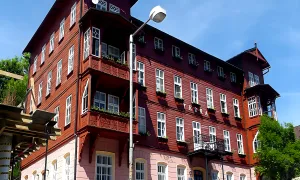
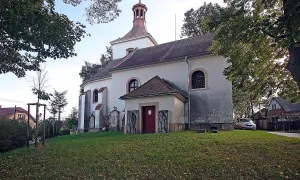
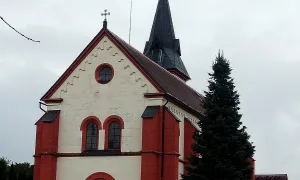
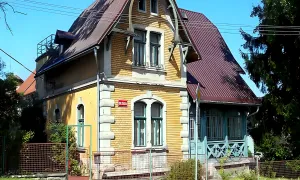
Real photos taken near the monument

Zdroj a licence jsou uvedeny u každého snímku.
Tips from visitors
No tips yet. Be the first!
Log in and add your tip.
Sources and literature
Fotografie: JiriMatejicek / CC BY-SA 3.0, rozlišení zvýšeno umělou inteligencí — Wikimedia Commons. The author and licence also appear when you hover over the image.
Faktickým podkladem tohoto textu byl článek na Wikipedii, jehož autory jsou přispěvatelé Wikipedie. Článek je dostupný pod licencí CC BY-SA 4.0.
Location on the map
Příběhy a pověsti
Legendy, pověsti a příběhy spjaté s touto památkou
Fotografie návštěvníků
Zatím žádné fotografie. Buďte první, kdo přidá fotografii z návštěvy!
Přihlaste se a přidejte svou fotografii nebo hodnoťte.
Za ověřenou návštěvu v aplikaci získáte víc bodů — poznáme podle GPS, že jste na místě.
Reviews and comments