






Kostel svatého Václava (Rudník) Church
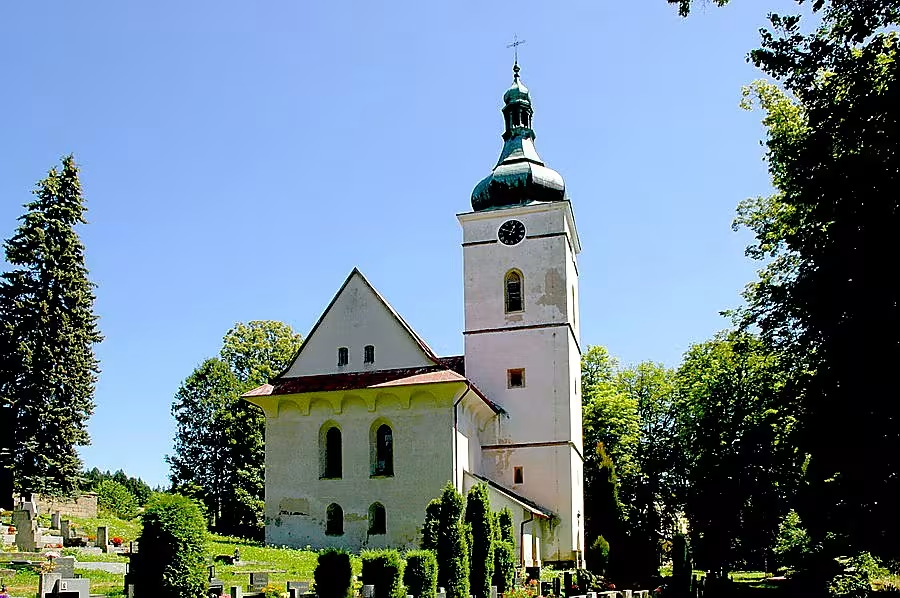
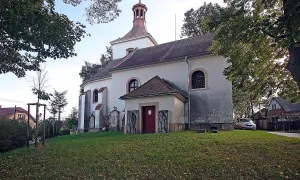
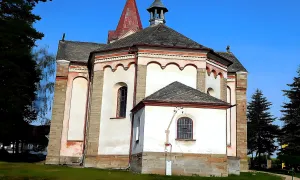
The Church of Saint Wenceslas in Rudník is a Roman Catholic filial church with historical significance dating back to the late 14th century. Located in the village of Rudník within the Královéhradecký kraj region, this monument exemplifies architectural evolution and cultural heritage. Initially featuring Gothic elements, it was transformed into its current Renaissance appearance by Hannibal von Wallenstein between 1598 and 1602. The church is renowned for its style attributed to Carlo Valmadim, showcasing features such as lunette cornices and a high saddle roof. It has been protected as a cultural monument since 1964.
Constructed in the late Gothic period during the second half of the 14th century, the Church of Saint Wenceslas's oldest parts include the presbytery and much of the surrounding wall of the nave, built using traditional techniques of that era. Its historical context is rooted in a time when Bohemia was part of the Holy Roman Empire, experiencing significant political and religious changes leading up to the Hussite Wars. By the late 16th century, during Wallenstein’s renovations, the region was under Habsburg rule, marked by the Counter-Reformation.
Architecturally, the church underwent significant transformations over time. Initially built in the late Gothic style, it was later transformed into a Renaissance structure by Hannibal von Wallenstein. Key features include a polygonal presbytery and a high saddle roof with lunette cornices, typical of Carlo Valmadim's work. The church is single-nave with engaged buttresses, and its nave is rectangular with galleries on three sides supported by Tuscan columns—a hallmark of Valmadim’s designs. The nave features vaulted ceilings in three bays with lunettes connected by a longitudinal rib. Notably, the polygonal presbytery is covered with a barrel vault featuring lunettes, while the northern sacristy with an oratory above it has a similar vaulting style. Restoration efforts were made after a fire damaged its roof in 1971.
Ownership and administration of the church have seen notable figures such as Hannibal von Wallenstein, who commissioned its Renaissance transformation between 1598 and 1602. The church's fortunes changed dramatically during this period when it was expanded and modified to meet contemporary needs. Additionally, figurative tombstones of Hannibal von Wallenstein and Mariána Kaplířová ze Sulevic are located on the exterior, marking their historical significance.
Key events in the history of the Church of Saint Wenceslas include its designation as a cultural monument in 1964, recognizing its architectural and historical importance. In 2018, sanitation works revealed the northwest corner of an earlier Gothic structure, providing new insights into its development. The church was restored after a fire damaged its roof in 1971, ensuring its preservation for future generations.
Today, the Church of Saint Wenceslas stands as a cultural monument open to visitors who wish to explore its rich history and architectural beauty. Nearby, a Baroque parsonage from 1766 and a baroque statue of Saint John Nepomucene from 1714 add to the historical ambiance of the area. The church's well-preserved Renaissance features and its significance as a cultural monument make it a worthwhile visit for those interested in history and architecture.
The Church of Saint Wenceslas is not only an architectural marvel but also a symbol of the region’s rich cultural tapestry. Its preservation allows visitors to step back in time and appreciate the intricate details that define this historical site. Whether drawn by its architectural beauty or intrigued by its storied past, a visit promises a rewarding experience.
Then and now
Drag the slider to compare how the landmark may have looked when it was built with the view today.
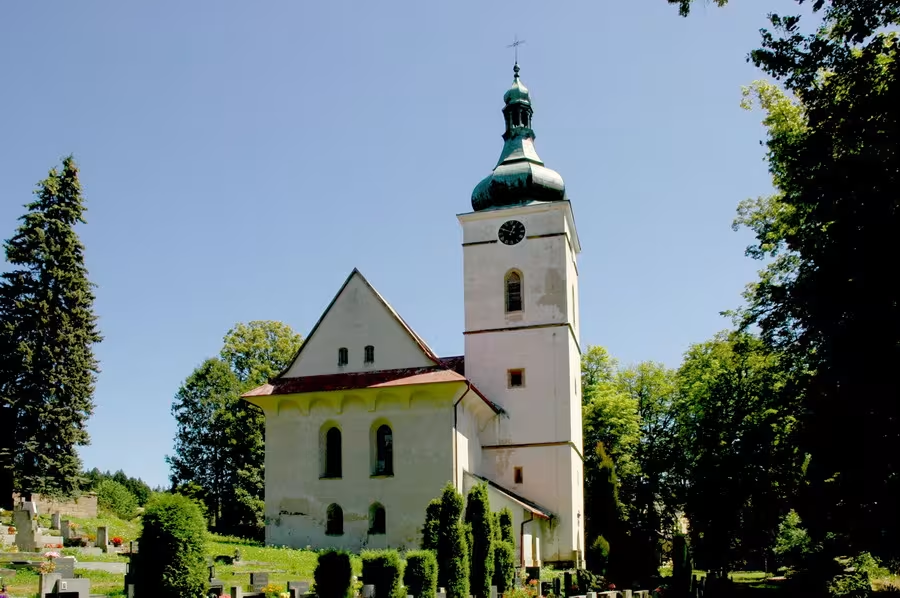
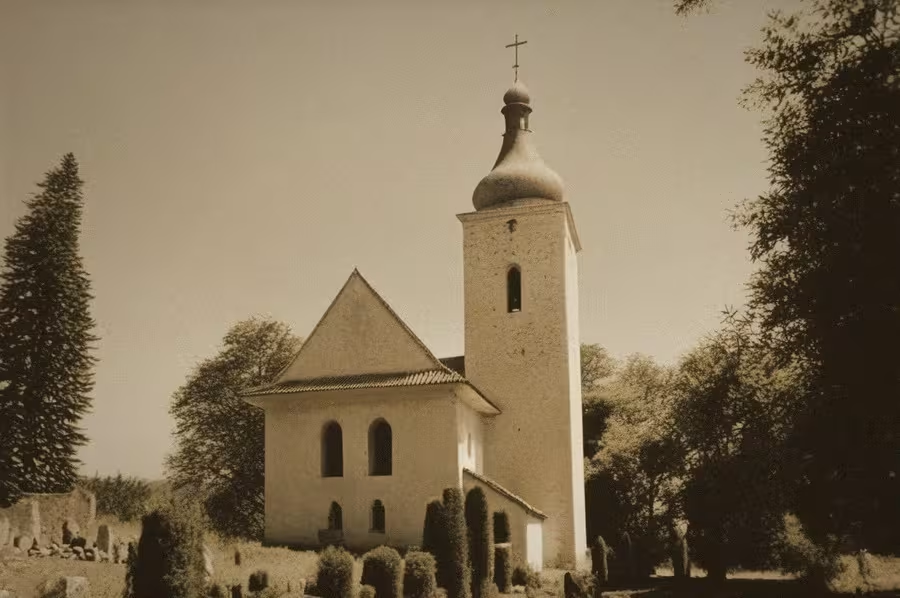
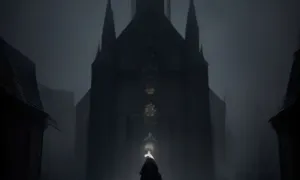
The historical appearance on the left is an AI-generated visualisation and serves as inspiration only.
Historical milestones
- end of the 14th century
- The origin of St. Wenceslas Church in late Gothic style.
- 1598-1602
- Transformation into Renaissance style by Hannibal von Wallenstein.
- 1964
- Protection as a cultural monument.
- 1971
- Restoration after a fire that caused damage to the roof.
- 2018
- Sanitation revealed the south-western corner of an older Gothic structure.
Architectural development
The Church of Saint Wenceslas underwent significant architectural changes over time. Initially built in the late Gothic style, it was later transformed into a Renaissance structure by Hannibal von Wallenstein. Key features include a polygonal presbytery and a high saddle roof with lunette cornices, typical of Carlo Valmadim's work. Restoration efforts were made after a fire in 1971.
Historical events
1598-1602: Hannibal von Wallenstein commissioned the Renaissance transformation of the church.
1971: The church was restored after a fire damaged its roof.
Points of interest
- The Church of Saint Wenceslas in Rudník holds a unique architectural evolution story, transitioning from late Gothic to Renaissance style under Hannibal von Wallenstein’s direction. This transformation is particularly notable for its incorporation of Carlo Valmadim's distinctive features such as lunette cornices and Tuscan columns.
Guide
This guide is narrated by a synthetic voice generated by artificial intelligence.
Show guide text
This text was created by artificial intelligence and has not been editorially reviewed. It may contain inaccuracies.
Welcome to the Church of Saint Wenceslas in Rudník, a remarkable testament to architectural evolution and historical resilience. As you stand here, enveloped by its serene presence, take a moment to absorb the atmosphere that has been shaped over centuries.
The story of this church begins in the late 14th century when it was originally constructed in the picturesque style of late Gothic architecture. It served as a spiritual haven for the community, reflecting the religious fervor and artistic sensibilities of its time. The transformation of this sacred space began between 1598 and 1602 under the guidance of Hannibal von Wallenstein. This period marked a significant architectural shift from Gothic to Renaissance style, introducing new dimensions and aesthetics that would define its character for centuries.
As your eyes wander over the church's facade, notice the harmonious blend of styles that tell tales of its storied past. The influence of Carlo Valmadim is evident in the refined features that adorn this structure, showcasing a mastery of form and detail that speaks to the Renaissance ideals of balance and beauty. These elements invite you to appreciate not just the visual appeal but also the historical narrative embedded within each stone.
Throughout its history, the Church of Saint Wenceslas has been intertwined with notable figures such as Hannibal z Valdštejna and Mariána Kaplířová ze Sulevic. Their connections to this place add layers of intrigue and depth, enriching the tapestry of stories that surround it.
In 1964, its cultural significance was formally recognized when it became protected as a cultural monument. This acknowledgment was followed by restoration efforts in 1971 after a fire caused damage to the roof, ensuring that future generations could continue to experience its beauty and historical resonance. A significant moment came in 2018 during a renovation project that revealed remnants of the older Gothic structure at the south-west corner, offering a tangible link to the church's origins.
One fascinating aspect of this church is how it encapsulates the architectural evolution from late Gothic to Renaissance style under Wallenstein’s direction. This transformation not only highlights the adaptability and creativity of its patrons but also serves as a physical manifestation of the cultural shifts occurring during that era.
As you continue your exploration, let yourself be drawn into the stories etched in stone and spirit here at Rudník. Each step invites discovery, each glance reveals history. We encourage you to delve deeper into this architectural gem, uncovering its secrets and absorbing the tranquility it offers.
Thank you for joining us on this journey through time and artistry. May your visit inspire a lasting appreciation for the rich tapestry of history and culture that surrounds you here at the Church of Saint Wenceslas in Rudník.
Businesses nearby
Do you run a restaurant, accommodation, shop, museum, rental, wellness or other visitor service near this monument? Show yourself directly to the people heading to it — this is how they will see you in the app and on the web:
Nearby
Nearby the church is a Baroque parsonage from 1766 and a baroque statue of Saint John Nepomucene from 1714. The surrounding area includes natural features within a 5 km radius.
Accommodation nearby
Themed route
Thematic Walking Tour: Rudník and Its Baroque Treasures
1. Kostel svatého Václava (Rudník) - *Type:* Church - *Why Visit:* Begin your journey at this stunning example of ecclesiastical architecture, the Church of Saint Wenceslas in Rudník. This church is not only a place of worship but also a testament to the rich cultural and spiritual history of the region. Its serene atmosphere offers visitors a chance to appreciate its architectural beauty and historical significance.
2. Baroque Parsonage (Rudník) - *Type:* Historical Building - *Why Visit:* Located just a short walk from the church, this Baroque parsonage dates back to 1766. Explore the well-preserved structure that once served as the residence for the local clergy. Its architectural details and historical context provide insight into the lifestyle of the parish during the Baroque period.
3. Baroque Statue of Saint John Nepomucene (Rudník) - *Type:* Sculpture - *Why Visit:* Nearby, you'll find a captivating Baroque statue of Saint John Nepomucene from 1714. This sculpture is not only an artistic masterpiece but also holds religious significance as Saint John Nepomucene is revered for his martyrdom and dedication to the sanctity of confession. The statue's intricate details invite contemplation on its historical and spiritual importance.
This tour offers a compact yet enriching experience, allowing you to immerse yourself in the Baroque heritage of Rudník within a short distance, all while enjoying the charming natural surroundings that frame these historic sites.
Seasonal recommendations
Spring: The arrival of spring at the Church of St. Wenceslas in Rudník brings a rejuvenating atmosphere, with nature awakening around this historic site. The surrounding landscape is adorned with blossoming flowers and fresh greenery, creating a picturesque setting that enhances the church's architectural beauty. As daylight hours lengthen, visitors can enjoy the soft morning light filtering through stained glass windows, casting colorful patterns on stone floors. This season often sees fewer crowds, making it an ideal time for peaceful reflection. It is advisable to wear comfortable layers as temperatures can vary throughout the day. Early visits are recommended to fully appreciate the serene environment before larger groups arrive.
Summer: Summer offers vibrant energy and extended daylight at the Church of St. Wenceslas in Rudník, perfect for exploring its historical details under bright sunlight. This season is characterized by lush greenery surrounding the church, with local flora thriving in the warm weather. The atmosphere during this time can be lively, especially in the main summer months when tourists flock to enjoy outdoor activities and cultural sites. To avoid crowds, it's best to visit early in the morning or later in the afternoon. Light clothing is recommended due to the warmer temperatures, along with sun protection such as hats and sunscreen.
Autumn: Autumn at the Church of St. Wenceslas in Rudník offers a stunning display of fall foliage, with vibrant reds, oranges, and yellows transforming the landscape into a breathtaking backdrop for this historic site. The cooler weather creates a cozy atmosphere, ideal for leisurely walks around the area while admiring the changing leaves. This season can attract visitors looking to experience the picturesque scenery before winter sets in. Layered clothing is recommended to accommodate fluctuating temperatures throughout the day. Visiting during weekdays can help avoid larger weekend crowds.
Winter: The Church of St. Wenceslas in Rudník takes on a magical quality in winter, with snow often blanketing the surrounding landscape and adding a serene touch to its historic architecture. Shorter days mean that lighting is softer, casting a gentle glow around the church's features during early morning or late afternoon visits. This season typically sees fewer visitors, allowing for a more intimate experience of the site. It is essential to dress warmly in layers and wear comfortable footwear suitable for potentially icy conditions. Checking opening hours beforehand is advisable, as they may be reduced during the colder months.
Visualizations and artistic views


The visualisations are generated by artificial intelligence and serve as inspiration.
Photos from the area
Real photos taken near the monument


Zdroj a licence jsou uvedeny u každého snímku.
Tips from visitors
No tips yet. Be the first!
Log in and add your tip.
Sources and literature
Fotografie: Karpac at Czech Wikipedia / CC BY-SA 3.0 — Wikimedia Commons. The author and licence also appear when you hover over the image.
Faktickým podkladem tohoto textu byl článek na Wikipedii, jehož autory jsou přispěvatelé Wikipedie. Článek je dostupný pod licencí CC BY-SA 4.0.
Location on the map
Příběhy a pověsti
Legendy, pověsti a příběhy spjaté s touto památkou
Fotografie návštěvníků
Zatím žádné fotografie. Buďte první, kdo přidá fotografii z návštěvy!
Přihlaste se a přidejte svou fotografii nebo hodnoťte.
Za ověřenou návštěvu v aplikaci získáte víc bodů — poznáme podle GPS, že jste na místě.
Reviews and comments