



zámek Trhový Štěpánov Chateau
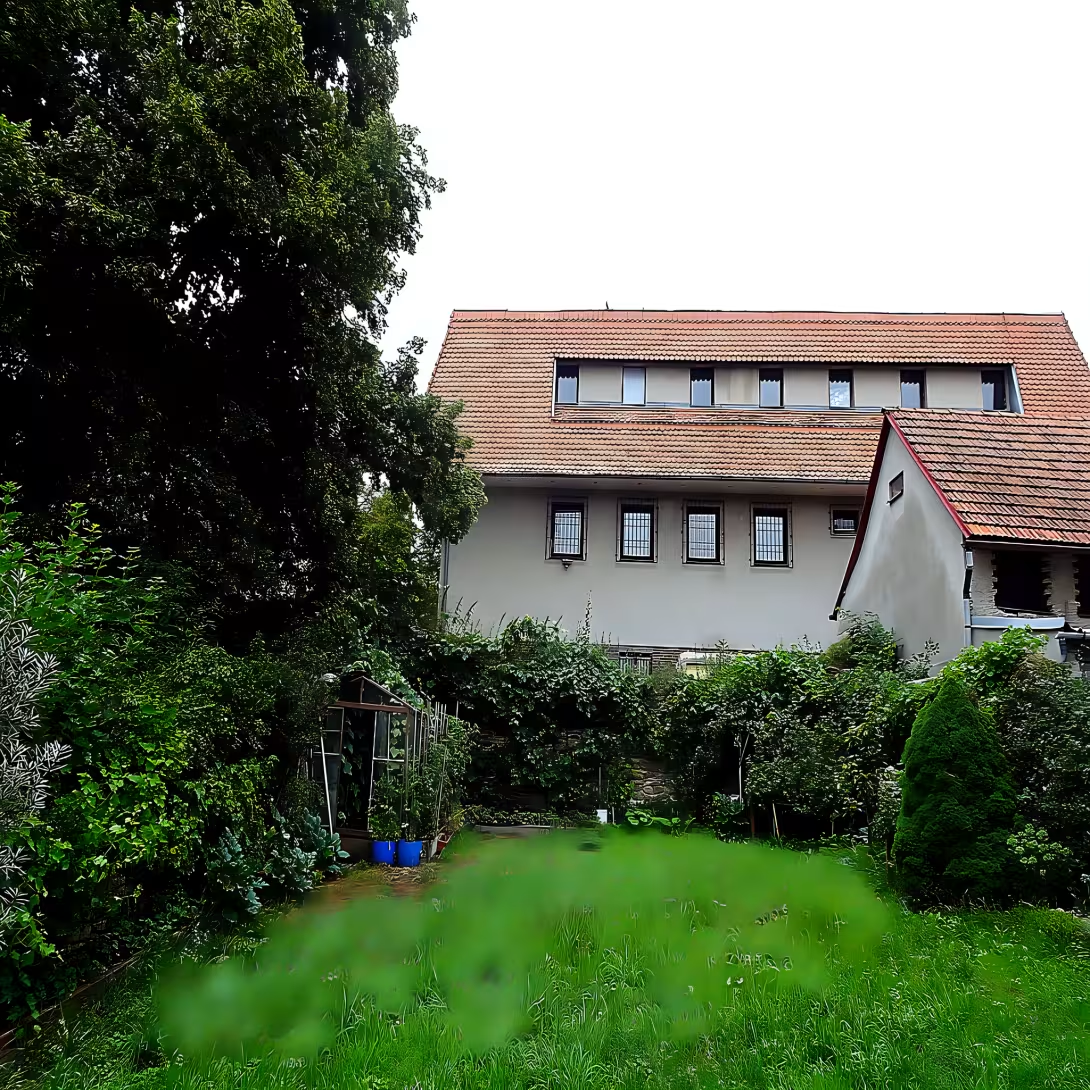
Zámek Trhový Štěpánov stands as a testament to the historical evolution of architecture and power dynamics in Central Europe. Located in the town of Trhový Štěpánov within the Středočeský kraj region, this site was originally established as a fortress at the beginning of the 14th century. Over time, it underwent significant transformations, most notably into a Baroque-style chateau by Ignaz Bohumir of Houssoun in the late 17th century. Despite its eventual destruction by fire in 1741 and subsequent dismantling for building materials, remnants such as parts of the surrounding walls and an entrance stone from 1668 have been preserved, marking it as a cultural monument since 1988.
The origins of Zámek Trhový Štěpánov are rooted in the turbulent political and religious landscape of early 14th-century Bohemia. While specific details about its initial construction remain sparse, historical sources suggest that it may have been related to Tobias of Bechin, who served as a bishop during this period. The castle's significance grew when Konrad of Vechta converted to Hussitism in 1421, establishing the site as a regional center for the movement. This pivotal moment underscored its strategic and ideological importance during the Hussite Wars.
Architecturally, Zámek Trhový Štěpánov transitioned from a medieval fortress into a Baroque chateau under Ignaz Bohumir of Houssoun's ownership in 1664. Although specific architectural details are not extensively documented, this transformation reflects broader trends in European architecture during the period, characterized by ornate and elaborate designs.
The castle experienced numerous changes in ownership throughout its history, reflecting the shifting fortunes of its proprietors. After Konrad of Vechta's tenure, Nicholas Trčka of Lípa acquired it in 1436 following a gift from Emperor Sigismund after the defeat of the Hussites. Subsequent owners included Zdeněk Zrutecký of Chřenovice and Adam Budovec of Budova, among others. By 1596, financial difficulties led Peter Holicky of Sternberg to sell it due to debts. The castle eventually came into the possession of Ignaz Bohumir of Houssoun in 1664, who initiated its transformation into a chateau.
Key events at Zámek Trhový Štěpánov include Konrad of Vechta's conversion to Hussitism and the subsequent role of the castle as a regional hub for the movement. The Thirty Years' War also left its mark on the region, with widespread devastation affecting the local populace. However, the most defining moment came in 1741 when a devastating fire led to the chateau's destruction and dismantling.
Today, Zámek Trhový Štěpánov is recognized as a cultural monument, with its remnants offering a glimpse into its storied past. Visitors can view the preserved entrance stone from 1668, now incorporated into a building's facade, providing tangible links to its historical significance. Despite the loss of much of its original structure, the site remains an important cultural and historical landmark.
Zámek Trhový Štěpánov invites visitors to explore its rich history and appreciate its role in shaping regional narratives. Its preserved elements serve as a reminder of the complex interplay between architecture, politics, and religion throughout Central European history. For those interested in delving into this fascinating past, a visit to Zámek Trhový Štěpánov offers an opportunity to connect with the legacy of a site that has witnessed centuries of change.
Then and now
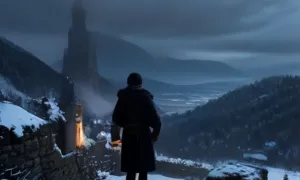
Drag the slider to compare how the landmark may have looked when it was built with the view today.
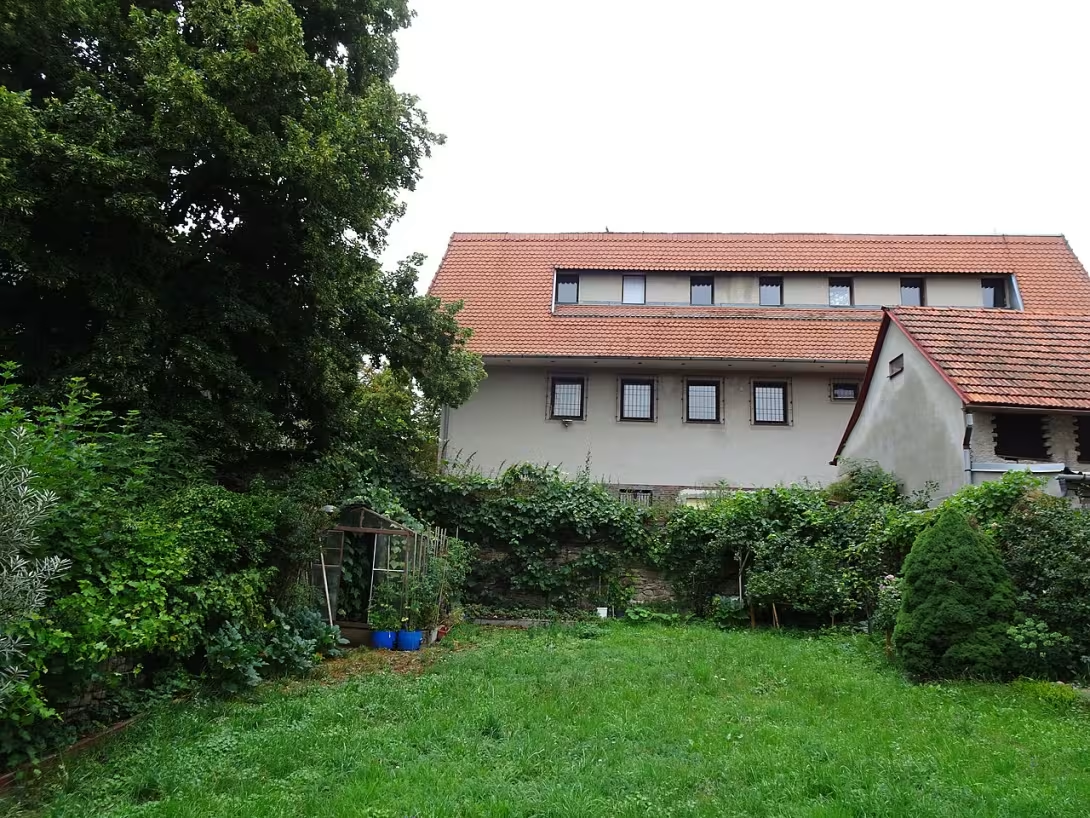
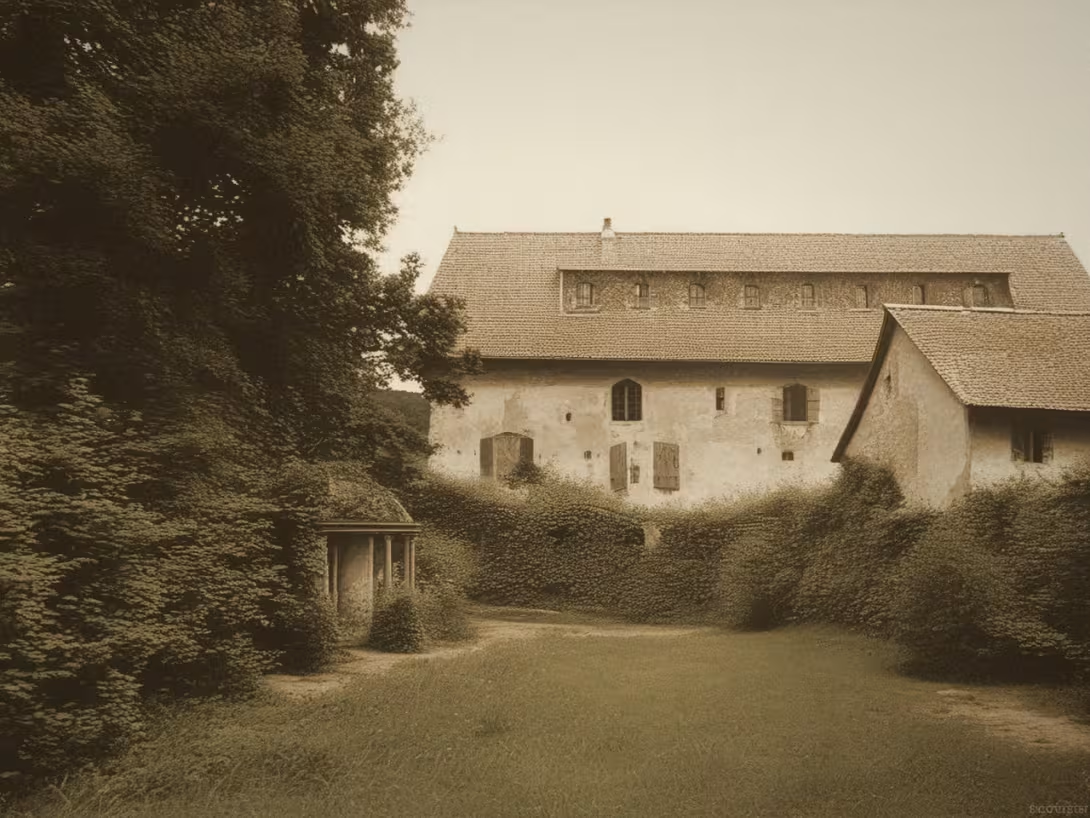
The historical appearance on the left is an AI-generated visualisation and serves as inspiration only.
Historical milestones
- 1421
- Konrad of Vechta converted to Hussitism and established the castle as a regional center.
- 1436
- Emperor Sigismund gifted the castle to Nicholas Trčka of Lípa after the defeat of the Hussites.
- 1741
- A fire destroyed the chateau, leading to its dismantling.
Architectural development
The original fortress was transformed into a Baroque-style chateau by Ignaz Bohumir of Houssoun in the late 17th century. The transformation included significant architectural changes, although specific details about materials or style are not documented. After its destruction in 1741, no reconstruction efforts were made.
Historical events
1421: Konrad of Vechta converted to Hussitism, making the castle a regional center for the movement.
1436: Emperor Sigismund gifted the castle to Nicholas Trčka of Lípa after the defeat of the Hussites.
1741: A devastating fire led to the chateau's destruction and subsequent dismantling.
Owners
14th century: Possibly related to Tobias of Bechin
1421: Konrad of Vechta
1436: Nicholas Trčka of Lípa
Post-1436: Various owners including Zdeněk Zrutecký, Malovcům z Malovic, Adam Budovec, Albrecht Novohradsky
1596: Sold to Peter Holicky of Sternberg due to debts
Post-Holicky: Anna Holická von Donín
1664: Purchased by Ignaz Bohumir of Houssoun
1687: Owned by Countess Franziska Benigna von Weissenwolf
Points of interest
- Despite its destruction by fire in 1741, the entrance stone from 1668 has been preserved and is now part of a building's facade, serving as a tangible link to the chateau's historical significance.
- Zámek Trhový Štěpánov played a pivotal role during the Hussite Wars when Konrad of Vechta converted to Hussitism in 1421, establishing it as a regional hub for this religious movement.
- The castle experienced numerous changes in ownership that mirrored the shifting political and economic landscapes of its time. For instance, Nicholas Trčka of Lípa acquired it from Emperor Sigismund after the defeat of the Hussites.
- Architecturally, Zámek Trhový Štěpánov transitioned from a medieval fortress to a Baroque chateau under Ignaz Bohumir of Houssoun's ownership in 1664, reflecting broader European architectural trends toward ornate and elaborate designs during that period.
- Although specific details about its initial construction are sparse, the origins of Zámek Trhový Štěpánov may be linked to Tobias of Bechin, a bishop in early 14th-century Bohemia, highlighting its roots in a turbulent political and religious landscape.
Guide
This guide is narrated by a synthetic voice generated by artificial intelligence.
Show guide text
This text was created by artificial intelligence and has not been editorially reviewed. It may contain inaccuracies.
In Trchové Štěpánové in the Benešov district, there stood a residence that transformed from a medieval castle into a Baroque chateau. Today, very little remains of it. It was located approximately where the street V Zámku runs today, and it was destroyed in a fire in seventeen forty-one.
The castle was most likely founded at the beginning of the fourteenth century. However, it is possible that it is already mentioned in connection with the fortification of the local church from the time of Bishop Tobiáš z Bechyně, who held office between twelve seventy-eight and twelve ninety-six.
The castle played a significant role during the Hussite period. On April twenty-first, fourteen twenty-one, Archbishop Konrád z Vechty converted to Hussitism and the Štěpánov castle became his center in the region. After the defeat of the Hussites, in fourteen thirty-six, Emperor Sigismund donated the castle to Mikuláš Trčka z Lípy.
After that, the owners changed frequently. The castle belonged to Zdeněk Zrucký z Chřenovic, the Malovs from Malovic, Adam Budovec z Budova, and Albrecht Novohrádský z Kolovrat. During the reign of Emperor Rudolf the Second, it was purchased by townspeople. However, in fifteen ninety-six, they had to sell it due to debts to Petr Holický ze Šternberka. After him, the castle was owned by Anna Holická z Donína. During the Thirty Years' War, armies ravaged the entire region and the town was also struck by plague, misery, and famine.
In sixteen sixty-four, knight Ignác Bohumír z Houssonu bought the estate from Jiří Holický ze Šternberka and had the castle rebuilt as a chateau. In sixteen eighty-seven, the chateau passed into the ownership of Countess Františka Benigny z Weissenwolfu. Through her granddaughter Marie Josefa, Štěpánov came to the Auerspergs, who held the town until eighteen forty-eight.
The chateau was destroyed in a fire in seventeen forty-one. No one rebuilt it and the inhabitants dismantled its ruins as building material. The area was later subdivided and the remains were damaged by the construction of a shopping center. Only parts of the perimeter walls and a stone from the castle gate from sixteen sixty-eight survived, which is today built into the facade of house number twenty-six. The remains of the castle have been protected as a cultural monument since nineteen eighty-eight.
Frequently asked questions
Can the monument be visited?
This is a ruin. Such sites are often freely accessible, but some can only be visited with a guide or are closed for safety reasons. We have not verified the current situation – take care and respect any restrictions.
Where is the monument?
Location: Trhový Štěpánov, Středočeský kraj. The map on this page shows the exact spot.
Why is the monument protected?
It is listed in the Central List of Cultural Monuments of the Czech Republic as a cultural monument (register no. 50767/2-3966).
Businesses nearby
Do you run a restaurant, accommodation, shop, museum, rental, wellness or other visitor service near this monument? Show yourself directly to the people heading to it — this is how they will see you in the app and on the web:
Accommodation nearby
Themed route
Thematic Vlog Tour: Trhový Štěpánov Castle and Surroundings
1. Trhový Štěpánov Castle
Type: Historical Castle
Why Visit: Begin your journey at the heart of this tour, the majestic Trhový Štěpánov Castle. This Renaissance gem offers a glimpse into Czech history with its stunning architecture and well-preserved interiors. Explore the castle's grand halls and enjoy panoramic views from its towers.
2. Trhový Štěpánov Church
Type: Historical Church
Why Visit: A short walk from the castle, visit this beautiful church that complements the historical ambiance of Trhový Štěpánov. The church is renowned for its architectural beauty and serene atmosphere, making it a perfect spot to reflect on the region's rich cultural heritage.
3. Castle Park
Type: Historical Garden
Why Visit: Stroll through the lush Castle Park surrounding Trhový Štěpánov Castle. The park is an ideal place for relaxation and offers picturesque landscapes that enhance the castle’s charm. It's a perfect spot to capture scenic photos or enjoy a peaceful walk amidst nature.
4. Local Artisan Shops
Type: Cultural Experience
Why Visit: Explore the charming artisan shops in Trhový Štěpánov, where you can find unique local crafts and souvenirs. These shops offer a taste of the region's vibrant culture and provide an opportunity to support local artisans.
5. Historical Town Center
Type: Cultural Walk
Why Visit: Conclude your tour with a leisurely walk through Trhový Štěpánov’s historical town center. The area is filled with quaint buildings and cobblestone streets that tell stories of the past, offering a delightful end to your thematic vlog journey.
This tour provides an immersive experience into the history and culture of Trhový Štěpánov, highlighting its most significant attractions within the immediate vicinity.
Seasonal recommendations
Spring: The spring season at Trhový Štěpánov Castle brings a rejuvenating atmosphere as nature awakens around the historic ruin. Visitors can enjoy the vibrant colors of blooming flowers and fresh greenery that envelop the castle grounds, providing a picturesque backdrop for exploration. This time of year is characterized by mild temperatures, making it ideal for leisurely walks through the surrounding landscape. However, be prepared for occasional showers as spring rains are common; wearing layers and carrying an umbrella can enhance your experience. Early mornings or late afternoons are recommended to avoid larger crowds that may gather during midday.
Summer: Summer at Trhový Štěpánov Castle offers a lively atmosphere with extended daylight hours, allowing for longer exploration of the site. The warm weather makes it perfect for outdoor activities and enjoying picnics in the castle's scenic surroundings. Comfortable walking shoes and light clothing are recommended due to the heat, along with plenty of water to stay hydrated throughout your visit.
Autumn: The autumn season transforms Trhový Štěpánov Castle into a stunning tapestry of reds, oranges, and yellows as deciduous trees change color. This period offers a serene and tranquil atmosphere, ideal for photography enthusiasts looking to capture the castle's beauty amidst fall foliage. While the weather is generally mild, it can be unpredictable with sudden temperature drops or rain showers; therefore, dressing in layers and carrying a waterproof jacket is advisable. The visitor numbers tend to decrease compared to summer, allowing for a more peaceful experience.
Winter: Winter at Trhový Štěpánov Castle provides a unique, almost mystical atmosphere as snow blankets the ruins, creating an enchanting scene reminiscent of fairy tales. The castle takes on a quiet charm during this season, with shorter daylight hours and potentially limited accessibility due to weather conditions. Visitors should dress warmly in layers, including thermal wear and insulated outerwear, and be prepared for icy paths that may require caution when exploring. While the site is less crowded, it's important to check ahead for any seasonal closures or reduced opening times during this period.
Visualizations and artistic views


The visualisations are generated by artificial intelligence and serve as inspiration.
Photos from the area
Real photos taken near the monument


Zdroj a licence jsou uvedeny u každého snímku.
Tips from visitors
No tips yet. Be the first!
Log in and add your tip.
Sources and literature
Photos: Global Fish / CC BY-SA 4.0, rozlišení zvýšeno umělou inteligencí — Wikimedia Commons. The author and licence also appear when you hover over the image.
Faktickým podkladem tohoto textu byl článek na Wikipedii, jehož autory jsou přispěvatelé Wikipedie. Článek je dostupný pod licencí CC BY-SA 4.0.
Location on the map





Příběhy a pověsti
Legendy, pověsti a příběhy spjaté s touto památkou
Fotografie návštěvníků
Zatím žádné fotografie. Buďte první, kdo přidá fotografii z návštěvy!
Log in a přidejte svou fotografii nebo hodnoťte.
Za ověřenou návštěvu v aplikaci získáte víc bodů — poznáme podle GPS, že jste na místě.
Reviews and comments