






zámek Uhříněves Chateau
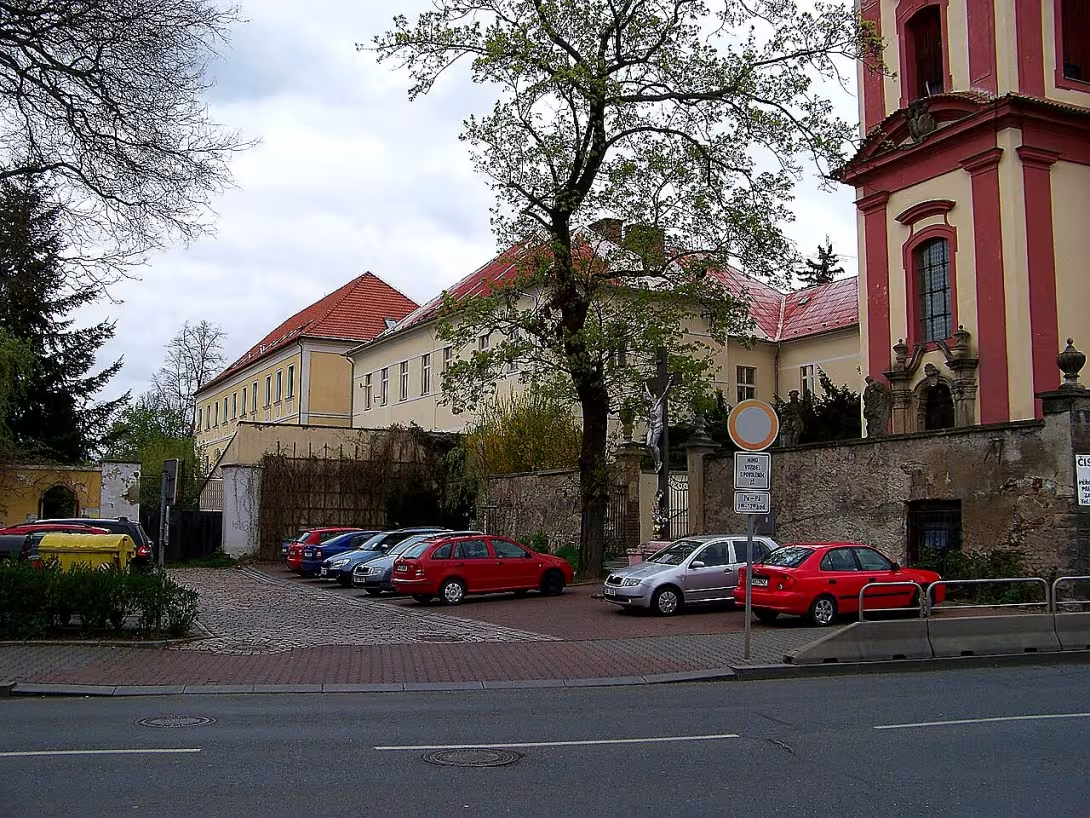
Zámek Uhříněves is a Renaissance monument located in the Prague district of the same name, known for its rectangular multi-story structure with a modest central risalit. Originally built by Jan Smiřický at the end of the 16th century, this chateau has undergone significant transformations over time. It stands out for its architectural evolution and historical importance within Bohemia during the Habsburg Monarchy.
The origins of Zámek Uhříněves date back to the late 16th century when Jan Smiřický commissioned its construction. This era was marked by political and religious changes in Bohemia, part of the broader European Renaissance that revived classical learning and arts, influencing architectural styles across Europe. The chateau's initial design reflected these Renaissance ideals, characterized by symmetry and proportion.
Architecturally, Zámek Uhříněves began as a Renaissance structure under Jan Smiřický’s vision. Its rectangular form with a central risalit exemplifies the era's aesthetic principles. After suffering damage during the Swedish invasion in 1639, it underwent significant redesigns. In 1711, Jan A. z Liechtensteina introduced Baroque elements to its architecture, enhancing its grandeur and complexity.
Ownership of Zámek Uhříněves has seen dramatic shifts throughout history. Constructed by Jan Smiřický, the chateau came under the Lichtenštejnové family's ownership in 1626. They maintained control until 1919 when, following the first land reforms, the estate was seized and later repurposed for educational purposes. The Školní statek Vysoké školy zemědělského a lesního inženýrství při ČVUT took over after 1919, utilizing it until its closure in 1953. Since then, the chateau has served as a research facility for the Institute of Animal Production.
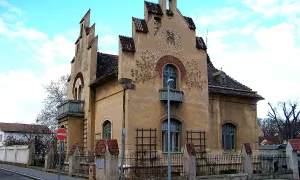
Key events at Zámek Uhříněves include its partial destruction by Swedish forces in 1639 and subsequent redesign in 1711. These incidents highlight the chateau's resilience and adaptability over time. Nearby stands a Neo-Baroque villa built in 1900 for Ferdinand Böhm, often mistaken for the chateau itself due to its proximity and architectural prominence.
Today, Zámek Uhříněves is not accessible to the public as it serves as a research facility. Despite this, its historical significance and architectural evolution make it an intriguing site worth exploring through nearby landmarks like the Neo-Baroque villa of Ferdinand Böhm. The area around the chateau offers a blend of cultural heritage and natural beauty, inviting visitors to appreciate the rich history embedded in its surroundings.
Zámek Uhříněves remains a testament to the dynamic history of Bohemia, reflecting both the artistic influences of the Renaissance and Baroque periods and the socio-political changes over centuries. Its enduring legacy invites those interested in architectural history and cultural heritage to explore the broader historical context it represents.
Then and now
Drag the slider to compare how the landmark may have looked when it was built with the view today.
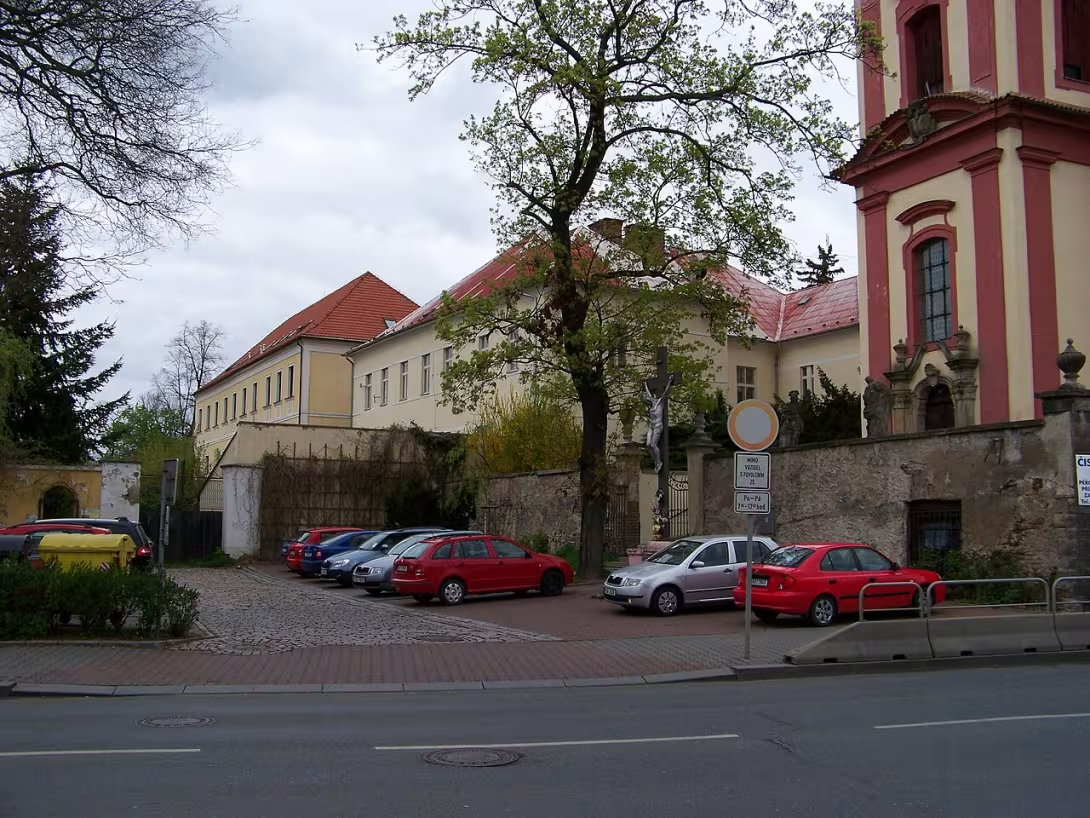
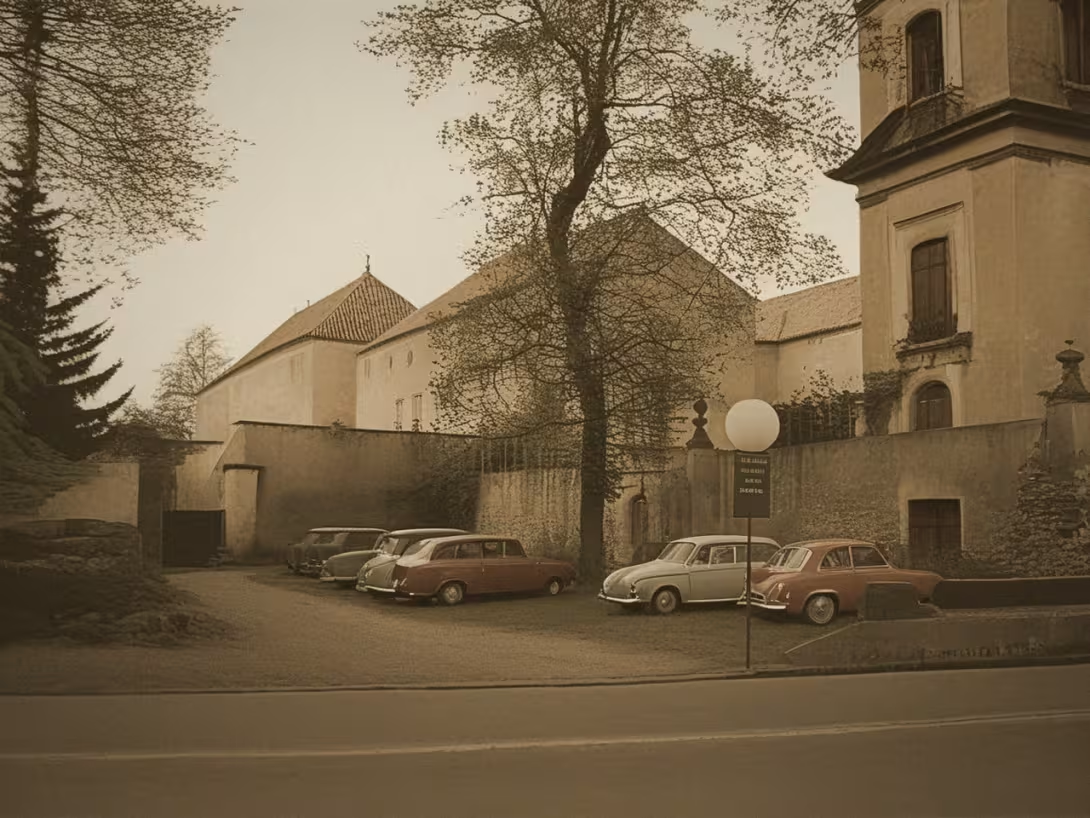
The historical appearance on the left is an AI-generated visualisation and serves as inspiration only.
Historical milestones
- 1590
- Zámek Uhříněves byl postaven Janem Smiřickým.
- 1639
- Zámek byl částečně zničen švédskou invazí.
- 1711
- Jan A. z Liechtensteina přidali barokní prvky do architektury zámku.
- 1626
- Zámek přešel pod vlastnictví rodiny Lichtenštejnové.
- 1919
- Po prvním zemědělském reformním zákonu byl zámek národně prohlášen za majetek státu.
Architectural development
The original Renaissance structure was built by Jan Smiřický and later redesigned by Jan A. z Liechtensteina, incorporating Baroque elements. The chateau has served various functions over the centuries, transitioning from a noble residence to an educational facility and finally to a research institute.
Historical events
Built by Jan Smiřický at the end of the 16th century.
Damaged by Swedish forces in 1639.
Redesigned by Jan A. z Liechtensteina in 1711.
Owners
Jan Smiřický (end of 16th century)
Lichtenštejnové (from 1626 until 1919)
Školní statek Vysoké školy zemědělského a lesního inženýrství při ČVUT (after 1919)
Výzkumný ústav živočišné výroby (since 1953)
Points of interest
- Zámek Uhříněves is a Renaissance monument located in the Prague district of the same name. - Originally built by Jan Smiřický at the end of the 16th century, it has undergone significant transformations over time. - The chateau was partially destroyed during the Swedish invasion in 1639 and later redesigned with Baroque elements introduced by Jan A. z Liechtensteina in 1711. - Ownership shifted dramatically throughout history, eventually being repurposed for educational purposes after 1919 and serving as a research facility since then. - Despite not being accessible to the public, its historical significance and architectural evolution make it an intriguing site worth exploring through nearby landmarks like the Neo-Baroque villa of Ferdinand Böhm.
Guide
This guide is narrated by a synthetic voice generated by artificial intelligence.
Show guide text
This text was created by artificial intelligence and has not been editorially reviewed. It may contain inaccuracies.
Uhříněves Castle is a Renaissance building in the Prague district of the same name. It is a rectangular multi-story structure with an inconspicuous central risalit. To the north of it are adjoining utility buildings.
The origins of the castle date back to the end of the sixteenth century. It was then that Jan Smiřický built a manor house here, which still forms the core of the castle building today. From sixteen twenty-six, the estate with the castle belonged to the Liechtenstein family. In sixteen thirty-nine, the castle was burned by the Swedes. It was given its present appearance in seventeen eleven by Jan z Liechtensteina.
The Liechtensteins resided here until nineteen nineteen. During the first land reform, the large estate of Uhříněves was confiscated from Jan Druhý z Lichtenštejna, along with numerous other estates. The estate also included the villages of Škvorec and Zděbrady u Říčan. The estate was then rented out and was eventually purchased by the School of Agricultural and Forestry Engineering at the Czech Technical University in Prague. Its School Estate was established here. Its extensions in Uhříněves and in Netlukách were designed by architect Theodor Petřík.
In nineteen fifty-three, the School Estate was dissolved. The Research Institute of Animal Production from Prague-Dejvice then moved into the castle grounds. The Institute was established in nineteen fifty-one and continues to use the grounds today.
Not far from the castle, on Rozdělená Street, stands a neo-Baroque villa with a garden. Ferdinand Böhm, the chief administrator of Jan Druhý z Lichtenštejna, had it built for himself in nineteen hundred. Böhm was, among other things, a knight of the Austrian Order of Francis Joseph and a commander of the Portuguese Order of the Virgin Mary of Villa Viçosy. The villa was designed for him by architect František Hošek. In nineteen ten, it was expanded according to a design by architect Alois Jenšovský. Böhm lived there until nineteen eighteen. In the nineteen eighties, it served as a home for mothers with children, and today it houses the hotel Na Zámečku. People often confuse this villa with Uhříněves Castle on postcards.
Tips for visitors
The best time to visit Zámek Uhříněves is during the late spring or early autumn months, when the weather is pleasant for exploring both the chateau grounds and the surrounding natural landscapes. During these seasons, you can enjoy outdoor activities without the summer crowds or winter chill. The park around the chateau is particularly beautiful in bloom during May and June, offering a picturesque setting for your visit.
When visiting Zámek Uhříněves, consider bringing comfortable walking shoes as there are several areas of the chateau grounds and park to explore on foot. A camera is recommended to capture the stunning architecture and serene landscapes. Don't forget to bring water and some snacks, especially if you plan to spend a significant amount of time exploring or enjoying outdoor activities.
For photography enthusiasts, the best spots for capturing Zámek Uhříněves are from the main entrance where the chateau's Renaissance architecture is prominently displayed, and within the park grounds during golden hour (shortly after sunrise or before sunset) when the light is soft and warm. The Neo-Baroque villa of Ferdinand Böhm nearby also offers a beautiful backdrop for photos.
Nearby attractions within 30 minutes include other historical sites such as the Neo-Baroque villa of Ferdinand Böhm, offering insight into different architectural styles and periods. For those interested in nature, the surrounding landscapes provide opportunities for hiking or simply enjoying the outdoors. These nearby sites complement your visit to Zámek Uhříněves by providing a broader context of the area's cultural and natural heritage.
Families with children will find Zámek Uhříněves an enjoyable outing, as there are plenty of open spaces for kids to run around in. The park is ideal for picnics or leisurely walks. While exploring the chateau itself might be more appealing to adults due to its historical significance, the surrounding area offers activities that can engage children, making it a family-friendly destination.
Frequently asked questions
Can the monument be visited?
Some buildings of this kind are open for guided tours, others serve another purpose or are privately owned. We have not verified whether and when this monument is open – please ask the operator.
What are the opening hours and admission?
We have not verified the opening hours or admission. Current information is published by the operator.
Where is the monument?
Location: Uhříněves, Hlavní město Praha. The map on this page shows the exact spot.
Businesses nearby
Do you run a restaurant, accommodation, shop, museum, rental, wellness or other visitor service near this monument? Show yourself directly to the people heading to it — this is how they will see you in the app and on the web:
Events nearby
Zdroj akcí: otevřená data měst a obcí ČR (Národní katalog otevřených dat) a kalendář akcí Národního památkového ústavu.
Nearby
The area around Zámek Uhříněves features natural landscapes and is within proximity to other historical sites such as the Neo-Baroque villa of Ferdinand Böhm. The region offers a blend of cultural heritage and natural beauty.
Accommodation nearby
Trips and activities nearby
Guided tours, tickets and activities nearby from GetYourGuide
Affiliate link: if you buy from the partner, we may receive a commission. The price for you does not change.
Search tours and activities →Themed route
Uhříněves Castle Tour
This 4-point tour takes you through the charming village of Uhříněves and its surroundings, showcasing a mix of cultural heritage and natural beauty.
1. Uhříněves Chateau (chateau, must-see) - The main attraction of the tour, this 18th-century chateau features a unique blend of Baroque and Rococo styles and offers a glimpse into the region's rich history. 2. Villa Ferdinand Böhm (villa, must-see) - Located nearby, this stunning Neo-Baroque villa is a masterpiece of its time, boasting intricate architecture and beautiful gardens. 3. Uhříněves Village Square (village square, worth a visit) - The picturesque village square is a great place to soak up the local atmosphere, with its charming buildings and lively atmosphere. 4. Uhříněves Park (park, worth a visit) - A tranquil oasis in the heart of the village, the park offers a peaceful escape from the hustle and bustle of city life.
Seasonal recommendations
Jaro
Spring is the perfect time to visit Uhříněves Chateau because nature around it begins to bloom and the green grove in front of the chateau transforms into a colorful paradise. The atmosphere is quiet and peaceful, ideal for exploring the chateau and its gardens. We recommend visiting the chateau in early April or May when the weather is sunny and warm but not too hot.
Léto
During the main summer season, Uhříněves Chateau is very popular, so we suggest visiting it early in the morning or late afternoon to avoid crowds. The atmosphere is a bit busier than in winter, but you can still explore the chateau and its gardens in peace. Summer is also an ideal time for walks around the chateau area and exploring nearby forests and ponds.
Podzim
In autumn, Uhříněves Chateau is surrounded by the beautiful colors of falling leaves, creating a calm and quiet atmosphere. We recommend visiting the chateau in late October or November when the weather is cold but you can still explore the chateau and its gardens peacefully.
Zima
Winter is a quiet and peaceful season when Uhříněves Chateau is almost empty. The atmosphere is calm and serene, ideal for exploring the chateau and its gardens.
Visualizations and artistic views


The visualisations are generated by artificial intelligence and serve as inspiration.
Photos from the area
Real photos taken near the monument


Zdroj a licence jsou uvedeny u každého snímku.
Atmosphere of the place
This atmospheric visualisation of the place and period was generated by artificial intelligence. It is not real footage of the location.
Tips from visitors
No tips yet. Be the first!
Log in and add your tip.
Sources and literature
Photos: ŠJů / CC BY-SA 3.0 — Wikimedia Commons. The author and licence also appear when you hover over the image.
Faktickým podkladem tohoto textu byl článek na Wikipedii, jehož autory jsou přispěvatelé Wikipedie. Článek je dostupný pod licencí CC BY-SA 4.0.
Location on the map


Fotografie návštěvníků
Zatím žádné fotografie. Buďte první, kdo přidá fotografii z návštěvy!
Log in a přidejte svou fotografii nebo hodnoťte.
Za ověřenou návštěvu v aplikaci získáte víc bodů — poznáme podle GPS, že jste na místě.
Reviews and comments