



Zámek Újezd Chateau
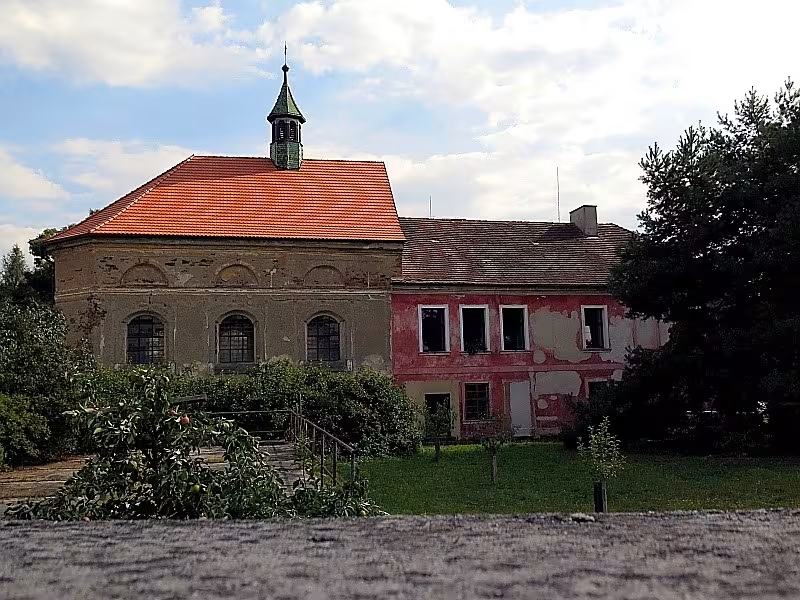
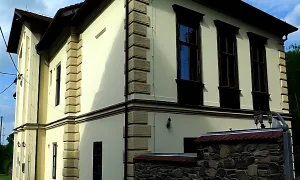
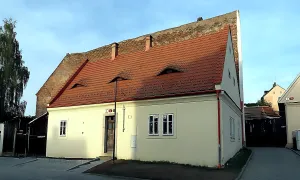
Zámek Újezd is a historical monument in the village Újedd u Horšic, in the Pilsen Region of the Czech Republic. This Renaissance chateau was constructed at the end of the 16th century by Jan Boreň Říčanský on the site of the older fortress, later modified and extended to Baroque style in the early 18th century. The farm is remarkable for its cultural importance, as it includes a chapel dedicated to Saint Anne, which makes it a protected cultural monument in the Czech Republic.
The origin of Zámek Újezd dates back to when the Czechs were part of the Habsburg monarchy and experienced religious tension between Catholics and Protestants. The original construction on this site was the fortress mentioned for the first time in 1513, which had undergone several changes of ownership before Jan Boreň Říčanský acquired it. He demolished the existing wooden fortress to build a Renaissance chateau with two wings. This transformation marked its historic journey as an important legacy.
Architecturally, Zámek Újezd shows a mixture of styles due to its evolution in time. The original Renaissance design Jan Boreň Říčanský represented a single-storey structure with distinctive vaulted floor rooms. Later, under the ownership of Václav z Klenového in the early 18th century, the chateau underwent baroque modifications, which introduced new elements such as the chapel of Saint Anne. This chapel is behind its elongated plan and polygonal closure, with a five-sided sacristy attached to its axis. The interior boasts frescoes of Franz Julius Lux showing scenes from the life of Saint Anne and the Virgin Mary, alongside elements of Rococo such as altar, pulpit, confessional and bench.
The ownership of Zámek Újezd has seen many remarkable characters throughout history. After the death of Jan Boreň Říčanský in 1614, after a violent incident at the chateau involving Václav the elder Příchov and Wilhelm Broum of Miřenka, his heirs sold parts of their property to settle debts. The property eventually passed through several hands, including Bedřich Švihovský from Rýzmberka, Judita Voršili Vorchynský, Jana Karli from Kokořov and later Václav z Klenového. In 1740, František Václav of Vrtby acquired the property and integrated it with his own shares.
During his history, Zámek Újezd was a silent witness to important events. The violent incident in 1614 is one of the few documented events that point to the stormy times during which the chateau existed. Despite these episodes, the estate continued to develop architecturally and culturally, reflecting wider European trends in art and architecture.
Today Zámek Újezd is proof of its rich history and architectural evolution. The estate includes not only the chateau, but also the remains of the park with a closing wall, agricultural buildings such as barns, stables and granaries. Visitors can view this cultural monument and appreciate its historical importance and enjoy picturesque views typical of Plzeňský kraj.
Zámek Újezd offers a unique view of the past, mixing architectural styles and historical stories that make it a valuable destination for interested people in Czech history and culture. His preservation as a cultural monument ensures that future generations can continue to explore and appreciate his told heritage.
Then and now
Drag the slider to compare how the landmark may have looked when it was built with the view today.
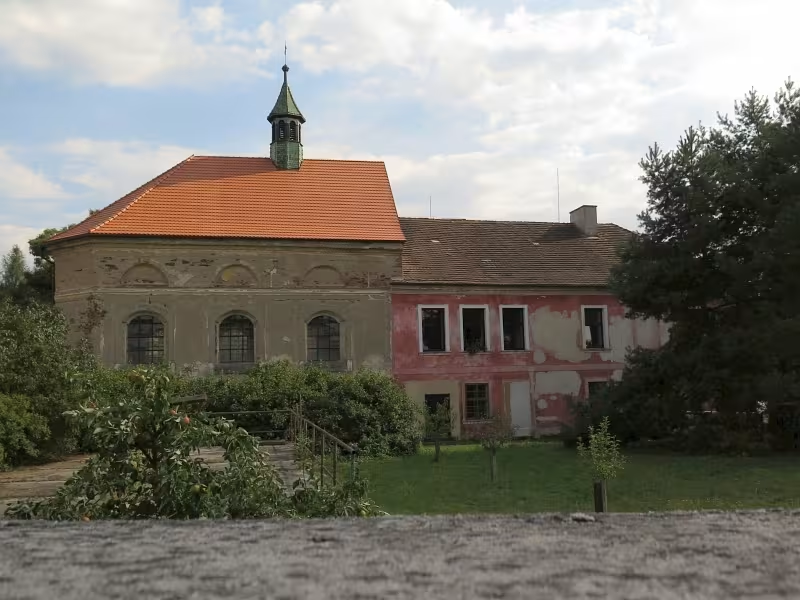
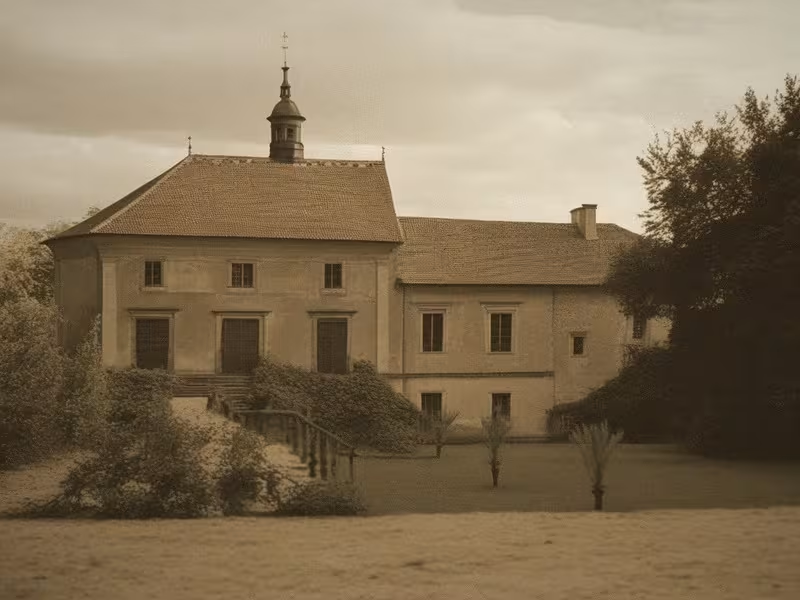
The historical appearance on the left is an AI-generated visualisation and serves as inspiration only.
Historical milestones
- 1513
- Order chateau equipment.
- End of the 16th Century
- Jan Boreň Říčanský built a Renaissance chateau.
- 1614
- A violent event based on Jan Boren's Roman.
- beginning of the 18th century
- The chateau is converted into baroque style.
- 1740
- František Václav of Vrtby acquired the property.
Architectural development
The original wooden fortress Újedd demolished Jan Boreň Říčanský, which built a Renaissance one-storey chateau with two wings. The baroque transformation took place within Václav z Klenového, where Saint Anne's Chapel was added as a dominant structure. The chapel represents frescoes and rococo elements from the mid-18th century.
Historical events
In 1572 Jan Boreň Říčanský acquired the Rock and integrated it with the Office.
The violent incident took place in 1614 at the chateau of Václav Elder Příchovský and Wilhelm Broum from Miřenka.
Owners
Jan Boreň Říčanský (late 16th century)
Bedřich Švihovský of Rýzmberka (1615)
Judita Voršila Vchynská (1628)
Jan Karli z Kokořov (1642)
Václav z Klenového (18th century)
František Václav z Vrtby (1740)
Points of interest
- Despite its transformation into the Renaissance castle Jan Boreň Říčanský, the original wooden fortress in Zámek Újezd was first documented in 1513, suggesting long-term strategic importance in the region.
- The violent incident in 1614 involving Václav the elder Příchov and Wilhelm Broum from Miřenka is one of the few recorded events that underlines intense religious and political tensions at a time when the Czechs were part of the Habsburg monarchy.
- The Zámek Újezd monastery dedicated to St. Anne, decorated with frescoes by František Julius Luxe, presents a rare artistic blend, where Renaissance architecture is complemented by baroque interior elements such as rococo altars and pulpits.
- The property history of the estate reflects the changing political landscape of Bohemia; remarkable figures such as Bedřich Švihovská of Rýzmberka and Judita Voršil Vorchynská played a role in his evolution, which illustrates how aristocratic dynamics of power affected property transactions during this time.
- Integration of Zámek Újezd into the farms of František Václav from Vrtby in 1740 underlines the practice of consolidation of property in order to strengthen the family influence and economic stability of Czech nobility.
Guide
This guide is narrated by a synthetic voice generated by artificial intelligence.
Show guide text
This text was created by artificial intelligence and has not been editorially reviewed. It may contain inaccuracies.
Újezd Castle is located in the village of the same name near Horšice in the Plzeň region. It was built at the end of the sixteenth century in Renaissance style on the site of an older fortress. In the first half of the eighteenth century it was remodeled in the Baroque style and expanded with a chapel of Saint Anne. The entire castle complex is protected as a cultural monument.
The original fortress is first mentioned in the year 1513. At that time, Kateřina z Újezda sold it together with the village to Jan Steblenc z Drahkova. His daughter Anna married Václav Chlumčanský z Přestavlk and brought Újezd to him as a dowry. Those were not peaceful times. In the year 1532 the fortress was visited by Jáchym Fremut ze Stropčic, who attacked Anna's son Jindřích on horseback and then wounded Anna herself. Her other son Jan added the estate of the abandoned castle Skála to Újezd.
Újezd was inherited by his older son Jan Boreň Říčanský, whom we consider to be the founder of today's castle. He was a traveler. He undertook and described eleven journeys, during which he visited numerous European countries. He had the wooden fortress torn down and in its place founded a single-story castle with two wings. Some of the ground-floor rooms have vaults with stone ribs.
In the year 1614 Václav starší Příchovský z Příchovic and Vilém Broum z Miřetic met at the castle. Václav physically attacked Vilém and historian August Sedláček assumes that Jan Boreň died as a result of this incident. He left six sons and many debts. The heirs therefore eventually sold the entire estate. After that the owners changed frequently. In the eighteenth century count Václav z Klenového purchased the estate and in the year 1740 František Václav z Vrtby married his daughter Marie Anna, and František Václav attached Újezd to the Žinkovský estate. In the second half of the twentieth century the building was used by a unified agricultural cooperative.
The Baroque remodeling took place under Václav z Klenového. The chapel of Saint Anne became the dominant feature of the castle at that time. It has a rectangular floor plan with a polygonal choir to which a five-sided sacristy is attached. Frescoes depicting scenes from the life of Saint Anne and the Virgin Mary were created by František Julius Lux. He also painted the altar with illusionistic architecture. The mensa in front of the main altar is Rococo, as are the pulpit, confessional, and benches. On the side painted altars hang contemporary paintings of Saint Agnes and Saint Sebastian in original Rococo frames.
The complex also includes the remains of a park with a perimeter wall, two barns, a storage building, and a granary.
Tips for visitors
The best time to visit Zámek Újezd is at the end of spring or early autumn months when the weather is mild and pleasant to explore the surroundings of the estate. During these seasons, you can enjoy the picturesque views of the park remains and agricultural buildings without the discomfort of summer heat or winter winter. In addition, visits to shoulder seasons often mean fewer crowds, allowing a more peaceful experience.
Parking on Zámek Újezd is generally comfortable, with several places available near the estate. For those who prefer public transport, it is appropriate to check normal bus routes and timetables as they can provide access to the surrounding areas. The Újedd village is accessible by car or bus from the larger cities of the Pilsen Region, making it a viable daily journey.
When planning your visit, consider bringing comfortable walking shoes to explore the estate and its park remains. The camera is recommended to scan picturesque views typical of Plzeňský kraj. Since specific opening times are not listed here, it is wise to check in advance on the official website or contact local tourist information centres.
For photographic enthusiasts, some of the best places around Zámek Újezd include areas where you can capture the manor against the background of agricultural buildings and park residues. Early morning or late afternoon light often provides a soft glow that increases the natural beauty of the landscape. Families with children should realize that although there are no special attractions for children, open spaces around the estate offer sufficient space for exploration and play.
As far as nearby attractions within 30 minutes, visitors can explore other historical monuments or enjoy natural walks around the Pilsen region. The area is famous for its picturesque landscape, making it ideal for peaceful walks or cycling adventures.
Frequently asked questions
Can the monument be visited?
Yes. We verified the opening hours or admission on the official website (19. 9. 2026); you will find them in the visitor information on this page. Please double-check with the operator before you travel.
What are the opening hours and admission?
Details verified on the official website (19. 9. 2026) are listed in the visitor information on this page. Official website: https://zamekujezd.cz/
Where is the monument?
Location: Újezd č.p. 20, Horšice, Plzeňský kraj. The map on this page shows the exact spot.
Why is the monument protected?
It is listed in the Central List of Cultural Monuments of the Czech Republic as a cultural monument (register no. 23051/4-271).
For kids
Imagine you're a small count or a countess and you have the opportunity to uncover the secrets of the ancient chateau Újezd! It stands in a beautiful place in the village of Újezd near Horšice, where it is decorated as a magnificent jewel. Imagine entering this historic building and feeling the glorious past breathing over your shoulders.
Businesses nearby
Do you run a restaurant, accommodation, shop, museum, rental, wellness or other visitor service near this monument? Show yourself directly to the people heading to it — this is how they will see you in the app and on the web:
Events nearby

Zdroj akcí: otevřená data měst a obcí ČR (Národní katalog otevřených dat) a kalendář akcí Národního památkového ústavu.
Nearby
The building is surrounded by the remains of the park with a closure wall, as well as agricultural buildings including barn, stable, and granary. The area offers picturesque views typical of Plzeňský kraj.
Accommodation nearby
Trips and activities nearby
Guided tours, tickets and activities nearby from GetYourGuide
Affiliate link: if you buy from the partner, we may receive a commission. The price for you does not change.
Search tours and activities →Themed route
Zámek Újezd (main attractions)
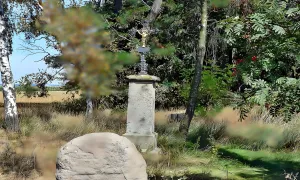
1. The fallen monument of World War I: worth a visit because it offers a unique view of history and symbolizes respect for the victims of war. Located near the chateau and provides a quiet place for rest.
2. Park with wall: worth a visit because it offers a beautiful scenery typical of Plzeňský kraj and allows you to discover a historical garden with its original closed system.
3. Stables and Barns: Worth a visit because they offer interesting views of historical agricultural buildings and allow tours of original buildings.
Seasonal recommendations
Spring: Spring is an ideal task based on Article Újezd, which is part of a project that is intended for green greenery and which is intended for actions and facilities. The atmosphere is peaceful and allowed, ideal for the projection of historical spaces and considered past. If we recommend that the spring procedure should be mentioned, as noted in the footnote, in order to avoid commitments in order to avoid a crowd of tourists who go to late management.
Summer: Summer is the main sector for the own resources of aid covered by this Decision and is intended for all other undertakings. We recommend running over the walls to avoid crowds and to see all the chateau spaces without waiting. At a time when there is also an ideal case for the park and the bogs where production machines and trees are located.
Autumn: Autumn is a beautiful season for its own support Újezd, where it is necessary to provide that you color shorter leaves and ensure that it is not in the year. He recommends that the law be introduced in the autumn trade, when it is open and that by late noon, they avoid the many tourists who go to the late. In case this ideal is for demonstration of parks and backgrounds, which are found in beautiful colours that are supported by instruments.
Winter: Winter is a peaceful zone for obtaining support that is not in the programme. It is recommended to visit the chateau in winter, where it is advisable to wear the pantry and shoes to avoid lubrication and dreaming. In case this ideal for the counterparts is the historic space of the chateau, which are beautiful and offer a peaceful atmosphere.
Visualizations and artistic views


The visualisations are generated by artificial intelligence and serve as inspiration.
Photos from the area
Real photos taken near the monument

Zdroj a licence jsou uvedeny u každého snímku.
Tips from visitors
No tips yet. Be the first!
Log in and add your tip.
Sources and literature
Photos: Sovicka169 / CC BY-SA 4.0 — Wikimedia Commons. The author and licence also appear when you hover over the image.
Faktickým podkladem tohoto textu byl článek na Wikipedii, jehož autory jsou přispěvatelé Wikipedie. Článek je dostupný pod licencí CC BY-SA 4.0.
Location on the map
More monuments – Újezd
Show all in the municipality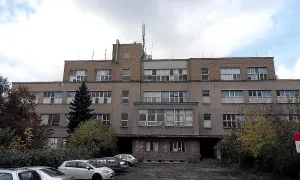

Příběhy a pověsti
Legendy, pověsti a příběhy spjaté s touto památkou
Fotografie návštěvníků
Zatím žádné fotografie. Buďte první, kdo přidá fotografii z návštěvy!
Log in a přidejte svou fotografii nebo hodnoťte.
Za ověřenou návštěvu v aplikaci získáte víc bodů — poznáme podle GPS, že jste na místě.
Reviews and comments