






Zámek Zásmuky Chateau
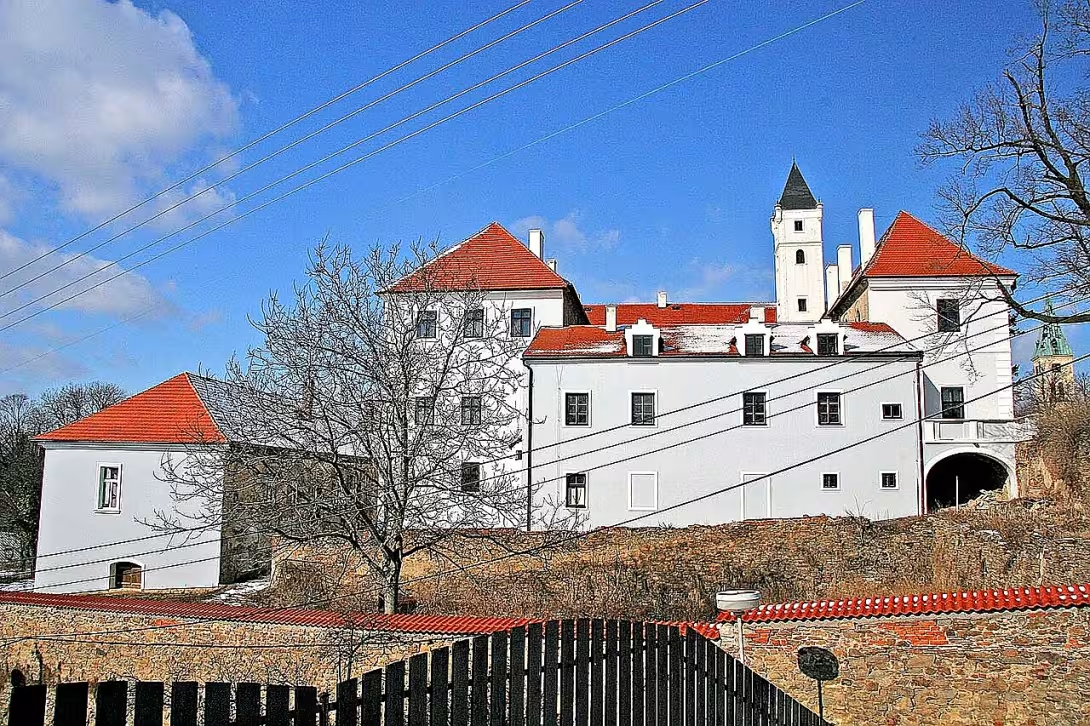
Zámek Zásmuky is a cultural monument located in Zámuka in the region Středočeský kraj Czech Republic. This early Baroque chateau from the 17th century is evidence of architectural and historical development over several centuries. Originally built as a fortress around 1350, it underwent numerous transformations reflecting changes in ownership and style. Today Zámek Zásmuky is remarkable for its rich history, diverse architectural elements and cultural importance.
The origin of Zámek Zásmuky dates back to the middle of the 14th century, when Ctibor ze Zásmuk probably built a fortress. This original structure served as a fortress until the mid-15th century, when the Zamucký family ceased ownership. The history of the chateau is marked by several transitions owned, starting with Adam z Říčan, which bought and initiated Renaissance renovation in 1533. These changes turned the fort into a two-story Renaissance palace with a square layout. However, financial difficulties led to the acquisition of Jan Vchynský z Vchynic at the public auction in 1583. Thirty years ago, "The war brought destruction to the chateau in the early 17th century, which led to further ownership changes and possible baroque adjustments of Jaroslav Rudolf ze Šternberka in 1637.
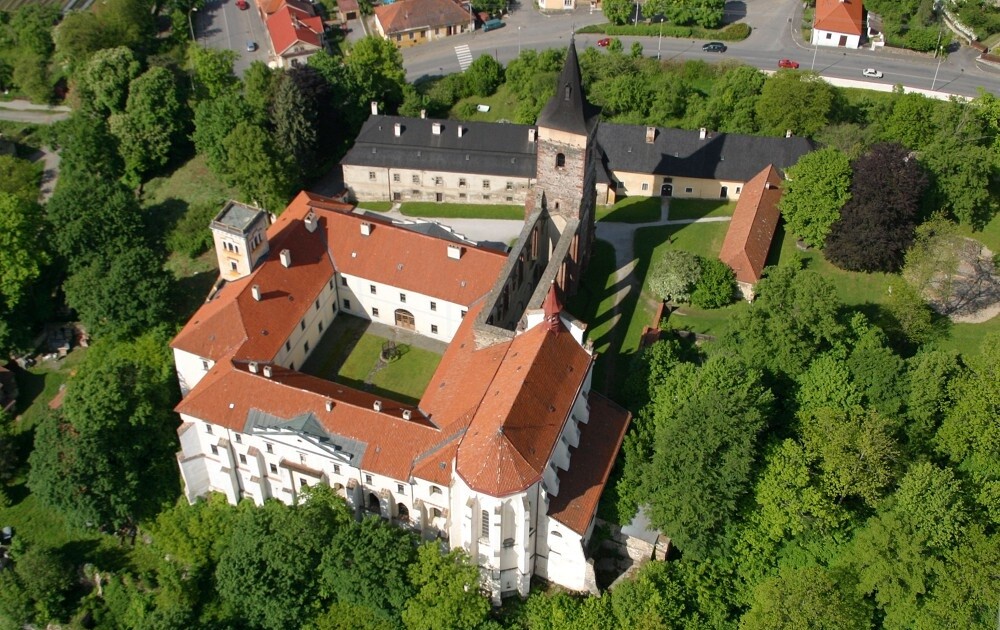
Architectural, Zámek Zásmuky shows a mixture of styles thanks to its varied history. The main building has preserved Renaissance beam ceilings from the renovation of the mid-16th century. At the end of the 17th century, under the castle Adolf Vratislav ze Šternberka, the chateau underwent significant baroque modifications. These included the addition of a park and new economic buildings with a tower and an entrance gate on the northeast side. In the early 20th century, Leopold Albert ze Šternberka's modernisation efforts further improved its architectural complexity.
During his history Zámek Zásmuky saw many owners who influenced his wealth. After the acquisition of Jaroslav Rudolf ze Šternberka in 1637 the chateau remained with the family of Šternberk until the beginning of the 20th century. During World War II, dramatic changes occurred when he served as a military archive of the SS from 1943 to 1945. In the postwar years, the Red Army used it and later transformed into storage facilities of the Czechoslovak army in 1959, leading to significant damage. The reconstruction efforts began in the early 1990s after the restitution of Franzac Diana Sternberg, continuing under her daughter Alexandra Hardegg.
Key events in Zámek Zásmuky include its destruction during the Thirty Years War and its use as a military archive during World War II. In 1982, the chateau was also partially destroyed by fire. Despite these challenges, she retained important architectural elements such as the well Giovanni Battista Alliprani and the chapel dedicated to St. Wenceslas.
Today Zámek Zásmuky is an accessible cultural monument for visitors who are interested in discovering historical and architectural wealth. The complex includes several buildings such as the main building, Old Chateau, New Chateau and decorative park with grotto. Visitors can appreciate preserved Renaissance ceilings, baroque modifications and chapel in the chateau area. Zámek Zásmuky offers a unique view of the past of the region, making it a valuable destination for people interested in history and architecture.
Zámek Zásmuky is more than a historical place; It's the story of resistance and transformation over the centuries. Its architectural diversity and its past make it an invaluable cultural treasure. Visitors are invited to explore this remarkable monument where echoes of his rich history continue to resonate in every corner.
Then and now
Drag the slider to compare how the landmark may have looked when it was built with the view today.
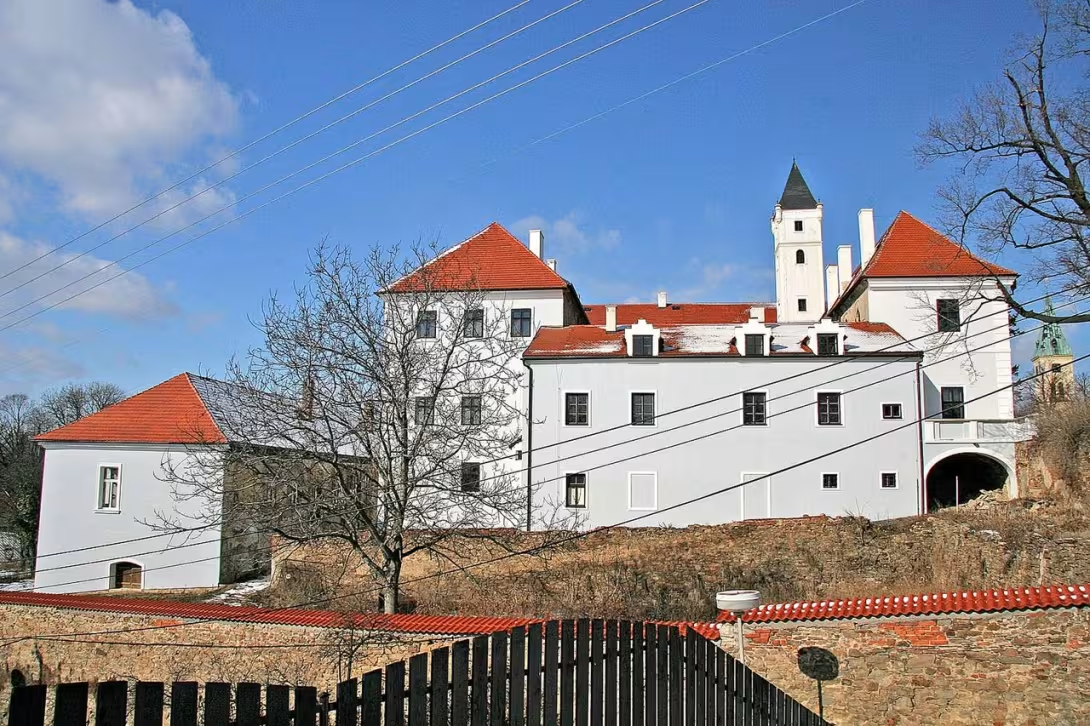
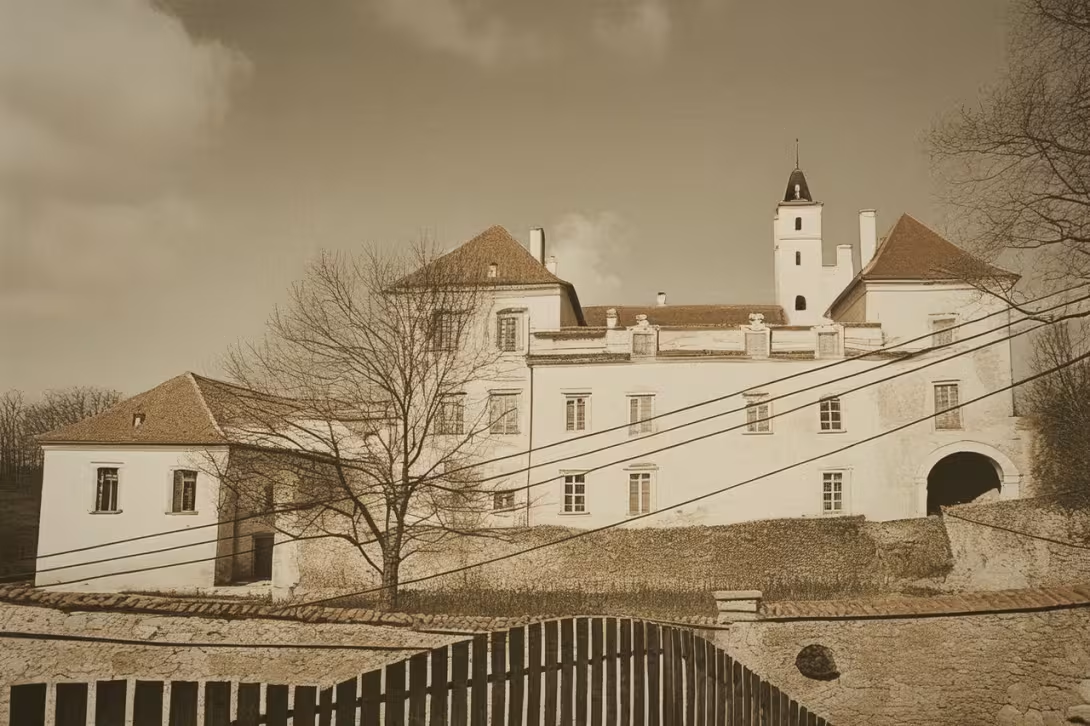
The historical appearance on the left is an AI-generated visualisation and serves as inspiration only.
Historical milestones
- 1350
- Construction of the original fortress.
- 1533
- Adam z Říčan bought and began Renaissance renovation.
- 1637
- Jaroslav Rudolf ze Šternberka won the chateau.
- 1653
- Baroque modifications initiated by Adolf Vratislav ze Šternberka.
Architectural development
Zámek Zásmuky began as a fortress around 1350 and later turned into a Renaissance palace in the mid-16th century. At the end of the 17th century, it underwent Baroque renovation, including the addition of a park and new economic buildings. Other modifications took place in the early 20th century under Leopold Albert ze Šternberka.
Historical events
In the middle of the 15th century, the family Zamucký stopped owning the chateau.
During the Thirty Years' War in the early 17th century, the chateau was destroyed.
From 1943 to 1945 she served as a military archive for the SS.
In 1982, part of the chateau burned down.
Owners
Adolf Vratislav from Šternberg (1653), Leopold Albert from Šternberg (1901-1908), Francisco Diane Sternberg (1992- present)
Points of interest
- Although the Zamucký family ceased ownership in the mid-15th century, their original construction laid the foundations for centuries of architectural development in Zámek Zásmuky.
- The conversion of the chateau into a Renaissance palace under Adam z Říčan was significant because it was one of the first major renovations that reflected changing tastes and influences in architecture during this period.
- During World War II Zámek Zásmuky served as a military archive for the SS an unexpected role, highlighting its strategic importance beyond mere architectural or cultural importance.
- Grotto in the chateau area is attributed to Giovanni Battista Alliprani, who shows the influence of Italian artists and styles on Czech Baroque architecture in the 17th century.
- Despite the fact that the Czechoslovak army was used at the end of the 20th century as a storage facility, which led to significant damage, Zámek Zásmuky retained its chapel dedicated to Saint Wenceslas, which preserved a key religious element from its historical past.
Guide
This guide is narrated by a synthetic voice generated by artificial intelligence.
Show guide text
This text was created by artificial intelligence and has not been editorially reviewed. It may contain inaccuracies.
Welcome to the historic Zámek Zásmuky, a remarkable cultural monument in the charming city of Zámuka in Středočeský kraj. If you're standing there, take a moment to absorb the size in front of you. The early Baroque chateau style dating back to the 17th century is immediately visible. His majestic presence tells stories of his conversion from the fortress to an architectural masterpiece over several centuries.
Let's immerse ourselves in its origins and historical context. Zámek Zásmuky was built around 1350 as an impressive fortress. This early structure laid the foundations for what would become an important site of architectural development. Fast forward to 1533, when Adam z Říčan won the chateau and initiated Renaissance renovation, he marked a major transformation in his history.
As you look at the complex, notice how it consists of several structures, including the main building known as the Old Chateau and the New Chateau. These elements reflect the architectural path from the medieval fortress to the refined Baroque estate. In 1637, Jaroslav Rudolf ze Šternberka took over ownership, further forming his heritage.
The reconstruction of the chateau continued under Adolf Vratislav ze Šternberka in 1653, which initiated significant baroque modifications. This period added layers of elegance and sophisticated complexity to the structure, increasing its aesthetic attraction.
Several key numbers are linked to the rich history of this site. In addition to Ctibor ze Zásmuk and Adam z Říčan, personalities like Zdislav ze Šternberka, Jan Vchynský z Vchynic, Jaroslav Rudolf ze Šternberka, Adolf Vratislav ze Šternberka and Leopold Albert ze Šternberka played key roles in their evolution. Each contributed to the history of the chateau and left its mark on this historical monument.
Let me share an interesting detail that might capture your interest: although the family of Zamucký ceased to own it in the mid-15th century, their original construction has laid a permanent foundation on Zámek Zásmuky for centuries of architectural development. This continuity of transformation underlines the continued importance of the chateau and its resistance over time.
At the end of our short tour, I urge you to explore further, discover more about this charming place and its past. Whether he roams the soil or imagines life in ancient times, there is much to discover in Zámek Zásmuky. Thank you for joining me on this trip to history. Enjoy your recon!
Tips for visitors
The best time to visit Zámek Zásmuky is at the end of spring or early autumn when the weather is pleasant, allowing you to fully enjoy the chateau garden and surrounding areas without summer crowds. During these seasons, the gardens are in full bloom, offering a picturesque background for your visit. In addition, a visit on weekdays can provide a calmer experience compared to weekends.
Parking and transport possibilities around Zámek Zásmuky include nearby parking, located near Komenský Square. There is also public transport with various routes connecting the city of Zámuka with larger cities in the Středočeský kraj region. It is advisable to check the current public transport plans and the availability online before your visit.
When visiting Zámek Zásmuky, it is recommended to bring comfortable walking shoes as you will probably explore both chateau grounds and surrounding areas such as garden and arch. The camera is necessary to capture early Baroque architecture and historical buildings. Do not forget your hat or sunscreen if you plan to spend your time outside during the sun days.
For lovers of photography are among the best places in the Zámek Zásmuky chateau garden, where natural light increases the beauty of the landscape, especially in the morning when shadows are longer and softer. Archway leading to the estate offers a unique perspective for the capture of historical architecture. Early morning or late afternoon provide the most flattering lighting conditions.
The nearby attractions within 30 minutes include various historical buildings such as stables and residential buildings that offer insight into the past area. Exploration of these can complement your visit Zámek Zásmuky by providing a wider understanding of local history. A small tank nearby is also worth visiting for a quiet walk or picnic.
Businesses nearby
Do you run a restaurant, accommodation, shop, museum, rental, wellness or other visitor service near this monument? Show yourself directly to the people heading to it — this is how they will see you in the app and on the web:
Events nearby
Zdroj akcí: otevřená data měst a obcí ČR (Národní katalog otevřených dat) a kalendář akcí Národního památkového ústavu.
Nearby
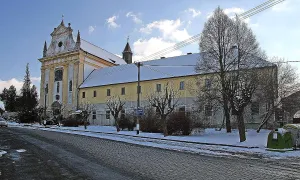
Zámek Zásmuky is located near the Comenius Square, with surrounding elements including the chateau garden and an arch leading to the estate. There is also a small tank and various historical buildings such as stables and residential buildings.
Accommodation nearby
Trips and activities nearby
Guided tours, tickets and activities nearby from GetYourGuide
Affiliate link: if you buy from the partner, we may receive a commission. The price for you does not change.
Search tours and activities →Themed route
Thematic cruise route Zámek Zásmuky
1. Zámek Zásmuky (lock) You will begin your journey at the secluded chateau, which is the center of the historical area. This baroque chateau with a rich architect and beautiful interiors attaches you to its impressive facade. It is ideal for those to be history and art because you need to gain insight into the lives of six 18. Century.
2. Zámuk park (park) More specifically, minutes can be found from the beginning of the Zámucký park, which is part of the areal. The park is known as elegant architecture and pastries adjustable orchards. It is an ideal place for relaxing on a natural background with beautiful paths that will lead you through the trees and to the dark midday on the surrounding landscape.
3. Static buildings (historical structure) Continue the site to the historic existing booth, which is located near the park. These buildings are an example of architects from the time, chy with the lock assets for running and managing property. They are particularly interesting to those who want to understand every day's biography on a large rural farm.
4. Arka (architectural element) The wall can't be combined without a projection sheet that leads to the lock. This elegant architectural element is worn functional but also beautiful and symbolizes the transition between the rural park and the peace of the chateau. It's an ideal place to photograph and enjoy history.
5. Small tank (water element) The final trace of your route is a small tank that is located in the locks. This has a large pond transferred quiet and quiet to the area and is an ideal place to relax or a short walk to the bike, which is white. Some of these products should be taken into account for use in the industry and depending on the conditions.
This route is next to the service complex on the historic chateau grounds, architecture and natural beauty.
Seasonal recommendations
Spring: The visit to the Chateau of Madness in spring offers a picturesque experience as the surrounding landscape blows into life with bright colours. Blossoming gardens and fresh greenery create a charming atmosphere, ideal for peaceful walks on the chateau grounds. As the daily hours extend, visitors can enjoy extended survey times, although it is wise to check the opening hours in advance due to potential variations. While spring is usually less crowded than summer, some weekends can see a slight increase in visitors, so arriving soon could provide a more peaceful experience. Clothes in layers are suitable because temperatures may vary between a cold wound and a warmer afternoon.
Summer: Summer at Záměcké chateau is marked by long daily hours and warm weather, making it an ideal time for outdoor activities and chateau tours. The lush gardens are particularly stunning during this season, with various flowers in full bloom. The peak of the tourist season however means that the chateau can be quite busy, especially on weekends and holidays. If you want to avoid large crowds and make a more pleasant visit, consider arriving early in the morning or later in the afternoon. Comfortable walking shoes and light clothes are recommended for comfortable sailing along the grounds along with sun protection such as hats and sunscreen.
Autumn: Autumn brings peaceful beauty to the Chateau of Madness with pulsating foliage which turns the landscape into a tapestry of red, orange and yellow. Colder temperatures allow pleasant walks around extensive gardens and chateau tracks. While the number of visitors tend to decrease compared to summer, it is still advisable to plan your visit on working days or early days to avoid any residual crowds. The layered clothing is recommended because the morning can be cold while the afternoon remains mild, which will ensure you comfort during your survey.
Winter: Winter at the Záměcka Chateau offers a unique charm with snow covered area and quiet atmosphere. Chateau architecture occupies a majestic appearance against a strong winter landscape. However, a visit in winter requires a few practical considerations: opening hours may be shortened due to shorter daylight and unfavourable weather conditions, so a forward check is necessary. To dress warmly in layers, including heat wear and watertight outer clothing, is crucial for comfort during your visit. While fewer visitors usually mean a more peaceful experience, it is important to remain informed of any closure or special winter arrangement of the chateau can have.
Visualizations and artistic views


The visualisations are generated by artificial intelligence and serve as inspiration.
Photos from the area
Real photos taken near the monument

Zdroj a licence jsou uvedeny u každého snímku.
Tips from visitors
No tips yet. Be the first!
Log in and add your tip.
Sources and literature
Fotografie: Prazak / CC BY 2.5 — Wikimedia Commons. The author and licence also appear when you hover over the image.
Faktickým podkladem tohoto textu byl článek na Wikipedii, jehož autory jsou přispěvatelé Wikipedie. Článek je dostupný pod licencí CC BY-SA 4.0.
Location on the map
Příběhy a pověsti
Legendy, pověsti a příběhy spjaté s touto památkou
Fotografie návštěvníků
Zatím žádné fotografie. Buďte první, kdo přidá fotografii z návštěvy!
Přihlaste se a přidejte svou fotografii nebo hodnoťte.
Za ověřenou návštěvu v aplikaci získáte víc bodů — poznáme podle GPS, že jste na místě.
Reviews and comments