






Františkánský klášter v Zásmukách Monastery
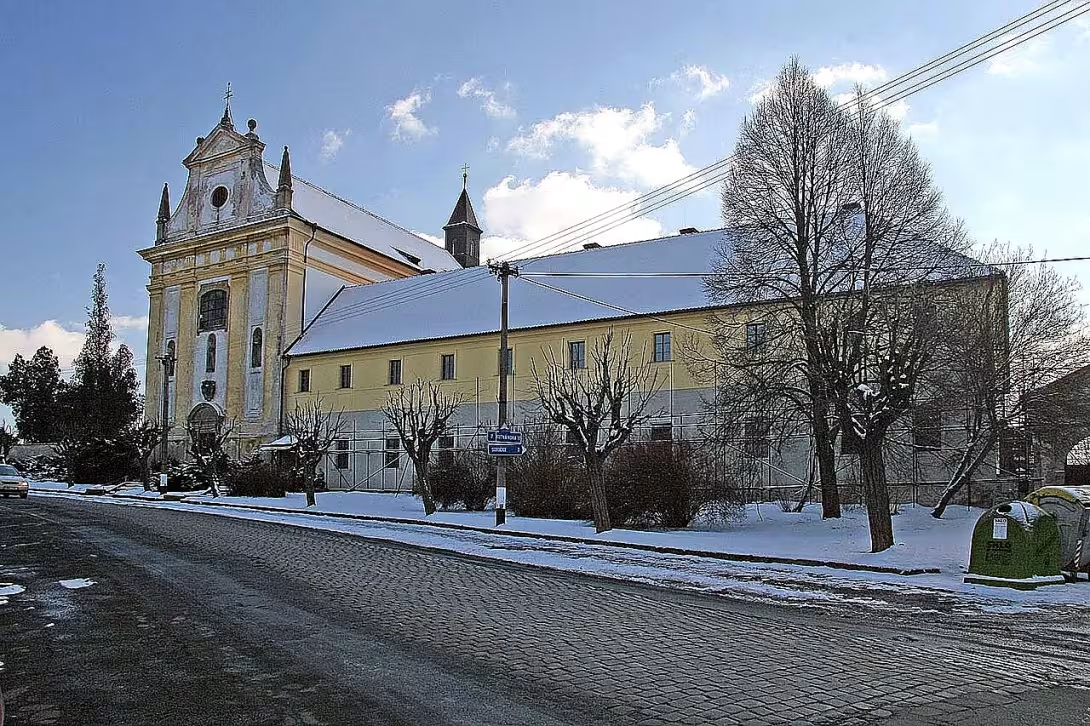
The Františkánský Klášter v Zásmukách is a Baroque monastery located in southeastern Zásmuky, Středočeský kraj. Founded by Adolf Vratislav hrabě ze Šternberka in 1690, it features a church dedicated to the Stigmatization of Saint Francis of Assisi and a chapel for Saint Anthony of Padua. This historical site is notable for its architectural style and significance as a cultural monument of the Czech Republic.
The monastery's origins trace back to the late 17th century when Bohemia was under Habsburg rule, experiencing significant Baroque cultural development. Adolf Vratislav hrabě ze Šternberka, who served as the highest burgrave of the Czech Kingdom, documented his intention to establish the monastery in a foundation charter dated March 11, 1690. Construction began on May 3, 1691, with Andrea de Quadri (Ondřej Červenka), an architect tasked with laying out the foundations. The first six friars moved into the newly built convent by June 10, 1692, marking a significant step in its establishment.
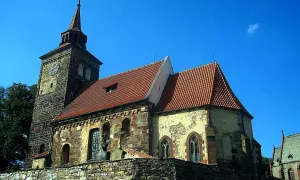
Architecturally, the monastery is characterized by its Baroque style, featuring a single-nave church flanked by shallow side chapels. Doric pilasters rhythmically divide the nave and presbytery, which are topped with barrel vaults that include triangular recesses but lack stucco or painting. The main facade, devoid of towers, is segmented into three parts by Doric order pilasters, culminating in a central section crowned with a triangular pediment. A notable feature above the entrance is a dedication inscription dated 1694, while an adjacent window bears the year 1693, indicating its completion during construction.
Ownership and administration have evolved over time. Initially under Adolf Vratislav hrabě ze Šternberka's stewardship, the monastery later came into the possession of Vilém z Talmberka in 1702, who contributed a library to the friars. In the early 21st century, it is managed by the parish of Uhlířské Janovice, with volunteers from various community groups maintaining the site.
Throughout its history, the monastery has witnessed significant events and curiosities. Contrary to some beliefs, Jean Baptista Mathey was not the architect; his style does not align with the design. During World War II, the Nazis repurposed the monastery as an internment facility for Catholic priests, where Gestapo detained over seventy clergymen, including Smíchov's archdeacon Msgre. Jan Křtitel Pauly.
Today, the Františkánský Klášter v Zásmukách stands as a well-preserved testament to Baroque architecture and religious history in the Czech Republic. Managed by local volunteers, it remains accessible to visitors who can explore its serene gardens and appreciate its historical significance. This site offers a unique glimpse into the past, making it an enriching destination for those interested in cultural heritage and architectural beauty.
Then and now
Drag the slider to compare how the landmark may have looked when it was built with the view today.
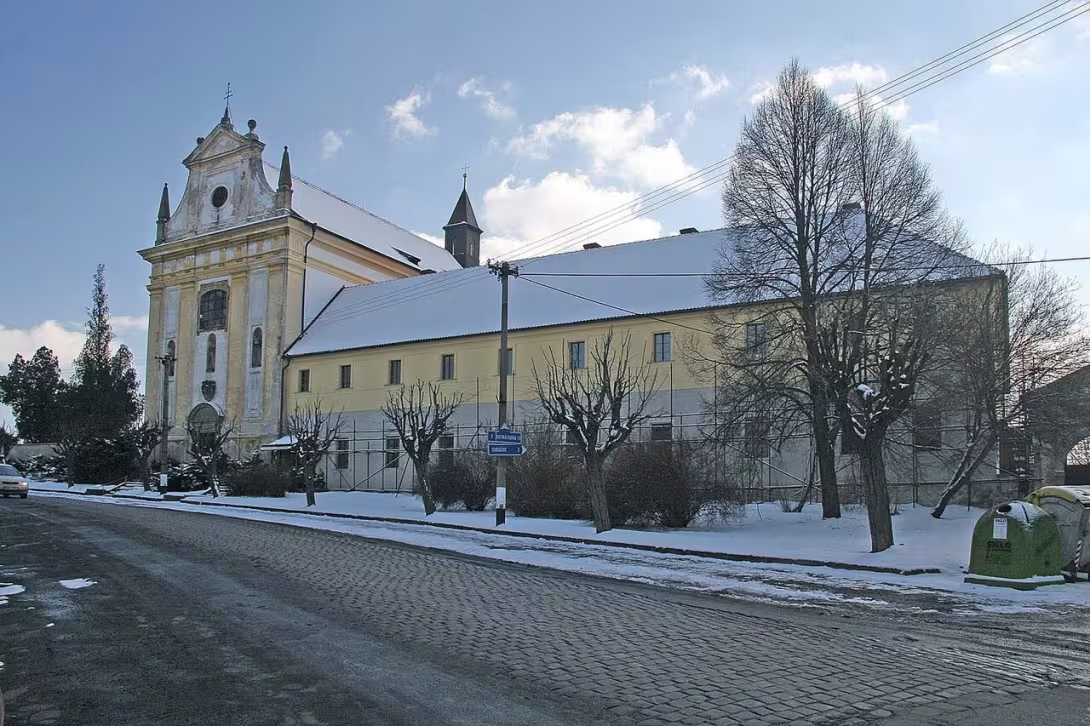
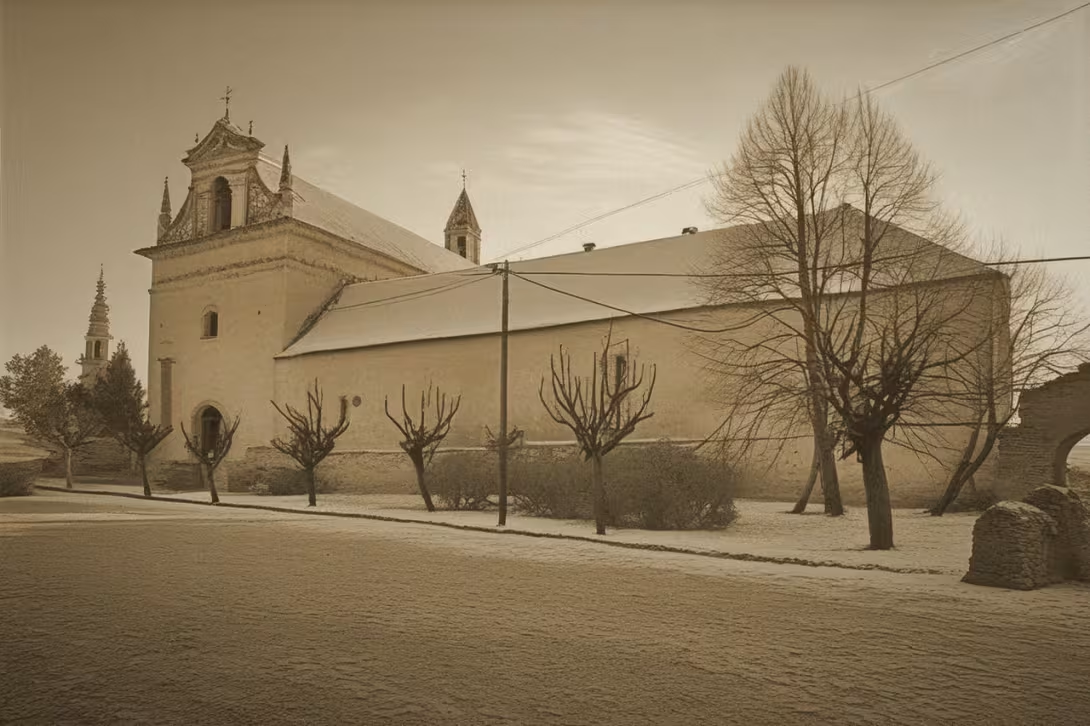
The historical appearance on the left is an AI-generated visualisation and serves as inspiration only.
Historical milestones
- 1690
- Foundation of the monastery documented.
- 1691
- Construction began with Andrea de Quadri laying out the foundations.
- 1692
- First six friars moved into the newly built convent.
- 1694
- The entire complex was consecrated by Sedlec abbot Jindřich Snopek.
Architectural development
The monastery's construction began in 1691 and was completed by 1694. The architectural design includes a single-nave church with shallow side chapels, featuring Doric pilasters and barrel vaults without stucco or painting. The main facade is divided into three sections by Doric order pilasters.
Historical events
1690: Foundation of the monastery documented by Adolf Vratislav hrabè ze Šternberka.
1691-1694: Construction of the convent buildings completed, with the first six friars moving in by June 1692.
1698: Addition of a chapel dedicated to Saint Anthony of Padua.
Owners
Initially owned by Adolf Vratislav hrabě ze Šternberka, it later came under the ownership of Vilém z Talmberka in 1702. In the early 21st century, it is managed by the parish of Uhlířské Janovice.
Points of interest
- Despite common misconceptions, Jean Baptista Mathey was not the architect of the Františkánský Klášter v Zásmukách; his architectural style does not match the monastery's design.
- During World War II, the Nazis transformed the monastery into an internment camp specifically for Catholic priests, detaining over seventy clergymen, including Smíchov’s archdeacon Msgre. Jan Křtitel Pauly.
- The dedication inscription above the main entrance is dated 1694, while a window adjacent to it bears the year 1693, indicating that parts of the monastery were completed during its construction phase.
- Initially founded by Adolf Vratislav hrabě ze Šternberka, ownership passed to Vilém z Talmberka in 1702, who enriched the monastery with a library for the friars.
- The monastery's single-nave church is distinctively flanked by shallow side chapels and features Doric pilasters that rhythmically divide the nave and presbytery, topped with barrel vaults devoid of stucco or painting.
Guide
This guide is narrated by a synthetic voice generated by artificial intelligence.
Show guide text
This text was created by artificial intelligence and has not been editorially reviewed. It may contain inaccuracies.
Welcome to the Františkánský klášter v Zásmukách, a remarkable testament to Baroque architecture nestled in the heart of Zásmuky, Středočeský kraj. As you stand here, enveloped by the serene ambiance of this historic site, take a moment to absorb your surroundings. Notice the grandeur of the monastery complex before you, its presence an enduring reminder of centuries past.
The story of this monastery begins in 1690 when Adolf Vratislav hrabě ze Šternberka laid its foundation. His vision was not just to create a religious site but also a cultural beacon for the region. By 1691, Andrea de Quadri, known locally as Ondřej Červenka, commenced construction, laying down the architectural roots that would define this sacred space. It wasn't long before, in 1692, the first six friars moved into their new home, a testament to the rapid progress and dedication invested in this project. By 1694, the entire complex was consecrated by Sedlec abbot Jindřich Snopek, marking its official completion.
As you explore further, direct your attention to the architectural splendor of the monastery. The church dedicated to the Stigmatization of Saint Francis of Assisi and the chapel of Saint Anthony of Padua are central features that embody the Baroque style, characterized by their intricate details and harmonious proportions. Notice how these structures invite both reverence and admiration.
This site is not just a place of worship but also a canvas for historical narratives. Adolf Vratislav hrabě ze Šternberka’s role as founder and Andrea de Quadri’s architectural genius are pivotal to its story. It's essential to correct the common misconception: Jean Baptista Mathey was not involved in this design, as his style does not align with what you see here.
A poignant chapter in the monastery's history unfolded during World War II when it served as an internment camp for Catholic priests under Nazi occupation. This dark period adds a layer of complexity to its legacy, reminding us of resilience and faith amidst adversity.
As we draw this exploration to a close, I invite you to continue discovering the stories embedded within these walls. Each corner holds echoes of the past, waiting to be uncovered by those who seek them. Thank you for joining me on this journey through history at Františkánský klášter v Zásmukách. May your visit inspire reflection and curiosity as you move forward.
Tips for visitors
The best time to visit the Františkánský klášter v Zásmukách is during late spring or early autumn when the weather is pleasant, and the surrounding gardens are in full bloom. This period offers a serene atmosphere with fewer crowds, allowing visitors to fully appreciate the Baroque architecture and the monastery's natural setting. Additionally, visiting during these times provides optimal lighting for photography.
Parking at the Františkánský klášter v Zásmukách is available in designated areas near the site. For those preferring public transport, the town of Zásmuky can be accessed via regional bus services. It's advisable to check current transportation options and schedules online before your visit to ensure a smooth journey.
When planning your visit, consider bringing comfortable walking shoes as exploring the monastery grounds and its garden may involve some walking. Also, carrying a camera or smartphone is recommended for capturing the stunning architecture and picturesque landscapes. Don't forget to bring water and sun protection if visiting during warmer months.
Photography enthusiasts will find several spots around the Františkánský klášter v Zásmukách ideal for capturing its beauty, especially in the late afternoon when the light is soft and warm. The southeastern part of the monastery offers a particularly striking view against the backdrop of the natural landscape typical of Středočeský kraj.
For those interested in exploring nearby attractions within 30 minutes, consider visiting other historical sites or natural landscapes characteristic of the region. While specific recommendations are not provided here, the area around Zásmuky is rich with cultural and natural sights that complement a visit to the monastery.
Businesses nearby
Do you run a restaurant, accommodation, shop, museum, rental, wellness or other visitor service near this monument? Show yourself directly to the people heading to it — this is how they will see you in the app and on the web:
Events nearby
Zdroj akcí: otevřená data měst a obcí ČR (Národní katalog otevřených dat) a kalendář akcí Národního památkového ústavu.
Nearby
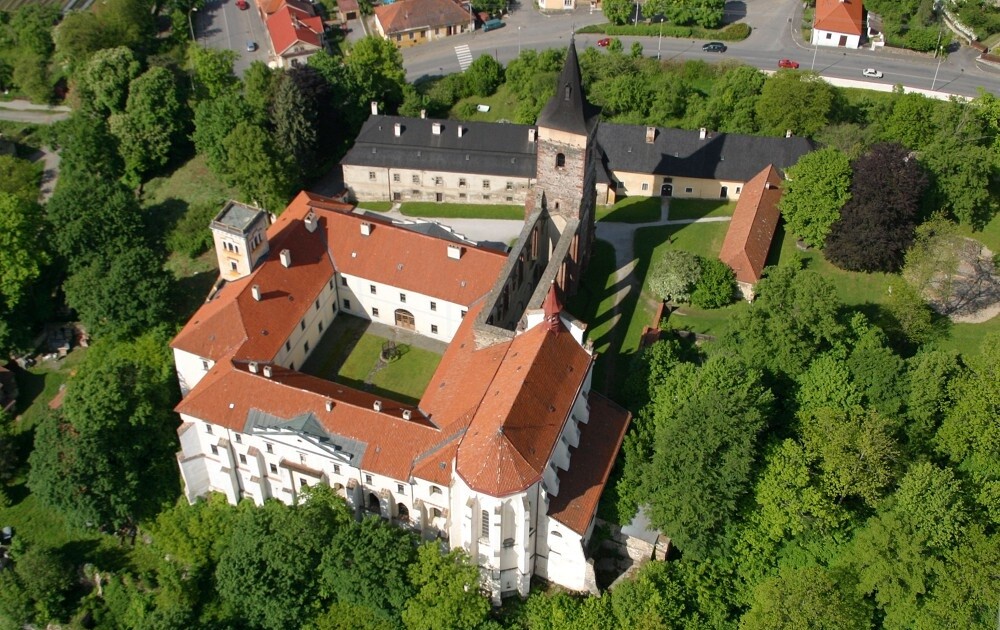
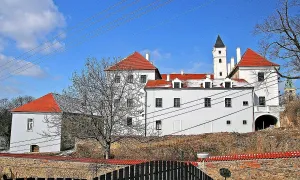
The monastery is located in the highest southeastern part of Zásmuky and features a large garden. The surrounding landscape includes natural features typical of the Středočeský region.
Accommodation nearby
Trips and activities nearby
Guided tours, tickets and activities nearby from GetYourGuide
Affiliate link: if you buy from the partner, we may receive a commission. The price for you does not change.
Search tours and activities →Themed route
Thematic Walking Tour: Františkánský Klášter v Zásmukách and Surroundings
1. Františkánský Klášter (Monastery) *Type:* Historical Religious Site This is the centerpiece of our tour, located in the highest southeastern part of Zásmuky. The monastery boasts a rich history with its stunning architecture and serene atmosphere. Visitors can explore its beautiful garden, which offers a peaceful retreat and a glimpse into monastic life.
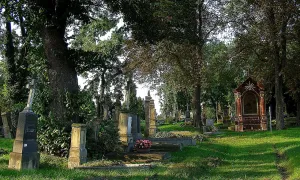
2. Monastery Garden *Type:* Botanical Area Adjacent to the Františkánský Klášter, this expansive garden is an integral part of the monastery complex. It features a variety of plants and trees typical of the Středočeský region, providing a lush backdrop for contemplation and relaxation. The garden's design reflects traditional monastic landscaping principles.
3. Monastery Nádvoří (Courtyard) *Type:* Historical Courtyard Located within the monastery grounds, this courtyard offers insight into the daily life of the monks who once inhabited the site. It serves as a central gathering space and is surrounded by historical buildings that have stood for centuries. The nádvoří provides an excellent vantage point to appreciate the architectural harmony of the complex.
4. Monastery Park *Type:* Recreational Area Situated near the monastery, this park extends the tranquil environment of the monastic grounds into a more open space. It's perfect for leisurely walks and enjoying the natural beauty typical of the Středočeský landscape. The park is an ideal spot to reflect on your visit while surrounded by nature.
5. Monastery Věž (Tower) *Type:* Architectural Feature This tower offers panoramic views of Zásmuky and its surroundings, making it a must-visit for those interested in both history and landscape. Climbing the tower provides a unique perspective on the monastery's architecture and the natural features that characterize this part of Středočeský region.
This tour highlights the Františkánský Klášter v Zásmukách and its immediate surroundings, offering visitors a comprehensive experience of history, nature, and tranquility.
Seasonal recommendations
Spring: Spring at the Franciscan Monastery in Zásmuky is a time of renewal and vibrant colors, as nature awakens with blooming flowers and fresh greenery enveloping the historic site. The soft light of spring enhances the monastery's architecture, creating an inviting atmosphere perfect for leisurely exploration. Visitors are advised to wear comfortable layers due to variable temperatures, which can range from mild to cool depending on the day. Although crowds may start to increase as more people venture outdoors, arriving early in the morning allows you to enjoy a quieter experience before peak visitor hours.
Summer: Summer at the Franciscan Monastery offers long days filled with warm sunlight that beautifully illuminates the ancient structures and surrounding gardens. The lush greenery is at its peak, providing a picturesque backdrop for photographs or simply relaxing outdoors. This season attracts more visitors due to favorable weather conditions, so it's recommended to arrive early in the morning to avoid larger crowds. Comfortable walking shoes and light clothing are essential, along with sun protection like hats and sunscreen, as days can be quite warm.
Autumn: Autumn transforms the Franciscan Monastery into a serene haven of golden hues and crisp air, making it an ideal time for those who appreciate the quiet beauty of fall foliage. The cooler temperatures create a cozy atmosphere that complements the historical ambiance of the site. This is a less crowded season, allowing for more intimate exploration of the monastery's grounds and exhibits. Visitors should dress in layers to accommodate fluctuating weather conditions and consider bringing an umbrella or raincoat, as autumn can bring unexpected showers.
Winter: Winter at the Franciscan Monastery offers a unique charm with its snow-covered landscapes that lend a magical quality to the historic site. The shorter days mean earlier closing times, so plan your visit accordingly. The cooler temperatures necessitate warm clothing, including coats, hats, and gloves, to ensure comfort during your exploration. While crowds are minimal in winter, some areas may be less accessible due to weather conditions, so checking ahead for any closures or restrictions is advisable. Despite the cold, the tranquil atmosphere makes it a peaceful time to appreciate the monastery's architecture and history.
Visualizations and artistic views


The visualisations are generated by artificial intelligence and serve as inspiration.
Photos from the area
Real photos taken near the monument


Zdroj a licence jsou uvedeny u každého snímku.
Tips from visitors
No tips yet. Be the first!
Log in and add your tip.
Sources and literature
Fotografie: Prazak / CC BY 2.5 — Wikimedia Commons. The author and licence also appear when you hover over the image.
Faktickým podkladem tohoto textu byl článek na Wikipedii, jehož autory jsou přispěvatelé Wikipedie. Článek je dostupný pod licencí CC BY-SA 4.0.
Location on the map
Příběhy a pověsti
Legendy, pověsti a příběhy spjaté s touto památkou

Příběh: Františkánský klášter v Zásmukách
Bylo to v pondělí ráno, kdy Martin zjistil, že starobylé střechy kláštera už dýchaly teplým zápachem topených slupenek. Byl šestou hodinou a západní okna pro…
Číst příběh
Pověst: Františkánský klášter v Zásmukách
Traduje se, že hrabě Adolf Vratislav ze Šternberka, nejvyšší purkrabí Českého království, složil svůj slib Bohu dlouho předtím, než jej kdokoli spatřil psaný…
Číst příběhFotografie návštěvníků
Zatím žádné fotografie. Buďte první, kdo přidá fotografii z návštěvy!
Přihlaste se a přidejte svou fotografii nebo hodnoťte.
Za ověřenou návštěvu v aplikaci získáte víc bodů — poznáme podle GPS, že jste na místě.
Reviews and comments