



Žáravice Fortress
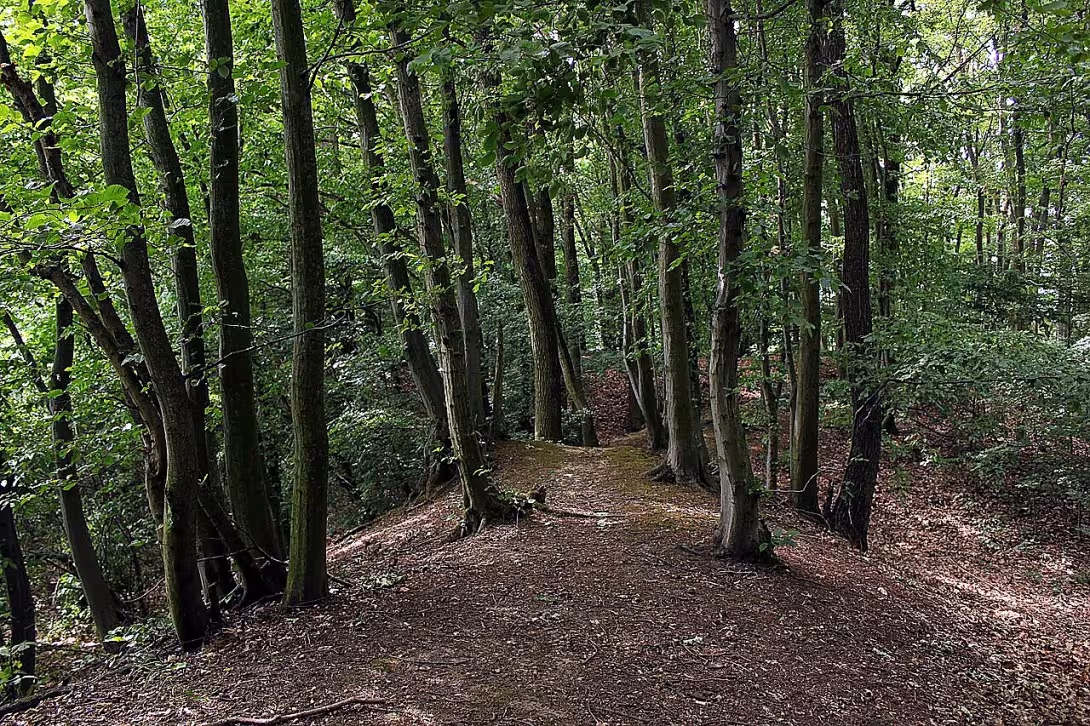
Objekt se nedochoval — na místě dnes nestojí. Následující text popisuje jeho historii, ne současnou návštěvu.
Žáravice, also called Kozák Chateau, is a extinct 15th-century guard fort located in the nature reserve of the Chateau. The historical object served as a key watchpoint on the edge of the church estate and is today protected as a cultural monument.
The oldest history of the fortress was left with few written reports, but its history can be supplemented by the history of the village. The first written mention of the Jezavice dates back to 1436. At that time it belonged to the estate of the Abatovic monastery and was entrusted to Zikmund of Luxembourg as collateral by Diviš Bořka of Miletínek. In the Jagellonian era, the manor and fortress crossed into the hands of the House of Pernstejn.
The fortress was built in a key location protected by steep slopes on three sides. The eastern and southern sides were supplemented by trenches and forests, now disrupted by new agricultural activities. The acropolis was up to 30 meters in diameter. Wood was mainly used for construction because there is no evidence of mortars or other building materials.
During history, various property relationships and personalities appeared at the building. In addition to the abattovic monastery, Divis Borka of Miletínka and the family of Pernštejnů, Jan Kozel ze Sušin, the last known resident of the fortress, was imprisoned by Wilhelm of Pernštejn.
The dissolution of the fort is linked to Hussite wars. It is assumed that most of the building material was used in the construction of the church of St. Peter and Paul in Rohudov Belé in 1768.
Today the location is located in the nature reserve Na Hrady and since 3 May 1958 it is registered as a cultural monument. This extinct fortress provides a view of medieval fortification in the natural landscape and is worth a visit to familiarize yourself with the history of the region.
Then and now
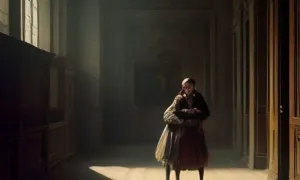
Drag the slider to compare how the landmark may have looked when it was built with the view today.
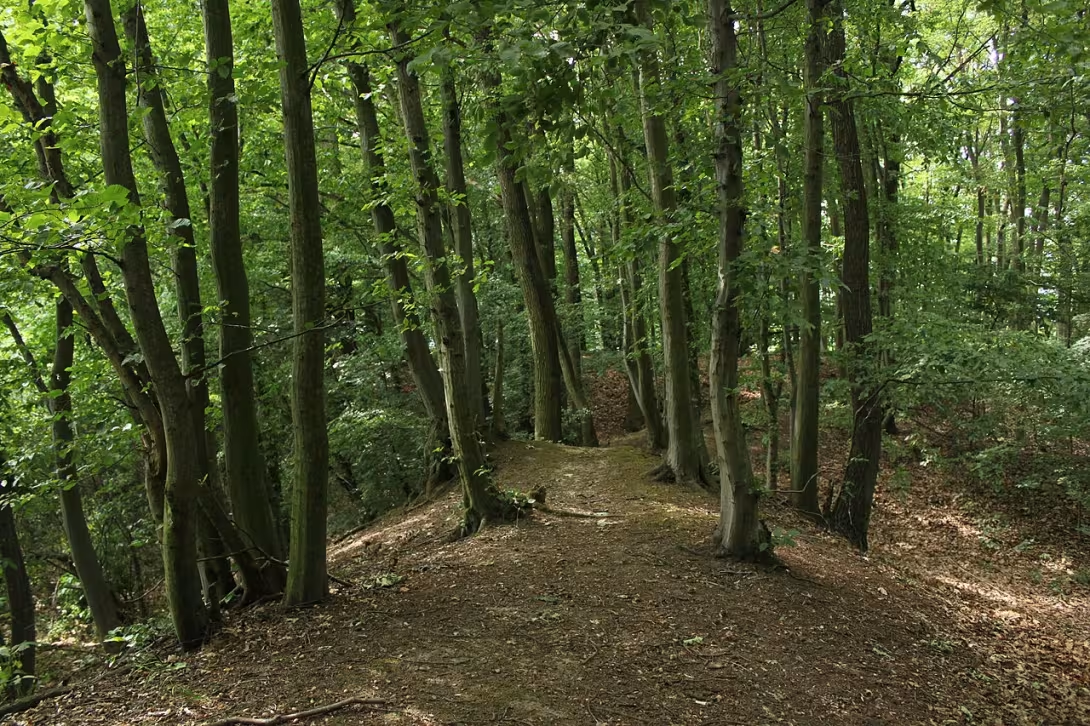
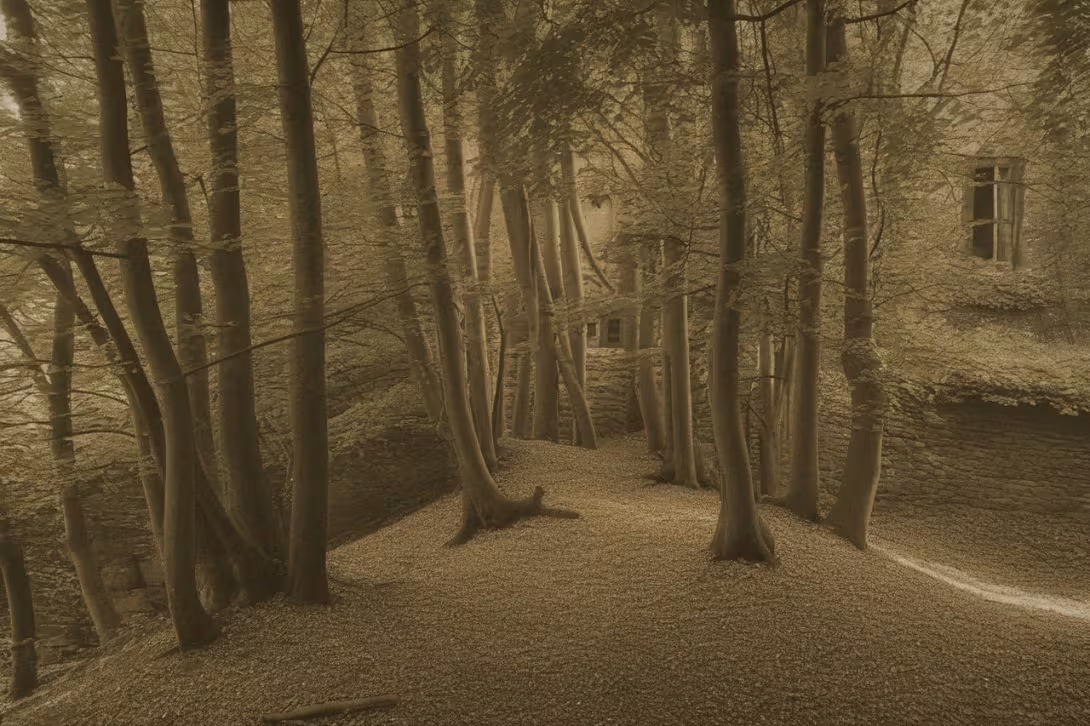
The historical appearance on the left is an AI-generated visualisation and serves as inspiration only.
Historical milestones
- 1436
- First written mention of the Jewelry
- 1958
- Declaration of location cultural monument
Architectural development
The construction was raised mainly from wood, without the use of mortar. The eastern and southern sides were reinforced by a system of walkways and moats. The acropolis of the fort was up to 30 meters in diameter.
Historical events
1436: First written mention of the Jewelry. The end of the fort in connection with Hussite wars.
Owners
Opatovice monastery, Diviš Bořek z Miletínka (arrest), family of Pernštejnů
Points of interest
- Žáravice is also called Cossack Chateau. - The first written mention of the fort dates back to 1436. - Wood was mainly used in construction. - The last known resident of the fort was Jan Kozel ze Sušin. The collapse of the fort is linked to Hussite wars.
Guide
Show guide text
This text was created by artificial intelligence and has not been editorially reviewed. It may contain inaccuracies.
Welcome to the monument, which is no longer in its entirety today, but still in its spirit controls this place. You are standing in the heart of the Nature Reserve on the Hrady, in a place where history is bound to the wild beauty of nature. Look around you and feel the atmosphere of this place. You may only see trees, bushes and steep cliffs surrounding you, but try to look at this terrain with another eye. Notice how the ground under your feet is falling sharply towards the mines. These steep cliffs you're seeing right now, they weren't just part of the landscape, they were the main pillar of defense. This site has been selected with incredible balance sheet. Three sides of this place are protected by these impenetrable steep slopes, making it an ideal place for a guard point. Even if you see a calm nature today, imagine that this place was once an important part of the defense system.
Let us now move further into the past and understand why it was built here. Žáravice, which we call the Kozak Chateau, is not just an ordinary place in the forest. It is a extinct guard's fortress whose roots extend deep into the fifteenth century. The first written mention of this place appears in 1436. At that time, the world was completely different, full of constant movements of power and the need for constant supervision. This fortress did not serve as a luxury seat of nobles, but had a clear, practical and strategic purpose. She had to guard the borders and ensure the safety of the Abbey estate. Imagine the time when the monasteries were not only centres of faith, but also important economic and political actors who needed their own protection and control over the surrounding territory. Žáravice was the watchdog who watched the area and reported any danger approaching the monastery property.
Now pay attention to what this place could look like when it was in the greatest glory. Even if you can't look directly at the walls or corridors today because the building has disappeared, we can draw important details of its nature from historical records. Unlike large stone chateaux that dominate the landscape, this fortress was built mainly of wood. Feel the fragility and functionality at the same time. The wooden construction was faster for construction and could be very effective in the terrain. Imagine the smell of wood, the sound of footsteps on wooden floors and the view of the structure that was firmly anchored in this rocky and steep terrain. This architecture was not about beauty but about survival and the fulfilment of duty. The whole object was perfectly adapted to the nature that surrounded it, and it used every advantage that these coasts gave it.
The history of this place is closely linked to the characters that held power at that time. If you look at the map of the world at the time, you will find that Žáravice was located in an area where the interests of the most important personalities met. We can mention here, for example, Zikmund of Luxembourg, who was a key figure in the then politics, or Diviš Borka of Miletínek. The shadows of the mighty House of Pernštejn, namely Wilhelm of Pernštejn, also moved in these areas. Each of these names carries with it a story of power, wars and political schematics that took place right under your eyes. However, the closest to living on a fortress is the character of John Kozl of Susin. They say he was the last known resident of this place. Imagine his fate - the man who lived at this strategic point, at a time when the old world began to collapse under the strain of new forces.
And it was these forces that brought with them the mystery and tragedy that led to the demise of the Firecrackers. As you move in these terrain curves, remember the period of Hussite wars. It was a time of chaos, religious controversy and constant struggle. It is these wars that are linked to the end of the existence of this fortress. It is both fascinating and sad how quickly something that has been built for protection and stability can cease to exist as a result of political and social upheaval. Žáravice, once an important point in the monastery estate network, has become a memory over time that only written records and nature have saved.
But there is also one interesting thing that gives this place a more human and a little more mysterious touch. This site is called Kozák Chateau. Why just like that? Perhaps it is a reference to the name of the last resident, John Kozl, or perhaps a folk reputation that has settled in this forest over the centuries. This double name, both Žáravice and Kozak Chateau, reminds us that history is not only about data and documents, but also about people and their stories, which are left in the landscape without playful walls. Even though the fort is gone, its presence in the names and memory of the locals still persists.
Today, this site is protected as a cultural monument and is located within the nature reserve of Na Hrady. That means that the place where you are right now is in some sense a sacred space where human work meets untamed nature. Even if you don't see monumental structures here, this whole area is a monument to the very history and variability of time.
Now I recommend you continue your walk along the surrounding routes of the reservation. Feel the silence of this place, observe the steep cliffs, and try to redraw in your mind the image of that wooden guard fort that once stood awake at the monastery estate. Let the beauty of this nature consume you and the memory of the people who once lived here, watched and faced the storms of their time. Thank you for choosing to visit this historic site and pay attention to its story. We'll brighten up a nice walk in the beautiful countryside.
Businesses nearby
Do you run a restaurant, accommodation, shop, museum, rental, wellness or other visitor service near this monument? Show yourself directly to the people heading to it — this is how they will see you in the app and on the web:
Events nearby


Zdroj akcí: otevřená data měst a obcí ČR (Národní katalog otevřených dat) a kalendář akcí Národního památkového ústavu.
Nearby
Natural Reservations On Chateaux
Visualizations and artistic views


The visualisations are generated by artificial intelligence and serve as inspiration.
Photos from the area
Real photos taken near the monument

Zdroj a licence jsou uvedeny u každého snímku.
Tips from visitors
No tips yet. Be the first!
Log in and add your tip.
Sources and literature
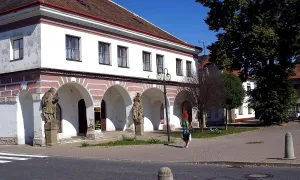
Photos: Vojtěch Dostál (Vojtech.dostal) / CC BY 3.0 — Wikimedia Commons. The author and licence also appear when you hover over the image.
Faktickým podkladem tohoto textu byl článek na Wikipedii, jehož autory jsou přispěvatelé Wikipedie. Článek je dostupný pod licencí CC BY-SA 4.0.
Location on the map
More monuments – Pardubický kraj
Show all in the region

Příběhy a pověsti
Legendy, pověsti a příběhy spjaté s touto památkou
Fotografie návštěvníků
Zatím žádné fotografie. Buďte první, kdo přidá fotografii z návštěvy!
Log in a přidejte svou fotografii nebo hodnoťte.
Za ověřenou návštěvu v aplikaci získáte víc bodů — poznáme podle GPS, že jste na místě.
Reviews and comments