






Zásadka Ruin
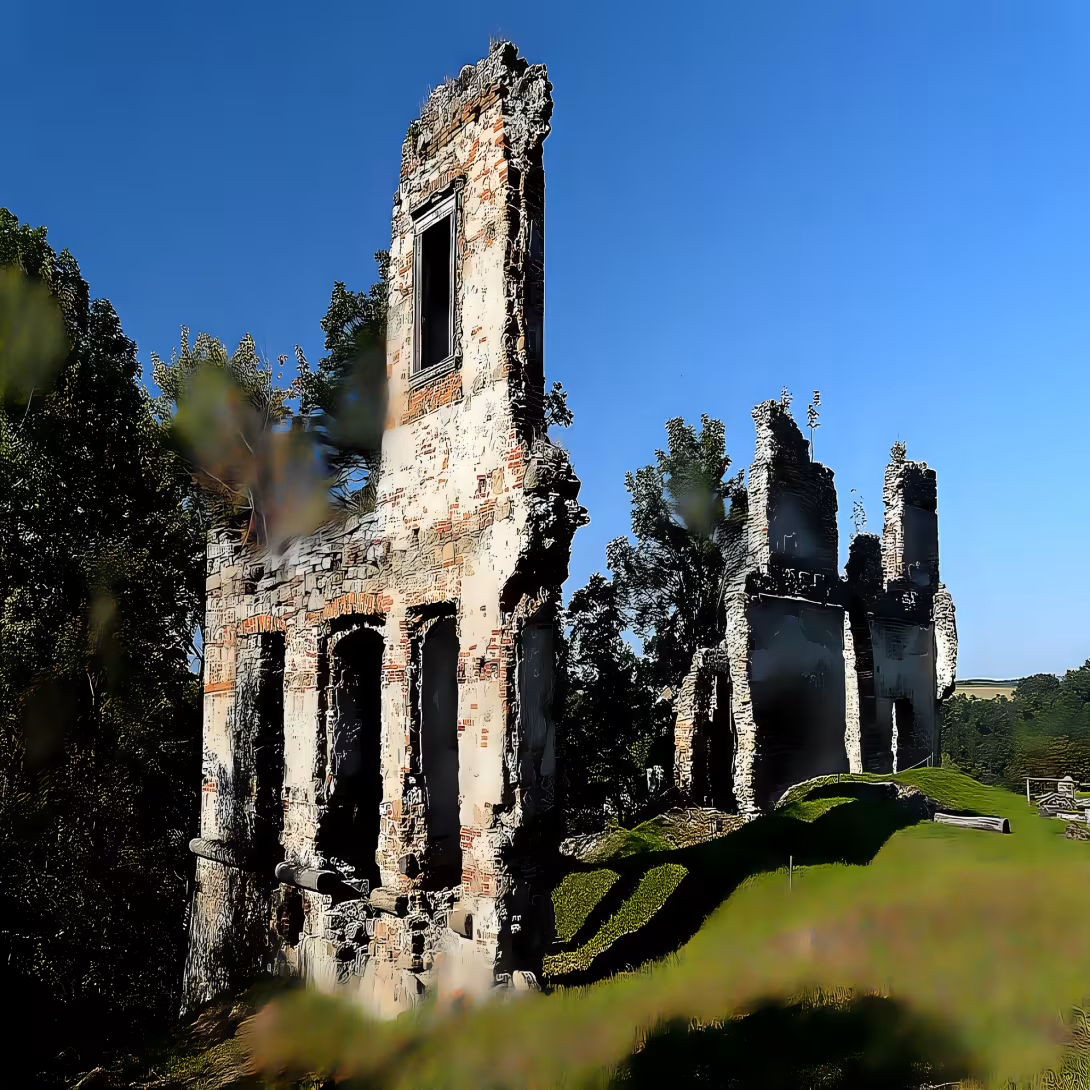
Zásadka is a Renaissance castle ruin located in Sychrov village near Mnichovo Hradiště. It stands as a testament to the region's rich historical tapestry. Originally built on a medieval fortress site, it was transformed into a Renaissance palace by Zikmund Vančura z Řehnic in the 16th century. This monument is notable for its architectural evolution from Gothic foundations to Renaissance grandeur and its picturesque setting on an island in the Jizera River near its confluence with the Mohelka.
The origins of Zásadka trace back to a smaller feudal castle constructed by Ješek Ocas ze Zásadky or his brother. The first documented mention dates to 1406, when Matěj Pomazánek ze Zlíva purchased it. Throughout the 15th century, ownership passed through several noble families, including the Čuchové z Navarova a ze Zásady and Jiří z Poděbrad, reflecting Bohemia's dynamic political landscape during this period. By the mid-16th century, the Renaissance movement had begun to influence architecture across Europe, leading Zikmund Vančura z Řehnic to acquire the site in 1560 and transform it into a Renaissance palace.
Architecturally, Zásadka showcases elements from both its Gothic origins and later Renaissance transformation. The original medieval fortress was replaced by a Renaissance palace under Zikmund Vančura z Řehnic's direction. Early in the 17th century, Václav Budovec z Budova made further modifications. The structure features remnants of a two-winged palace with vaulted cellars and an ornate Renaissance façade that once graced its northern side.
Ownership of Zásadka changed hands multiple times over the centuries, each transition leaving its mark on the site's fortunes. After Vančura's renovations, ownership passed through various notable figures, including Petr Samšinský ze Samšiny and Jan Hrzán z Harasova. By the late 17th century, the Valdštejnové family acquired Zásadka, integrating it into their estate at Mnichovo Hradiště. Despite its grandeur, the castle fell into disrepair over time, culminating in a devastating fire in 1790 that led to its eventual ruin by the late 19th century.
Throughout its history, Zásadka has witnessed significant events and transitions reflective of broader regional dynamics. Its transformation from a medieval fortress to a Renaissance palace underscores the cultural shifts occurring during this era. Despite periods of neglect, the site remains an enduring symbol of Bohemia's architectural heritage.
Today, Zásadka stands as a captivating ruin accessible via a green-marked tourist trail that ascends steeply from the Jizera valley. Visitors are drawn to its picturesque views over the Jizera valley, Mohelnice, and Ještěd. The ruins offer a tangible connection to the past, allowing visitors to explore the remnants of this once-grand estate at their leisure.
Zásadka's historical significance and scenic beauty make it a worthwhile destination for those interested in exploring Bohemia's rich cultural heritage. Its enduring presence as a ruin invites reflection on the passage of time and the stories embedded within its walls. Visitors are encouraged to experience firsthand the allure of this remarkable site, where history and nature converge.
Then and now
Drag the slider to compare how the landmark may have looked when it was built with the view today.
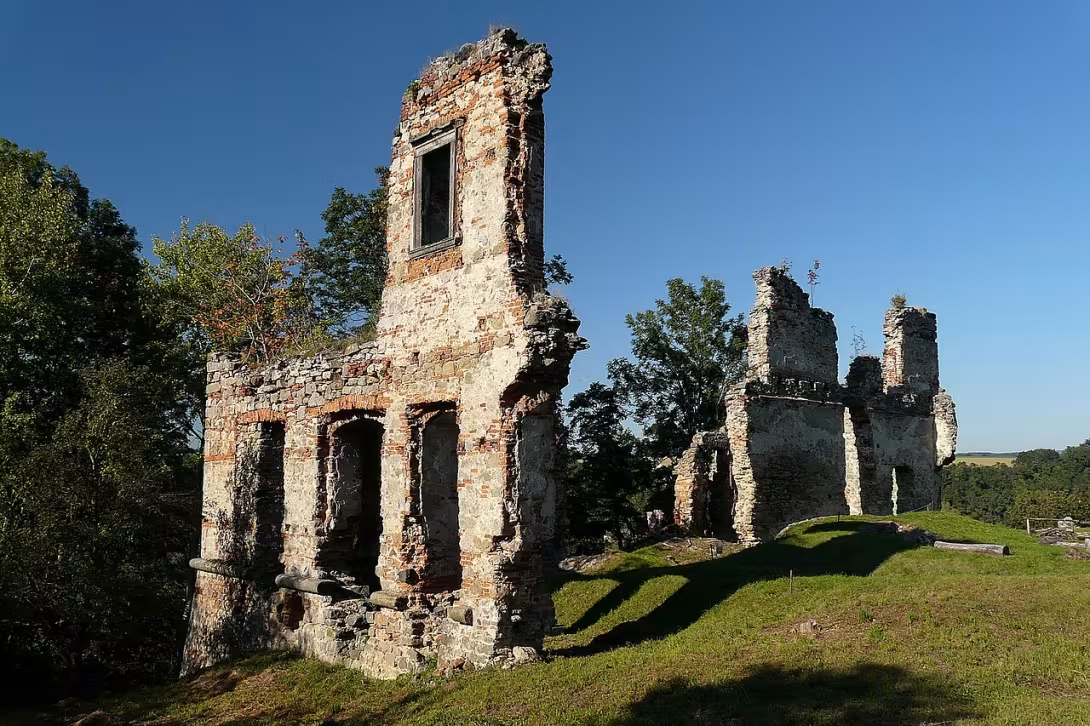
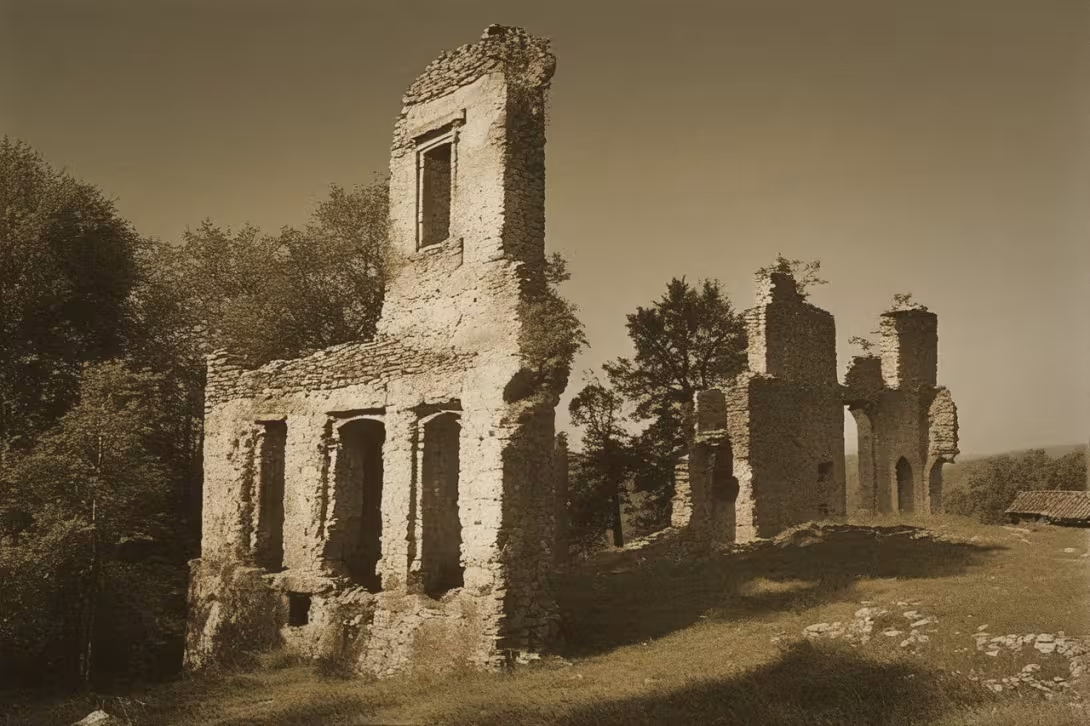
The historical appearance on the left is an AI-generated visualisation and serves as inspiration only.
Historical milestones
- 1406
- The castle was first mentioned when Matěj Pomazánek ze Zlíva purchased it.
- 1560
- Zikmund Vančura z Řehnic acquired the site and transformed it into a Renaissance palace.
Architectural development
The original medieval fortress was replaced by a renaissance palace in the 16th century under Zikmund Vančura z Řehnic. Architectural modifications were made early in the 17th century by Václav Budovec z Budova. The structure underwent various phases of ownership, leading to periods of neglect and eventual ruin.
Historical events
The castle was first mentioned in a document in 1406 when Matěj Pomazánek ze Zlíva purchased it.
In 1560, Zikmund Vančura z Řehnic acquired the site and transformed it into a Renaissance palace.
Owners
Ješek Ocas ze Zásadky or his brother Ješek (before 1406)
Matěj Pomazánek ze Zlíva (from 1406)
Čuchové z Navarova a ze Zásady (15th century)
Jiří z Poděbrad (1452)
Fryck z Daliměřic (late 15th century)
Jan Hrzán z Harasova (1520)
Petr Samšinský ze Samšiny (1539)
Zikmund Vančura z Řehnic (1560)
Václav Budovec z Budova (1604)
Valdštejnové (late 17th century to 1945)
Points of interest
- The castle's transformation from a medieval fortress to a Renaissance palace reflects the broader European shift in architectural styles during the 16th century, showcasing how local Bohemian nobility adopted and adapted these trends.
- Despite its eventual ruin, Zásadka was once part of a larger estate under the Valdštejnové family, indicating the strategic importance of land ownership and control over natural resources like the Jizera River in historical Bohemia.
- The site's picturesque location on an island where two rivers meet not only provided defensive advantages but also inspired artistic depictions throughout history, highlighting its dual role as a military stronghold and cultural inspiration.
- Zásadka was owned by several notable figures, including Jiří z Poděbrad, who played significant roles in Bohemian politics; this reflects the castle's importance as both a residence and political hub during tumultuous times.
- The devastating fire of 1790 that led to its ruin is an example of how even grand estates were vulnerable to natural disasters, which could abruptly end their historical legacy despite centuries of significance.
Guide
This guide is narrated by a synthetic voice generated by artificial intelligence.
Show guide text
This text was created by artificial intelligence and has not been editorially reviewed. It may contain inaccuracies.
Welcome to the historic site of Zásadka, where time stands still amidst the rolling landscapes of Sychrov in Středočeský kraj. As you stand here before this captivating ruin, imagine the stories etched into its weathered stones and the echoes of a bygone era that linger in the air.
Zásadka's origins trace back to 1406 when it was first mentioned as part of Matěj Pomazánek ze Zlíva's holdings. Originally built on the site of a medieval fortress, this place has witnessed significant transformations over the centuries. Fast forward to 1560, and you'll find Zikmund Vančura z Řehnic acquiring the site, transforming it into a Renaissance palace that captured the spirit of its time.
As you explore Zásadka today, take a moment to appreciate its architectural evolution. Notice how remnants from both its Gothic and Renaissance phases coexist here. The partially preserved two-winged palace with vaulted cellars speaks volumes about its storied past. These structures stand as silent witnesses to the architectural ingenuity of their creators.
Throughout its history, Zásadka has been associated with several notable figures who have left their mark on this place. Ješek Ocas ze Zásady and Matěj Pomazánek ze Zlíva were among those who contributed to its early story. Later, luminaries like Čuchové z Navarova a ze Zásady, Jiří z Poděbrad, Fryck z Daliměřic, Jan Hrzán z Harasova, Petr Samšinský ze Samšiny, and Václav Budovec z Budova played roles in its rich narrative. Each of these individuals added layers to the tapestry of Zásadka's history.
One intriguing aspect of Zásadka is how it reflects broader European architectural trends during the 16th century. As a Renaissance palace, it showcases how local Bohemian nobility embraced and adapted these styles, blending them with their own traditions. This transformation from a medieval fortress to a Renaissance masterpiece mirrors a significant cultural shift in Europe.
As you continue your exploration of Zásadka, let your imagination roam free. Picture the grandeur that once filled this space and ponder the lives that unfolded here. The stories embedded within these ruins invite us to reflect on the passage of time and the enduring legacy of history.
Thank you for joining me on this journey through Zásadka's past. I encourage you to delve deeper into its mysteries, perhaps by exploring nearby Mnichovo Hradiště or learning more about the figures who shaped its destiny. As we bid farewell to this enchanting site, carry with you the memories and insights gained from your visit.
Businesses nearby
Do you run a restaurant, accommodation, shop, museum, rental, wellness or other visitor service near this monument? Show yourself directly to the people heading to it — this is how they will see you in the app and on the web:
Events nearby
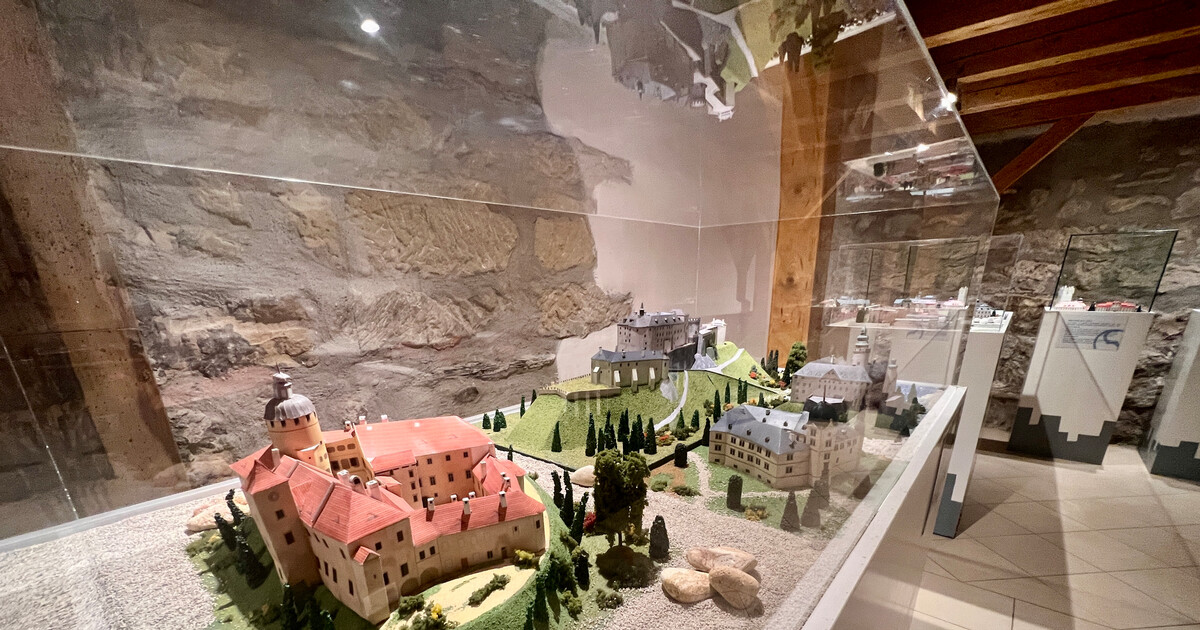
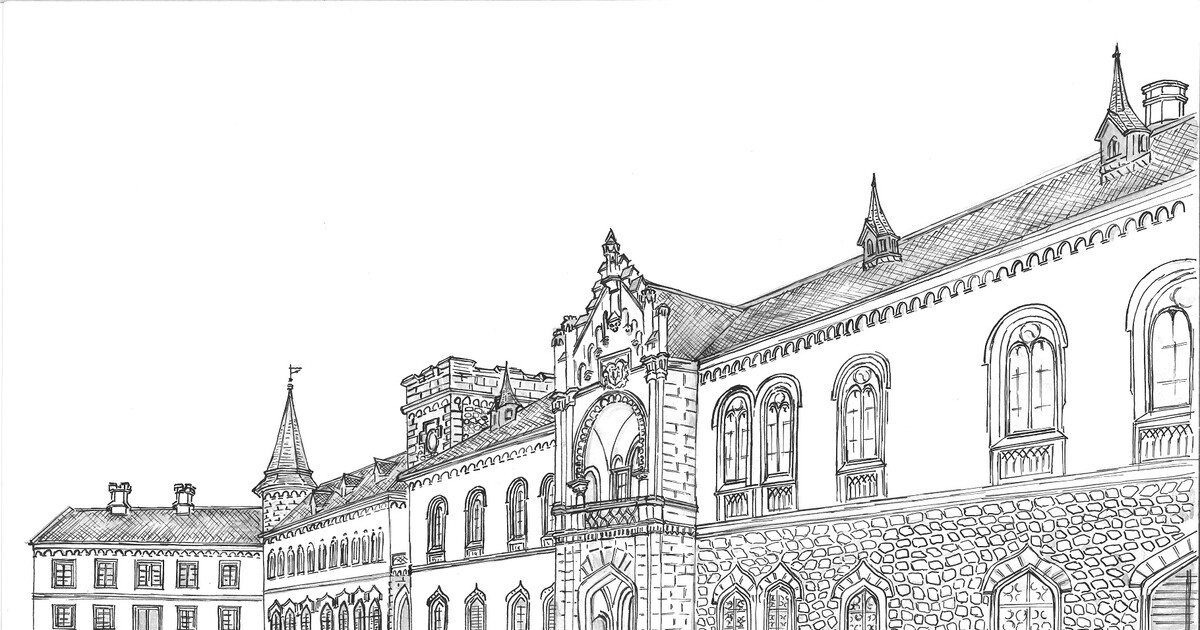
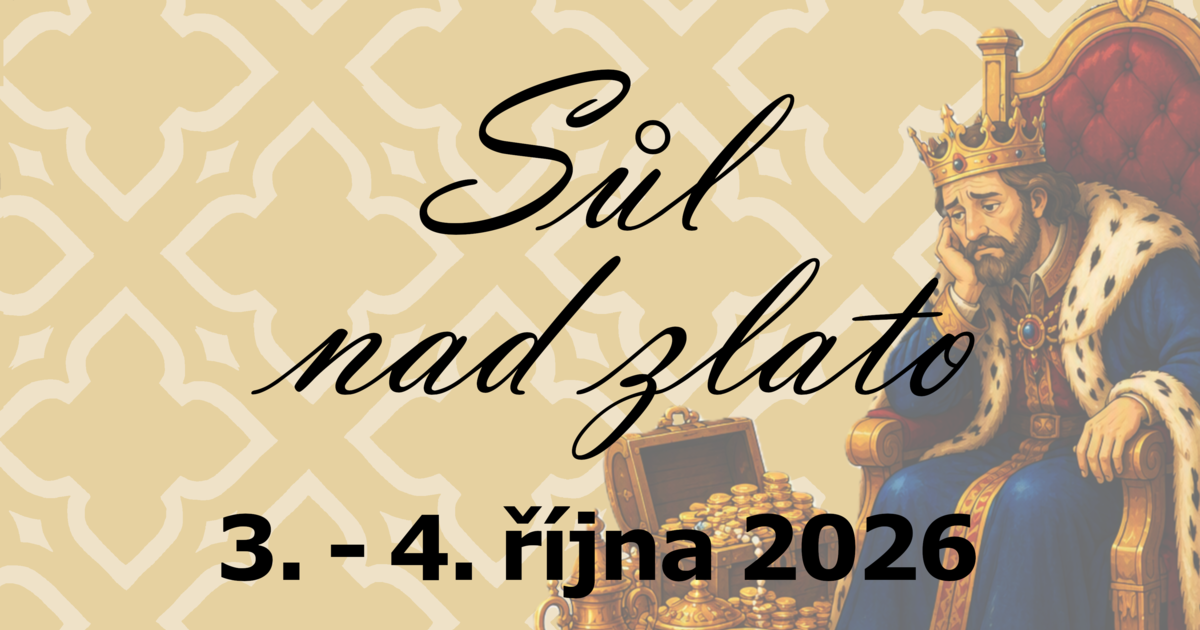

Zdroj akcí: otevřená data měst a obcí ČR (Národní katalog otevřených dat) a kalendář akcí Národního památkového ústavu.
Nearby
Zásadka is located on an island in the Jizera River near its confluence with the Mohelka. The surrounding landscape includes steep slopes descending into the river and nearby villages such as Mohelnice nad Jizerou, Březina, Sychrov, Káčov, and Mnichovo Hradiště.
Accommodation nearby
Trips and activities nearby
Guided tours, tickets and activities nearby from GetYourGuide
Affiliate link: if you buy from the partner, we may receive a commission. The price for you does not change.
Search tours and activities →Themed route
Tematická výletní trasa kolem Zásadky
1. Zásadka (zřícenina) *Typ:* Historická zřícenina *Proč stojí za návštěvu:* Zásadka je fascinující historickou památkou umístěnou na ostrově v řece Jizera. Tato zřícenina představuje pozůstatky hradu, který byl důležitým strategickým bodem ve středověku a nabízí jedinečný pohled na historii regionu.
2. Mohelnice nad Jizerou *Typ:* Vesnice s historií *Proč stojí za návštěvu:* Mohelnice nad Jizerou je malebná vesnice, která nabízí pohled na život u řeky a její historické architektonické prvky. Je to ideální místo pro odpočinek po návštěvě Zásadky a prozkoumání místních tradic.
3. Březina *Typ:* Vesnice s přírodním okolím *Proč stojí za návštěvu:* Březina je známá svými krásnými pohledy na řeku Jizera a okolní lesnaté oblasti. Je to místo, kde si můžete užít klidné chvilky v přírodě nebo prozkoumat místní zvyklosti.
4. Sychrov *Typ:* Vesnice s historickým hradem *Proč stojí za návštěvu:* Sychrov je známý svým významným hradem, který nabízí bohatou historii a krásné zahrady. Hlavní cesta od Zásadky do Sychrova umožňuje prozkoumat další kulturní památky regionu.
5. Mnichovo Hradiště *Typ:* Město s historickým centrem *Proč stojí za návštěvu:* Mnichovo Hradiště je městem s bohatou historií a architekturou. Jeho centrum nabízí různé kulturní aktivity, restaurace a obchody, což činí z něj ideální koncový bod pro vaši výletní trasu.
Tato trasa nabízí kombinaci historických památek, přírodní krásy a místní kultury, které společně tvoří poutavou zkušenost pro každého návštěvníka.
Seasonal recommendations
Spring: Visiting Záskok during the spring offers a unique experience as nature begins to awaken around the ruins of Sychrov Castle. The landscape is adorned with blooming wildflowers and fresh greenery, creating a vibrant tapestry that contrasts beautifully against the historic backdrop. As daylight extends, visitors can enjoy the soft, warm light filtering through the trees, enhancing the castle's mystique. It’s advisable to wear layers as temperatures can fluctuate; mornings may be cool while afternoons become pleasantly mild. This period typically sees fewer tourists, allowing for a more serene exploration of the site.
Summer: The summer season at Záskok is characterized by lush landscapes and abundant sunshine, making it an ideal time to explore the castle ruins. Long daylight hours provide ample opportunity to appreciate the intricate details of the architecture bathed in golden light. However, this is also peak tourist season, so arriving early can help avoid crowds. Comfortable walking shoes are recommended due to uneven terrain, and sun protection such as hats and sunscreen is essential. The warm weather invites visitors to linger and enjoy outdoor activities nearby, making it a lively time for exploration.
Autumn: Autumn at Záskok presents a picturesque scene with the castle ruins enveloped in rich autumnal hues of reds, oranges, and yellows. The cooler temperatures create a crisp atmosphere that enhances the historical ambiance, while shorter days mean earlier sunsets. This season is perfect for photography enthusiasts looking to capture the stunning contrast between nature's palette and the ancient stones. Visitors should dress warmly in layers and consider bringing a light jacket as evenings can be chilly. The reduced tourist numbers compared to summer offer a more tranquil experience.
Winter: Winter transforms Záskok into a serene, almost ethereal destination with snow often blanketing the ruins of Sychrov Castle. The stark beauty of the landscape under a blanket of white provides a unique perspective on the castle's history and architecture. The shorter daylight hours mean planning is crucial to maximize time spent exploring; early morning visits are recommended for the best light. Visitors should dress warmly in insulated clothing, wear waterproof boots, and be mindful of icy paths. Despite potentially harsh weather conditions, winter offers an intimate and magical experience with fewer visitors around.
Visualizations and artistic views


The visualisations are generated by artificial intelligence and serve as inspiration.
Photos from the area
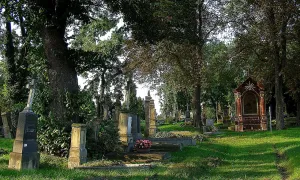
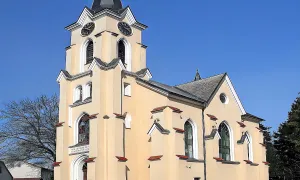
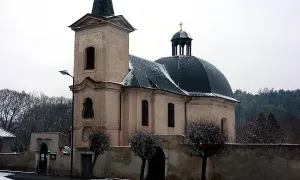
Real photos taken near the monument


Zdroj a licence jsou uvedeny u každého snímku.
Atmosphere of the place
This atmospheric visualisation of the place and period was generated by artificial intelligence. It is not real footage of the location.
Tips from visitors
No tips yet. Be the first!
Log in and add your tip.
Sources and literature
Fotografie: LaSo / CC BY-SA 3.0, rozlišení zvýšeno umělou inteligencí — Wikimedia Commons. The author and licence also appear when you hover over the image.
Faktickým podkladem tohoto textu byl článek na Wikipedii, jehož autory jsou přispěvatelé Wikipedie. Článek je dostupný pod licencí CC BY-SA 4.0.
Location on the map
Příběhy a pověsti
Legendy, pověsti a příběhy spjaté s touto památkou
Fotografie návštěvníků
Zatím žádné fotografie. Buďte první, kdo přidá fotografii z návštěvy!
Přihlaste se a přidejte svou fotografii nebo hodnoťte.
Za ověřenou návštěvu v aplikaci získáte víc bodů — poznáme podle GPS, že jste na místě.
Reviews and comments