






Zemědělský dvůr Amálie Manor farm
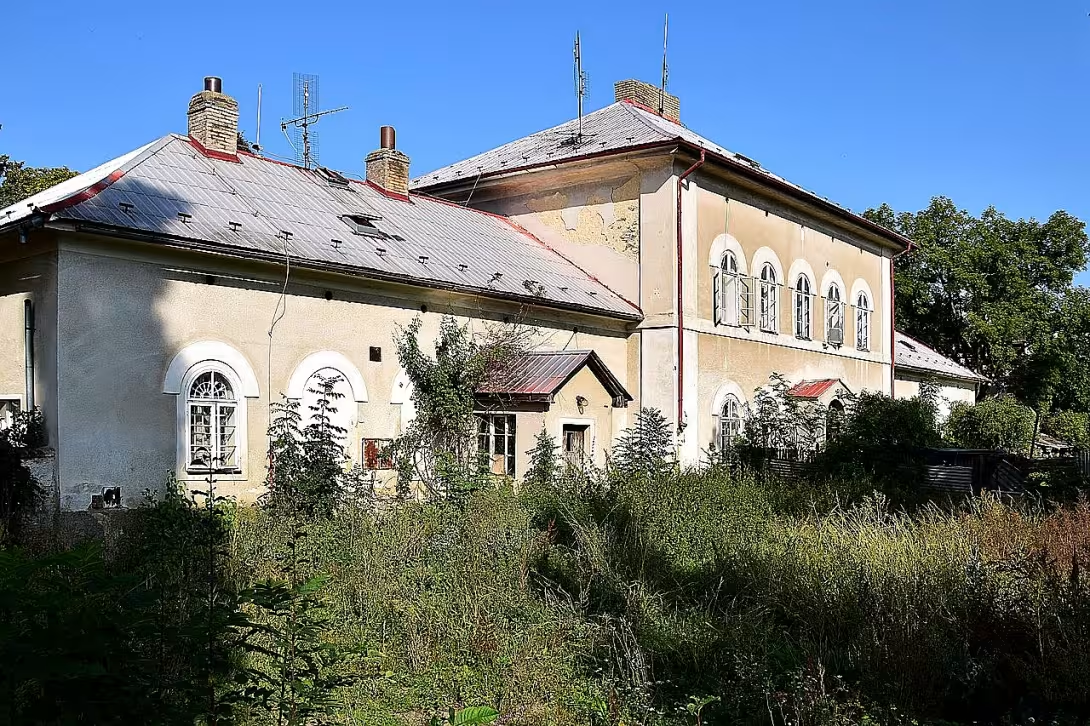
The Zemědělský dvůr Amálie is a notable Neoclassical monument in Ruda, within the Rakovník district of Středočeský kraj. Built around 1820, this agricultural court features a monumental granary and exemplifies standardized architectural designs typical of rural infrastructure from that era. The site is linked to pheasant breeding grounds and the presidential residence in Lány, adding historical significance.
Constructed during Bohemia's time as part of the Austrian Empire, Amálie reflects advancements in organized agriculture and standardized rural architecture. Around 1820, model designs were applied to various structures, including those at Amálie, with the granary serving as a dominant feature.
Architecturally, Zemědělský dvůr Amálie is distinguished by its Neoclassical style, prevalent in the early 19th century. The granary exemplifies standardized architectural models for agricultural buildings, emphasizing functionality and uniformity of that period.
The estate's connection to the presidential residence in Lány highlights its significance beyond agriculture. It includes a hunting lodge once frequented by Václav Havel, adding historical depth. Pheasant breeding at Amálie has been documented since the late 19th and early 20th centuries, underscoring its role in local traditions.
Today, Zemědělský dvůr Amálie remains a site of interest due to its architectural significance and historical connections. Visitors can explore the well-preserved granary and learn about its role within the presidential residence's pheasant breeding grounds. Václav Havel’s hunting lodge adds intrigue for those interested in Czech history.
Zemědělský dvůr Amálie offers a glimpse into early 19th-century agricultural practices and architectural styles, making it a worthwhile destination for those interested in rural infrastructure's historical development. Its connection to figures like Václav Havel enhances its appeal, inviting visitors to explore this remarkable site and appreciate its enduring legacy.
Then and now
Drag the slider to compare how the landmark may have looked when it was built with the view today.
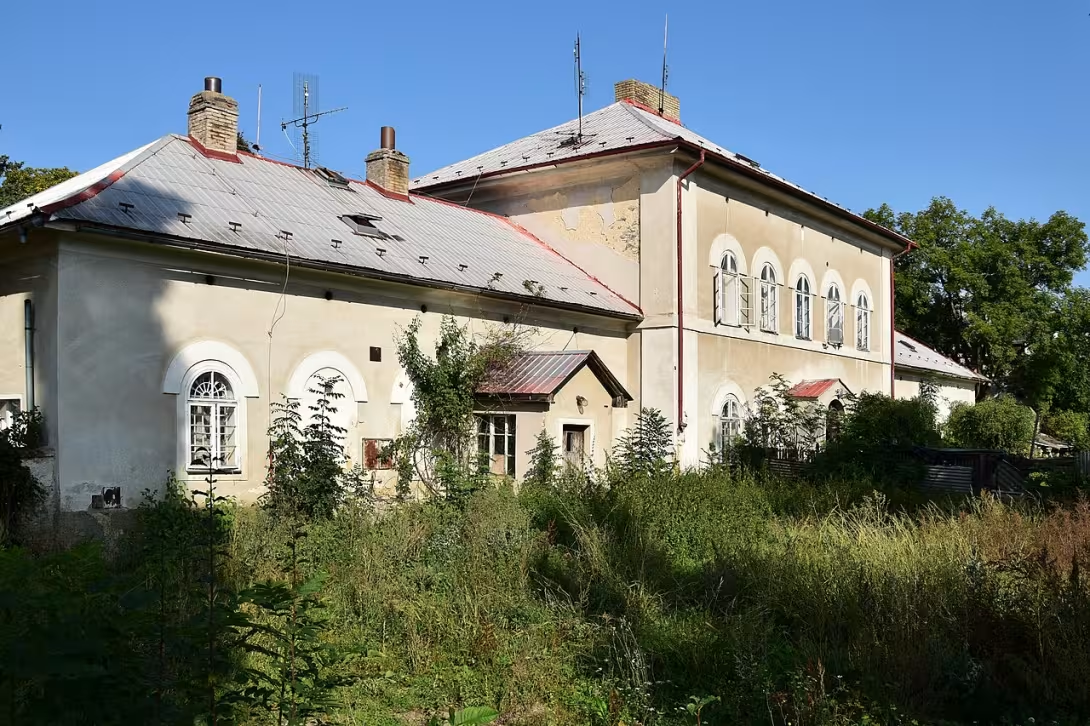
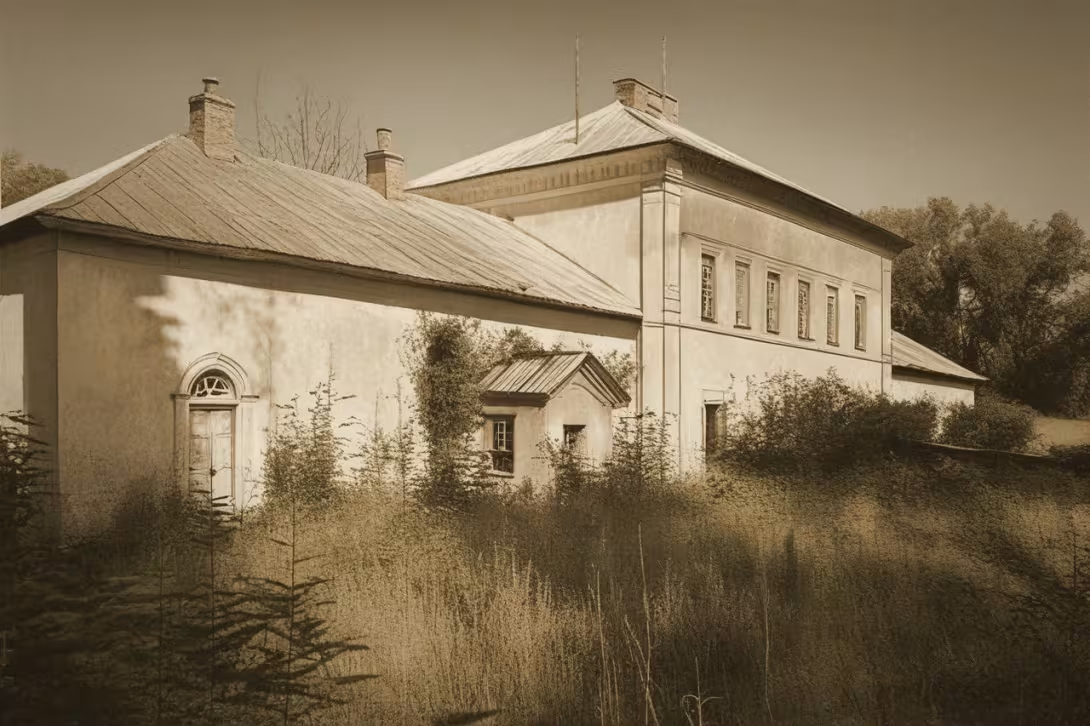
The historical appearance on the left is an AI-generated visualisation and serves as inspiration only.
Historical milestones
- 1820
- Construction of Zemědělský dvůr Amálie begins.
- 1804
- Start of the Austrian Empire, context for Amálie's construction.
- 1820
- Neoclassical architectural style becomes prevalent in Bohemia.
- late 19th to early 20th century
- Pheasant breeding documented at Amálie.
- 20th century
- Václav Havel frequents the hunting lodge at Amálie.
Architectural development
The complex was constructed around 1820 in the Neoclassical style. It is notable for its monumental granary, which was built following standardized architectural models for such structures.
Owners
The presidential residence in Lány
Points of interest
- The Zemědělský dvůr Amálie is a notable Neoclassical monument built around 1820 in Ruda, within the Rakovník district of Středočeský kraj. – It features a monumental granary that exemplifies standardized architectural designs typical of rural infrastructure from the early 19th century. – The estate is linked to pheasant breeding grounds and the presidential residence in Lány, adding historical significance. – Václav Havel once frequented a hunting lodge on the site, enhancing its historical depth. – Pheasant breeding at Amálie has been documented since the late 19th and early 20th centuries, underscoring its role in local traditions.
Guide
This guide is narrated by a synthetic voice generated by artificial intelligence.
Show guide text
This text was created by artificial intelligence and has not been editorially reviewed. It may contain inaccuracies.
Welcome to the quiet and scenic landscape of Ruda in the Středočeský kraj. You are now standing before the Zemědělský dvůr Amálie, a place where history, architecture, and the rhythms of nature have converged for over two centuries. As you take your first look at the complex, let your eyes wander across the layout of the estate. You are not just looking at a collection of farm buildings, but at a carefully planned monument to a specific era of agricultural ambition. There is a certain stillness here, a sense of order and purpose that still lingers in the air, inviting you to step back in time to a period when the way we managed the land was undergoing a profound transformation.
To truly understand what you are seeing, we have to travel back to the early 19th century. The construction of Zemědělský dvůr Amálie began around 1820. To put this into perspective, the broader historical context was shaped by the establishment of the Austrian Empire in 1804. This was a time of great reorganization across Central Europe. In Bohemia, this period saw a shift toward more scientific and systematic approaches to farming. The creation of estates like this one was not accidental; they were designed to be models of efficiency and progress. The goal was to move away from haphazard rural settlements and instead create structured, productive hubs that could support the growing needs of the empire.
Now, I invite you to focus your attention on the architecture. As you look at the buildings before you, you will notice a distinct sense of balance and symmetry. This is because Zemědělský dvůr Amálie was built in the Neoclassical style, which became the dominant architectural language in Bohemia during the 1820s. Neoclassicism was all about rationality, clarity, and a return to the ideals of antiquity. When you apply these high-art principles to an agricultural court, the result is something quite unique. Instead of the rustic, organic growth typical of most villages, you see a disciplined arrangement of space.
Please turn your gaze toward the most striking feature of the complex: the monumental granary. This building serves as the primary landmark of the entire estate. As you observe its scale and form, consider that this granary is a prime example of the standardized architectural designs used for rural infrastructure in the early 19th century. In those days, architects and planners developed model designs that could be replicated to ensure maximum utility and durability. The granary was the heart of the operation, the vault where the wealth of the land was stored. Its imposing presence was meant to signal stability and prosperity. Notice how the structure dominates the skyline of the court, acting as a silent witness to the countless harvests that have passed through its doors.
As we move from the stones and mortar to the stories of the people who frequented this place, the history of Zemědělský dvůr Amálie becomes even more intriguing. This estate was not merely a place of labor; it was deeply connected to the surrounding wilderness and the traditions of the hunt. From the late 19th century into the early 20th century, the area became well-known for its pheasant breeding grounds. The management of game was a prestigious endeavor, blending the needs of nature conservation with the sporting traditions of the elite. The court served as the administrative and logistical center for these activities, bridging the gap between the cultivated fields and the wild forests of the Rakovník district.
This connection to the landscape and the tradition of the hunt eventually drew some of the most significant figures of Czech history to this location. One of the most notable personalities associated with the site was Václav Havel. The former president was known to frequent the hunting lodge here at Zemědělský dvůr Amálie. Imagine the contrast: a man burdened with the immense weight of leading a nation through a period of historic transition, seeking solace and reflection in the quietude of Ruda. For someone like Václav Havel, this place likely offered a necessary retreat from the intensity of political life, providing a space where he could reconnect with the simplicity of the outdoors and the timelessness of the Bohemian countryside.
There is something fascinating about the way this site has evolved. It began as a symbol of the Austrian Empire's drive for agricultural standardization and ended up as a place of quiet reflection for a modern democratic leader. It is a rare intersection of imperial bureaucracy and personal intimacy. One of the most interesting aspects to ponder while you stand here is the concept of the model farm. In the 1820s, Zemědělský dvůr Amálie was essentially a prototype, a vision of how the future of farming should look. It was an attempt to impose human order on the unpredictability of nature. Yet, as you look around today, you can see how nature has reclaimed its place, softening the edges of the Neoclassical lines and integrating the monumental granary into the rolling hills of the Středočeský kraj.
As you spend the next few minutes exploring the grounds, I encourage you to think about the layers of time beneath your feet. Think of the laborers who moved the grain in the 1820s, the gamekeepers who tended to the pheasants a century later, and the quiet walks taken by Václav Havel. Each of these eras left an invisible mark on the atmosphere of this place. The beauty of Zemědělský dvůr Amálie lies not just in its architectural symmetry, but in its ability to survive as a fragment of a vanished world.
Before you move on to the next part of your journey, take one last look at the granary and the surrounding court. Feel the scale of the buildings and the openness of the landscape. Whether you are drawn to the precision of Neoclassical design or the echoes of the people who once called this place a sanctuary, there is much to appreciate in this quiet corner of Ruda.
Thank you for joining me for this brief journey through the history of Zemědělský dvůr Amálie. Please feel free to wander further, breathe in the fresh air of the countryside, and discover the remaining secrets of this historic estate at your own pace. Enjoy the rest of your visit.
Tips for visitors
The best time to visit the Amálie agricultural court is during late spring or early autumn, when the weather is mild and pleasant for exploring outdoor sites. During these seasons, the surrounding landscape of Ruda is particularly beautiful, with lush greenery that enhances the Neoclassical architecture of the monument. Additionally, visiting outside of peak tourist season can provide a more serene experience, allowing you to appreciate the historical significance without large crowds.
Parking and transportation options are convenient for visitors to Amálie. The site is accessible by both car and public transport. If driving, there are parking facilities nearby that accommodate visitors. For those preferring public transport, it's advisable to check current bus routes in advance using a travel app or website, as this can provide the most up-to-date information on how to reach Ruda from major transit hubs.
When planning your visit, consider bringing comfortable walking shoes and weather-appropriate clothing, especially if you plan to explore the surrounding areas. A camera is also recommended for capturing the picturesque views of the Neoclassical architecture and the natural beauty of the pheasant breeding area nearby. For photography enthusiasts, early morning or late afternoon light provides the best conditions for taking stunning photos, as the soft lighting accentuates the architectural details.
In terms of nearby attractions within a 30-minute drive, visitors can explore the presidential residence in Lány, which is close to Amálie and offers insights into Czech history and culture. For families with children, this area provides an educational experience that combines historical exploration with scenic outdoor spaces perfect for leisurely walks or picnics.
For families visiting with children, the site offers a unique opportunity to engage young minds with its rich architectural heritage and natural surroundings. While there are no specific family-oriented facilities directly at Amálie, the nearby areas provide ample space for children to play and explore safely. Additionally, the educational aspect of learning about Neoclassical architecture can be both fun and informative for younger visitors.
Businesses nearby
Do you run a restaurant, accommodation, shop, museum, rental, wellness or other visitor service near this monument? Show yourself directly to the people heading to it — this is how they will see you in the app and on the web:
Events nearby
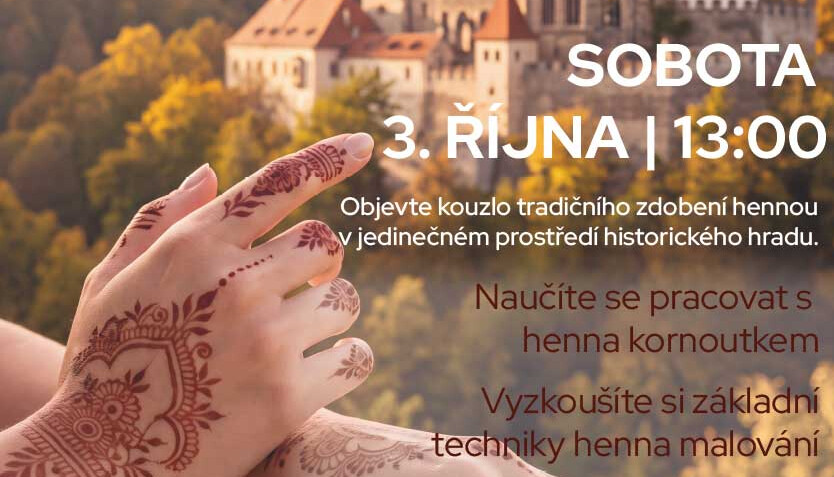
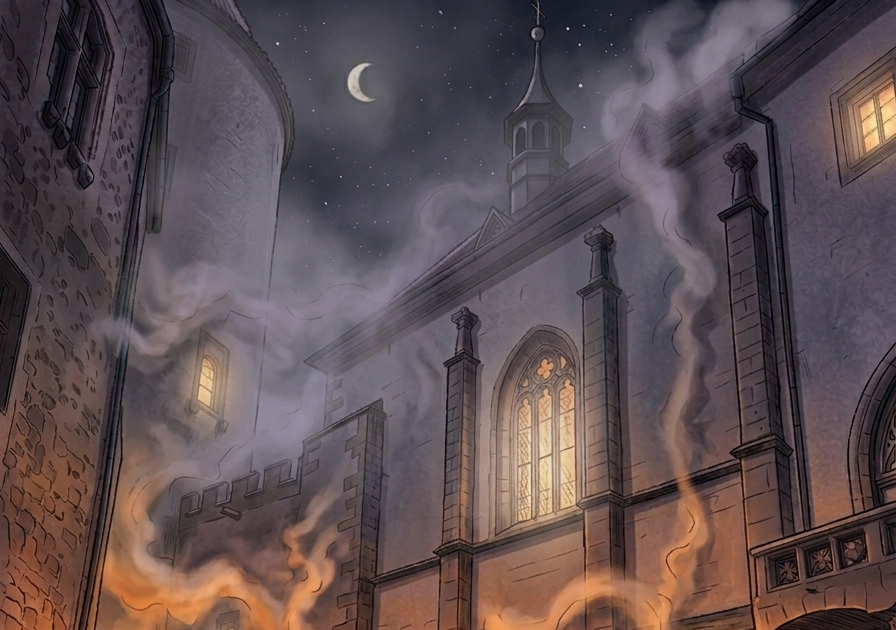
Zdroj akcí: otevřená data měst a obcí ČR (Národní katalog otevřených dat) a kalendář akcí Národního památkového ústavu.
Nearby
The site is situated within the pheasant breeding area of Amálie and is near the presidential residence in Lány.
Accommodation nearby
Themed route
Thematic Tour Itinerary: The Amálie Agricultural Estate and Surroundings
1. Zemědělský dvůr Amálie (Agricultural Farm Amálie) - *Type:* Historical Agricultural Site - *Why Visit:* Begin your journey at the heart of traditional Czech agriculture with Zemědělský dvůr Amálie. This estate offers a glimpse into historical farming practices and is renowned for its role in pheasant breeding, providing an authentic experience of rural life.
2. Pheasant Breeding Area of Amálie - *Type:* Wildlife Habitat - *Why Visit:* Explore the lush surroundings of the pheasant breeding area near Zemědělský dvůr Amálie. This serene landscape not only supports local wildlife but also offers picturesque views, making it an ideal spot for nature enthusiasts and photographers.
3. Presidential Residence in Lány - *Type:* Historical Residence - *Why Visit:* Conclude your tour with a visit to the presidential residence in Lány. Located nearby, this elegant estate is steeped in history and offers insight into Czech political heritage. While access may be limited, its proximity allows for an appreciation of its architectural beauty from the surrounding area.
This itinerary provides a comprehensive exploration of the Amálie Agricultural Estate and its significant surroundings, ensuring a culturally enriching experience within the charming region of Středočeský kraj.
Seasonal recommendations
Spring: The arrival of spring at Zemědělský dvůr Amálie brings a vibrant transformation as the landscape bursts into life with blooming flowers and fresh greenery, creating an enchanting atmosphere perfect for leisurely exploration. Natural light is abundant during this time, illuminating the historic farmstead in soft hues that enhance its rustic charm. Visitors are advised to wear comfortable layers, as temperatures can vary throughout the day. Early morning visits are recommended to avoid larger crowds and fully appreciate the serene beauty of spring.
Summer: Summer at Zemědělský dvůr Amálie is characterized by long days filled with warm sunlight that accentuates the rich textures of the historic buildings and surrounding fields. The lush, verdant landscape offers a picturesque backdrop for outdoor activities and photography. This season often sees an influx of visitors, so arriving early in the day can help avoid peak crowds. Dressing in light, breathable clothing is advisable to stay comfortable during your visit.
Autumn: Autumn at Zemědělský dvůr Amálie provides a stunning display of colors as leaves turn shades of gold and crimson, creating a picturesque setting against the historic structures. The cooler temperatures make for pleasant exploration, with the soft autumn light adding a warm glow to the farmstead's features. This season is ideal for photography enthusiasts looking to capture the changing landscape. Visitors should consider wearing layers to adapt to fluctuating temperatures throughout the day.
Winter: Winter brings a unique charm to Zemědělský dvůr Amálie, with snow often blanketing the historic site in a serene white coat that transforms its appearance into something magical and otherworldly. The shorter days mean less natural light, but this can create dramatic shadows and contrasts against the snowy backdrop. It's important to dress warmly in winter attire, as temperatures can be quite cold. Early visits are recommended due to potentially reduced opening hours during this season.
Visualizations and artistic views


The visualisations are generated by artificial intelligence and serve as inspiration.
Tips from visitors
No tips yet. Be the first!
Log in and add your tip.
Sources and literature
Fotografie: Petr Kinšt / CC BY-SA 4.0 — Wikimedia Commons. The author and licence also appear when you hover over the image.
Faktickým podkladem tohoto textu byl článek na Wikipedii, jehož autory jsou přispěvatelé Wikipedie. Článek je dostupný pod licencí CC BY-SA 4.0.
Location on the map
Příběhy a pověsti
Legendy, pověsti a příběhy spjaté s touto památkou
Fotografie návštěvníků
Zatím žádné fotografie. Buďte první, kdo přidá fotografii z návštěvy!
Přihlaste se a přidejte svou fotografii nebo hodnoťte.
Za ověřenou návštěvu v aplikaci získáte víc bodů — poznáme podle GPS, že jste na místě.
Reviews and comments