






Zichpil Settlement
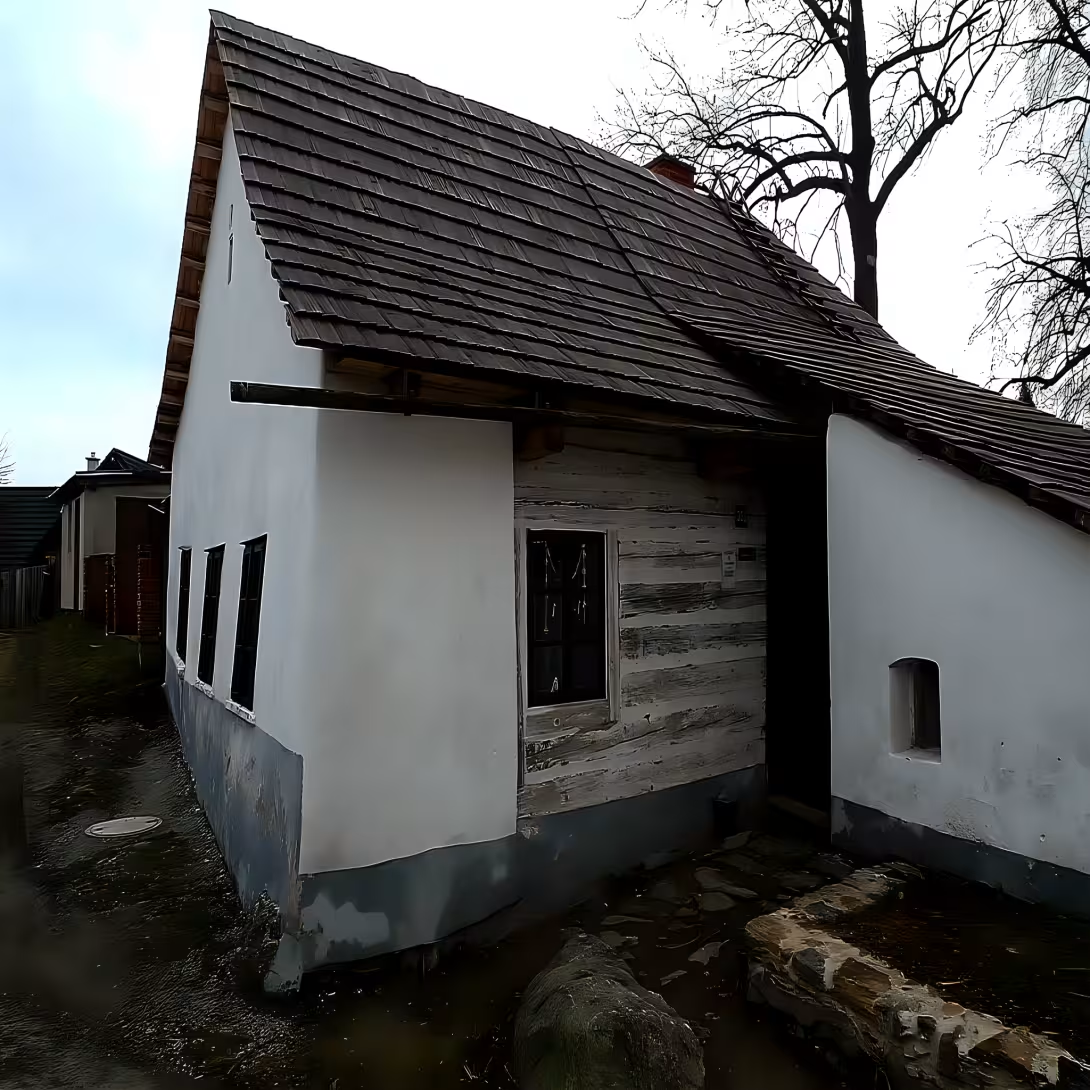
Zichpil is a historic neighborhood in Humpolec, situated between the cemetery, Horní náměstí, and Židovské město. Its origins date back to the late 17th century when it began as a settlement primarily for Jews. The area gained prominence at the start of the 19th century with its characteristic wooden houses inhabited by small craftsmen. Today, Zichpil stands as a testament to the region's historical and cultural evolution, notably marked by the tolerance prayer house built in 1785.
The development of Zichpil began in the late 17th century when Jews started settling outside the main town. Initially, the neighborhood featured scattered and simple structures due to its location beyond Starý Humpolec. The construction of a tolerance prayer house in 1785 marked a significant turning point, initiating more cohesive development influenced by Josephine reforms under Emperor Joseph II. These reforms were part of broader religious and social changes within the Habsburg Monarchy, promoting greater religious freedom and influencing settlement patterns across regions like Zichpil.
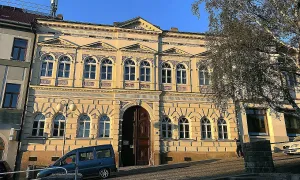
Architecturally, Zichpil was initially composed of simple wooden or half-wooden houses that reflected its status as a home for poorer inhabitants. These structures were primarily occupied by small craftsmen who contributed to the local economy. The construction of the tolerance prayer house in 1785 played a crucial role in shaping the neighborhood's architectural landscape, encouraging more continuous building development and reflecting the era's progressive reforms.
Throughout its history, Zichpil experienced significant changes, particularly from the mid-20th century onwards. Starting in the 1960s, many of the original buildings were gradually demolished to make way for modern panel constructions. This trend continued into the 1980s, further altering the neighborhood’s historical fabric. Despite these transformations, certain elements like the tolerance prayer house remain as reminders of Zichpil's rich past.
Today, Zichpil is a blend of its historic roots and contemporary developments. While much of the original architecture has been replaced by modern panel buildings, the area still holds cultural significance. The tolerance prayer house stands as a key historical site, offering insight into the neighborhood’s diverse heritage. Visitors to Humpolec can explore this unique part of Zichpil, appreciating its role in reflecting broader societal changes over centuries.
Zichpil's enduring legacy lies in its ability to encapsulate the dynamic history and cultural shifts within Humpolec. It serves as a poignant reminder of the region’s past while continuing to evolve in the present. For those interested in exploring the layers of history that have shaped this area, Zichpil offers a compelling narrative worth visiting.
Then and now
Drag the slider to compare how the landmark may have looked when it was built with the view today.
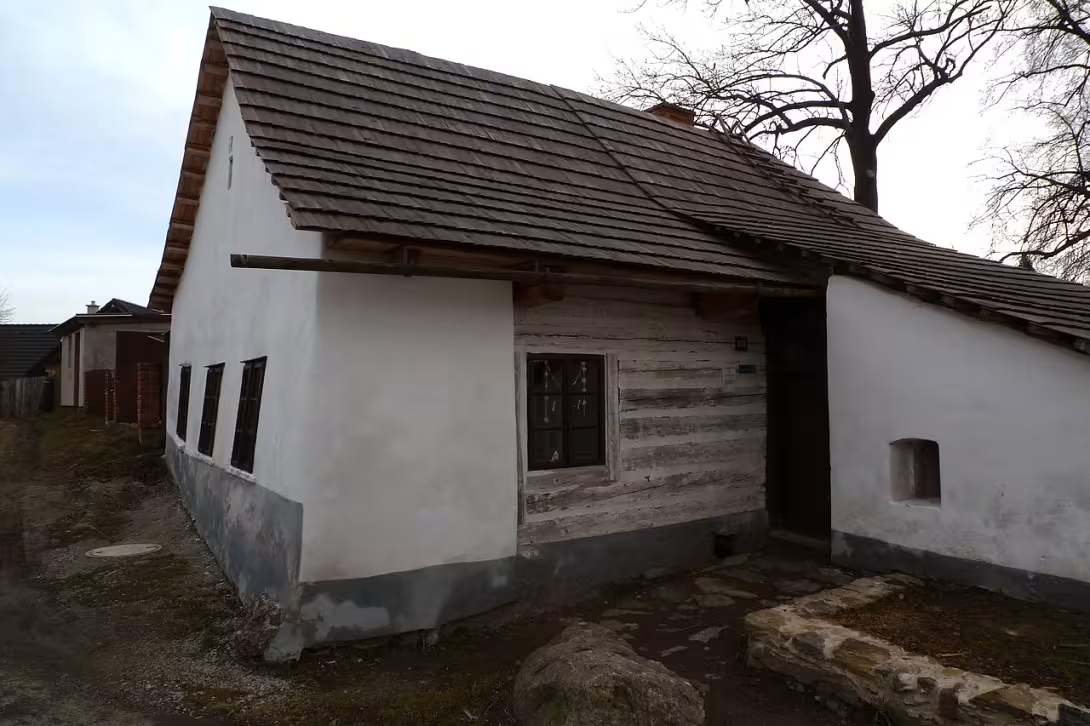

The historical appearance on the left is an AI-generated visualisation and serves as inspiration only.
Historical milestones
- late 17th century
- Zichpil began as a settlement primarily for Jews.
- 1785
- Construction of the tolerance prayer house in Zichpil.
- early 19th century
- Zichpil gained prominence with characteristic wooden houses for craftsmen.
- 1960
- Demolition of original buildings began, replaced by modern panel constructions.
- 1980
- Continued demolition and replacement with modern structures in Zichpil.
Architectural development
Initially, Zichpil featured scattered and simple structures due to its location outside the main town. The construction of a tolerance prayer house in 1785 initiated more cohesive development, influenced by Josephine reforms. By the early 19th century, the area saw its peak with predominantly wooden houses for small craftsmen. From the 1960s, original buildings were gradually demolished and replaced with panel constructions.
Historical events
Settlement began in the late 17th century, primarily by Jews.
Construction of a tolerance prayer house in 1785 marked the start of more continuous building development.
Guide
This guide is narrated by a synthetic voice generated by artificial intelligence.
Show guide text
This text was created by artificial intelligence and has not been editorially reviewed. It may contain inaccuracies.
Welcome to Zichpil, a historic neighborhood nestled in the heart of Humpolec, Vysočina. As you stand here, surrounded by the serene atmosphere of this unique area, take a moment to soak in your surroundings. You're positioned between the cemetery and Horní náměstí, with Židovské město nearby—a place rich with history and stories waiting to be uncovered.
Zichpil's story begins in the late 17th century when it emerged as a settlement primarily for Jewish residents. This area was envisioned as a home for craftsmen and laborers, reflecting a vibrant community spirit that has endured through centuries. As you look around, imagine the early days of Zichpil, where simple wooden or half-wooden houses dotted the landscape, each telling its own tale of resilience and craftsmanship.
In 1785, one of the first structures to rise in this neighborhood was the tolerance prayer house—a significant architectural piece that marked a new era for the community. This building symbolized acceptance and coexistence during a time when such ideals were rare. As you stand here today, envision its presence as a testament to the diverse cultural tapestry woven by those who called Zichpil home.
Moving into the early 19th century, Zichpil gained prominence with its characteristic wooden houses housing small craftsmen. These structures reflected not only the architectural style of the era but also the industrious nature of its inhabitants. Although modern developments have replaced many original buildings since the 1960s and 1980s, the spirit of those times lingers in the air.
The name Zichpil itself is a fascinating piece of history, believed to derive from the German word "Zieche," meaning a group of houses for workers. This etymology highlights its origins as a settlement specifically designed for Jewish craftsmen and laborers—a nod to the community's foundational role in shaping this area.
While there may not be many known architects or historical figures directly associated with Zichpil, the neighborhood itself is an embodiment of countless untold stories and lives that have passed through here. Each corner holds a whisper of the past, inviting you to explore further and connect with its enduring legacy.
As we conclude this auditory journey, I encourage you to continue exploring Zichpil at your own pace. Let each step be guided by curiosity as you uncover more layers of its rich history. Thank you for joining me today, and may your exploration be both enlightening and inspiring. Safe travels as you delve deeper into the heart of Humpolec's past.
Tips for visitors
The best time to visit Zichpil is during late spring or early fall when the weather is pleasant, making it ideal for exploring the historic neighborhood without the summer crowds or winter chill. During these months, you can enjoy comfortable temperatures and vibrant natural surroundings that enhance the charm of this historical site.
When visiting Zichpil, consider bringing comfortable walking shoes and weather-appropriate clothing since you'll likely be exploring on foot. A camera is also recommended to capture the unique architecture and historical ambiance of the area. Additionally, carrying a small backpack with water, snacks, and perhaps a map or guidebook can enhance your experience.
For photography enthusiasts, Zichpil offers several picturesque spots where natural light accentuates its historic character, especially during the golden hours of early morning or late afternoon. The contrast between modern panel buildings and the remnants of original structures creates compelling visual narratives. Exploring from different angles around Horní náměstí can yield stunning shots.
Nearby attractions within a 30-minute drive include the charming town center of Humpolec, which is rich in history and culture, and Židovské město (Jewish Town), offering insights into the area's diverse heritage. These sites provide additional context to Zichpil’s historical significance and are great for extending your exploration.
For families with children, visiting Zichpil can be an educational experience. The neighborhood's history offers a tangible connection to the past, which can be engaging for kids when explained in an interactive way. Consider bringing along some small toys or games that can be played while exploring, and take breaks at nearby parks if needed.
Frequently asked questions
Can the monument be visited?
This is a structure in a public space that can usually be seen from outside free of charge. We have not verified that this particular one is freely accessible.
Where is the monument?
Location: Humpolec, Kraj Vysočina. The map on this page shows the exact spot.
Businesses nearby
Do you run a restaurant, accommodation, shop, museum, rental, wellness or other visitor service near this monument? Show yourself directly to the people heading to it — this is how they will see you in the app and on the web:
Events nearby
Zdroj akcí: otevřená data měst a obcí ČR (Národní katalog otevřených dat) a kalendář akcí Národního památkového ústavu.
Nearby
Zichpil is situated near the cemetery, Horní náměstí, and Židovské město in Humpolec. The area has undergone significant changes over time, with original structures being replaced by modern panel buildings.
Accommodation nearby
Themed route
Thematic Walking Tour: Exploring Zichpil and Its Surroundings
1. Zichpil (Sídelní Útvar) - Type: Residential Complex - Why Visit: Begin your journey at the heart of this architectural transformation, where modern panel buildings now stand in place of historical structures. This site offers a glimpse into the evolution of Humpolec's urban landscape and serves as a starting point for understanding the area's rich history.
2. Horní náměstí - Type: Town Square - Why Visit: A short walk from Zichpil, Horní náměstí is an ideal spot to appreciate the town center's charm and vibrancy. The square provides a serene environment for reflection on how Humpolec has developed over time, offering insights into its cultural and social dynamics.
3. Židovské město - Type: Historic Jewish Quarter - Why Visit: Explore the remnants of Židovské město to delve into the historical layers of Humpolec. This area holds significant historical value, offering a poignant reminder of the diverse communities that once thrived here and their lasting impact on the town's heritage.
4. Local Cemetery - Type: Cemetery - Why Visit: Conclude your tour with a visit to the local cemetery near Zichpil. This site provides an opportunity for contemplation and reflection, offering insights into the lives of those who shaped Humpolec's history. The serene atmosphere makes it a fitting end to your exploration of this historically rich area.
This thematic route offers a comprehensive look at Zichpil and its immediate surroundings, highlighting the historical transformations and cultural significance of each site.
Seasonal recommendations
Spring: The arrival of spring at Zichovice introduces a vibrant atmosphere as the landscape awakens with blooming flowers and fresh greenery, creating picturesque views around the chateau. This season is ideal for nature enthusiasts who appreciate the blossoms along the trails and the soft light that enhances the architectural beauty of the site. Visitors should consider coming in late morning or early afternoon to avoid any lingering chill from the night and enjoy the full warmth of the day. Light layers are recommended as temperatures can vary, with cooler mornings giving way to pleasant afternoons.
Summer: Summer at Zichovice is marked by lush greenery and warm sunshine, making it a perfect time for exploring the chateau's extensive gardens and enjoying outdoor activities. The longer daylight hours allow visitors ample time to explore without feeling rushed. However, this season also attracts larger crowds, especially during peak tourist times, so arriving early in the morning can help avoid the busiest periods. Comfortable walking shoes and sun protection are essential due to the increased foot traffic on the paths and the strong summer sun.
Autumn: Autumn brings a magical transformation to Zichovice with its warm hues of reds, oranges, and yellows adorning the landscape. The cooler temperatures make for a comfortable visit without the need for heavy clothing, though a light jacket is advisable as evenings can become brisk. This season offers a serene atmosphere with fewer visitors compared to summer, providing an ideal opportunity for photography enthusiasts to capture the chateau against a picturesque autumnal backdrop. Late afternoon visits are particularly enchanting as the golden hour casts a warm glow over the site.
Winter: Winter at Zichovice presents a unique charm with snow-covered grounds and a quiet, reflective atmosphere that contrasts sharply with the busier seasons. The shorter days mean that visiting earlier in the day is advisable to make the most of the daylight hours available for exploring the chateau's interiors and gardens blanketed in snow. Visitors should dress warmly in layers, including thermal wear, hats, gloves, and waterproof boots, as temperatures can be quite low. The tranquility of winter offers a peaceful experience, with fewer crowds allowing for a more intimate exploration of this historic site.
Visualizations and artistic views


The visualisations are generated by artificial intelligence and serve as inspiration.
Photos from the area
Real photos taken near the monument

Zdroj a licence jsou uvedeny u každého snímku.
Tips from visitors
No tips yet. Be the first!
Log in and add your tip.
Sources and literature
Photos: VVendigo / CC BY-SA 3.0, rozlišení zvýšeno umělou inteligencí — Wikimedia Commons. The author and licence also appear when you hover over the image.
Faktickým podkladem tohoto textu byl článek na Wikipedii, jehož autory jsou přispěvatelé Wikipedie. Článek je dostupný pod licencí CC BY-SA 4.0.
Location on the map



Příběhy a pověsti
Legendy, pověsti a příběhy spjaté s touto památkou

Fotografie návštěvníků
Zatím žádné fotografie. Buďte první, kdo přidá fotografii z návštěvy!
Log in a přidejte svou fotografii nebo hodnoťte.
Za ověřenou návštěvu v aplikaci získáte víc bodů — poznáme podle GPS, že jste na místě.
Reviews and comments