






Žižkovské divadlo Járy Cimrmana Theatre
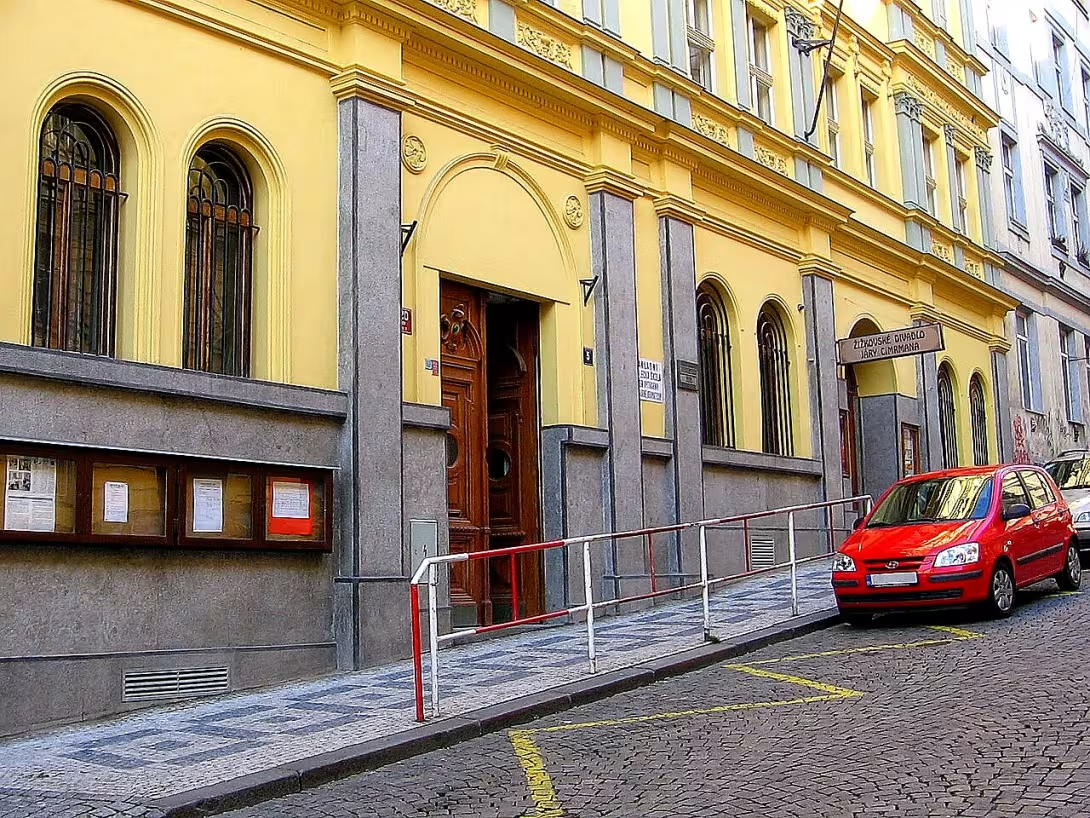
Žižkovské divadlo Járy Cimrmana, located at Štítného 520/5 in Prague's Žižkov district within Praha 3, is a notable cultural venue with a rich history dating back to its construction in 1875. Originally built as a neorenaissance structure serving various purposes over time, it now primarily hosts performances by Divadelní soubor Jára Cimrman and other groups like Divadlo AQUALUNG and the Cimrman English Theatre. Its transformation from a tavern to a chapel and eventually into a theater reflects broader societal changes in Prague during the late 19th century, making it an important cultural monument since its designation in 1992.
The building's origins trace back to 1875 when it was constructed as a neorenaissance structure initially serving as a tavern. Over time, it underwent significant transformations reflecting shifts in community needs and architectural trends. In the early 1880s, the original tavern space was replaced by a chapel dedicated to Mary, marking its first major transformation. This adaptation highlighted evolving religious practices of the period, with the chapel becoming Žižkov's only sacred space for some time until the construction of the Church of Saint Prokop between 1899 and 1903 nearby.
Architecturally, the building is a three-story structure with a courtyard wing, designed in the neorenaissance style. Its transformation into a theater was spearheaded by architect Jindřich Motejl after 1919. He adapted the original dance hall and chapel space to create Masarykova síň for performances, expanded the stage area by 1924, and made further modifications such as converting galleries into a balcony and adding a vestibule with dressing rooms in 1927. These changes were part of broader efforts to modernize the facility while preserving its historical essence.
Throughout its history, Žižkovské divadlo Járy Cimrmana has experienced various administrative and structural changes. After being closed for renovations due to outdated facilities in 1960, it reopened in the 1976-1977 season following significant updates. As of January 1, 2026, Martin Vokoun leads the theater, continuing its legacy as a hub for diverse theatrical productions.
The theater's history is marked by key events and curiosities that underscore its cultural significance. Its transformation from U rytíře Dalimila tavern to a chapel dedicated to Mary in the early 1880s reflects changing community dynamics. The building's adaptation into a theater space by Jindřich Motejl after World War I showcases innovative architectural responses to evolving artistic needs.
Today, Žižkovské divadlo Járy Cimrmana remains an accessible cultural landmark with a seating capacity of 230 in its main hall. Its continued operation as a venue for various theatrical groups makes it a vibrant part of Prague's cultural scene. Visitors are drawn not only to the performances but also to the theater's historical architecture and its role in the artistic life of Žižkov.
Žižkovské divadlo Járy Cimrmana stands as a testament to Prague's rich architectural and cultural history, offering visitors a unique blend of historical significance and contemporary theatrical artistry. Its enduring legacy invites exploration and appreciation from those interested in the dynamic interplay between past and present in one of Europe's most storied cities.
Then and now
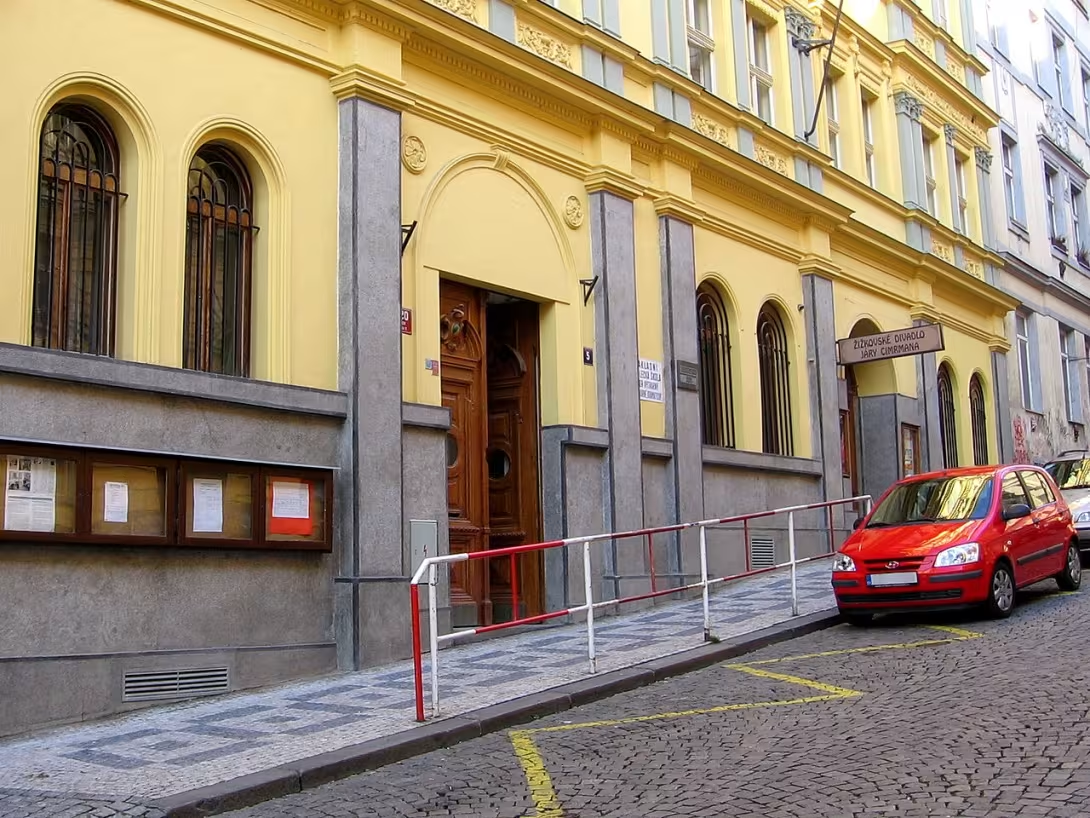
Drag the slider to compare how the landmark may have looked when it was built with the view today.
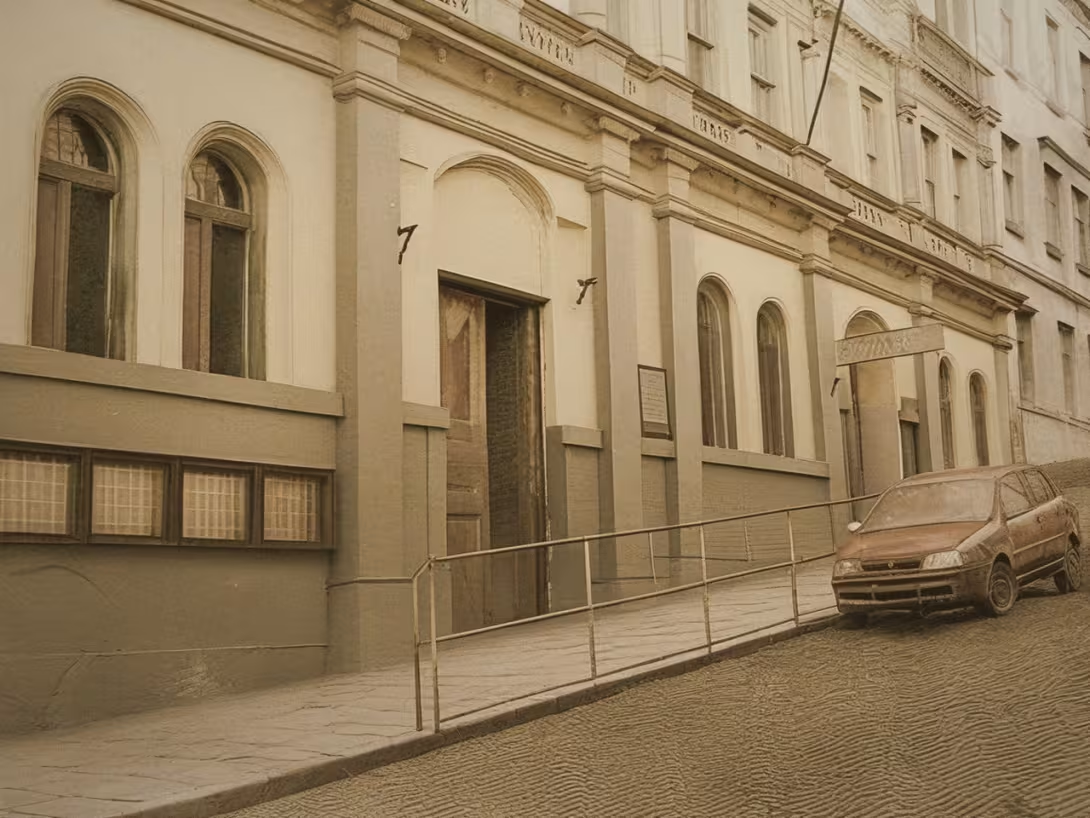
The historical appearance on the left is an AI-generated visualisation and serves as inspiration only.
Historical milestones
- 1875
- The building was constructed as a neorenaissance structure.
- 1882
- The original tavern space was converted into a chapel dedicated to Mary.
- 1924
- The stage area was expanded and improved.
- 1960
- The theater was closed for renovations due to outdated facilities.
Architectural development
Originally constructed as a neorenaissance building in 1875, it served initially as a tavern. In the early 1880s, it was transformed into a chapel dedicated to Mary. Architect Jindřich Motejl adapted the space for theatrical use after 1919, creating Masarykova síň and expanding the stage area by 1924. The theater underwent significant renovations in 1960 due to outdated facilities.
Historical events
In the early 1880s, the original tavern was replaced by a chapel dedicated to Mary, marking its first significant transformation.
Between 1899 and 1903, a church dedicated to Saint Prokop was built nearby, altering the religious landscape of Žižkov.
The theater underwent major renovations in 1960 due to outdated facilities but reopened in the 1976-1977 season after reconstruction.
Points of interest
- The Žižkovské divadlo Járy Cimrmana originally served as a tavern named U rytíře Dalimila before its transformation into a chapel and later a theater, illustrating the building's dynamic adaptation to community needs over time.
- In the early 1880s, the original tavern was replaced by a chapel dedicated to Mary, making it Žižkov's sole sacred space for several years until the nearby Church of Saint Prokop was constructed between 1899 and 1903.
- Architect Jindřich Motejl led the transformation of the building into a theater after World War I, converting spaces creatively to accommodate performances, including turning galleries into balconies and adding a vestibule with dressing rooms by 1927.
- The theater underwent significant renovations in the mid-20th century due to outdated facilities; it was closed for modernization efforts but reopened in the 1976-1977 season, ensuring its continued relevance as a cultural venue.
- Despite its historical transformations, the theater has maintained a seating capacity of 230 in its main hall, allowing it to remain an accessible and vibrant part of Prague's artistic community.
Guide
This guide is narrated by a synthetic voice generated by artificial intelligence.
Show guide text
This text was created by artificial intelligence and has not been editorially reviewed. It may contain inaccuracies.
Žižkov's Járy Cimrman Theater is known mainly thanks to the Járy Cimrman Theater ensemble. However, a number of other ensembles perform here as well, such as Divadlo Aqualung, Divadlo 3D Company, Cimrman English Theatre, or Divadlo Antonína Dvořáka Příbram. Other theater organizations occasionally visit as well. Since the beginning of 2026, the theater has been led by Martin Vokoun.
The theater is located in a neo-Renaissance row house on Štítného street in Žižkov. It is a three-story building with a courtyard wing, built in 1875. Originally, there was an inn with a dance hall on the ground floor. It was first called U rytíře Dalimila, and later U Jana Lucemburského.
At the beginning of the eighteen eighties, the inn ceased to exist. The dance hall was converted into a chapel dedicated to the Virgin Mary in 1882. It was the only sacred space in all of Žižkov at that time. The Church of Saint Prokop on the nearby Sladkovského square was built between 1899 and 1903. The street building was extended by one floor and housed a gymnasium, and later a commercial school. The chapel became a school chapel.
After 1919, Žižkov's city engineer Jindřich Motejl rebuilt the spaces for the theater. From the former dance hall and chapel in the courtyard wing, the Masaryk Hall was created, where theater performances also took place. In 1924, the stage was renovated and expanded. Three years later, the galleries were converted into a balcony, and the street wing received a vestibule with cloakrooms.
In 1960, the theater was closed because its stage and safety equipment had become outdated. After reconstruction, it reopened in the 1976 to 1977 season. Since 1992, the building has been a cultural monument.
The hall seats 230 spectators. On the ground floor, there are ten rows, and on the front balcony, four more.
Tips for visitors
The best time to visit Žižkovské divadlo Járy Cimrmana is during the spring or fall when the weather is pleasant, allowing you to comfortably explore both the theater and its surrounding areas. These seasons offer a vibrant atmosphere with fewer crowds compared to summer, enhancing your experience of the cultural performances and historical architecture. Additionally, visiting during weekdays might provide a more relaxed environment than weekends.
When visiting, it's advisable to bring comfortable walking shoes as you might want to explore the surrounding area, including nearby landmarks like the Church of Saint Prokop. A light jacket or umbrella is also recommended due to the unpredictable weather in Prague. For those interested in performances, checking the schedule on the divadlo’s official website ahead of time can help plan your visit.
Photography enthusiasts will find several spots around Žižkovské divadlo Járy Cimrmana ideal for capturing its unique architecture and vibrant street life, especially during golden hour in the early morning or late afternoon. The area's dynamic mix of historical and modern buildings provides a rich backdrop for photos.
For families with children, visiting Žižkovské divadlo Járy Cimrmana can be an enriching experience, offering exposure to Czech culture through theater performances that often include humor and creativity appealing to all ages. The Church of Saint Prokop, located nearby, is also a worthwhile visit for its architectural beauty and historical significance, providing a calm contrast to the lively atmosphere of Žižkov.
Frequently asked questions
Can the monument be visited?
The building is in use (offices, a school, shops and the like). The interior is generally accessible only during operating hours and tours are not usually offered; we have not verified the details. You can see the exterior from the street.
Where is the monument?
Location: Praha 3, Hlavní město Praha. The map on this page shows the exact spot.
Why is the monument protected?
It is listed in the Central List of Cultural Monuments of the Czech Republic as a cultural monument (register no. 1462657967).
Businesses nearby
Do you run a restaurant, accommodation, shop, museum, rental, wellness or other visitor service near this monument? Show yourself directly to the people heading to it — this is how they will see you in the app and on the web:
Events nearby

Zdroj akcí: otevřená data měst a obcí ČR (Národní katalog otevřených dat) a kalendář akcí Národního památkového ústavu.
Nearby
Žižkov is characterized by its vibrant cultural scene and historical architecture. Nearby landmarks include the Church of Saint Prokop, built between 1899 and 1903.
Accommodation nearby
Trips and activities nearby
Guided tours, tickets and activities nearby from GetYourGuide
Affiliate link: if you buy from the partner, we may receive a commission. The price for you does not change.
Search tours and activities →Themed route
Thematic Walking Tour: Žižkov's Cultural and Historical Journey
1. Žižkovské divadlo Járy Cimrmana (Theatre)
Type: Theatre
Why Visit: Begin your journey at the heart of Žižkov's cultural scene, the Žižkovské divadlo Járy Cimrmana. This unique theatre is dedicated to the works of the fictional Czech writer Jára Cimrman and offers a blend of comedy, satire, and thought-provoking performances that capture the essence of Prague’s vibrant arts scene.
2. Church of Saint Prokop
Type: Church
Why Visit: A short walk from the theatre, the Church of Saint Prokop is an architectural gem built between 1899 and 1903. Its eclectic style combines elements of Romanesque Revival with Art Nouveau influences, making it a fascinating example of Prague’s rich architectural history.
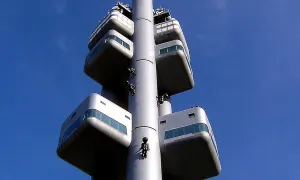
3. Žižkov Television Tower
Type: Observation Tower
Why Visit: Although not explicitly mentioned in the provided context, the Žižkov Television Tower is an iconic landmark within walking distance from both the theatre and Church of Saint Prokop. Its unique UFO-like structure offers panoramic views of Prague, providing a modern contrast to the historical architecture you’ve just explored.
4. Žižkov Square
Type: Public Square
Why Visit: Conclude your tour at Žižkov Square, where the television tower stands tall. This lively area is surrounded by cafes and street art, reflecting the neighborhood’s dynamic character. It's a perfect spot to relax and reflect on the cultural and historical insights you've gathered during your walk.
This thematic route offers an engaging exploration of Žižkov’s cultural landmarks and architectural wonders, providing a well-rounded experience of this vibrant Prague district.
Seasonal recommendations
Spring: Visiting Žižkovské divadlo Járy Cimrmana during spring offers a delightful experience as the city awakens with vibrant greenery and blooming flowers, creating a picturesque backdrop for your exploration of this historic theater. The gentle warmth and longer daylight hours enhance the charm of Prague's streets leading to the venue. It’s an ideal time to stroll through nearby parks or gardens before attending a performance. While spring can bring occasional rain showers, it is generally mild, so bringing a light jacket might be wise. This season tends to have fewer tourists compared to summer, allowing for a more relaxed visit.
Summer: Summer at Žižkovské divadlo Járy Cimrmana is marked by long days and warm evenings, perfect for enjoying the lively atmosphere of Prague's cultural scene. The city buzzes with activity as outdoor cafes and street performers add to the vibrant ambiance. Light, breathable clothing is recommended due to the summer heat, along with comfortable walking shoes for exploring the surrounding areas. Evening performances can be particularly enjoyable when the city's lights twinkle against a clear night sky.
Autumn: Autumn brings a unique charm to Žižkovské divadlo Járy Cimrmana, as Prague is transformed into a canvas of warm hues with its iconic architecture set against a backdrop of golden leaves. The cooler temperatures and crisp air make it an inviting time for theater enthusiasts to enjoy performances without the summer crowds. This season often sees a more relaxed pace in the city, allowing visitors to fully immerse themselves in the local culture. Layered clothing is recommended to adapt to fluctuating temperatures throughout the day, ensuring comfort as you explore both the divadlo and Prague’s enchanting streets.
Winter: During winter, Žižkovské divadlo Járy Cimrmana offers a cozy escape from the cold with its inviting performances that capture the heart of Czech culture. The city is adorned in festive lights and decorations, creating a magical atmosphere as snow often blankets the historic streets. Winter crowds tend to be smaller compared to summer, providing a more intimate experience at the theater. It’s essential to dress warmly, layering clothing to stay comfortable during outdoor exploration before or after shows. Additionally, performances may have shorter run times due to reduced daylight hours, so planning your visit with these considerations in mind can enhance your experience.
Visualizations and artistic views


The visualisations are generated by artificial intelligence and serve as inspiration.
Photos from the area
Real photos taken near the monument


Zdroj a licence jsou uvedeny u každého snímku.
Tips from visitors
No tips yet. Be the first!
Log in and add your tip.
Sources and literature
Photos: User Vlastula on en.wikipedia, more photos here / Public domain — Wikimedia Commons. The author and licence also appear when you hover over the image.
Faktickým podkladem tohoto textu byl článek na Wikipedii, jehož autory jsou přispěvatelé Wikipedie. Článek je dostupný pod licencí CC BY-SA 4.0.
Location on the map

Příběhy a pověsti
Legendy, pověsti a příběhy spjaté s touto památkou

Příběh: Žižkovské divadlo Járy Cimrmana
Bylo to v pondělí ráno, kdy Jan Hlaváček náhle zastavil před budovou Žižkovského divadla Járy Cimrmana a zadrhl se na hluboký zvuk praskajících střech. Byl t…
Číst příběh
Pověst: Žižkovské divadlo Járy Cimrmana
Podle místní pověsti, kterou si staří žižkovští obyvatelé předávali z pokolení na pokolení, nebylo místo v ulici Štítného nikdy prostým místem. Říkalo se, že…
Číst příběhFotografie návštěvníků
Zatím žádné fotografie. Buďte první, kdo přidá fotografii z návštěvy!
Log in a přidejte svou fotografii nebo hodnoťte.
Za ověřenou návštěvu v aplikaci získáte víc bodů — poznáme podle GPS, že jste na místě.
Reviews and comments