






zvon Josef Church bell
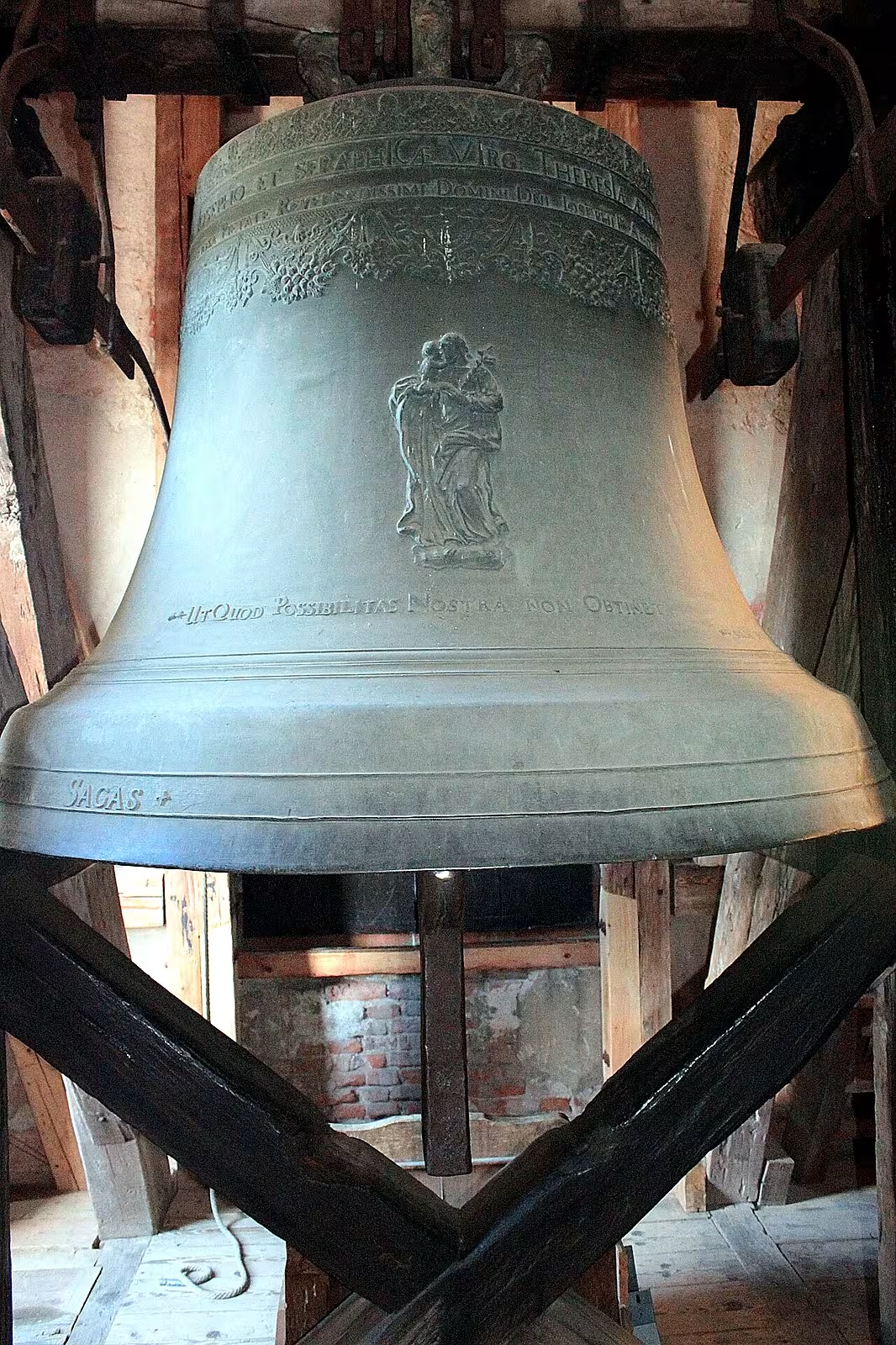
The Josef Bell is a historical monument located in Prague Castle's Great Tower, specifically within St. Vitus Cathedral. Crafted in 1602 by bell founder Martin Hilger, this Baroque-style church bell stands out for its intricate engravings and Latin inscriptions that reflect the artistic craftsmanship of its time. Its placement enhances the unique atmosphere of the cathedral, making it a notable feature within Prague Castle's rich tapestry of historical monuments.
The creation of the Josef Bell in 1602 by Martin Hilger occurred during a period when Bohemia was part of the Habsburg Monarchy. This era was marked by significant cultural and religious developments characteristic of the Baroque period, which saw a flourishing of arts and architecture across Europe. The bell's design reflects these artistic trends, showcasing detailed engravings and ornate reliefs typical of the time.
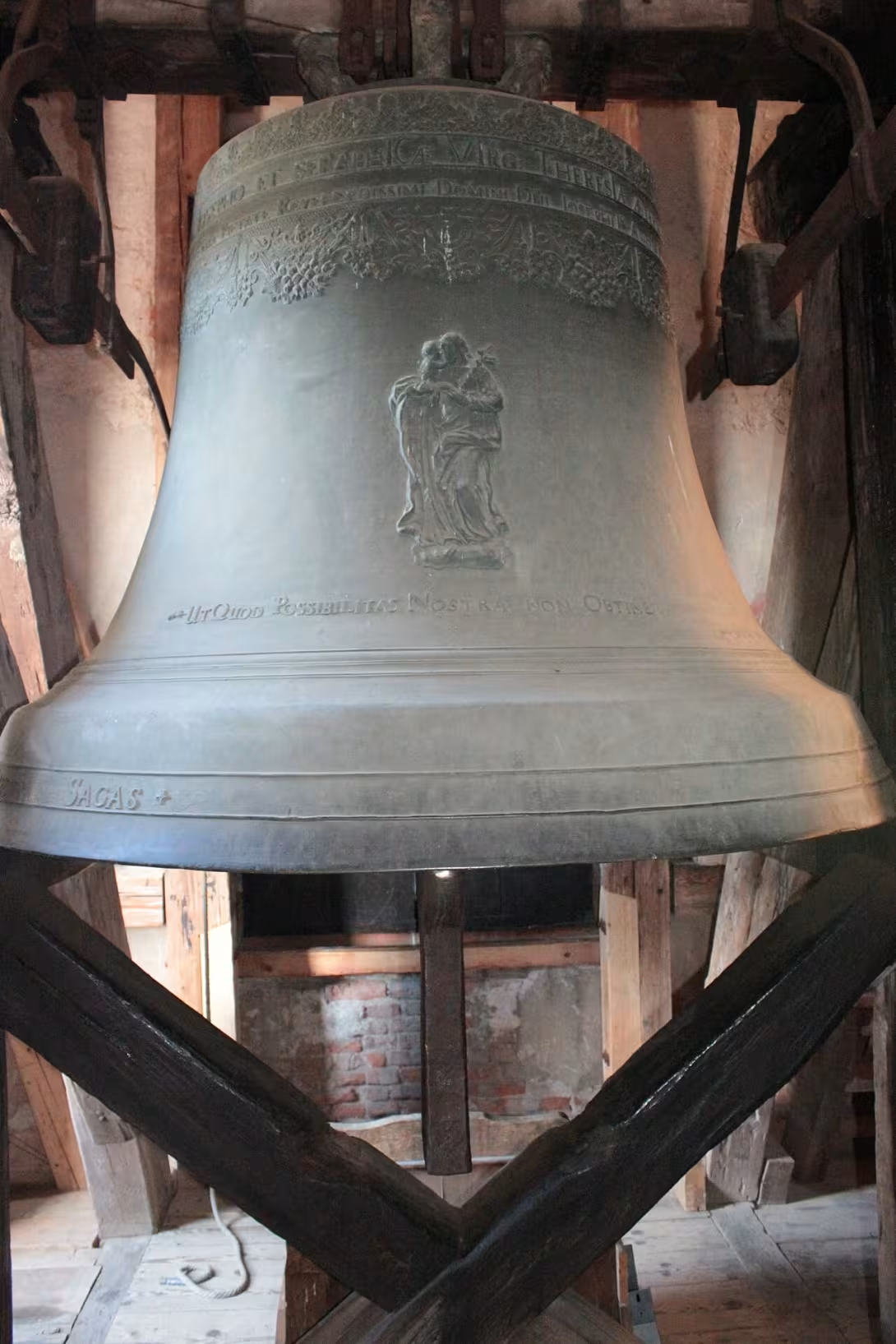
Architecturally, the Josef Bell is distinguished by its Baroque style, featuring a lower diameter of 82 cm and a height of 62 cm. Its design includes a six-pronged crown without ornaments and a one-line inscription: "AO : D.: M . DCII REFVSA E HAEC CAMPANA PER MEMARTINVM HILGERVM AD GLA (DEI)." Below this, an ornamental band composed of vertical acanthus leaves adds to its decorative appeal. The bell's neck bears the relief of the Immaculate Mary with Child standing on a crescent moon, symbolizing purity and divinity. On the opposite side is another inscription: "S. B. A. P," accompanied by the coat of arms of Archbishop Berka z Dubé, who was the donor of the bell.
Throughout its history, the Josef Bell has remained in good condition, thanks to careful preservation efforts. It is suspended on a wooden head within an iron structure on the second floor of the Great Tower's southern side, adjacent to another notable bell dedicated to St. Wenceslas. This placement not only highlights its historical significance but also ensures it remains accessible for visitors.
Today, the Josef Bell continues to be a significant attraction within Prague Castle, surrounded by other historical monuments such as St. Vitus Cathedral and the Golden Lane. The castle itself offers panoramic views of Prague, making it an ideal destination for those interested in history and architecture. Visitors can appreciate the bell's intricate design and its role within the broader context of Baroque artistry.
The Josef Bell stands as a testament to the artistic achievements of the early 17th century, offering insight into the cultural and religious milieu of the time. Its preservation allows contemporary audiences to connect with the past, making it an essential stop for anyone exploring Prague's historical landscape. Visitors are invited to experience this remarkable piece of history firsthand and appreciate its enduring legacy within one of Europe's most iconic castles.
Then and now
Drag the slider to compare how the landmark may have looked when it was built with the view today.
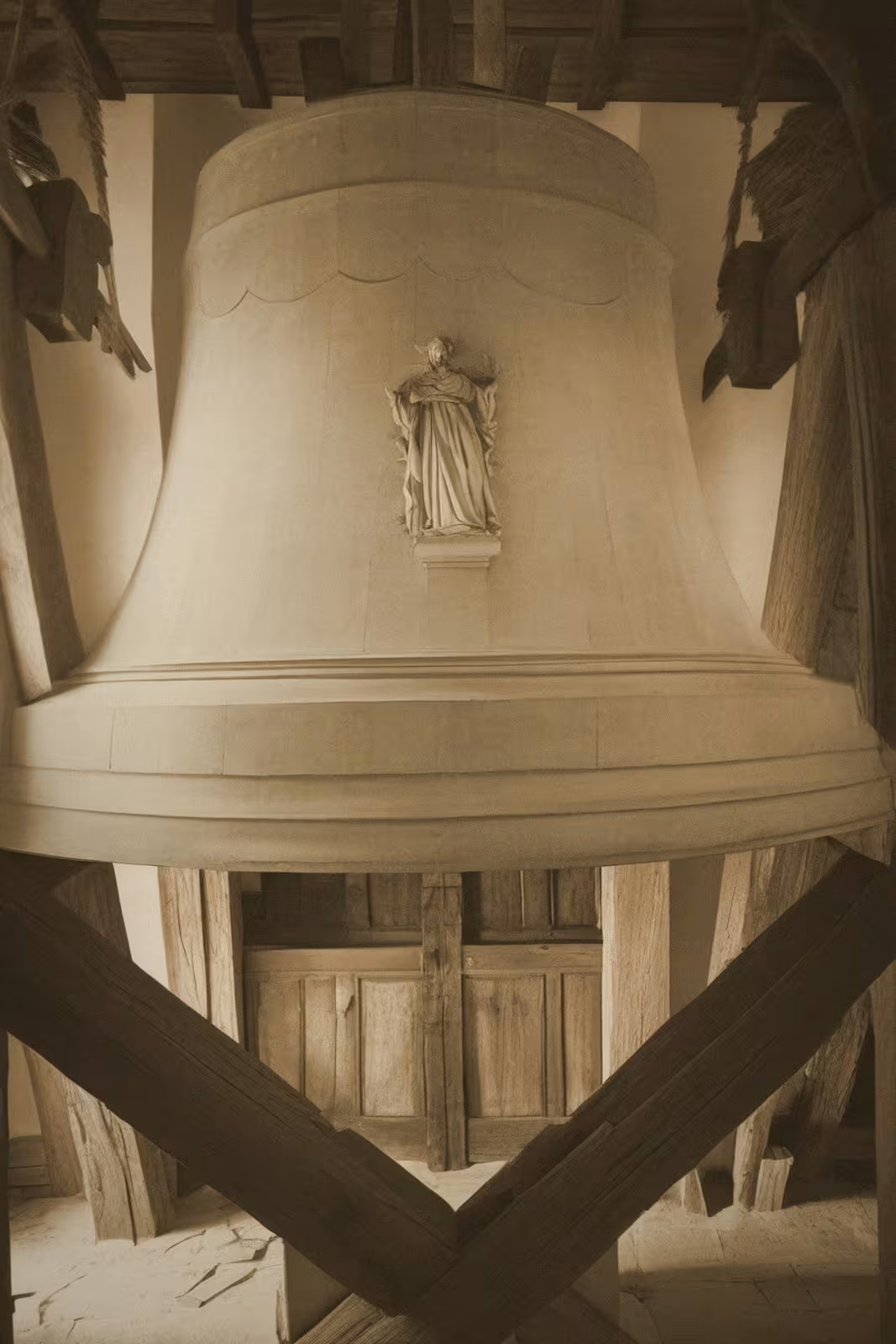
The historical appearance on the left is an AI-generated visualisation and serves as inspiration only.
Historical milestones
- 1602
- Creation of the Josef Bell by Martin Hilger for St. Vitus Cathedral.
Architectural development
The Josef Bell was crafted in 1602, featuring a Baroque style with detailed engravings and inscriptions. It has maintained its original form and condition over the centuries.
Historical events
1602: Creation by Martin Hilger for St. Vitus Cathedral on Prague Castle.
Guide
This guide is narrated by a synthetic voice generated by artificial intelligence.
Show guide text
This text was created by artificial intelligence and has not been editorially reviewed. It may contain inaccuracies.
Welcome to the heart of Prague, where history resonates with every step you take. You stand before a remarkable testament to craftsmanship and devotion: the Josef Bell, nestled in the Great Tower of Prague Castle. As you gaze upon this magnificent bell, its presence is both commanding and serene, casting echoes of the past into the present.
Crafted in 1602 by the renowned bell founder Martin Hilger, the Josef Bell was created for St. Vitus Cathedral during a time when artistry flourished alongside faith. This era marked a period of Baroque grandeur, where intricate designs and spiritual inscriptions were not just embellishments but profound expressions of devotion.
Take a moment to appreciate the detailed engravings that adorn this bell. Each ornate relief tells its own story, while Latin inscriptions whisper tales from centuries past. The most striking inscription reads "AO : D.: M . DCII REFVSA E HAEC CAMPANA PER MEMARTINVM HILGERVM AD GLA (DEI)," translating to "In the year of our Lord 1602, this bell was cast by Martin Hilger for the glory of God." This message captures the essence of its creation—a blend of artistic mastery and religious fervor.
Martin Hilger himself is a pivotal figure in this narrative. Though much about his life remains shrouded in mystery, his legacy endures through works like the Josef Bell. His contribution to St. Vitus Cathedral not only enhanced its spiritual ambiance but also cemented Prague's reputation as a hub of artistic innovation during the Baroque period.
As you stand here, let your imagination wander through time, envisioning the hands that shaped this bell and the voices that once rang out from within these walls. The Josef Bell is more than just an artifact; it’s a bridge to an era where art and faith intertwined seamlessly.
Before we part ways with this historic marvel, take one last look at its intricate design—a testament to human creativity and devotion. Let the atmosphere of St. Vitus Cathedral envelop you as you explore further, discovering other hidden gems within Prague's storied landscape.
Thank you for joining me on this journey through time. May your exploration continue to be filled with wonder and discovery. Farewell!
Tips for visitors
The best time to visit the Josef Bell is during late spring or early autumn when the weather is pleasant, allowing for a comfortable exploration of Prague Castle's expansive grounds. These seasons offer clear skies and mild temperatures, ideal for enjoying the panoramic views from the Great Tower. Additionally, visiting outside of peak tourist season (summer months) can result in shorter lines and a more intimate experience with the historical site.
Parking near Prague Castle can be challenging due to its popularity as a tourist destination. Public transportation is highly recommended; you can take a metro or bus directly to the castle area. The Metro Line A stops at Malostranská, from where it's a short walk to the castle. For those driving, there are parking facilities nearby, but availability may be limited during peak times. Always check for current transportation options and parking availability online before your visit.
When visiting the Josef Bell, consider bringing comfortable walking shoes as you'll likely explore various parts of Prague Castle. A camera is essential to capture the intricate engravings on the bell and the stunning views from the tower. Don't forget a light jacket or sweater, even in warmer months, as temperatures can vary within the castle grounds.
Photography enthusiasts will find several spots around the Great Tower offering excellent lighting for capturing the Josef Bell's details and its surroundings. Early morning or late afternoon provides softer natural light, ideal for highlighting the bell’s engravings. The panoramic views of Prague from the tower are best photographed during these times as well, with the city bathed in golden hues.
Nearby, within a 30-minute walk, is St. Vitus Cathedral, renowned for its stunning Gothic architecture and historical significance. Another must-see is the Golden Lane, offering charming views of historic houses once inhabited by castle staff. Both sites provide additional context to Prague Castle's rich history and are perfect for extending your visit.
For families with children, visiting the Josef Bell can be a memorable experience. The expansive grounds of Prague Castle offer plenty of space for kids to explore. While there is no specific play area within the immediate vicinity of the bell, the castle’s varied landscapes provide opportunities for family walks. Interactive elements like the Golden Lane's historical houses may engage younger visitors with stories of past inhabitants.
Frequently asked questions
Can the monument be visited?
Yes. We verified the opening hours or admission on the official website (19. 9. 2026); you will find them in the visitor information on this page. Please double-check with the operator before you travel.
What are the opening hours and admission?
Details verified on the official website (19. 9. 2026) are listed in the visitor information on this page. Official website: https://www.katedralasvatehovita.cz/
Where is the monument?
Location: Praha, Hlavní město Praha. The map on this page shows the exact spot.
Why is the monument protected?
It is listed in the Central List of Cultural Monuments of the Czech Republic as a national cultural monument. It is protected as part of a larger listed ensemble.
Businesses nearby
Do you run a restaurant, accommodation, shop, museum, rental, wellness or other visitor service near this monument? Show yourself directly to the people heading to it — this is how they will see you in the app and on the web:
Events nearby

Zdroj akcí: otevřená data měst a obcí ČR (Národní katalog otevřených dat) a kalendář akcí Národního památkového ústavu.
Nearby
Located within Prague Castle, the Josef Bell is surrounded by other historical monuments such as St. Vitus Cathedral and the Golden Lane. The castle itself offers panoramic views of Prague.
Accommodation nearby
Trips and activities nearby
Guided tours, tickets and activities nearby from GetYourGuide
Affiliate link: if you buy from the partner, we may receive a commission. The price for you does not change.
Search tours and activities →Themed route
Thematic Walking Tour: Prague Castle and Its Historical Gems
1. St. Vitus Cathedral - Type: Cathedral - Why Visit: As the largest and most important Gothic church in the Czech Republic, St. Vitus Cathedral is a masterpiece of architecture with stunning stained glass windows and intricate sculptures. It serves as the spiritual heart of Prague Castle and offers visitors a glimpse into centuries of Bohemian history.
2. Golden Lane - Type: Historic Street - Why Visit: Once home to alchemists, musicians, and artists, Golden Lane is a charming cobblestone street with colorful houses that provide a unique insight into the lives of those who lived within the castle walls. It's an ideal spot for photography and experiencing the quaint atmosphere of Prague’s historic center.
3. Josef Bell (Kostelní Zvon) - Type: Church Bell - Why Visit: The Josef Bell, located in the St. Nicholas Church within Prague Castle, is a significant historical artifact that adds to the rich tapestry of the castle's history. Its presence complements the spiritual and cultural significance of the surrounding monuments.
4. Panoramic Views from Prague Castle - Type: Viewpoint - Why Visit: The elevated position of Prague Castle offers breathtaking panoramic views of the city, including iconic landmarks like Charles Bridge and the Vltava River. It's a perfect spot to reflect on the historical journey you've just experienced while enjoying the beauty of Prague from above.
This tour provides an immersive experience into the heart of Prague’s history, focusing on its architectural marvels and cultural heritage within the confines of Prague Castle.
Seasonal recommendations
Spring: The arrival of spring breathes new life into Prague, transforming the city with vibrant blooms and a gentle warmth that enhances the charm of historical sites like the Josef bell. As daylight extends, the soft morning light casts a magical glow on the bell tower, creating an ethereal atmosphere perfect for photography enthusiasts. During this season, the weather is generally mild, but it's wise to bring layers as temperatures can still be unpredictable. Spring tends to attract fewer tourists compared to summer, making it an ideal time for those seeking a quieter visit. Arriving early in the day allows you to explore the area with minimal crowds and enjoy the fresh scents of blooming flowers.
Summer: Summer in Prague is characterized by long daylight hours and warm temperatures, drawing numerous visitors to its historic sites, including the Josef bell. The bustling atmosphere during this peak tourist season can be both lively and overwhelming. To make the most of your visit, consider arriving early or later in the afternoon when the crowds begin to thin out. Dress comfortably with breathable clothing and sunglasses to protect against the sun's intensity. Summer evenings offer a pleasant respite as temperatures cool down, making it an excellent time for a leisurely stroll around the city while enjoying the illuminated landmarks.
Autumn: Autumn brings a stunning transformation to Prague, with foliage turning into fiery hues of red, orange, and gold, creating a picturesque backdrop for exploring historical sites like the Josef bell. The cooler weather makes sightseeing more comfortable, though it's advisable to pack a light jacket or sweater as temperatures can drop in the evenings. This season is less crowded than summer, offering a more relaxed experience while still enjoying vibrant cultural activities typical of Prague’s autumnal calendar. The soft, diffused lighting of late afternoon provides an enchanting atmosphere for photography and leisurely exploration.
Winter: Winter in Prague offers a unique charm with its snow-covered streets and festive decorations that enhance the allure of historic sites like the Josef bell. While daylight hours are shorter, the city is beautifully illuminated at night, creating a magical winter wonderland ambiance. Visitors should dress warmly in layers to combat the cold and ensure comfortable exploration. The holiday season brings increased activity around Prague’s landmarks, so it's wise to plan your visit during weekdays or early mornings to avoid larger crowds. Despite potential closures of some attractions due to weather conditions, the Josef bell remains a captivating sight against the wintry skyline.
Visualizations and artistic views


The visualisations are generated by artificial intelligence and serve as inspiration.
Photos from the area
Real photos taken near the monument


Zdroj a licence jsou uvedeny u každého snímku.
Tips from visitors
No tips yet. Be the first!
Log in and add your tip.
Sources and literature
Faktickým podkladem tohoto textu byl článek na Wikipedii, jehož autory jsou přispěvatelé Wikipedie. Článek je dostupný pod licencí CC BY-SA 4.0.
Location on the map
Příběhy a pověsti
Legendy, pověsti a příběhy spjaté s touto památkou

Fotografie návštěvníků
Zatím žádné fotografie. Buďte první, kdo přidá fotografii z návštěvy!
Log in a přidejte svou fotografii nebo hodnoťte.
Za ověřenou návštěvu v aplikaci získáte víc bodů — poznáme podle GPS, že jste na místě.
Reviews and comments