



Archeoskanzen Modrá Archaeological site
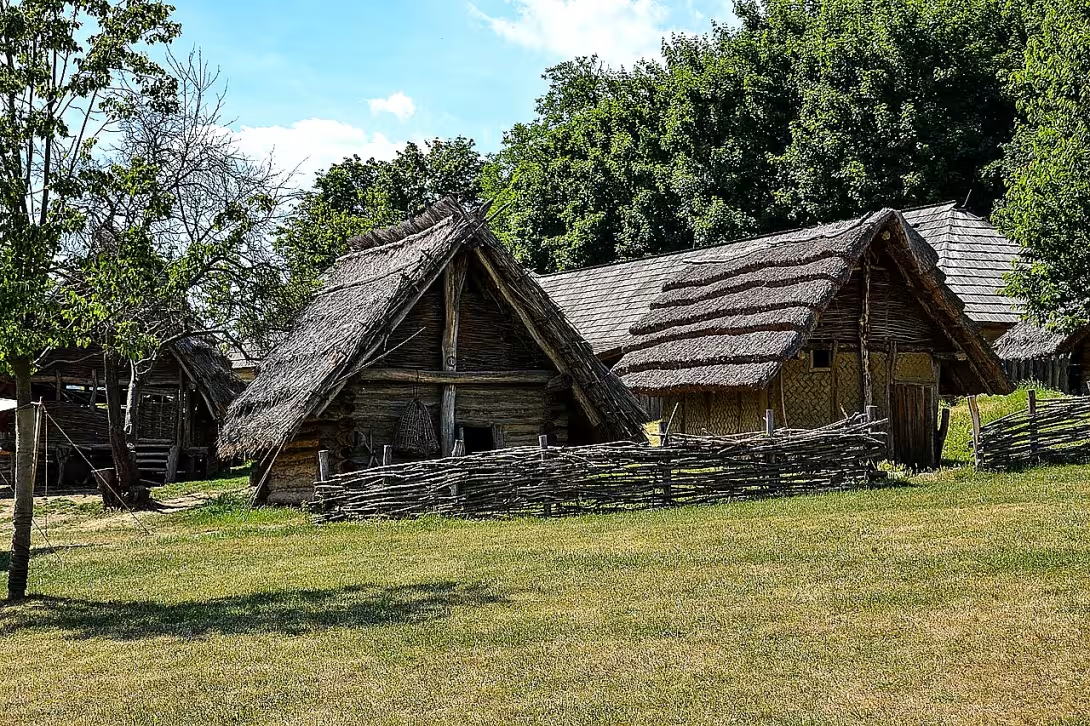
Archeoskanzen Modrá is an archaeological open- air museum near the village Modrá, in the Litovelské Pomoraví Protected Landscape Area. Officially opened in 2004, it offers a lively view of life during Velkomoravsko, a major cultural and political centre in Central Europe from the 9th to 10th century. The museum has carefully reconstructed structures based on archaeological findings that provide a view of architectural styles and everyday life of its inhabitants.
The origin of Archeoskanzen Modrá is based on research by archaeologists Jan did not believe and Wilhelm Hrubý, who revealed the foundations of the Velkomoravskon Church in the 20th century. The site was developed with contributions from institutions such as the Moravian Museum in Brno and the Slovak Museum in Uherské Hradiště. These efforts ensured historically accurate reconstruction, which reflected architectural elements typical of Velkomoravsko.
The Archeoskanzen Modrá architecture faithfully presents historical structures from this period. The site includes a settlement with palisade fortifications, gates and guard towers, next to a replica of semi-logout cottages, craft workshops, and nobleman 's residence known as' palace '. A significant feature is the reconstructed Church of Velkomoravskon on a nearby hill, built between 1998 and 2000 on the basis of research by Wilhelm Hrubý. The site also hosts a sacred area with Slavic idols, fields and animal shelters that offer a comprehensive view of secular and religious aspects of life during this era.
The development and management of Archeoskanzen Modrá included cooperation between local authorities and archaeological experts. The project was implemented by the municipality Modrá and ensured its alignment with regional historical stories. While specific ownership data are not fully documented, the involvement of major archaeologists underlines the academic importance of the site.
The key events associated with Archeoskanzen Modrá include a remarkable exhibition in 2022, which depicted Moravians attending the Imperial Assembly in Frankfurt in 822. This event underlines the historical importance of the region and its links beyond local borders. In addition, the museum depicts slavery during the course of the Grand Moravia and provides visitors with a broader understanding of social structures at that time.
Today Archeoskanzen Modrá is proof of the rich history of the Velkomoravskon era. The site is open to the public, offering educational opportunities and views of early Slavic culture. There are currently plans to expand the museum, integrate other areas and connect with the church district around St. John's Chapel. This continued development promises to strengthen its historical story and experience of visitors.
Archeoskanzen Modrá offers a unique opportunity to explore an important chapter of European history through immersed reconstruction and educational exhibits. Its value lies not only in preserving the past, but also in promoting deeper recognition of the cultural heritage of Central Europe. Visitors are invited to take a step back in time and discover the link of the Grand Tomb in this remarkable place.
Then and now
Drag the slider to compare how the landmark may have looked when it was built with the view today.
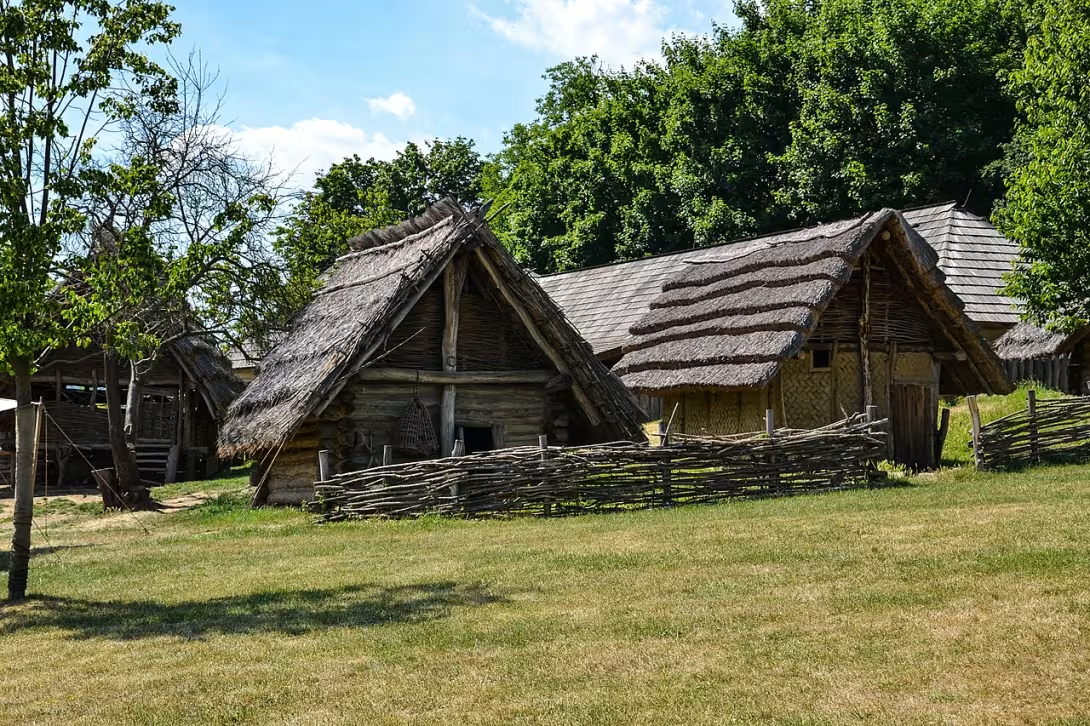
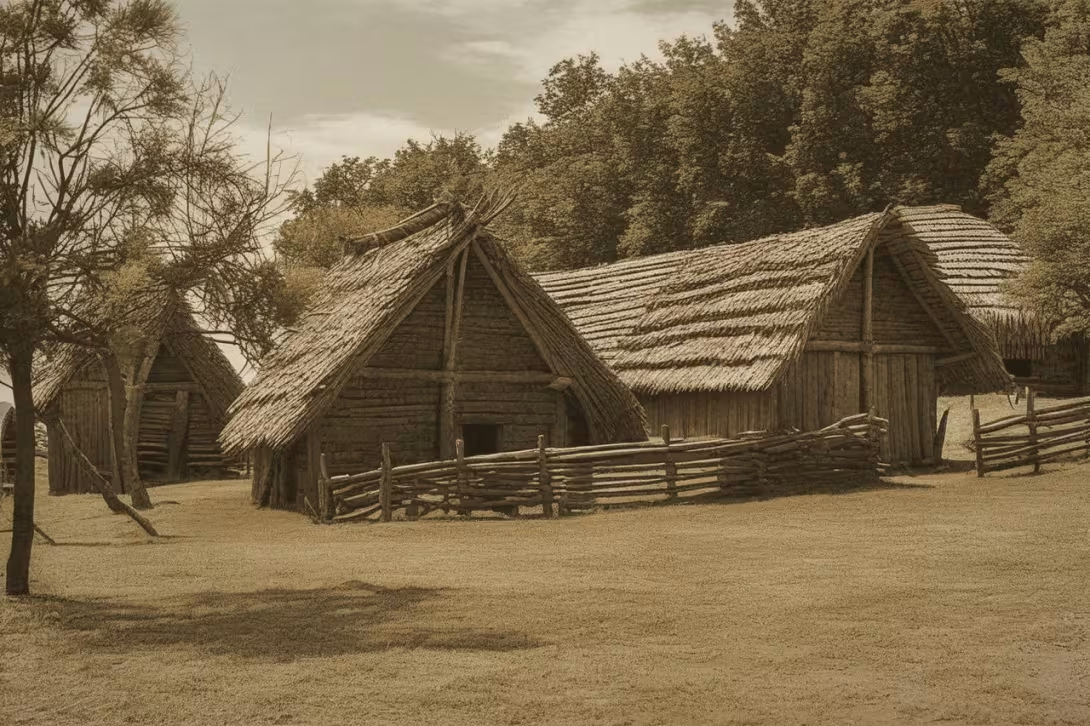
The historical appearance on the left is an AI-generated visualisation and serves as inspiration only.
Historical milestones
- 9th Century
- Founded by the Great Moravia as the Cultural and Political Center.
- 20th century
- Fitting the foundations of the Grand Moravian Church of Archaeology by Jan Injil and Wilhelm Hrubou.
- 1998
- The beginning of the reconstruction of the Velkomoravsky church.
- 2000
- Subsidy for the restructuring of the Welkomorava Church.
- 2004
- Official Archeoskanzen Modrá announcement.
- 2022
- The exhibition depicts the Moravans on the imperial dream in Frankfurt in 822.
Architectural development
Archeoskanzen Modrá was developed on the basis of archaeological findings from the central Litovelské Pomoraví Protected Landscape Area. Part of the site are reconstruction of various buildings such as the noble palace and Velkomoravskon church, which was built using views from historical research.
Historical events
- 2004
- Archeoskanzen Modrá has been officially opened.
- 822
- The historical exhibition in the palace of nobility depicts Moravians visiting the Imperial Assembly in Frankfurt.
Points of interest
- The Church of Velkomoravskon in Archeoskanzen Modrá was renovated between 1998 and 2000 on the basis of detailed research by Wilhelm Hrubý, which shows a complex architectural style of this time.
- The unique exhibition in 2022 was depicted by Moravians who attended the Imperial Assembly in Frankfurt in 822, and highlighted the important role of Velkomoravsko in wider European political issues in the early Middle Ages.
- The site contains a sacred area with Slavic idols, which offers insights into religious practices and spiritual life of the people of Velkomoravsko, which is less commonly studied compared to worldly aspects.
- Archeoskanzen Modrá includes replicas of semi-logout cottages and craft workshops that provide a rare view of home architecture and everyday craft work that characterize life in the 9th century Central Europe.
- Continued development plans aim to integrate other areas with a church district around St. John's Chapel, promising an extended story that will strengthen both historical understanding and participation of visitors on the ground.
Guide
This guide is narrated by a synthetic voice generated by artificial intelligence.
Show guide text
This text was created by artificial intelligence and has not been editorially reviewed. It may contain inaccuracies.
Welcome to Archeoskanzen Modrá, a charming window into the past nestled near the village of Modrá in the region of Zlínský kraj. As you stand here, dive into the atmosphere around you for a while - a redesigned settlement that breathes life into the era of the Welkomoravsko. Before your eyes lies a living scene: the palisade of fortification surrounds the area, and the watchtowers flow through the sky, standing like silent guardians over this historic landscape.
The story of Archeoskanzen Modrá begins in the 9th century with the rise of Velkomoravsko, an influential cultural and political centre. During this time, the foundations for what will become an important chapter in European history have been laid. Fast forward to the 20th century, when archaeologists Jan did not believe and William Hrubý revealed the remains of the great Moravian church that built the stage for future discovery.
Now we're going to immerse ourselves in the architecture you're witnessing. Note the reconstructed Church of Velkomoravskon, which was revived between 1998 and 2000 through careful research by William Hrubý. Its complex design offers a view of the architectural fitness of its era. Near, the half-dugout cottages and craft workshops reflect the daily lives of those who once inhabited this area, while the nobleman is a residence known as the 'palace' stands proof of the social hierarchy.
Key figures like Jan did not believe and William Hrubý played key roles in uncovering the secrets buried here. Their dedication has allowed us to put together stories from the past centuries and voice those who once walked these lands.
One of the interesting points of this site is the exhibition in 2022, which live depicts Moravians who attended the Imperial Assembly in Frankfurt in 822 - a rare view of their diplomatic engagement outside their country.
As you continue your journey through Archeoskanzen Modrá, we invite you to explore further and immerse yourself in this charming piece of history. Every corner has a story waiting to be discovered. Thank you for joining us on this historic adventure; Let it inspire curiosity and wonder how you reveal the layers of time that have shaped this remarkable page.
Tips for visitors
The best time to visit Archeoskanzen Modrá is at the end of spring through early autumn, ideally from May to September. During these months you can enjoy pleasant weather, which increases your experience of discovering an open museum and its renovated settlements. The site offers a unique view of life during the Velkomoravsko era, which makes it an educational and educational visit for lovers of history. In addition, a visit in this period allows you to take advantage of guided tours and special events often organized by the museum.
It is advisable to check current traffic options online or via local transit applications for the most efficient route. This flexibility in travel provides easy access, whether you drive or use public transport.
When visiting Archeoskanzen Modrá, it is recommended to bring comfortable walking shoes because there are several outdoor exhibits and ways to explore. The hat, sunscreen and water are also suitable thanks to the open air nature of the museum. In addition, the camera can help capture detailed reconstruction and picturesque views of Litovel's Protected Landscape Areas.
For photo lovers, Archeoskanzen Modrá offers several picturesque places, especially during the golden hours of early morning or late afternoon when the light is soft and warm. The reconstructed installation provides a background for the capture of historical scenes, while the surrounding landscape can offer stunning natural visions. Make sure to explore different angles around the palisade fortification and within the village reconstruction for unique images.
The nearby attractions within 30 minutes include other archaeological sites in the Litovel Pomoravi area that are rich in history and provide additional context to the Velkomoravskon period. These sites offer additional research options and may supplement your visit to Archeoskanzen Modrá by providing a broader understanding of the historical importance of the region.
Frequently asked questions
Can the monument be visited?
This is an archaeological site. Often there is little to see on the ground and the land may be private. We have not verified access.
Where is the monument?
Location: Modrá, Zlínský kraj. The map on this page shows the exact spot.
Businesses nearby
Do you run a restaurant, accommodation, shop, museum, rental, wellness or other visitor service near this monument? Show yourself directly to the people heading to it — this is how they will see you in the app and on the web:
Events nearby

Zdroj akcí: otevřená data měst a obcí ČR (Národní katalog otevřených dat) a kalendář akcí Národního památkového ústavu.
Nearby
Archeoskanzen Modrá is located near the village of Modrá, in Litovel Pomoravi Protected Landscape Area, known for its rich archaeological sites.
Accommodation nearby
Trips and activities nearby
Guided tours, tickets and activities nearby from GetYourGuide
Affiliate link: if you buy from the partner, we may receive a commission. The price for you does not change.
Search tours and activities →Themed route
Thematic walking tour on Archeoskanzen Modrá
1. Archeoskanzen Modrá - Main attractions Start your journey in the center of this fascinating place, Archeoskanzen Modrá, an open-air archaeological park that reconstructs live life from various historical periods in the region. This unique place offers a deep dive into local history through its carefully restored settlements and artifacts. Visitors can explore different periods, gain knowledge of ancient lifestyle and cultural practices.
2. Renovated Solutions As you continue to explore Archeoskanzen Modrá, dive into the reconstructed settlements that show everyday life from the past centuries. These exhibits provide a immersed experience that allows visitors to browse historical homes and communicate with replicas of tools and crafts used by ancient residents. This section is for anyone interested in understanding how people lived and worked in this part of Moravia.
3. Exhibition Designs Further to the park, visit the exhibition areas which display a wide range of artifacts revealed from archaeological excavations in the region. These displays offer tangible connections with the past, ceramics, tools and other objects that highlight technological progress and artistic manifestations of historical communities. Shows are educational and engaging, ideal for lovers of history.
4. Guided tours Close your tour with one of the guides offered on Archeoskanzen Modrá. These information meetings provide deeper insight into the importance of the site and its findings. These guided tours increase your understanding of archaeological discoveries and their impact on our knowledge of regional history.
This thematic walking tour provides a comprehensive experience of Archeoskanzen Modrá, which enables visitors to appreciate the rich historical tapestry of Litovelské Pomoraví protected landscape area.
Seasonal recommendations
Spring: In the spring period Archeoskanzen Modrá offers a varied and lively experience with new leaves that relate to archaeological sites and their historical architecture. This season is ideal for the elements that could have an impact on the environment as the crowd parts are listed. Visit in proper councils or in late proceedings, the abyss avoided a warm noon hour and could also enjoy their own national holiness, which are historical structures in excellent colours. It strongly recommends that it is not possible to use your own material and to withstand the protective cover vest because weather can be designed for support.
Summer: Summer in Archeoskanzen Modrá offers great sunny days and warm new zatas that go into archaeological structures. This season is the most popular for own resources, which means to a high Davy number, especially at the level of the day and at the time when these resources are. It is suggested that you visit the afternoon or late morning to enjoy a mild temperature and avoid the top car. Wearing a reclining suit, counting a cover vest, and a sun frame will be inalienable to obtain intense sunlight while you must not leave enough water. For long-term reasons, it is advisable to plan short reconstructions under stalls for which new energy can be used.
Autumn: Autumn offers a single atmosphere in Archeoskanzen Modrá with colorful leaves and mild temperatures. This season is ideal for the essentials that can be used because the crowd number of the forest after summer peak. The sunny morning and the cloud delayed aid granted by production companies to support archaeological sites, adjacent solar structures. Wearing the big round, the abyss avoided the cold blow and the cloudy midday, is peaceful for possible changes. This Regulation shall enter into force on the twentieth day following that of its publication in the Official Journal of the European Union.
Winter: Winter shop in Archeoskanzen Modrá encourages a quiet and quiet experience with smoking landscape that is usable or has studied, map colors. This season is ideal for those that are intended to be used without crowds because many people in this are doping for other activities. It is suggested that you visit the afternoon or late morning to enjoy a mild temperature and avoid a cold winter hour. Wearing warm round, veiny fur hats, gloves and thick shoes is persistent for use in other areas. They strongly recommend that the company must be able to access the information to be provided.
Visualizations and artistic views


The visualisations are generated by artificial intelligence and serve as inspiration.
Photos from the area
Real photos taken near the monument


Zdroj a licence jsou uvedeny u každého snímku.
Tips from visitors
No tips yet. Be the first!
Log in and add your tip.
Sources and literature
Photos: Pudelek / CC BY-SA 4.0 — Wikimedia Commons. The author and licence also appear when you hover over the image.
Faktickým podkladem tohoto textu byl článek na Wikipedii, jehož autory jsou přispěvatelé Wikipedie. Článek je dostupný pod licencí CC BY-SA 4.0.
Location on the map
Příběhy a pověsti
Legendy, pověsti a příběhy spjaté s touto památkou
Fotografie návštěvníků
Zatím žádné fotografie. Buďte první, kdo přidá fotografii z návštěvy!
Log in a přidejte svou fotografii nebo hodnoťte.
Za ověřenou návštěvu v aplikaci získáte víc bodů — poznáme podle GPS, že jste na místě.
Reviews and comments