






Bernštejn Defunct village
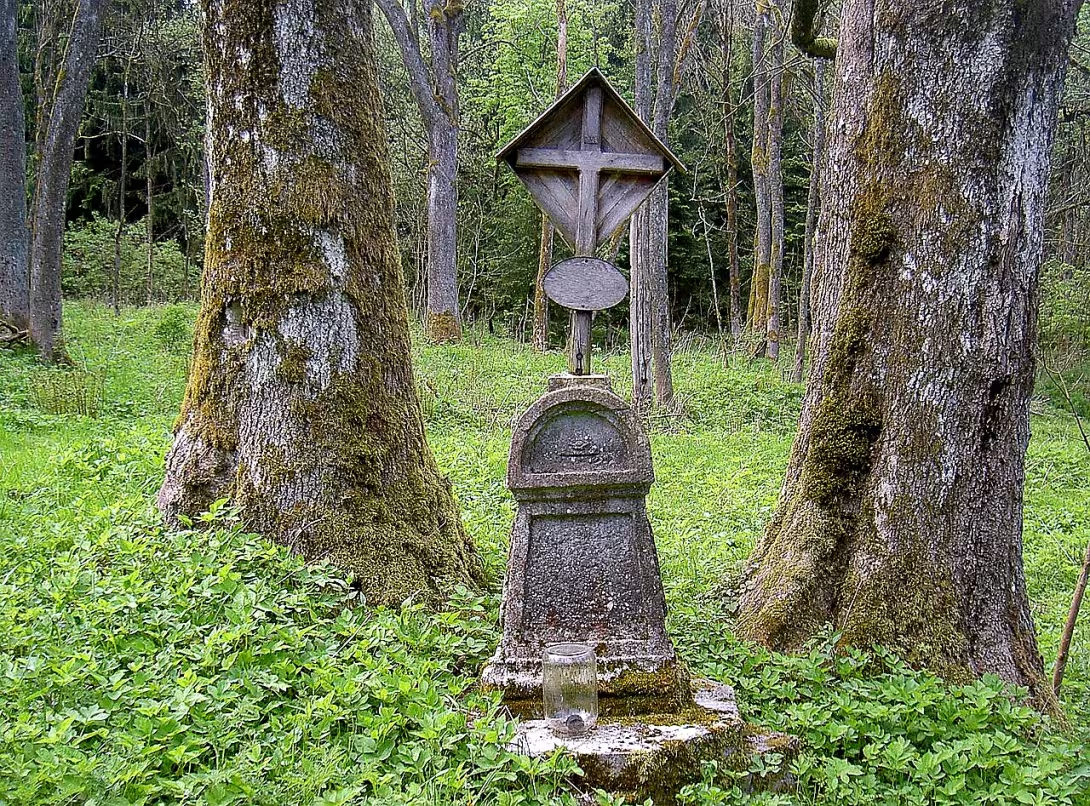
Objekt se nedochoval — na místě dnes nestojí. Následující text popisuje jeho historii, ne současnou návštěvu.
Bernštejn: A Forgotten Village on the Czech-German Border
At the foot of Velká skála, approximately one kilometer from the state border with Germany, lies the abandoned village of Bernštejn. Founded around 1670 by the Videršpergáry family for agricultural purposes, this small settlement has a rich history spanning centuries.
Origins and Historical Context Bernštejn's origins date back to the late 17th century when the Videršpergáry family established an agricultural estate. The village grew around this estate until it was merged into the Rybník nad Radbuzou area.
Architecture and Artistic Form The village featured a panská hájovnu and flusárna for producing potash, used to manufacture glass. The local lord's estate was abolished in the late 18th century, and the land was parcelled out and rented.
Owners, Administrators, Fortunes The Videršpergáry family owned Bernštejn until the late 18th century when the estate was divided and rented out.
Key Events and Curiosities In the mid-19th century, Bernštejn was renamed Bärnstein. Later, it became part of Rybník municipality. The village's population peaked in the early 20th century at around 144 inhabitants. After World War II, German inhabitants were expelled, and the village was abandoned.
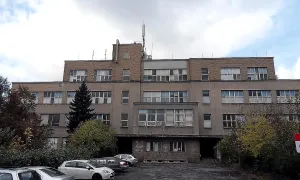
Today Today, Bernštejn is a site of historical significance, with remnants of its former life still visible. Visitors can explore the area, now converted into a youth rehabilitation center. The surrounding landscape features rolling hills and forests, making it an attractive destination for nature lovers and history enthusiasts alike.
In conclusion, Bernštejn may be a forgotten village on the Czech-German border, but its rich history and cultural significance make it a fascinating place to visit. With its unique blend of agricultural heritage and industrial past, this abandoned settlement offers a glimpse into the lives of those who once called it home.
Then and now
Drag the slider to compare how the landmark may have looked when it was built with the view today.
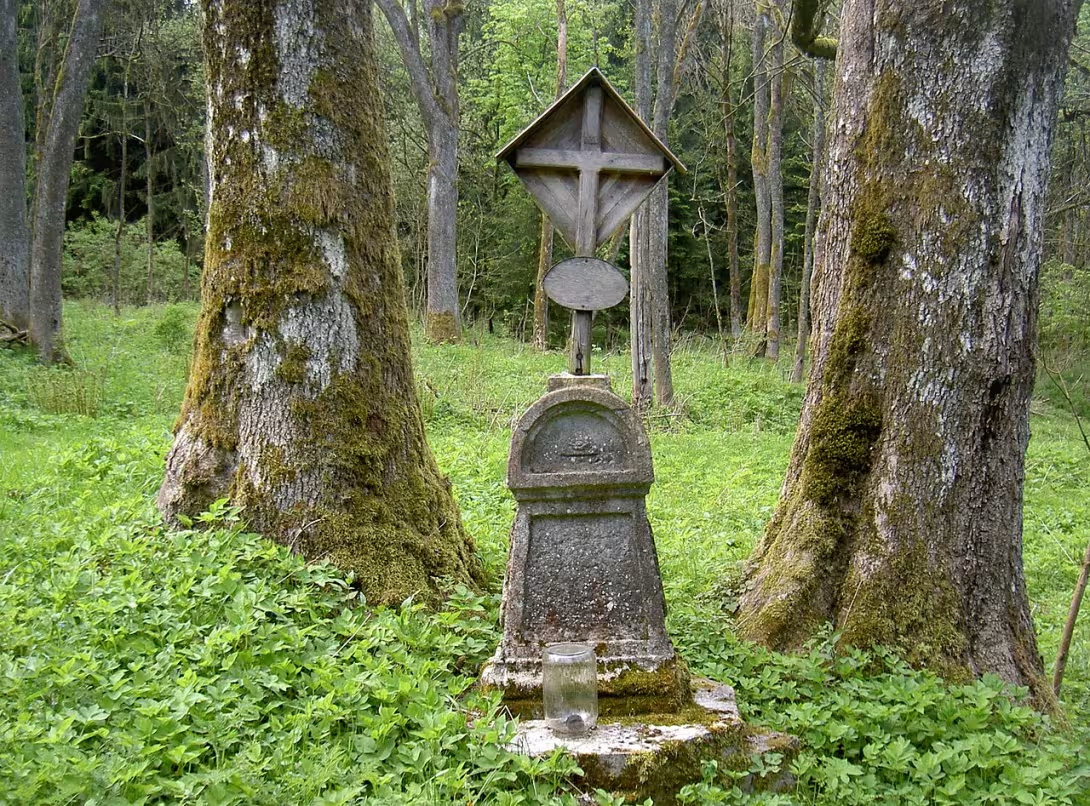
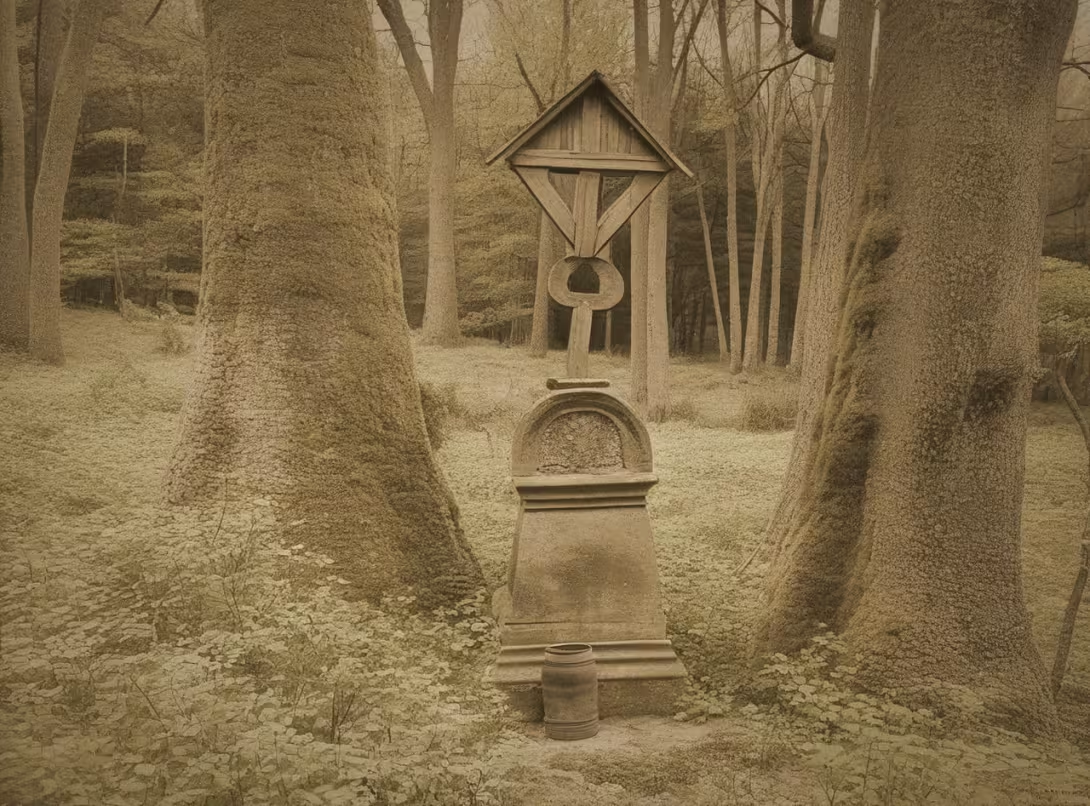
The historical appearance on the left is an AI-generated visualisation and serves as inspiration only.
Historical milestones
- 1670
- Founded by the Videršpergáry family for agricultural purposes
- 1750
- The local lord's estate was abolished and the land was parcelled out and rented
- 1850
- Renamed Bärnstein in the mid-19th century
- 1920
- Population peaked at around 144 inhabitants
- 1945
- German inhabitants were expelled after World War II and the village was abandoned
Architectural development
The village had a panská hájovnu and flusárna for producing potash. The local lord's estate was abolished in the late 18th century, and the land was parcelled out and rented.
Historical events
- 1670
- Founded by the Videršpergáry family
- 1869
- Renamed Bärnstein
- 1880
- Part of Rybník municipality
- 1921
- Population recorded as 144 inhabitants
Owners
Videršpergáry family (1670-18th century), later divided and rented out
Points of interest
Here are 3-5 lesser-known or surprising facts about the Czech historical monument Bernštejn:
– The village was once home to a unique type of glass production facility that used potash as a key ingredient. This rare form of glassmaking has since disappeared, leaving behind only remnants and legends.
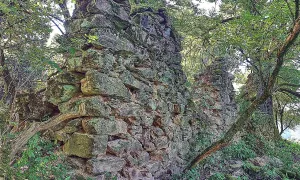
– During World War II, German inhabitants were forcibly expelled from Bernštejn, marking the end of an era for this small settlement. Today, visitors can still see remnants of the village's former life, including old buildings and artifacts.
– Despite being abandoned, Bernštejn has been repurposed as a youth rehabilitation center, offering a unique blend of historical significance and modern-day purpose. The surrounding landscape is also a haven for nature lovers and history enthusiasts.
– In its heyday, Bernštejn was part of the Rybník nad Radbuzou area, with a population that peaked at around 144 inhabitants in the early 20th century. Today, visitors can explore the remnants of this once-thriving community.
– The village's name has undergone several changes over the centuries, from Bernštejn to Bärnstein and back again. This linguistic evolution reflects the complex cultural heritage of the region, where borders have been redrawn and languages have merged.
Guide
This guide is narrated by a synthetic voice generated by artificial intelligence.
Show guide text
This text was created by artificial intelligence and has not been editorially reviewed. It may contain inaccuracies.
Welcome to Bernštejn, a small village that once thrived on this southern slope of Velká skála. As you stand here today, take in the serene atmosphere and let me guide you through its fascinating history.
Bernštejn was founded around 1670 by the Videršpergáry family for agricultural purposes. Imagine the sounds of farmhands tilling the land, the smell of freshly harvested crops, and the warmth of the sun on your face as you gaze out at this picturesque landscape.
As we explore further, let's delve into the village's early days. The local lord's estate was abolished in 1750, and the land was parcelled out and rented to the villagers. This marked a significant turning point in Bernštejn's history, shaping its development for centuries to come.
Now, take a closer look at the architecture around you. Notice the simple yet charming cottages that once stood here, now gone but still evoking a sense of nostalgia. The village's unique glass production facility, which used potash as a key ingredient, is another fascinating aspect of Bernštejn's past. Though it has since disappeared, its legacy lives on in whispers and legends.
As we wander through the site, let your imagination run wild with stories of the people who once called Bernštejn home. Who were these individuals? What struggles did they face? And what triumphs did they achieve?
One lesser-known fact about Bernštejn is that it was once a hub for glass production using potash as a key ingredient. This rare form of glassmaking has since vanished, leaving behind only remnants and tales to be shared.
As we conclude our journey through this historic site, I invite you to continue exploring the mysteries and secrets hidden within these ancient walls. Take with you the whispers of Bernštejn's past, and let its stories guide you as you navigate the present. Farewell for now, and may your curiosity remain piqued!
Businesses nearby
Do you run a restaurant, accommodation, shop, museum, rental, wellness or other visitor service near this monument? Show yourself directly to the people heading to it — this is how they will see you in the app and on the web:
Nearby
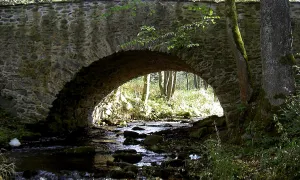
The village is situated near Velká skála and the state border with Germany. The surrounding landscape features rolling hills and forests.
Visualizations and artistic views


The visualisations are generated by artificial intelligence and serve as inspiration.
Photos from the area
Real photos taken near the monument

Zdroj a licence jsou uvedeny u každého snímku.
Tips from visitors
No tips yet. Be the first!
Log in and add your tip.
Sources and literature
Photos: Allexkoch / CC BY-SA 4.0 — Wikimedia Commons. The author and licence also appear when you hover over the image.
Location on the map
Fotografie návštěvníků
Zatím žádné fotografie. Buďte první, kdo přidá fotografii z návštěvy!
Log in a přidejte svou fotografii nebo hodnoťte.
Za ověřenou návštěvu v aplikaci získáte víc bodů — poznáme podle GPS, že jste na místě.
Reviews and comments