



Dianin Dvůr Ruin
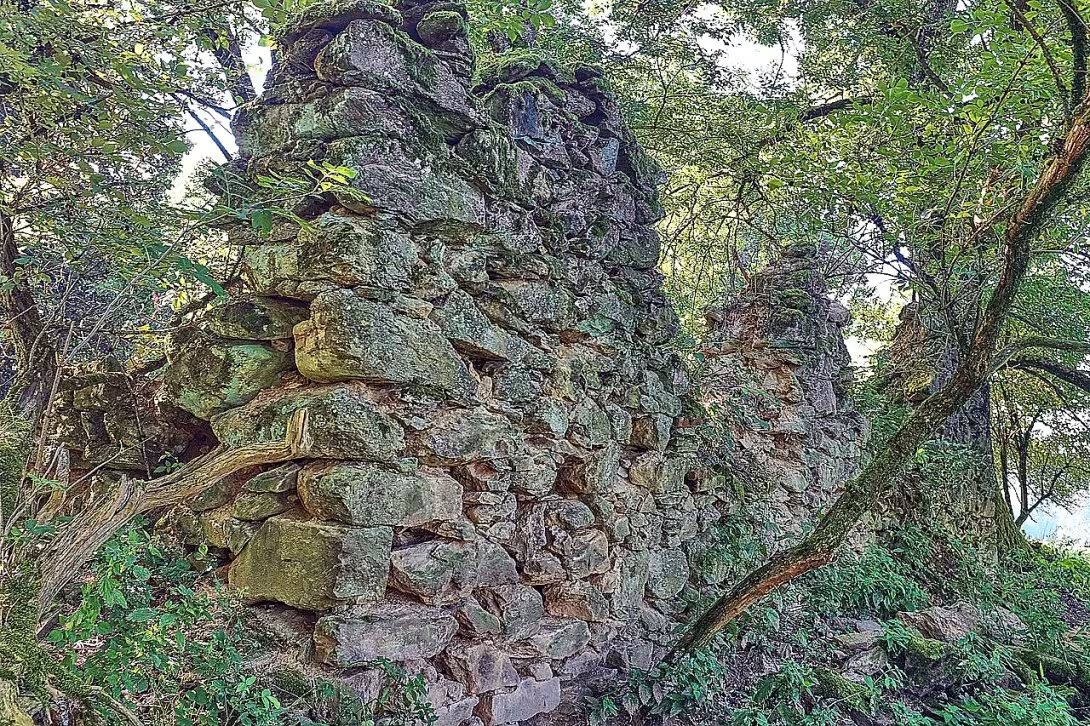
Dianin Dvůr is a historical monument located in Švarcava village, within the Rybník district of Plzeňský kraj, near the Czech-Bavarian border. Established as a farmstead around 1736 by Jan Bedřich and Kryštof Václav of Wiedersperg, it transformed into a baroque hunting lodge by the early 19th century. Today, Dianin Dvůr stands as a protected ruin, offering insights into its evolution from agricultural origins to an architecturally significant site.
The origin of Dianin Dvůr dates back to approximately 1736 when Jan Bedřich and Kryštof Václav z Wiederspergu founded the initial farmstead. Situated in a forested area near the Czech-Bavarian border, this location was strategically chosen for its natural surroundings. By the late 18th century, it had been referred to as Diana Hoff, indicating an early transformation into a hunting lodge with structures like an ovine and a chapel dedicated to St. Christopher.
Architecturally, Dianin Dvůr began as a simple farmstead but underwent significant changes over time. After a fire in 1812, Baron Kryštof z Wiederspergu reconstructed the site into a hunting lodge by 1819, incorporating baroque elements and additional buildings such as a chapel. The architectural evolution continued under Hrabě Franz Karl Coudenhove in the 1870s when he expanded the facilities to include an enclosure for deer and hares spanning 18 kilometers.
Ownership of Dianin Dvůr changed hands several times, reflecting its evolving purpose and significance. Initially established by Jan Bedřich and Kryštof Václav z Wiederspergu, it was later managed by Baron Kryštof z Wiederspergu after the 1812 fire. In the 1870s, Hrabě Franz Karl Coudenhove further developed the site, enhancing its role as a hunting lodge and expanding its facilities.
Key events in Dianin Dvůr's history include its establishment as a farmstead around 1736, reconstruction into a hunting lodge by Baron Kryštof z Wiederspergu in 1819, and subsequent expansion under Hrabě Franz Karl Coudenhove. The site also hosted a school serving students from nearby settlements such as Horní and Dolní Huti, Švarcava, and Františkovy Studánka.
Today, Dianin Dvůr is accessible to visitors interested in exploring its historical ruins. Located near cycling trails 36 and EV 13, it offers a glimpse into its past life as a hunting lodge and educational center. The site's proximity to natural landscapes like the Černý potok valley adds to its appeal for those seeking both history and nature.
Dianin Dvůr stands as a testament to the cultural and architectural developments of its time, offering visitors an opportunity to connect with the region's rich history. Its preservation as a cultural monument ensures that future generations can appreciate its historical significance and enjoy the serene beauty of its surroundings. Visitors are invited to explore this remarkable site and discover the stories embedded in its ruins.
Then and now
Drag the slider to compare how the landmark may have looked when it was built with the view today.
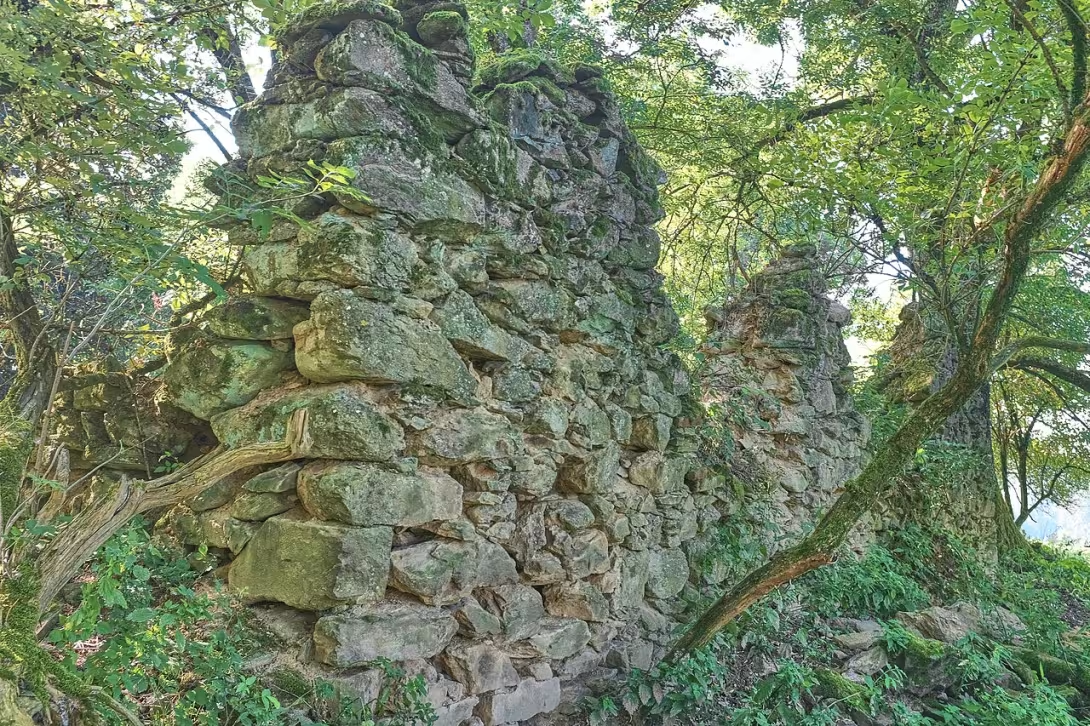

The historical appearance on the left is an AI-generated visualisation and serves as inspiration only.
Historical milestones
- 1736
- Establishment of the original farmstead.
- 1819
- Reconstruction as a hunting lodge by Baron Kryštof z Wiederspergu.
- 1870
- Expansion and development under Hrabě Franz Karl Coudenhove.
Architectural development
Dianin Dvůr began as a farmstead, later becoming a hunting lodge with baroque influences. The reconstruction post-1812 fire introduced new architectural elements, including a chapel and additional buildings. Further development in the 1870s expanded its facilities.
Historical events
Establishment of the original farmstead around 1736.
Reconstruction as a hunting lodge by Baron Kryštof z Wiederspergu in 1819 after a fire.
Expansion and development under Hrabě Franz Karl Coudenhove in the 1870s.
Owners
Jan Bedřich z Wiederspergu (circa 1736)
Kryštof Václav z Wiederspergu
Baron Kryštof z Wiederspergu (post-1812 fire, rebuilt in 1819)
Hrabě Franz Karl Coudenhove (1870s)
Points of interest
- Dianin Dvůr's transformation from a simple farmstead to a hunting lodge reflects the changing social and economic priorities of its owners, highlighting the baroque era's influence on rural architecture in the region.
- The site was once known as Diana Hoff, which suggests an early connection to mythology or symbolism associated with the goddess Diana, indicating cultural influences beyond mere functionality.
- Despite its current status as a ruin, Dianin Dvůr served educational purposes when it hosted a school for students from nearby settlements like Horní and Dolní Huti, illustrating its multifaceted role in the community.
- The extensive deer and hare enclosure built by Hrabě Franz Karl Coudenhove covered 18 kilometers, showcasing an ambitious approach to land management and hunting practices during his ownership.
- Dianin Dvůr's proximity to cycling trails 36 and EV 13 connects it with modern recreational activities, allowing visitors to explore its historical significance while enjoying the natural beauty of the surrounding area.
Guide
This guide is narrated by a synthetic voice generated by artificial intelligence.
Show guide text
This text was created by artificial intelligence and has not been editorially reviewed. It may contain inaccuracies.
Welcome to the enchanting site of Dianin Dvůr, a historical gem nestled in Švarcava within the Plzeňský kraj region. As you stand here, surrounded by whispers of history and nature's embrace, let us embark on a journey through time, exploring this remarkable ruin that once served as a vibrant farmstead and later transformed into an elegant hunting lodge.
The story of Dianin Dvůr begins in 1736 when Jan Bedřich and Kryštof Václav of Wiedersperg established the original farmstead. This humble beginning marked the onset of a transformation that would see the site evolve significantly over the centuries. By the early 19th century, specifically around 1819, Baron Kryštof z Wiederspergu undertook an ambitious reconstruction, transforming it into a hunting lodge—a testament to changing social and economic priorities.
As you look upon the remnants of this once-grand structure, take a moment to appreciate its architectural evolution. Though specific architects remain unknown, the site reflects the baroque era's influence on rural architecture in the region. The transformation from a simple farmstead to a hunting lodge is evident in the layout and remaining structures that hint at its storied past.
Key figures played pivotal roles in shaping Dianin Dvůr’s history. Jan Bedřich and Kryštof Václav of Wiedersperg laid the foundation, while Baron Kryštof z Wiederspergu's vision brought about its transformation into a hunting lodge. Later, Hrabě Franz Karl Coudenhove further expanded and developed it in 1870, ensuring that the site continued to evolve with the times.
One intriguing aspect of Dianin Dvůr is its original name: Diana Hoff. This early moniker suggests an interesting connection to Diana, the Roman goddess of hunting, hinting at the site's longstanding association with this noble pursuit and perhaps even influencing its later transformation into a hunting lodge.
As we conclude our exploration, I invite you to wander around the site, absorbing its history and atmosphere. Imagine the stories these ruins could tell if stones could speak—of hunts in bygone eras, of architectural ingenuity, and of lives lived within these walls. Dianin Dvůr stands as a cultural monument, protected for future generations to cherish.
Thank you for joining this journey through time at Dianin Dvůr. May the echoes of its past inspire your curiosity and lead you to further explore the rich tapestry of history that surrounds us. Until we meet again on another historical adventure!
Tips for visitors
The best time to visit Dianin Dvůr is during the late spring or early autumn months, from May to September. During this period, the weather is generally mild and pleasant, making it ideal for exploring the ruins and surrounding natural landscapes. Additionally, these seasons offer vibrant foliage in the nearby forests and valleys, enhancing the scenic beauty of the area.
The ruins are also accessible by public transport; however, it's advisable to check current routes and schedules online before planning your trip to ensure a smooth journey.
When visiting Dianin Dvůr, consider bringing comfortable walking shoes as there may be uneven terrain around the site. A hat, sunscreen, and water are recommended due to the outdoor setting and potential for sunny weather. Additionally, if you plan on exploring the nearby trails or spending time in the forested areas, a light jacket might be useful as temperatures can drop slightly.
For photography enthusiasts, Dianin Dvůr offers several picturesque spots, especially during sunrise or sunset when the lighting is soft and golden. The ruins themselves provide dramatic backdrops against the natural landscape of forests and valleys. Be sure to capture images from various angles to fully appreciate the historical architecture amidst nature.
In addition to exploring Dianin Dvůr, visitors can enjoy nearby attractions within a 30-minute drive or walk. The ruins of Úpor are close by and offer another glimpse into the region's history. For outdoor activities, cycling trails in the vicinity provide excellent opportunities for biking enthusiasts to explore the scenic surroundings.
Frequently asked questions
Can the monument be visited?
This is a ruin. Such sites are often freely accessible, but some can only be visited with a guide or are closed for safety reasons. We have not verified the current situation – take care and respect any restrictions.
Where is the monument?
Location: Rybník, Plzeňský kraj. The map on this page shows the exact spot.
Businesses nearby
Do you run a restaurant, accommodation, shop, museum, rental, wellness or other visitor service near this monument? Show yourself directly to the people heading to it — this is how they will see you in the app and on the web:
Nearby
Dianin Dvůr is surrounded by forests near the Czech-Bavarian border. Nearby are the ruins of Úpor and cycling trails leading to the site. The area features natural landscapes with the Černý potok valley close by.
Accommodation nearby
Themed route
Thematic Walking Tour: Dianin Dvůr and Surroundings
1. Dianin Dvůr (Zřícenina) - Type: Historical Ruins - Why Visit: Begin your journey at the captivating ruins of Dianin Dvůr, a medieval castle that offers a glimpse into the region's rich history. The remnants tell stories of its past grandeur and strategic importance near the Czech-Bavarian border.
2. Úpor (Zřícenina) - Type: Historical Ruins - Why Visit: A short walk from Dianin Dvůr, explore the ruins of Úpor. This site provides further insight into medieval fortifications in the area and complements your understanding of regional history with its own unique remnants.
3. Cycling Trails to Dianin Dvůr - Type: Nature Trail - Why Visit: Follow the scenic cycling trails that lead back towards Dianin Dvůr. These paths offer a peaceful way to enjoy the natural beauty of the surrounding forests, providing a serene backdrop for reflection and relaxation.
4. Černý Potok Valley - Type: Natural Landscape - Why Visit: Conclude your tour by exploring the nearby Černý Potok valley. This area is perfect for nature lovers seeking tranquility amidst lush landscapes, offering picturesque views and a chance to connect with the natural environment.
This thematic route offers a blend of historical exploration and natural beauty, ensuring an enriching experience in the Plzeňský kraj region.
Seasonal recommendations
Spring: Visiting Dianin Dvůr during spring offers a unique experience as the surrounding landscape comes alive with vibrant colors and fresh blooms. The soft light of early morning or late afternoon creates an enchanting atmosphere, perfect for capturing photos of the ruins against a backdrop of budding trees and wildflowers. As nature awakens, you might encounter local wildlife, adding to the serene ambiance. It's advisable to wear comfortable layers as temperatures can vary, and bring along a hat and sunscreen to protect from the sun. While visitor numbers are moderate, arriving early ensures a peaceful exploration before larger crowds gather.
Summer: Summer is an ideal time for exploring Dianin Dvůr due to its long days and warm weather, making it perfect for leisurely strolls around the ruins. The lush greenery provides ample shade, though it's wise to carry water and wear sun protection as temperatures can rise significantly. To avoid large crowds, especially during peak tourist season in July and August, plan your visit early in the morning or later in the afternoon.
Autumn: Autumn transforms Dianin Dvůr into a picturesque setting with its rich tapestry of reds, oranges, and yellows. The cooler temperatures make it comfortable for longer visits without the summer heat, and the softer light enhances the mystical allure of the ruins. It's an excellent time to enjoy photography or simply relax amidst nature's splendor. Dress in layers to accommodate fluctuating weather, and consider bringing a light jacket as evenings can become chilly. While visitor numbers decrease compared to summer, it remains popular for those seeking a tranquil escape.
Winter: Winter visits to Dianin Dvůr offer a quiet and introspective experience, with the ruins often covered in a blanket of snow that adds an ethereal quality to the landscape. The shorter days mean planning your visit around optimal lighting conditions is crucial; early mornings are ideal for capturing the soft glow of sunrise on the frost-covered stones. Dress warmly in layers, including thermal wear, and be prepared for icy paths by wearing sturdy boots with good traction. While fewer visitors brave the cold, those who do find a peaceful solitude that enhances the site's historical charm.
Visualizations and artistic views


The visualisations are generated by artificial intelligence and serve as inspiration.
Photos from the area
Real photos taken near the monument

Zdroj a licence jsou uvedeny u každého snímku.
Tips from visitors
No tips yet. Be the first!
Log in and add your tip.
Sources and literature
Photos: Lubor Ferenc / CC BY-SA 4.0 — Wikimedia Commons. The author and licence also appear when you hover over the image.
Faktickým podkladem tohoto textu byl článek na Wikipedii, jehož autory jsou přispěvatelé Wikipedie. Článek je dostupný pod licencí CC BY-SA 4.0.
Location on the map



Příběhy a pověsti
Legendy, pověsti a příběhy spjaté s touto památkou

Fotografie návštěvníků
Zatím žádné fotografie. Buďte první, kdo přidá fotografii z návštěvy!
Log in a přidejte svou fotografii nebo hodnoťte.
Za ověřenou návštěvu v aplikaci získáte víc bodů — poznáme podle GPS, že jste na místě.
Reviews and comments