

Bílence Chateau
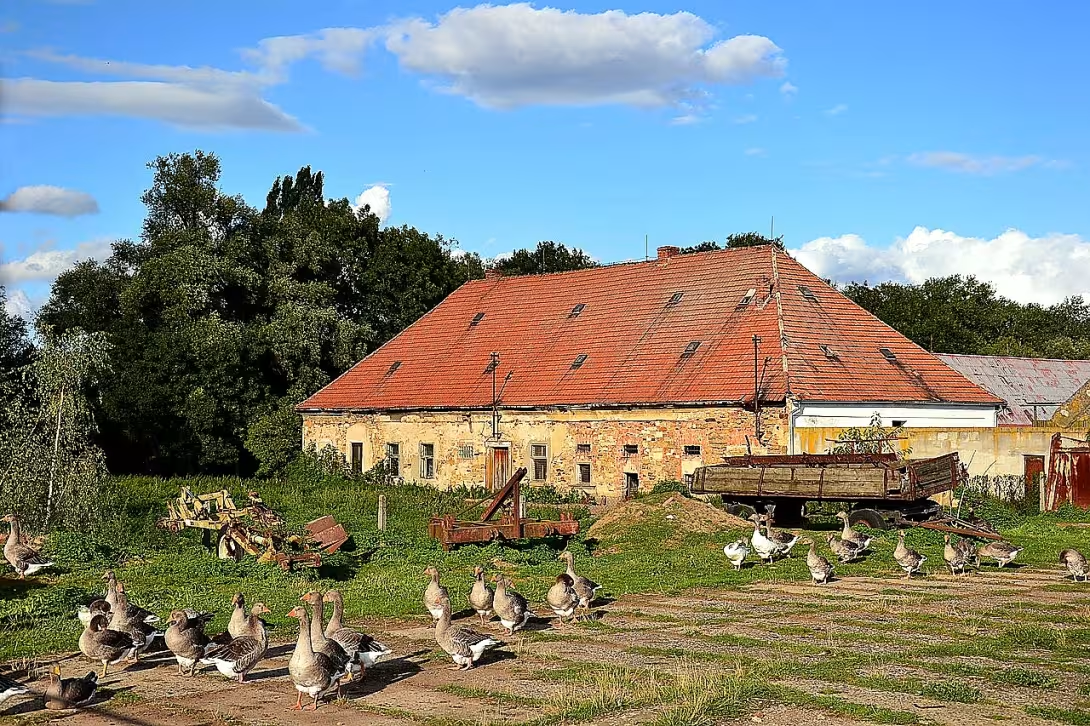
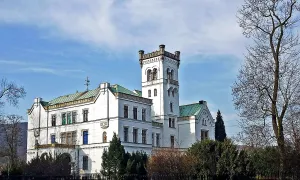
Bílence Chateau is located in the southwestern part of a village within Chomutov District, near the right bank of the Chomutovka River. Originally built as a Gothic fortress, it was transformed into a Baroque chateau with Classical elements during the late 18th century under Jindřich Josef Auersperg's ownership. This change reflects significant cultural and architectural developments in Bohemia during the Baroque period, influenced by Habsburg rule and the Counter-Reformation.
The origins of Bílence Chateau date back to a Gothic fortress that changed hands over centuries. Initially owned by Jindřich z Bílenců in 1355, it later passed to Jan z Cítova in 1510, Anna Kateřina z Chrámců between 1541 and 1556, and Močidlanští z Močidlan. In 1572, Adam ze Štampachu acquired the fortress, followed by Havl Hrobčický z Hrobčic in 1573. Asman starší ze Štampachu purchased it in 1618, but his ownership was brief as the estate was confiscated after the White Mountain Battle. František Clary de Riva took possession in 1623 before Jindřich Josef Auersperg acquired Bílence in 1738 and integrated it into his Cervenohradecký estate, commissioning its transformation.
Architecturally, the current structure of Bílence Chateau is rectangular with a gabled roof. It features a three-bay main facade adorned with pilasters and a central entrance portal, reflecting Classical elements popular in the late 18th century. The design also includes two oval windows flanking the central entrance, enhancing its aesthetic appeal.
Throughout its history, Bílence Chateau has seen various owners who influenced its development and fortunes. Notably, Jindřich Josef Auersperg's decision to rebuild it as a Baroque chateau marked a significant architectural transformation. The estate was confiscated post-White Mountain Battle, indicating the turbulent historical context of the region.
Today, Bílence Chateau is undergoing reconstruction by its current owner, Tomáš Karl, who aims to restore it for residential and representational purposes. Situated near agricultural land with remnants of an older moat and a late Gothic gate with a tower, the chateau remains a site of historical interest. Its proximity to the Chomutovka River adds to its charm, making it a worthwhile visit for those interested in Bohemian history and architecture.
Bílence Chateau stands as a testament to architectural evolution from Gothic to Baroque styles, reflecting broader cultural shifts in 18th-century Bohemia. Visitors are invited to explore this historical monument, appreciating its rich past and ongoing restoration efforts that promise to preserve its legacy for future generations.
Then and now
Drag the slider to compare how the landmark may have looked when it was built with the view today.
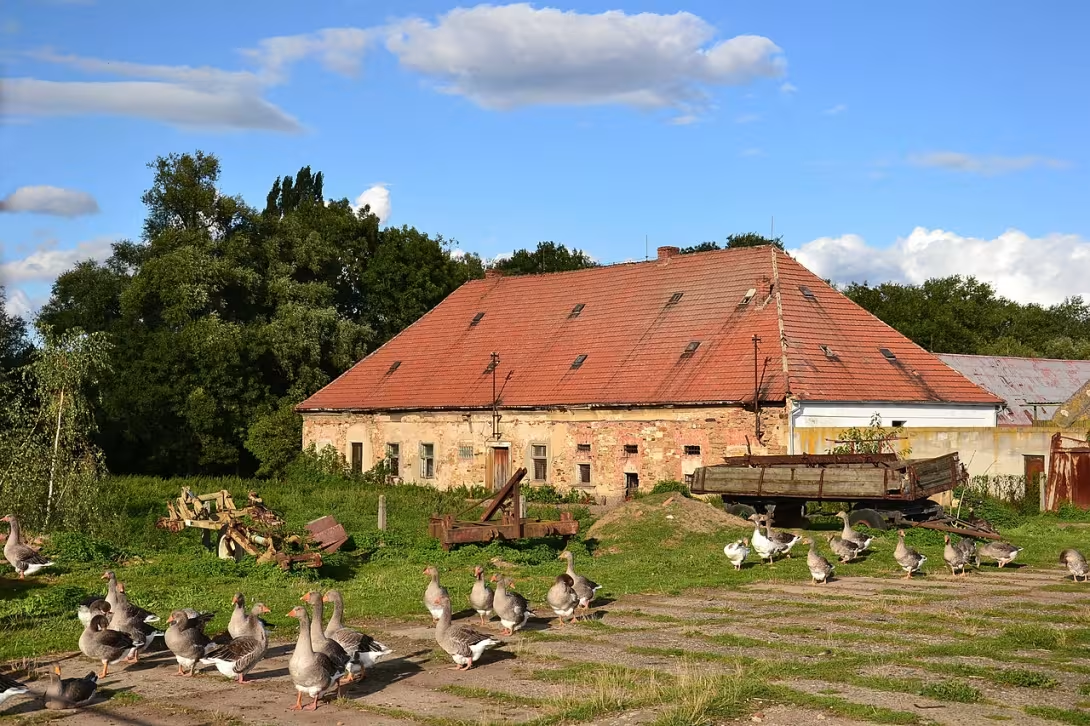
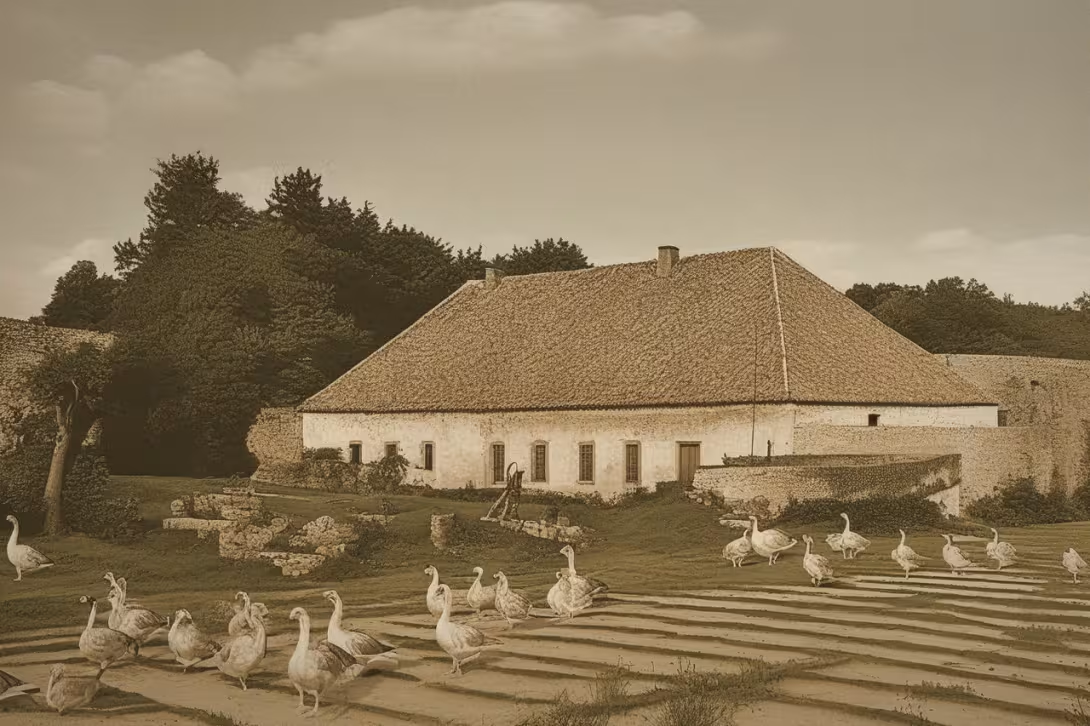
The historical appearance on the left is an AI-generated visualisation and serves as inspiration only.
Historical milestones
- 1510
- Jan z Cítova owned the fortress.
- 1572
- Adam ze Štampachu acquired Bílence with its fortress.
- 1618
- Asman starší ze Štampachu purchased the estate, later confiscated post-White Mountain Battle.
- 1738
- Jindřich Josef Auersperg bought Bílence and integrated it into his Cervenohradecký estate.
Architectural development
Initially a Gothic fortress, Bílence underwent significant transformation when Auersperg commissioned a Baroque chateau in its place during the late 18th century. The new structure featured Classical elements such as pilasters and a central entrance portal, reflecting architectural trends of that era.
Historical events
The original Gothic fortress was replaced by a Baroque chateau in the late 18th century.
In 2021, Tomáš Karl began reconstructing the chateau for residential and representational purposes.
Owners
Jindřich z Bílenců (1355)
Jan z Cítova (1510)
Anna Kateřina z Chrámců (1541–1556)
Močidlanští z Močidlan
Adam ze Štampachu (1572)
Havl Hrobčický z Hrobčic (1573)
Asman starší ze Štampachu (1618, confiscated post-White Mountain Battle)
František Clary de Riva (1623)
Jindřich Josef Auersperg (1738)
Points of interest
- The chateau's transformation from a Gothic fortress to a Baroque structure under Jindřich Josef Auersperg in the 18th century reflects the influence of Habsburg rule and the Counter-Reformation on Bohemian architecture, marking a cultural shift during this period.
- Bílence Chateau was briefly owned by Asman starší ze Štampachu before being confiscated following the White Mountain Battle in 1620, highlighting its connection to the turbulent political changes in Bohemia after the battle.
- The chateau's three-bay main facade features pilasters and a central entrance portal with two flanking oval windows, showcasing the Classical elements that became popular during the late 18th century under Auersperg’s ownership.
- After being confiscated post-White Mountain Battle, František Clary de Riva acquired Bílence in 1623, indicating its strategic importance and changing fortunes through different owners over time.
- The current owner, Tomáš Karl, is reconstructing the chateau for residential and representational use, preserving its historical significance while adapting it to modern needs, a testament to ongoing efforts to maintain Bohemian heritage.
Guide
This guide is narrated by a synthetic voice generated by artificial intelligence.
Show guide text
This text was created by artificial intelligence and has not been editorially reviewed. It may contain inaccuracies.
Welcome to the historical site of Bílence Chateau, nestled in the southwestern part of this charming village within Chomutov District. As you stand here, imagine yourself on the edge of a farm, with the gentle right bank of the Chomutovka River flowing nearby. Before you is a structure that whispers tales from centuries past—a testament to architectural evolution and historical intrigue.
Bílence Chateau's story begins in 1510 when Jan z Cítova owned the original fortress. Over time, this Gothic stronghold transformed under various hands, reflecting the shifting tides of history. By 1572, Adam ze Štampachu had acquired Bílence, and its significance grew as it passed through notable families such as the Močidlanští z Močidlan. The chateau's journey took a dramatic turn in 1618 when Asman starší ze Štampachu purchased the estate, only to see it confiscated after the pivotal White Mountain Battle.
Fast forward to 1738, and you'll find Jindřich Josef Auersperg at the helm, purchasing Bílence. It was under his ownership that the chateau underwent a remarkable transformation from its Gothic origins into a Baroque masterpiece with Classical elements. This change wasn't merely architectural; it mirrored the cultural shifts of the era, influenced by Habsburg rule and the Counter-Reformation.
As you take in the current structure, notice its rectangular form crowned with a gabled roof—a stark contrast to its earlier fortress days. While specific architects remain unknown, their vision has left an indelible mark on this landscape.
The chateau's history is interwoven with fascinating figures. From Jindřich z Bílenců and Jan z Cítova to Anna Kateřina z Chrámců and František Clary de Riva, each played a role in shaping its legacy. Their stories echo through the halls of time, inviting you to ponder their lives and decisions.
One intriguing aspect of Bílence Chateau is its architectural evolution—a reflection of broader cultural shifts within Bohemia during the 18th century. This transformation under Jindřich Josef Auersperg's guidance stands as a testament to the dynamic interplay between power, art, and religion.
As your journey through Bílence unfolds, let yourself be captivated by its rich history and architectural splendor. Whether you're tracing the footsteps of those who walked these grounds centuries ago or simply soaking in the serene beauty of the Chomutovka River nearby, there's a story here for everyone to discover.
We invite you to continue exploring this remarkable site, where every corner holds a piece of the past waiting to be uncovered. Thank you for joining us on this journey through time at Bílence Chateau.
Tips for visitors
The best time to visit Bílence Chateau is during late spring or early autumn when the weather is mild, and the surrounding landscape is lush with greenery or vibrant fall colors. These seasons offer pleasant temperatures for exploring both indoors and outdoors, while avoiding the peak summer crowds and potential winter closures.
Public transport options include buses that can take you close to the chateau; however, specific routes should be verified through a local transportation search tool. Walking from nearby stops might be necessary.
When visiting Bílence Chateau, consider bringing comfortable walking shoes as there may be uneven paths and stairs. A hat, sunscreen, and water are recommended if visiting during warmer months. For cooler weather, layers can help adjust to varying temperatures inside the chateau and outdoors.
Photography enthusiasts will find several spots around Bílence Chateau ideal for capturing its beauty. The late Gothic gate with a tower offers dramatic views in the early morning or late afternoon light when shadows add depth to photographs. The remnants of the older moat provide unique perspectives, especially during golden hour when the sunlight enhances textures and colors.
For families with children, Bílence Chateau provides an engaging historical experience. Nearby within 30 minutes is the village itself, where you can explore local shops and cafes for a break from sightseeing. The surrounding agricultural land offers opportunities for leisurely walks or picnics, making it a family-friendly outing.
Frequently asked questions
Can the monument be visited?
Some buildings of this kind are open for guided tours, others serve another purpose or are privately owned. We have not verified whether and when this monument is open – please ask the operator. According to the heritage register restoration is under way, so access may be restricted.
What are the opening hours and admission?
We have not verified the opening hours or admission. Current information is published by the operator.
Where is the monument?
Location: Bílence, Ústecký kraj. The map on this page shows the exact spot.
Businesses nearby
Do you run a restaurant, accommodation, shop, museum, rental, wellness or other visitor service near this monument? Show yourself directly to the people heading to it — this is how they will see you in the app and on the web:
Events nearby

Zdroj akcí: otevřená data měst a obcí ČR (Národní katalog otevřených dat) a kalendář akcí Národního památkového ústavu.
Nearby
🏰 Historic sites (77)
- Obětem II. sv. války 1.1 km
- Obětem I. sv. války 2.5 km
- Památník osvobození 4.0 km
- Svatý Jan Nepomucký 4.3 km
- Obětem transportu smrti 5.7 km
- Březenský Drak 7.1 km
- sv. Josef 7.2 km
- sv. Jan Nepomucký 7.2 km
- svatého Vavřince 7.3 km
- sv. Anna 7.3 km
- sv. Jáchym 7.3 km
- Oblastní muzeum v Chomutově 7.4 km
- Trojičný sloup 7.4 km
- sv. Jan Nepomucký 7.4 km
- Zámek Vičice 7.4 km
- Zámek Chomutov 7.5 km
- sv. Hubert 7.5 km
- Svatá Anna a Panna Maria 7.5 km
- sv. Jan Evangelista 7.5 km
- Svatý Josef 7.5 km
🍽️ Restaurants and dining (140)
- Na Seníku 2.1 km web
- Na statku 3.6 km
- U svatého Václava 3.9 km +420 778 475 982 web
- Senza Area 4.8 km
- Stop Cafe 6.4 km
- U Rybníčka 6.5 km Gen. Svobody 150 web
- GEST 7.2 km web
- U Dvou Rytířů 7.4 km +420 777 194 668 web
- U Dvou medvídků 7.4 km Revoluční 32/8
- Amerika Bar 7.4 km Revoluční 45/7 web
- Pepe Lopez 7.4 km
- Hradčany 7.5 km
- Mexicana 7.5 km Mostecká 5894
- Srdcovka Monika 7.5 km
- Tykev 7.5 km
- Na rozcestí 7.5 km
- Corado steak restaurant 7.5 km Klostermannova 148 web
- Republika 7.6 km 28. října 1078/17 web
- Lagarto Café Galerie Pošta 7.7 km Palackého 5625
- Lagarto Café 7.7 km Farského 4732 +420 774 169 629 web
🏨 Accommodation (26)
- U svatého Václava 3.9 km web
- Beethoven 7.1 km Beethovenova 1146
- Royal 7.3 km
- Hotel Arena 7.4 km web
- Hotel & Restaurant Mertin 7.5 km +420 736 144 711 web
- Kamencové jezero 7.7 km
- Penzion Sport 8.0 km
- Clochard 8.0 km Blatenská 1099/48 web
- Chicago 8.4 km
- Český dům 8.9 km Lipská 2097/44
- Hotel Kamenný vrch 9.0 km
- Kemp Piraňa 10.5 km
- Hotel U Hada 10.7 km
- U Zajíců ve dvoře 10.8 km 474 392 039
- Hotel Zlatý Lev 10.9 km web
- Autokemp Vikletice 10.9 km
- Hotel Černý Orel Žatec 11.0 km
- Penzion u Orloje 11.3 km nám. Prokopa Malého 883
- Chalupa Domina 12.8 km
- ubytování a jídelna DTS Vrbenský 13.1 km
🚲 Rentals and sport (32)
- Areál Nový Chomutov 7.4 km
- Sportisimo 8.0 km
- A3 SPORT 8.0 km
- CYKLO POINT 8.1 km
- Martes Sport 8.1 km
- Pump track 8.3 km
- Sportovní areál 8.5 km
- Sportovní hala 8.5 km
- Squash Fitness Chomutov 8.7 km Cihlářská 5478 +420 474 625 475 web
- Sportovní hala Březenecká 8.9 km Březenecká 4704
- Softball Chomutov 9.3 km
- Střelnice 10.1 km
- TJ Sever Žatec 10.4 km
- Elektrokola - CHULIT 10.4 km
- RMP Freesport 10.8 km
- Koupaliště 10.9 km
- Sportisimo 11.2 km
- Sokolovna 11.3 km
- Stadion Mládí 11.5 km
- Motokros 11.9 km
🥾 Hiking and nature (50)
- Slanisko u Škrle 1.9 km
- Výhled na trať a Chomutov 5.1 km
- Výsypka Malé Březno 6.0 km
- náměstí T. G. Masaryka 7.3 km
- Parčík s fontánkou 7.5 km
- náměstí Dr. Beneše 7.7 km
- Městský park Chomutov 7.8 km
- Letní areál Banda 7.8 km
- Kaštanový sad 8.2 km
- jelen milu 8.3 km
- důl Nástup 8.5 km
- Staňkovice 8.5 km
- Žatec 8.7 km
- Svojsíkovy sady 9.2 km
- Sportovní areál Domovinka 9.3 km web
- Morový sloup s Pietou 9.4 km
- Olejomlýnského Parku 9.4 km
- Větrník 9.5 km
- Městské sklepy 9.6 km
- Smetanovy sady 9.7 km
Accommodation nearby
Themed route
Thematic Vlog Tour: Bílence Chateau and Its Surroundings
1. Bílence Chateau
Type: Historical Site
Why Visit: Discover the grandeur of this late Gothic chateau nestled near the Chomutovka River. Explore its impressive architecture, including a historic gate with a tower that offers panoramic views of the surrounding agricultural landscape.
2. Old Moat Remnants
Type: Historical Feature
Why Visit: Walk along the remnants of the old moat that once encircled Bílence Chateau. This feature provides insight into medieval defensive strategies and adds to the historical ambiance of the area, offering a glimpse into the past as you stroll through what was once a fortified boundary.
3. Late Gothic Gate with Tower
Type: Architectural Landmark
Why Visit: Admire this striking late Gothic gate that served as both an entrance and a defensive structure for Bílence Chateau. The tower offers unique vantage points, allowing visitors to appreciate the blend of historical architecture and natural beauty in the surrounding fields.
This tour provides a focused exploration of Bílence Chateau and its immediate historical features, offering a rich narrative of medieval life and architectural prowess.
Seasonal recommendations
Spring: Visiting Bílence Chateau during spring offers a unique experience as the surrounding landscape bursts into life with vibrant colors and fresh blooms. The gentle warmth of the season brings out the natural beauty, making it an ideal time to appreciate the chateau's architecture against a backdrop of blooming flowers and budding trees. Springtime also tends to be less crowded than summer, allowing for a more tranquil exploration of the site. Visitors should dress in layers to accommodate the variable weather, which can range from mild days to cooler evenings. Early morning visits are recommended to enjoy the fresh air and soft light that enhances the chateau's features.
Summer: Summer at Bílence Chateau is characterized by long daylight hours and warm temperatures, making it perfect for outdoor activities around the site. The lush greenery and full bloom of summer plants create a picturesque setting, although this season also attracts more visitors due to its popularity. To avoid large crowds, consider arriving early in the morning or later in the afternoon. Comfortable walking shoes and light clothing are advisable, along with sun protection such as hats and sunscreen. Summer evenings can be particularly pleasant for a visit, offering cooler temperatures and beautiful lighting that highlights the chateau's renaissance architecture.
Autumn: Autumn brings a spectacular display of colors to Bílence Chateau, with golden leaves and crisp air creating an enchanting atmosphere. The cooler weather makes it ideal for leisurely strolls around the grounds without the summer heat. This season also tends to be less crowded than summer, offering a more relaxed visit. Visitors should dress warmly in layers to adapt to the changing temperatures throughout the day. Early autumn is especially recommended for those who enjoy photography, as the vibrant foliage provides stunning backdrops.
Winter: Winter at Bílence Chateau offers a serene and magical experience with snow-covered landscapes that transform the site into a picturesque winter wonderland. The shorter days mean fewer visitors, allowing for an intimate exploration of the chateau's features under soft winter light. Visitors should dress warmly in insulated clothing and wear sturdy boots to navigate potentially icy paths. Winter visits can be particularly enchanting around festive times when the atmosphere is imbued with a sense of quiet charm, though specific events are not detailed here.
Visualizations and artistic views


The visualisations are generated by artificial intelligence and serve as inspiration.
Photos from the area
Real photos taken near the monument


Zdroj a licence jsou uvedeny u každého snímku.
Tips from visitors
No tips yet. Be the first!
Log in and add your tip.
Sources and literature
Photos: Petr Kinšt / CC BY-SA 3.0 — Wikimedia Commons. The author and licence also appear when you hover over the image.
Faktickým podkladem tohoto textu byl článek na Wikipedii, jehož autory jsou přispěvatelé Wikipedie. Článek je dostupný pod licencí CC BY-SA 4.0.
Location on the map

Příběhy a pověsti
Legendy, pověsti a příběhy spjaté s touto památkou
Fotografie návštěvníků
Přidat fotografiiZatím žádné fotografie. Buďte první, kdo přidá fotografii z návštěvy!
Máte k místu vzpomínku nebo zajímavý příběh?
Log in a přidejte svou fotografii nebo hodnoťte.
Za ověřenou návštěvu v aplikaci získáte víc bodů — poznáme podle GPS, že jste na místě.
Reviews and comments
⭐ Byli jste tu? Ohodnoťte památku a pomozte dalším. Přihlásit přes Google →