



Brána v Dlouhé Gate
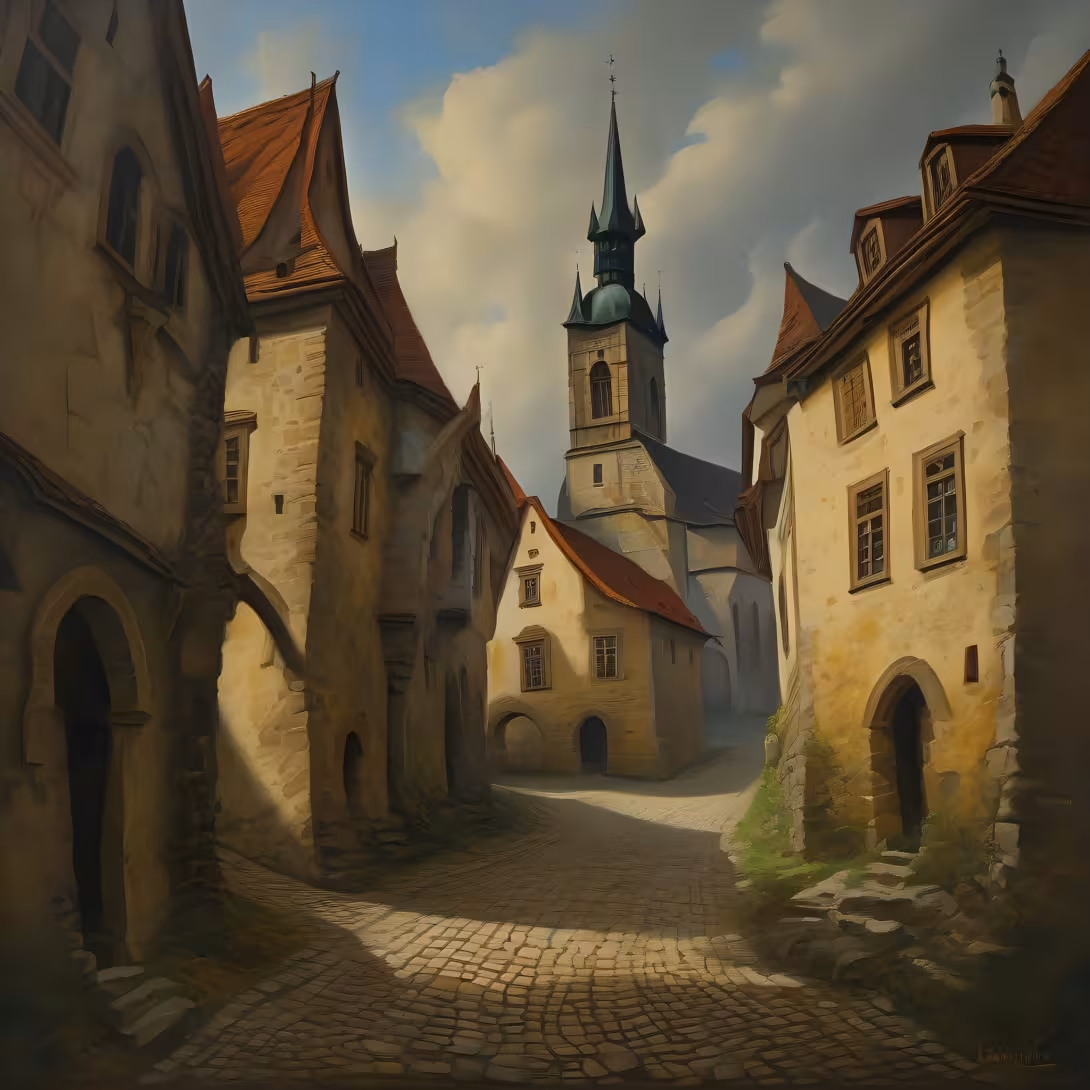
Objekt se nedochoval — na místě dnes nestojí. Následující text popisuje jeho historii, ne současnou návštěvu.
Brána v Dlouhé, also known as Černá branka or Odraná, was once an important gate in Prague's Old Town fortifications. Situated at the end of Dlouhá Street, this historical monument played a key role in the city’s medieval defenses. By the 16th century, however, it had fallen into disrepair and was repurposed for residential use, reflecting the evolving needs of the city. Today, while no longer standing, its remnants offer a glimpse into Prague's rich history.
The origins of Brána v Dlouhé are rooted in Prague’s medieval fortifications, essential for protecting the city within the Holy Roman Empire. Strategically positioned at the end of Dlouhá Street, it was flanked by other historical gates such as brána svatého Františka to the north and brána svatého Benedikta to the south. These fortifications underscored Prague's status as a significant cultural and political center during this period.
By the 16th century, the construction of New Town rendered the Old Town’s defenses obsolete. Brána v Dlouhé fell into neglect like many other parts of the old defenses. In 1521, reflecting the shift from military to civilian needs, the Staroměstští allowed butcher Říha to establish a residence within the abandoned gate. This repurposing was conditional; the city retained the right to reclaim it if necessary.
Archaeological findings have provided insights into the physical remnants of Brána v Dlouhé. Parts of the gate were discovered near U Tří jetelových lístků and close to a house at 723/I, where a corner building was once connected to a hexagonal tower associated with the gate. These findings highlight the architectural elements that once defined this historical site.
The transformation of Brána v Dlouhé from a defensive structure to a residential space marks an interesting chapter in Prague's history. The decision by the Staroměstští to allow Říha to inhabit the gate underscores the changing priorities and urban development within the city during that era.
Today, while Brána v Dlouhé no longer stands as it once did, its historical significance remains a point of interest for those exploring Prague's Old Town. The remnants and archaeological discoveries provide valuable insights into the medieval fortifications and their evolution over time. Visitors to this area can appreciate the layers of history that have shaped Prague, making Brána v Dlouhé a noteworthy site despite its absence in physical form.
In reflecting on the value of Brána v Dlouhé, it is clear that even as structures fall into disrepair or are repurposed, they continue to tell stories of their time. This monument serves as a testament to Prague's dynamic history and offers an intriguing glimpse into its past. For those interested in exploring the rich tapestry of Prague’s heritage, visiting the area around Brána v Dlouhé is a worthwhile endeavor.
Historical milestones
- c. 14th century
- The Gate in Dlouhá was part of the Old Town fortifications in Prague.
- 16th century
- The Old Town became outdated, and the gate fell into disrepair.
- 1521
- Rieger received permission to use the gate as a residence.
Architectural development
Originally part of Prague's medieval fortifications, Brána v Dlouhé became obsolete and neglected after the construction of New Town. By the 16th century, its structure was repurposed for residential use, indicating a shift from military to civilian needs.
Historical events
- 1521
- The Staroměstští allowed butcher Říha to establish a residence in the abandoned gate with the condition that it would be returned if needed by the city.
Points of interest
- Despite its name "Černá branka" or "Odraná," which might suggest a dark or worn appearance, Brána v Dlouhé was once a vibrant part of Prague's medieval defenses, reflecting the city’s importance within the Holy Roman Empire.
- The gate's transformation in 1521 from a defensive structure to a residence for butcher Říha illustrates an early example of adaptive reuse, where urban development priorities shifted towards accommodating growing residential needs over military defense.
- Archaeological findings near U Tří jetelových lístků and at house number 723/I reveal that parts of the gate were connected to a hexagonal tower, showcasing unique architectural elements that highlight medieval construction techniques used in Prague's fortifications.
- While Brána v Dlouhé no longer stands, its remnants offer insights into how urban spaces evolve over time. The city’s decision to allow residential use while retaining reclamation rights reflects an early form of urban planning and property management.
- The gate's history is intertwined with other significant gates like brána svatého Františka and brána svatého Benedikta, forming a network that once protected Prague. This interconnectedness underscores the strategic importance of these fortifications in safeguarding the city’s cultural and political status during medieval times.
Guide
This guide is narrated by a synthetic voice generated by artificial intelligence.
Show guide text
This text was created by artificial intelligence and has not been editorially reviewed. It may contain inaccuracies.
The Gate in Dlouhá, which was also called the Black Gate or the Tattered Gate, is a vanished gate of the Old Town fortifications. It stood at the mouth of Dlouhá Street in the Old Town of Prague. To the north of it, there was the Gate of Saint Francis in the fortifications, and to the south, the Gate of Saint Benedict.
The street Dlouhá was terminated in the Old Town fortifications precisely by this gate. Already in the sixteenth century, people called it the Tattered Gate because of its dilapidated condition, just like the gate in Celetná. When the New Town arose with its own fortifications, the Old Town fortifications lost their purpose and gradually fell into decay.
In fifteen twenty-one, the Old Townspeople allowed a butcher named Říha to set up an apartment in the empty gate. The condition was that he would return the gate to the town if the city needed it again.
The Black Gate stood in front of the house with numbers seven hundred twenty-six and fifty-one. The neighboring corner house was once called Branka.
Archaeological traces remained from the gate as well. In the house called U Tří jetelových lístků, a remnant of it was found. Other remains used to be by the house at the northern part of the railway garden. A prismatic tower connected to the gate adjoined this house; it has since been demolished.
Businesses nearby
Do you run a restaurant, accommodation, shop, museum, rental, wellness or other visitor service near this monument? Show yourself directly to the people heading to it — this is how they will see you in the app and on the web:
Events nearby

Zdroj akcí: otevřená data měst a obcí ČR (Národní katalog otevřených dat) a kalendář akcí Národního památkového ústavu.
Nearby
The area around Brána v Dlouhé included other historical gates such as brána svatého Františka to the north and brána svatého Benedikta to the south. These gates were part of Prague's extensive medieval fortifications.
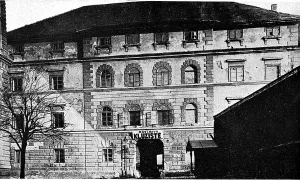
Visualizations and artistic views


The visualisations are generated by artificial intelligence and serve as inspiration.
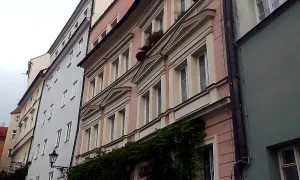
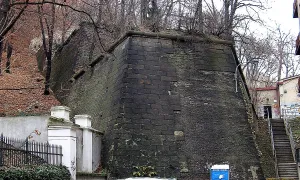
Photos from the area
Real photos taken near the monument


Zdroj a licence jsou uvedeny u každého snímku.
Tips from visitors
No tips yet. Be the first!
Log in and add your tip.
Sources and literature
Faktickým podkladem tohoto textu byl článek na Wikipedii, jehož autory jsou přispěvatelé Wikipedie. Článek je dostupný pod licencí CC BY-SA 4.0.
Location on the map
Příběhy a pověsti
Legendy, pověsti a příběhy spjaté s touto památkou
Fotografie návštěvníků
Zatím žádné fotografie. Buďte první, kdo přidá fotografii z návštěvy!
Log in a přidejte svou fotografii nebo hodnoťte.
Za ověřenou návštěvu v aplikaci získáte víc bodů — poznáme podle GPS, že jste na místě.
Reviews and comments