






Bratrská škola School building
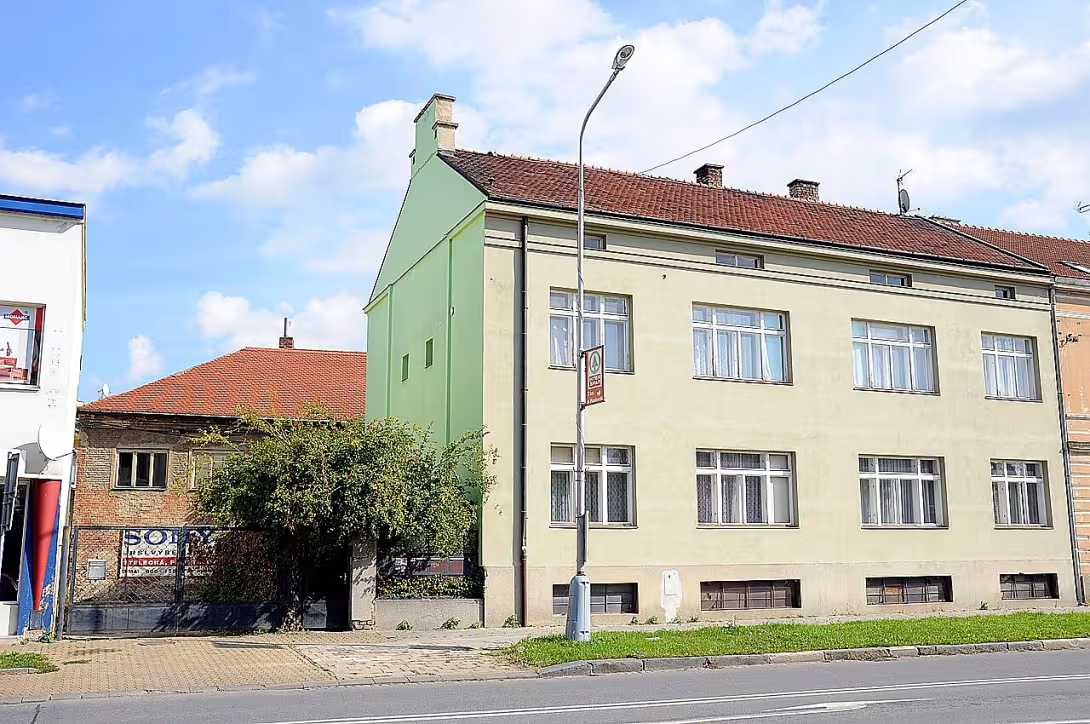
Bratrská škola in Prostějov stands as a testament to 16th-century Bohemia's rich educational and religious history. Located in Prostějov, within Olomoucký kraj, this Renaissance-style school was constructed by the Unity of the Brethren during the mid-1500s. Its significance lies not only in its architectural features but also as a center for religious and intellectual activity, associated with figures like Jan Blahoslav and Jan ze Žerotína.
The Unity of the Brethren established their presence in Prostějov by the end of the 15th century. By the mid-16th century, they built Bratrská škola to serve as an educational institution promoting education and religious tolerance during the broader European Reformation. This period was marked by significant intellectual activity and reform across Bohemia, with the Unity at the forefront.
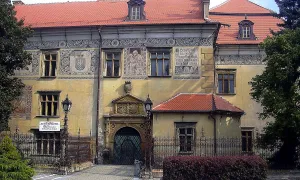
Architecturally, Bratrská škola is distinguished by its Renaissance elements. The building features motifs of two saints on its walls and remnants of sgraffito decoration from 1567. These artistic details highlight the cultural and religious significance attributed to the school during its time. Over the centuries, the interior underwent significant changes in the 19th and 20th centuries, reflecting evolving uses and architectural trends.
Throughout its history, Bratrská škola was associated with prominent figures such as Jan Blahoslav and Jan ze Žerotína, who contributed to its educational mission. However, following the Battle of White Mountain in 1621, it ceased functioning as a Brethren school when the last evangelical priest left Prostějov for exile.
Today, Bratrská škola stands on Kostelecké ulice as a historical monument offering insights into the educational and religious life of its time. While it has undergone various transformations, its Renaissance architectural elements remain a point of interest for visitors. The building's rich history and association with significant figures make it a worthwhile destination for those exploring Prostějov's cultural heritage.
Visiting Bratrská škola provides an opportunity to connect with a pivotal era in Bohemian history where education and religious reform intersected. Its enduring legacy invites exploration and reflection on the Unity of the Brethren's contributions to society.
Then and now
Drag the slider to compare how the landmark may have looked when it was built with the view today.
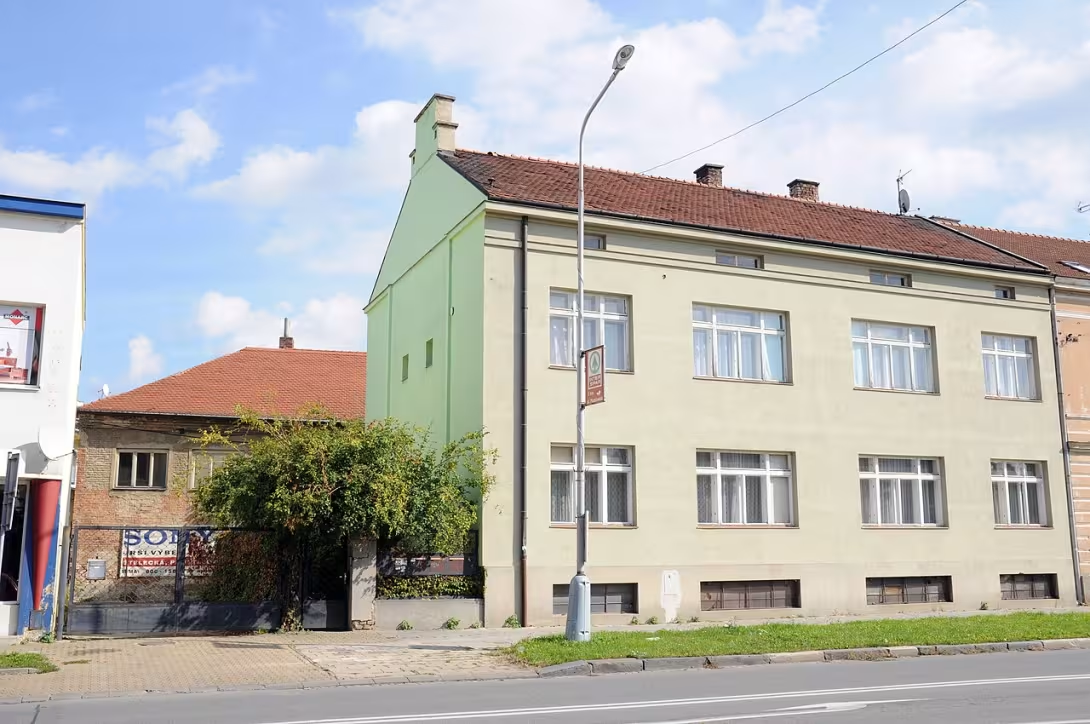
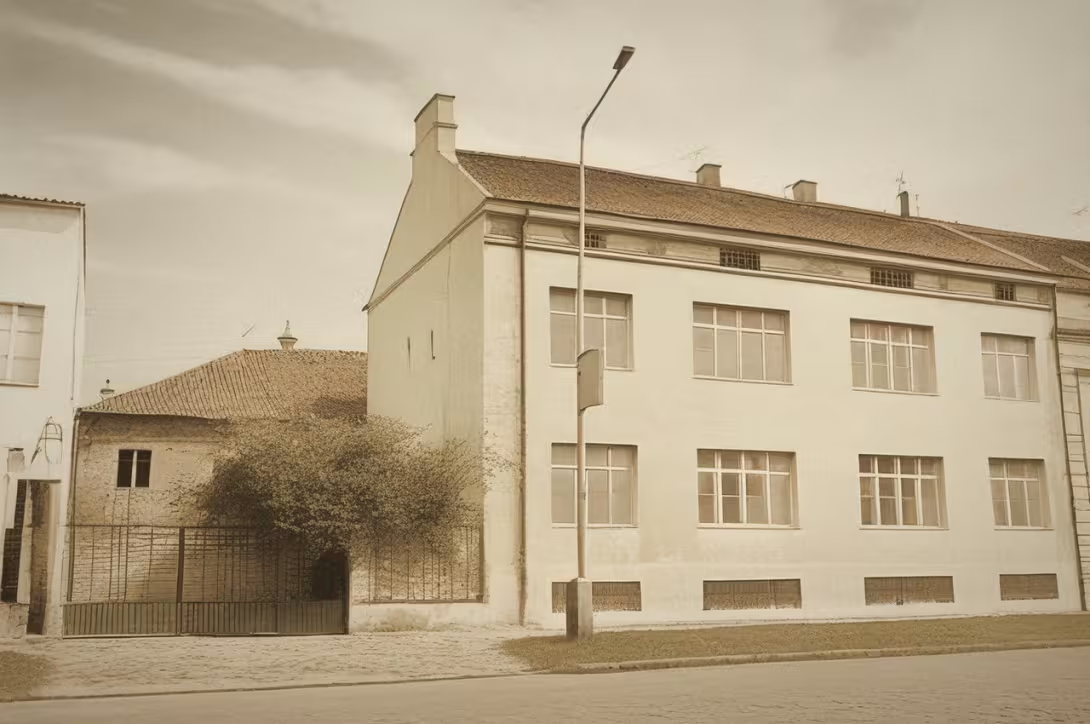
The historical appearance on the left is an AI-generated visualisation and serves as inspiration only.
Historical milestones
- 1567
- Remnants of sgraffito decoration were created.
Architectural development
The Bratrská škola features Renaissance architectural elements, including a valuable motif of two saints on the wall and remnants of sgraffito decoration from 1567. The building underwent significant interior changes in the 19th and 20th centuries.
Historical events
The Unity of the Brethren established their presence in Prostějov by the end of the 15th century.
Bratrská škola was built in the mid-16th century and served as an educational institution until its closure post-1621.
Points of interest
- Bratrská škola was initially part of a larger complex that included living quarters and other facilities for the Unity of the Brethren, illustrating its role as more than just an educational institution but also a community hub.
- The school's sgraffito decoration from 1567 is one of the few surviving examples in Moravia, making it particularly significant for art historians studying Renaissance decorative techniques in the region.
- Despite its closure after the Battle of White Mountain, Bratrská škola was used as a military hospital during World War I, reflecting its continued importance and adaptability throughout history.
- The building's association with Jan Blahoslav is notable not just for his contributions to education but also because he authored the first Czech Bible translation, linking the school directly to this pivotal religious milestone.
- In the 20th century, Bratrská škola was repurposed as a cultural center, hosting various events and exhibitions that connect contemporary audiences with its historical legacy.
Guide
This guide is narrated by a synthetic voice generated by artificial intelligence.
Show guide text
This text was created by artificial intelligence and has not been editorially reviewed. It may contain inaccuracies.
The Unity of the Brethren was active in Prostějov from the end of the fifteenth century. In the middle of the sixteenth century, they built a school here, a building with Renaissance elements. Prominent figures from the Brethren community worked at the school, including Jan Blahoslav and Jan ze Žerotína.
The end came after the Battle of White Mountain. The school was closed and in sixteen twenty-one, the last Protestant priest and church administrators left the city into exile.
The building of the former school stands on today's Kostelecká Street. It is built of brick and has a ground floor wooden veranda with an entrance on the western side. The most valuable features are the motif of two saints on the wall and remnants of sgraffito decoration from fifteen sixty-seven. The interior, on the other hand, underwent radical changes in the nineteenth and twentieth centuries.
Tips for visitors
The best time to visit the Bratrská škola is during late spring or early autumn when the weather is pleasant, allowing you to comfortably explore both indoors and outdoors without the crowds that peak season might bring. These months offer a balance of good light for photography and mild temperatures ideal for walking around Prostějov.
When visiting Bratrská škola, it's advisable to bring comfortable walking shoes as you'll likely be exploring the surrounding areas on foot. Don't forget a camera or smartphone for capturing the Renaissance architecture and any guided tours available. Additionally, carrying a water bottle is recommended, especially if you plan to spend several hours at the site.
For photography enthusiasts, the best spots around Bratrská škola are those that capture its architectural details in natural light, ideally during the golden hour just after sunrise or before sunset. The building's façade and any remaining original elements make for compelling subjects. Be mindful of lighting conditions and consider using a tripod for stability.
In the vicinity of Bratrská škola, within a 30-minute drive or walk, you can explore other historical sites in Prostějov such as the Church of St. Bartholomew, which offers insight into the town's rich history and architecture. For families with children, consider visiting local parks or museums that provide interactive exhibits to keep younger visitors engaged.
Frequently asked questions
Can the monument be visited?
The building is in use (offices, a school, shops and the like). The interior is generally accessible only during operating hours and tours are not usually offered; we have not verified the details. You can see the exterior from the street.
Where is the monument?
Location: Kostelecká/2, Prostějov, Olomoucký kraj. The map on this page shows the exact spot.
Why is the monument protected?
It is listed in the Central List of Cultural Monuments of the Czech Republic as a cultural monument (register no. 12015/7-8509).
Businesses nearby
Do you run a restaurant, accommodation, shop, museum, rental, wellness or other visitor service near this monument? Show yourself directly to the people heading to it — this is how they will see you in the app and on the web:
Events nearby

Zdroj akcí: otevřená data měst a obcí ČR (Národní katalog otevřených dat) a kalendář akcí Národního památkového ústavu.
Accommodation nearby
Trips and activities nearby
Guided tours, tickets and activities nearby from GetYourGuide
Affiliate link: if you buy from the partner, we may receive a commission. The price for you does not change.
Search tours and activities →Themed route
Tematická výletní trasa: Bratrská škola, Prostějov
1. Bratrská škola (školní budova)
Typ: Historická památka
Proč stojí za návštěvu: Tato významná stavba je nejstarší zachovanou bratrskou školou na Moravě, založenou v roce 1573. Je to klíčové místo pro pochopení historie protestantských Bratří a jejich vzdělávacího přínosu. Navštívte interiér s jeho původními klenbami a uvidíte, jak bylo děti tehdy vyučováno.
2. Náměstí Míru
Typ: Historické náměstí
Proč stojí za návštěvu: Nacházející se ve srdci Prostějova, Náměstí Míru je ideálním místem pro pochopení historického a kulturního kontextu, ve kterém Bratrská škola existovala. Představuje klíčový bod v centru města, kde se dnes setkávají lidé a probíhají různé události.
3. Kostel svatého Jakuba Většího
Typ: Historický kostel
Proč stojí za návštěvu: Tento barokní kostel je nejen významnou náboženskou památkou, ale také důležitým kulturním centrem ve městě. Jeho historie a architektura poskytují vhled do bohaté duchovní minulosti Prostějova a jeho vztahu k protestantským Bratřím.
4. Městská knihovna
Typ: Kulturní instituce
Proč stojí za návštěvu: Městská knihovna nabízí bohatou sbírku dokumentů a publikací o historii Prostějova, včetně Bratrské školy. Je to skvělý zdroj pro ty, kteří chtějí hluboce prozkoumat místní dědictví a pochopit vzdělávací tradice oblasti.
5. Městské muzeum
Typ: Historické muzeum
Proč stojí za návštěvu: Městské muzeum nabízí exponáty a výstavy, které osvětlují historii Prostějova, včetně jeho bratrských kořenů. Je to ideální místo pro ty, kteří chtějí získat komplexní pohled na místní dědictví a kulturní vývoj.
Tato trasa nabízí návštěvníkům hluboké porozumění historickému významu Bratrské školy a jejímu kontextu ve městě Prostějov.
Seasonal recommendations
Spring: Visiting the Bratrská škola during spring offers a unique experience as nature begins to awaken around this historic school building. The soft, diffused light of early spring mornings enhances the architectural details and provides a serene atmosphere for exploration. As the weather transitions from cool to mild, visitors should dress in layers to accommodate fluctuating temperatures throughout the day. This is an excellent time to visit before the peak tourist season begins, as visitor numbers are generally lower, allowing for a more intimate experience with the site.
Summer: Summer at Bratrská škola is characterized by long days and vibrant natural surroundings, making it ideal for those who appreciate outdoor activities alongside historical exploration. The lush greenery and blooming flowers create a picturesque setting that complements the historic architecture. However, this season also attracts larger crowds, so arriving early in the morning can help avoid the midday rush. Comfortable walking shoes and light clothing are recommended to stay cool under the summer sun.
Autumn: Autumn brings a stunning display of colors as the leaves around Bratrská škola turn into shades of red, orange, and yellow, creating a breathtaking backdrop for visitors. The cooler temperatures make it an ideal time for leisurely exploration without the discomfort of summer heat. While visitor numbers start to decrease towards the end of autumn, the site remains popular among those seeking to enjoy the seasonal beauty. A light jacket or sweater is advisable as evenings can be brisk.
Winter: Winter transforms Bratrská škola into a quiet and contemplative space, with shorter days and longer shadows adding a sense of mystery to its historic architecture. The absence of foliage allows for unobstructed views of the building's structure, while snow-covered landscapes offer a unique charm. However, winter also means reduced hours of operation and potentially challenging weather conditions, so visitors should plan accordingly by dressing warmly in layers and checking opening times before their visit. Despite these considerations, winter offers a peaceful opportunity to appreciate the site away from the crowds.
Visualizations and artistic views


The visualisations are generated by artificial intelligence and serve as inspiration.
Photos from the area
Real photos taken near the monument


Zdroj a licence jsou uvedeny u každého snímku.
Tips from visitors
No tips yet. Be the first!
Log in and add your tip.
Sources and literature
Photos: Vrrhaf / CC BY-SA 3.0 — Wikimedia Commons. The author and licence also appear when you hover over the image.
Faktickým podkladem tohoto textu byl článek na Wikipedii, jehož autory jsou přispěvatelé Wikipedie. Článek je dostupný pod licencí CC BY-SA 4.0.
Location on the map

Příběhy a pověsti
Legendy, pověsti a příběhy spjaté s touto památkou
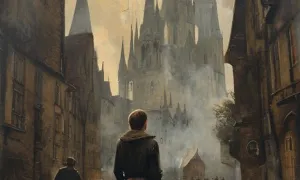
Příběh: Bratrská škola
Bylo to v pondělí ráno, kdy Martin zjistil, že jeho péro se nepodává do ruky jako obvykle. Slunce zasahovalo tajemnými paprsky skrz šedé oblaky, stínící ulic…
Číst příběh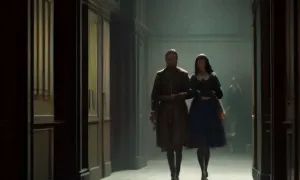
Pověst: Bratrská škola
Podle místní pověsti, která koluje mezi prostějovskými starousedlíky dodnes, nejsou dva světci vytesaní do zdi Bratrské školy jen ozdobou z dávných dob. Jsou…
Číst příběhFotografie návštěvníků
Zatím žádné fotografie. Buďte první, kdo přidá fotografii z návštěvy!
Log in a přidejte svou fotografii nebo hodnoťte.
Za ověřenou návštěvu v aplikaci získáte víc bodů — poznáme podle GPS, že jste na místě.
Reviews and comments