






Brněnská káznice Prison
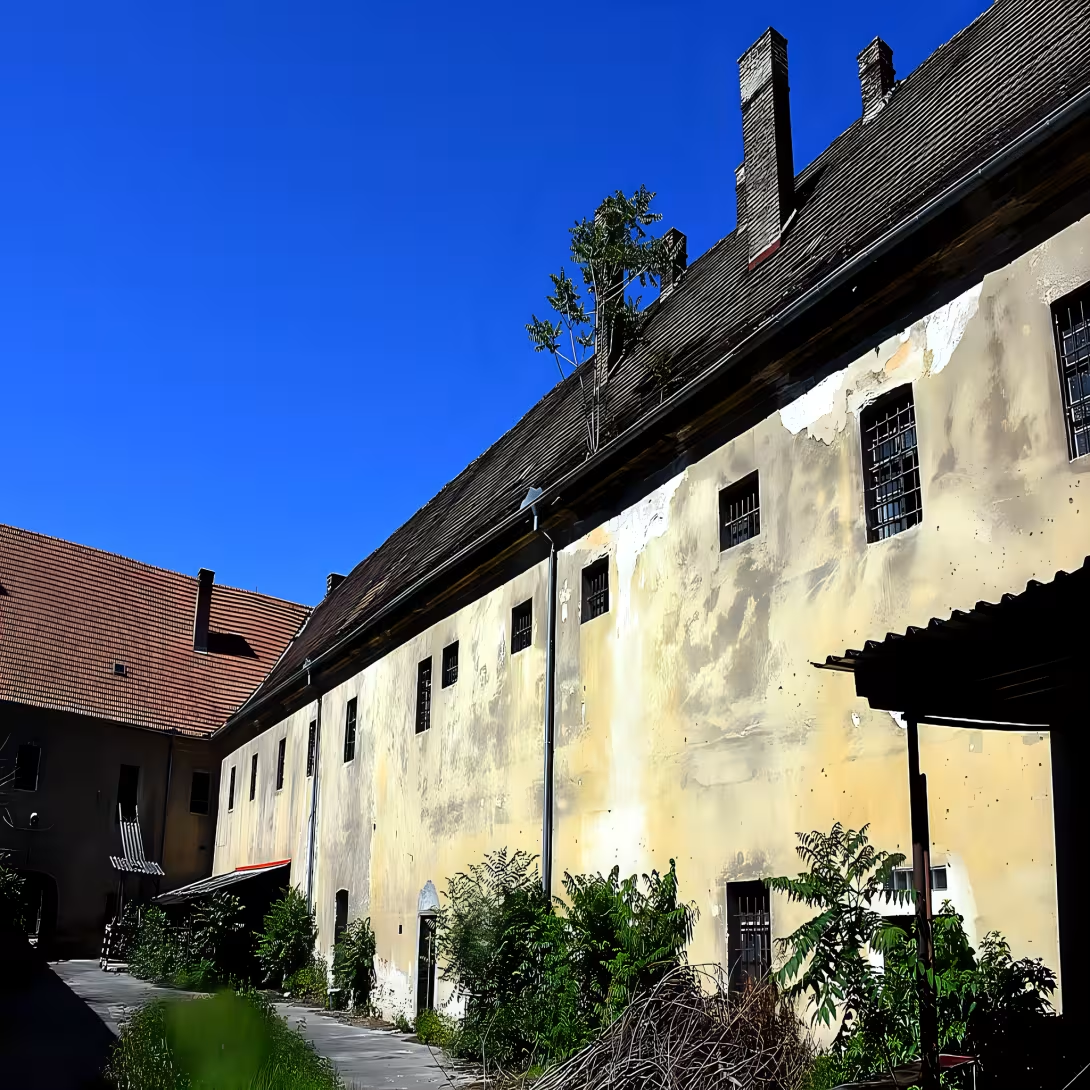
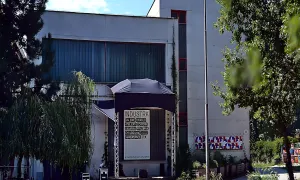
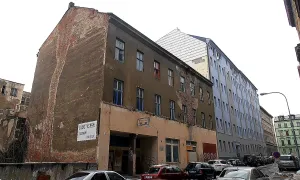
The Brněnská káznice, located in Zábrdovice near Brno, is a historical monument that served as a prison from 1784 until 1956. Initially constructed between 1772 and 1776, it was part of a broader penal system established by decree for Moravia and Silesia. Today, the site functions as a creative hub managed by the Tripitaka association, hosting educational, cultural, and artistic events. This transformation from a place of confinement to a vibrant community center highlights its enduring significance in Brno's urban landscape.
The origins of the Brněnská káznice date back to 1772 when Arnošt Kryštof hrabě z Kounic laid the foundation stone for what was initially intended as a joint Moravian-Silesian prison. The construction, completed by 1776, marked an era of significant social and political changes in Europe, influenced by Enlightenment ideals that sought to reform governance and justice systems. Under Habsburg rule, regions like Moravia saw the consolidation of state power, which included the establishment of structured penal institutions.
Architecturally, the Brněnská káznice began as a four-winged structure completed in 1776. Over the years, it underwent several expansions and modifications to accommodate increasing numbers of inmates. Notable changes occurred in 1798 when architect Karel Jacobi reconfigured the ground floor into a two-tract design with an external walkway. Further significant expansions took place in 1833, extending the wings towards Bratislavská Street and enclosing a new courtyard. By the mid-19th century, additional buildings were constructed to align the complex with Cejl Street, enhancing its capacity to several hundred prisoners. The early 20th-century modifications included post-war repairs conducted by prisoners themselves starting May 5, 1945.
Ownership of the Brněnská káznice transitioned through various regimes: from the Austrian monarchy (1784-1918), to Czechoslovakia (1918-1939 and 1945-1956), and Nazi Germany during World War II (1939-1945). Each period brought its own administrative changes, reflecting broader historical shifts. The facility's role evolved over time; initially serving as a temporary refuge for orphans displaced by the relocation of Stavovská Akademie from Olomouc in 1779, it began functioning as a prison in 1784.
Key events at the Brněnská káznice include its use as an execution site between 1937 and 1952. The executions took place in a courtyard designated for inmate recreation, where a gallows was occasionally erected. This grim aspect of its history underscores the complex legacy of the site. Additionally, during World War II, the prison suffered damage from two American bombing raids, necessitating extensive post-war repairs.
Today, the Brněnská káznice stands as a testament to adaptive reuse in urban development. Managed by the Tripitaka association since 2018, it has become a hub for community and cultural activities. The site hosts educational projects, interest groups, and various artistic endeavors, including music and theater productions, exhibitions, and festivals like Ghettofest and KOMA. This transformation from a place of confinement to one of creativity and learning makes the Brněnská káznice a unique and worthwhile destination for visitors interested in both history and contemporary culture.
The enduring value of the Brněnská káznice lies in its ability to bridge past and present, offering insights into historical penal practices while fostering modern artistic expression. Its rich history and vibrant current use invite exploration and appreciation from all who visit.
Then and now
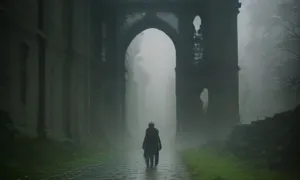
Drag the slider to compare how the landmark may have looked when it was built with the view today.
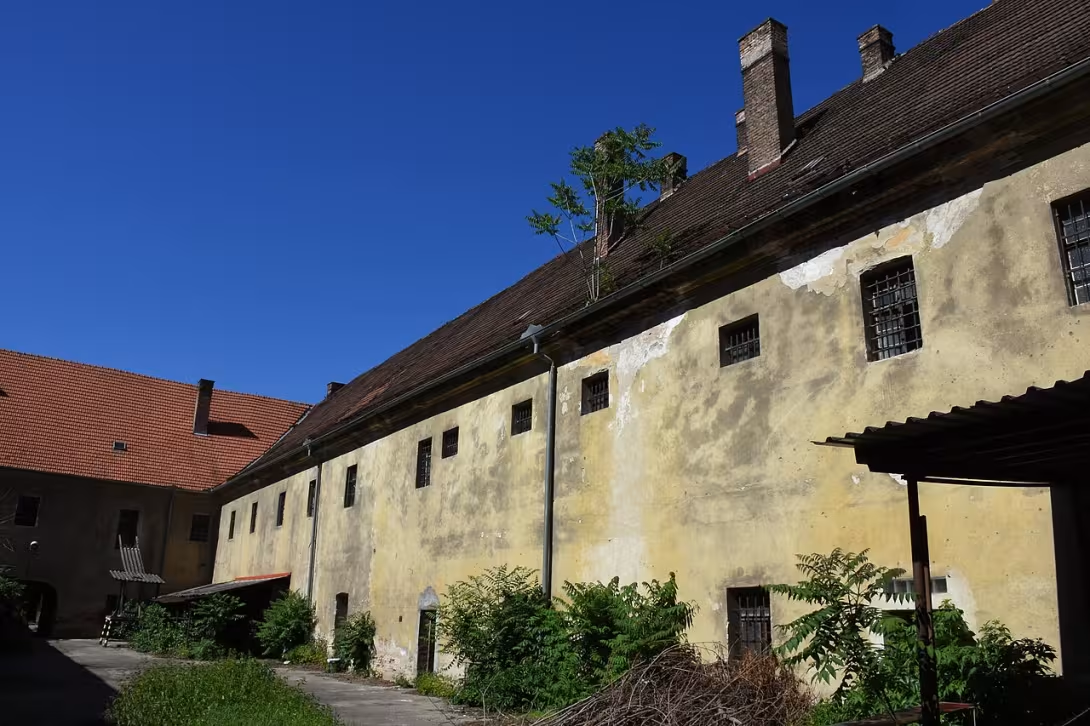
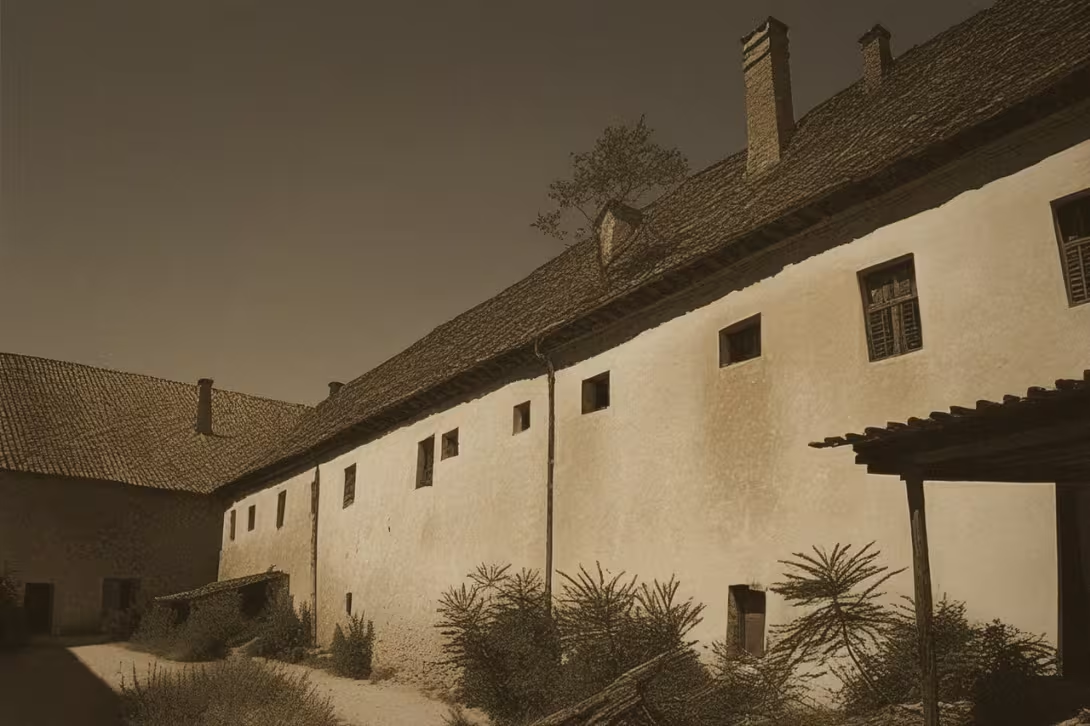
The historical appearance on the left is an AI-generated visualisation and serves as inspiration only.
Historical milestones
- 1772
- Foundation stone laid for Brněnská káznice.
- 1776
- Construction of the prison completed.
- 1784
- Began functioning as a prison.
- 1798
- Architect Karel Jacobi reconfigured ground floor design.
- 1833
- Significant expansions extended wings towards Bratislavská Street.
- 1945
- Post-war repairs conducted by prisoners starting May 5.
Architectural development
The Brněnská káznice's construction began with a four-winged structure completed by 1776. Significant expansions occurred in 1798, 1833, and the mid-19th century, increasing its capacity to several hundred inmates. The complex was further modified in 1903 and during the early 20th century, including post-war repairs.
Historical events
- 1784
- The facility began functioning as a prison.
- 1937
- Executions started taking place at the site.
- 1956
- Prison operations ceased, and it was replaced by another facility in Bohunice.
Points of interest
- The foundation stone of the Brněnská káznice was laid in 1772 by Arnošt Kryštof hrabě z Kounic, who played a significant role in shaping Moravian infrastructure during the Enlightenment period.
- In its early years, before becoming a prison, the Brněnská káznice served as a temporary refuge for orphans displaced from Stavovská Akademie in Olomouc, reflecting its multifaceted use throughout history.
- Architect Karel Jacobi's redesign of the ground floor into a two-tract layout with an external walkway in 1798 was part of broader architectural trends emphasizing order and surveillance within penal institutions.
- Between 1937 and 1952, the Brněnská káznice courtyard was used as an execution site, where a gallows was occasionally erected for carrying out death sentences, highlighting its role during tumultuous periods in Czech history.
- The prison sustained damage from two American bombing raids during World War II, which led to significant post-war repairs carried out by prisoners starting on May 5, 1945, showcasing the resilience and adaptability of both the structure and its inhabitants.
Guide
This guide is narrated by a synthetic voice generated by artificial intelligence.
Show guide text
This text was created by artificial intelligence and has not been editorially reviewed. It may contain inaccuracies.
Welcome to the Brněnská káznice, a site rich with history and transformation. As you stand here in Zábrdovice, Brno, take a moment to absorb the aura of this remarkable structure that once served as a prison from 1784 until 1956. This place is not just about its past; it's also a vibrant creative hub today.
Let’s delve into the origins and historical context of this fascinating site. The foundation stone for Brněnská káznice was laid in 1772 by Arnošt Kryštof hrabě z Kounic, a prominent figure during the Enlightenment period who significantly influenced Moravian infrastructure. By 1776, construction was complete, and this building began its life as part of an expansive penal system for Moravia and Silesia.
As you look around, notice the architectural evolution that has taken place over centuries. The prison underwent several modifications, notably in 1798 when architect Karel Jacobi reconfigured the ground floor design. Later expansions in 1833 extended wings towards Bratislavská Street, reflecting its growing role and capacity as a correctional facility.
The stories tied to this site are compelling. Arnošt Kryštof hrabě z Kounic’s involvement underscores the Enlightenment influence on Moravian architecture and penal reforms. Imagine him overseeing the initial construction, setting in motion centuries of history that would unfold within these walls.
Now, consider a fascinating tidbit: before it became a prison, Brněnská káznice served as a temporary refuge for orphans. This early use highlights its multifaceted role in the community before transitioning into the penal institution we recognize today.
As you continue your exploration, let your imagination wander through time—consider the prisoners who walked these halls and the post-war repairs initiated by those same individuals starting May 5, 1945. Each layer of history adds depth to this site’s narrative.
Before you move on, take a moment to appreciate how Brněnská káznice has transformed into a creative hub managed by the Tripitaka association. This evolution from confinement to creativity is a testament to resilience and reinvention.
Thank you for joining us on this journey through time at Brněnská káznice. We invite you to explore further, uncover more stories, and let your curiosity guide you as you delve deeper into the layers of history that make this place so unique. Safe travels on your next adventure!
Tips for visitors
The best time to visit the Brněnská káznice is during late spring or early autumn when the weather is pleasant, making it ideal for exploring both the historical site and its surrounding cultural hub. This period also coincides with various artistic events in the area, offering a richer experience.
Parking near the Brněnská káznica can be limited due to its location in a bustling part of Brno. Public transport is recommended; you can reach the site using local buses or trams that connect through nearby streets such as Bratislavská and Soudní. It's advisable to check current routes online before your visit.
When visiting, it’s wise to bring comfortable walking shoes as there may be some uneven surfaces around the historical site. A hat and sunscreen are also recommended if you plan to spend time outdoors in the area. Additionally, carrying a water bottle is beneficial for staying hydrated during your exploration.
For photography enthusiasts, the best spots for capturing the Brněnská káznice include its exterior facade early in the morning or late afternoon when the light is softer and more flattering. The surrounding streets like Cejl offer interesting urban backdrops that complement the historical architecture of the site.
Nearby attractions within a 30-minute walk include various cultural venues and educational institutions, making it an excellent area for those interested in art and history. Families with children can enjoy exploring these local spots, which often host interactive exhibits and activities suitable for young visitors.
Businesses nearby
Do you run a restaurant, accommodation, shop, museum, rental, wellness or other visitor service near this monument? Show yourself directly to the people heading to it — this is how they will see you in the app and on the web:
Events nearby


Zdroj akcí: otevřená data měst a obcí ČR (Národní katalog otevřených dat) a kalendář akcí Národního památkového ústavu.
Nearby
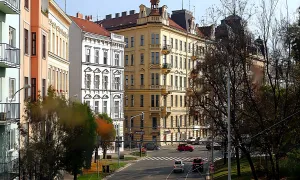
The Brněnská káznice is situated near several streets including Bratislavská, Soudní, and Cejl. The area has transformed into a cultural hub with various artistic and educational activities.
Accommodation nearby
Trips and activities nearby
Guided tours, tickets and activities nearby from GetYourGuide
Affiliate link: if you buy from the partner, we may receive a commission. The price for you does not change.
Search tours and activities →Themed route
Thematic Walking Tour: Brno's Cejl Quarter
1. Brněnská káznice (Prison)
Type: Historical Site
Begin your exploration at the iconic Brněnská káznice, a historical prison that has been transformed into a vibrant cultural venue. This site is renowned for its unique architecture and rich history, offering visitors a glimpse into Brno's past through various exhibitions and events.
2. Cejl Quarter
Type: Cultural Hub
Stroll along the streets of Cejl, starting from Bratislavská Street, where you'll find an eclectic mix of art galleries, cafes, and boutiques. This area has become a cultural hotspot in Brno, showcasing contemporary art and hosting numerous artistic events that reflect the city's dynamic creative spirit.
3. Soudní Street
Type: Artistic Avenue
Continue your journey to Soudní Street, where the atmosphere is infused with creativity and innovation. This street is lined with unique shops and studios, offering a variety of cultural experiences from live music performances to art installations. It's an ideal spot for those interested in exploring Brno's modern artistic scene.
4. Cejl Park
Type: Urban Green Space
Conclude your tour at Cejl Park, located near the end of Cejl Street. This park provides a serene escape amidst the bustling urban environment, featuring green spaces and public art installations. It's a perfect place to relax and reflect on the cultural journey you've experienced in this vibrant part of Brno.
This thematic walking tour offers an immersive experience into the artistic and historical essence of Brno's Cejl Quarter, highlighting its transformation into a thriving cultural hub.
Seasonal recommendations
Spring: Visiting Brno's Kajetanum during spring offers a unique experience as the surrounding gardens start to bloom, adding a touch of natural beauty to this historic site. The soft light of early morning or late afternoon creates an ideal atmosphere for exploring its intriguing history. As the weather begins to warm up, visitors should dress in layers to accommodate fluctuating temperatures and enjoy the relatively quieter environment before summer crowds arrive. Arriving early is recommended to fully appreciate the site without the distraction of larger groups.
Summer: In summer, Brno's Kajetanum becomes a vibrant destination with its lush greenery providing a picturesque backdrop for exploring this historic prison. The long daylight hours offer ample time to delve into its rich history, though it's wise to arrive early to avoid peak visitor times and the midday heat. Comfortable walking shoes and light clothing are essential due to the warm weather, and carrying water is advisable. Exploring in the cooler morning or late afternoon can enhance your experience by avoiding the busiest periods.
Autumn: Autumn at Brno's Kajetanum presents a serene atmosphere as the surrounding foliage turns vibrant shades of red, orange, and yellow. The crisp air and softer light create an ideal setting for reflection and exploration. This season is less crowded than summer, offering a more intimate experience of the site's history. Visitors should dress in warm layers to stay comfortable during cooler days and consider bringing a jacket for evening visits when temperatures can drop further.
Winter: Winter transforms Brno’s Kajetanum into a quiet, contemplative space, with its historic architecture standing out against the stark winter landscape. The shorter daylight hours mean visitors should plan their visit carefully, arriving early to make the most of the available light. While the site remains open during this season, it's important to dress warmly in layers and wear comfortable footwear for walking on potentially icy paths. The tranquil atmosphere provides a unique opportunity to appreciate the history of the Kajetanum without the bustle of peak tourist seasons.
Visualizations and artistic views


The visualisations are generated by artificial intelligence and serve as inspiration.
Photos from the area
Real photos taken near the monument


Zdroj a licence jsou uvedeny u každého snímku.
Tips from visitors
No tips yet. Be the first!
Log in and add your tip.
Sources and literature
Photos: Ben Skála, Benfoto / CC BY-SA 3.0, rozlišení zvýšeno umělou inteligencí — Wikimedia Commons. The author and licence also appear when you hover over the image.
Faktickým podkladem tohoto textu byl článek na Wikipedii, jehož autory jsou přispěvatelé Wikipedie. Článek je dostupný pod licencí CC BY-SA 4.0.
Location on the map

Příběhy a pověsti
Legendy, pověsti a příběhy spjaté s touto památkou
Fotografie návštěvníků
Zatím žádné fotografie. Buďte první, kdo přidá fotografii z návštěvy!
Přihlaste se a přidejte svou fotografii nebo hodnoťte.
Za ověřenou návštěvu v aplikaci získáte víc bodů — poznáme podle GPS, že jste na místě.
Reviews and comments