






Schoellerův palác Palace
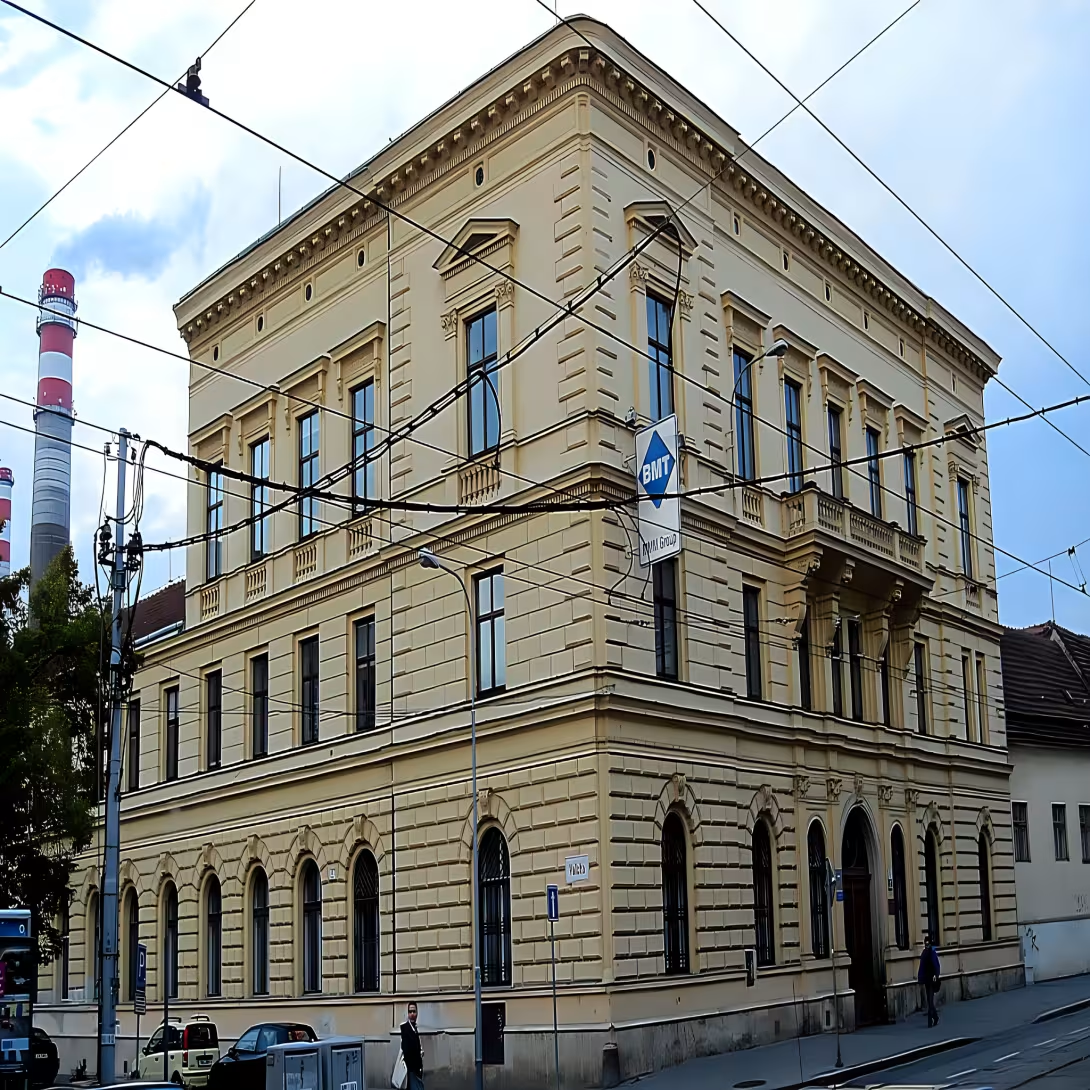
Schoellerův Palác stands as a prominent urban palace in Brno's Cejl suburb. Constructed in 1868 for Austrian industrialist Gustav Adolf von Schoeller, it showcases a distinctive high Neorenaissance façade with an imposing balcony at its main entrance. This architectural gem marks a significant historical monument in the region. The building was erected on the site of a former chapel dedicated to Saint Anne and is part of a larger complex that included adjacent factory buildings and a park extending towards Mlýnské náhon. Its design aligns with Brno's ring road architecture, integrating residential and industrial elements typical of Moravian entrepreneurs' estates.
The construction was completed in 1868 by architect Josef Arnold for Gustav Adolf von Schoeller. This period marked significant industrial growth and urban development across Europe, particularly in Bohemia where architectural innovation flourished alongside economic expansion. During this era, Moravia emerged as an important center for industry and commerce, providing the backdrop for notable structures like Schoellerův Palác.
Architecturally, Schoellerův Palác is characterized by its grand Neorenaissance style, evident in its façade and decorative elements. The building's design reflects a harmonious blend of residential and industrial functions, typical of 19th-century Moravian entrepreneurs' estates. Its interior features representative spaces adorned with period frescoes and stucco decorations, historically used for hosting regular balls. This integration of aesthetic and functional aspects underscores the architectural significance of the palace.
Ownership remained within the Schoeller family until 1945 when it was confiscated. Gustav Adolf von Schoeller, a member of the prominent Austrian industrial family Schoeller, originally commissioned the building. The Schoeller family played a crucial role in Moravian industry, with their influence extending throughout the region during this period.
The history of Schoellerův Palác is marked by key events that highlight its significance. Its construction in 1868 symbolized the prosperity and architectural ambition of the era's industrialists. However, the confiscation of the palace and surrounding industrial buildings from the Schoeller family in 1945 reflected broader socio-political changes.
Today, Schoellerův Palác remains an important historical site located at the corner of Cejl and Valcha streets in Brno. The area includes expansive parkland extending towards Mlýnské náhon, enhancing its historical and aesthetic value. Visitors are drawn to the palace not only for its architectural beauty but also for its rich history as a symbol of industrial progress and cultural development in Moravia.
Schoellerův Palác offers a unique glimpse into the past, embodying the spirit of an era marked by innovation and growth. Its preservation allows contemporary audiences to appreciate the architectural and historical significance of this landmark. Visitors are invited to explore this remarkable site, where history and beauty converge, providing insight into the legacy of Moravian industrialists like Gustav Adolf von Schoeller.
Then and now
Drag the slider to compare how the landmark may have looked when it was built with the view today.
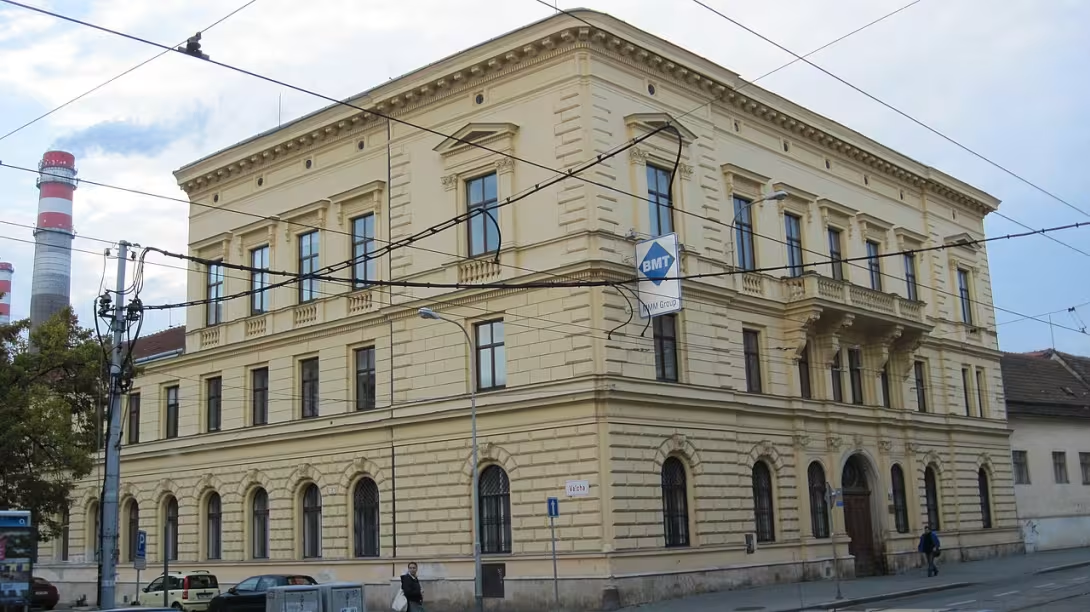
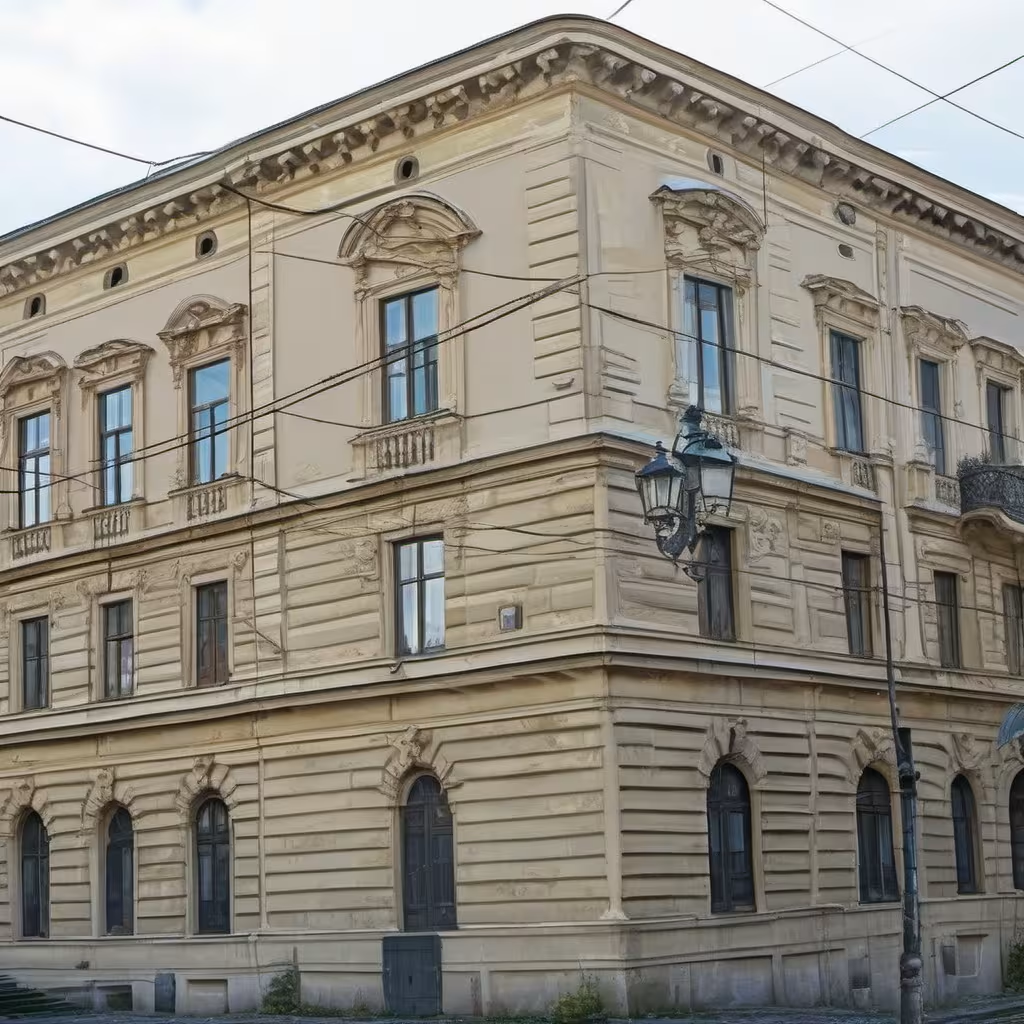
The historical appearance on the left is an AI-generated visualisation and serves as inspiration only.
Historical milestones
- 1868
- Schoeller's Palace was built for Gustav Adolf von Schoeller.
- 1945
- The palace and the adjacent industrial buildings were confiscated from the Schoeller family.
Architectural development
Schoellerův palác was designed in the Neorenaissance style, characterized by its grand façade and decorative elements. The building's interior featured representative spaces with period frescoes and stucco decorations, which were used for hosting regular balls. Its architectural design reflects the integration of residential and industrial functions typical of 19th-century Moravian entrepreneurs.
Historical events
1868: Construction of Schoellerův palác completed by architect Josef Arnold for Gustav Adolf von Schoeller.
1945: Confiscation of the palace and surrounding industrial buildings from the Schoeller family.
Owners
The palace was originally built for Gustav Adolf von Schoeller, a member of the prominent Austrian industrial family Schoeller, who settled in Brno. The property remained within the Schoeller family until its confiscation in 1945.
Guide
This guide is narrated by a synthetic voice generated by artificial intelligence.
Show guide text
This text was created by artificial intelligence and has not been editorially reviewed. It may contain inaccuracies.
Welcome to the historic Schoellerův palác, a remarkable urban palace nestled in the Brno suburb of Cejl. As you stand here, take a moment to appreciate its grandeur: a striking high Neorenaissance façade greets your eyes, with an imposing balcony dominating the main entrance. This architectural masterpiece was constructed in 1868 for Gustav Adolf von Schoeller, an influential Austrian industrialist.
Let's delve into its origins and historical context. The palace was built on land that once held religious significance—a former chapel dedicated to Saint Anne. In 1868, this site transformed as Josef Arnold designed the palác specifically for Schoeller, reflecting a shift from sacred to industrial and residential use. This change marked an era of growth and modernization in Zábrdovice.
Now, turn your attention to the architectural details that make this structure so captivating. Notice how the design seamlessly integrates both residential elegance and industrial functionality—a testament to Arnold's vision. The façade is not just a visual delight but also a narrative of its time, capturing the essence of the Neorenaissance style with finesse.
Key stories and personalities are intertwined with this place. Gustav Adolf von Schoeller himself is central to its history; his legacy is embedded in these walls. In 1945, after the tumultuous events of World War II, the palác and adjacent industrial buildings were confiscated from the Schoeller family, marking a significant shift in ownership and purpose.
Here's an intriguing tidbit: the transformation from chapel to palace symbolizes broader societal changes during that era—a fascinating evolution from religious to industrial prominence. This site is not just about architectural beauty; it's a living testament to history's dynamic nature.
As we conclude this brief exploration, I invite you to continue your journey through Zábrdovice and discover more of its rich tapestry. Whether you're drawn by history, architecture, or the stories embedded in these streets, there's much to explore. Thank you for joining me today, and enjoy your adventure at Schoellerův palác!
Tips for visitors
The best time to visit Schoellerův palác is during the late spring or early autumn months when the weather is pleasant, allowing you to fully enjoy both the architectural beauty of the palace and its surrounding parkland. The mild temperatures make it ideal for leisurely strolls through the expansive greenery towards Mlýnské náhon, offering a serene backdrop that enhances the historical ambiance of the area.
Parking and transportation options are convenient for those planning to visit Schoellerův palác. While specific parking details should be verified in advance, visitors can generally find parking spots nearby or use public transport as an alternative. The palace's location at the corner of Cejl and Valcha streets makes it accessible by various modes of transportation, ensuring a smooth journey to this historical site.
When planning your visit, consider bringing comfortable walking shoes for exploring the extensive parkland surrounding the palace. Additionally, carrying a camera or smartphone is recommended to capture the architectural details of the palace and the picturesque landscapes of its gardens. Sunscreen and water are also advisable if you plan to spend time outdoors during warmer months.
Photography enthusiasts will find several spots around Schoellerův palác offering stunning views, especially during golden hour when the light beautifully illuminates the building's facade. The parkland extending towards Mlýnské náhon provides a scenic backdrop for capturing both the palace and its natural surroundings. Experimenting with different angles can reveal unique perspectives of this historic site.
For those interested in exploring nearby attractions, the area within 30 minutes offers several points of interest that complement a visit to Schoellerův palác. The former chapel site near the palace itself is worth visiting for its historical significance and tranquil atmosphere. Additionally, the expansive parkland towards Mlýnské náhon presents an opportunity for nature walks or picnics in a scenic setting.
Businesses nearby
Do you run a restaurant, accommodation, shop, museum, rental, wellness or other visitor service near this monument? Show yourself directly to the people heading to it — this is how they will see you in the app and on the web:
Events nearby


Zdroj akcí: otevřená data měst a obcí ČR (Národní katalog otevřených dat) a kalendář akcí Národního památkového ústavu.
Nearby
The palace is situated at the corner of Cejl and Valcha streets in Brno, near a former chapel site. The area includes expansive parkland extending towards Mlýnské náhon, enhancing its historical and aesthetic value.
Accommodation nearby
Trips and activities nearby
Guided tours, tickets and activities nearby from GetYourGuide
Affiliate link: if you buy from the partner, we may receive a commission. The price for you does not change.
Search tours and activities →Themed route
Thematic Walking Tour: Schoeller Palace and Surroundings
1. Schoellerův Palác (Palace) - Type: Historical Building - Why Visit: This exquisite palace, located at the intersection of Cejl and Valcha streets in Brno, is a masterpiece of architectural design with rich historical significance. The building's elegant façade and intricate details make it an essential stop for anyone interested in architecture or history.
2. Former Chapel Site - Type: Historical Landmark - Why Visit: Near Schoellerův Palác lies the site of a former chapel, adding to the historical tapestry of the area. This spot offers insight into the religious and cultural past of Brno, providing context to the evolution of this urban landscape.
3. Parkland Towards Mlýnské náhon - Type: Park - Why Visit: Stretching from Schoellerův Palác towards Mlýnské náhon, the expansive parklands are perfect for a leisurely stroll or a moment of reflection amidst nature. The greenery and open spaces enhance the historical ambiance of the area, offering both aesthetic beauty and tranquility.
This tour provides an enriching experience through architectural splendor, historical insights, and natural beauty, all within close proximity to each other in Brno's vibrant cityscape.
Seasonal recommendations
Spring: The Schoeller Palace in Zábrdovice comes alive with vibrant colors during spring, as the surrounding landscapes are adorned with blooming flowers and fresh greenery. This season offers a picturesque setting for photography enthusiasts, capturing the palace against a backdrop of nature's renewal. Visitors can enjoy peaceful walks through the gardens, which are less crowded compared to other seasons. It is advisable to wear comfortable walking shoes and layers that can be adjusted to accommodate the mild but occasionally unpredictable spring weather. Early mornings or late afternoons are ideal times for visiting, as they provide softer lighting and a more tranquil atmosphere.
Summer: Summer at Schoeller Palace is characterized by lush gardens in full bloom and extended daylight hours, making it perfect for exploring both indoors and outdoors. This season attracts the most visitors due to its warm weather and longer opening hours of the palace's attractions. To avoid large crowds, consider visiting on weekdays or during off-peak times such as early morning or late afternoon. Light clothing is recommended to stay comfortable in the heat, along with sun protection like hats and sunscreen. The summer atmosphere is lively and vibrant, providing a dynamic backdrop for enjoying outdoor activities and events.
Autumn: Autumn brings a stunning transformation to Schoeller Palace, with its surroundings painted in rich hues of orange, red, and gold. This season offers a serene and enchanting experience as the cooler temperatures make it ideal for leisurely strolls through the beautifully colored foliage. The palace's architecture is particularly striking against the autumnal landscape, creating perfect photo opportunities. Visitors should dress warmly in layers to accommodate the crisp weather and consider bringing a light jacket or sweater. Autumn tends to be less crowded than summer, allowing for a more relaxed visit.
Winter: Winter at Schoeller Palace offers a magical atmosphere with snow-covered grounds that enhance its majestic appearance. The colder months provide an opportunity to experience the palace in a quieter setting, as visitor numbers dwindle compared to other seasons. While some outdoor areas may be less accessible due to weather conditions, the interiors remain open for exploration. It is essential to dress warmly in thermal layers and wear sturdy boots for walking on potentially icy paths. Visiting during daylight hours is advisable, as opening times are shorter, ensuring you make the most of your time at this historic site amidst a winter wonderland.
Visualizations and artistic views


The visualisations are generated by artificial intelligence and serve as inspiration.
Photos from the area
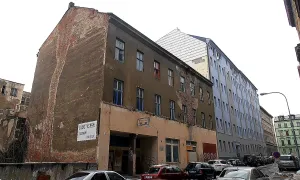
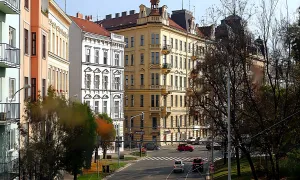
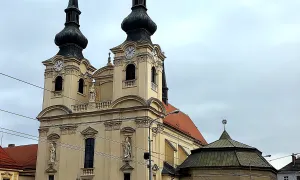
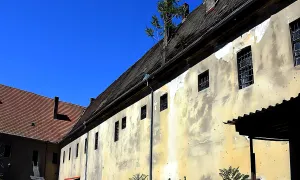
Real photos taken near the monument


Zdroj a licence jsou uvedeny u každého snímku.
Atmosphere of the place
This atmospheric visualisation of the place and period was generated by artificial intelligence. It is not real footage of the location.
Tips from visitors
No tips yet. Be the first!
Log in and add your tip.
Sources and literature
Photos: Jid / CC0, rozlišení zvýšeno umělou inteligencí — Wikimedia Commons. The author and licence also appear when you hover over the image.
Faktickým podkladem tohoto textu byl článek na Wikipedii, jehož autory jsou přispěvatelé Wikipedie. Článek je dostupný pod licencí CC BY-SA 4.0.
Location on the map

Příběhy a pověsti
Legendy, pověsti a příběhy spjaté s touto památkou
Fotografie návštěvníků
Zatím žádné fotografie. Buďte první, kdo přidá fotografii z návštěvy!
Přihlaste se a přidejte svou fotografii nebo hodnoťte.
Za ověřenou návštěvu v aplikaci získáte víc bodů — poznáme podle GPS, že jste na místě.
Reviews and comments