






Dělnický dům (Zábrdovice) Workers' house
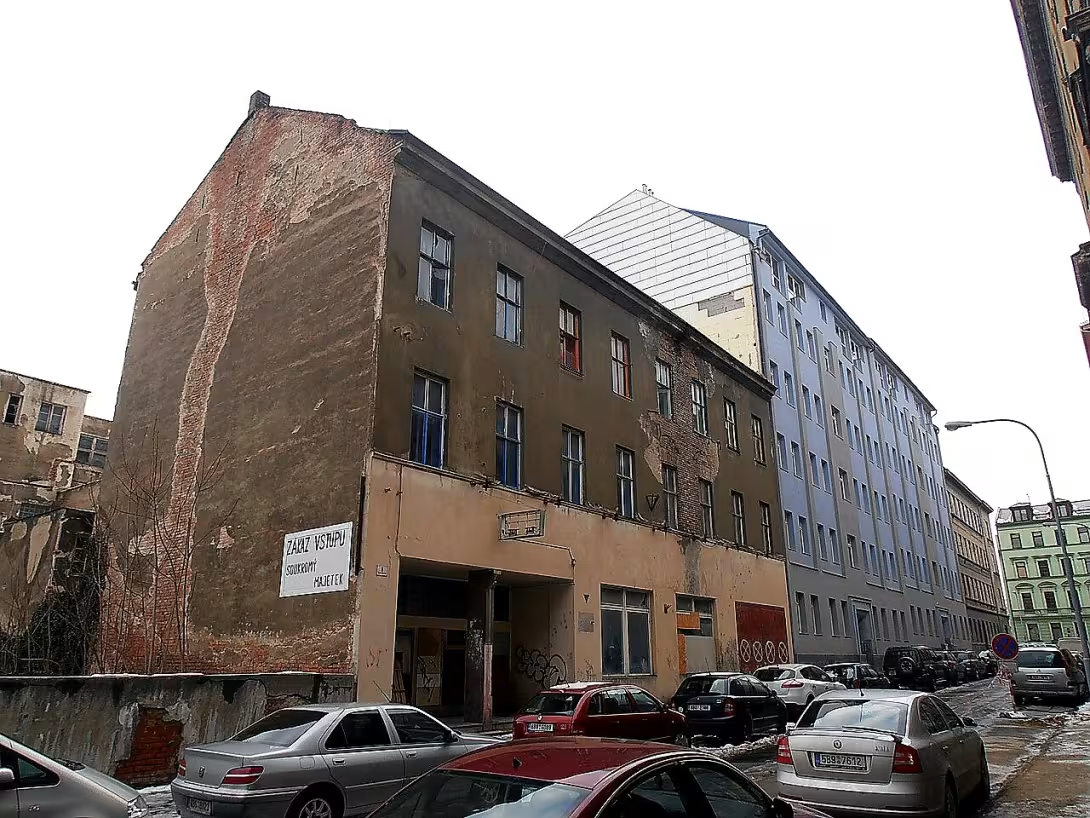
The Dělnický dům, located in Brno-Zábrdovice, was originally built as a workers' social center and cultural hub. It has played a significant role in the city's labor movement and communist history. The building underwent several transformations over the years, including the addition of a functionalist wing in 1929.
Founded in 1895 as a workers' social center, the Dělnický dům aimed to provide a space for workers to gather, relax, and engage in cultural activities. It quickly became a hub for labor movement activities, hosting meetings, concerts, and theatrical performances. In 1899, it played a key role in a strike by 12,000 textile workers.
In the early 20th century, the Dělnický dům was expanded to include a functionalist wing designed by architect Eduard Göttlicher. This addition brought modern amenities such as a cinema, gym, and dance hall. The building continued to be an important center for labor movement activities, hosting events and meetings for various socialist and communist organizations.
During World War II, the Dělnický dům was occupied by the German army, and its cultural programs were suspended. After the war, the building fell into disrepair and was eventually abandoned. In the 1990s, it was renovated and reopened as a rock club and cultural center, hosting concerts and events.
Today, the Dělnický dům is no longer standing, having been demolished in 2021 to make way for a new residential complex. Despite its physical demise, the building remains an important part of Brno's history and culture, serving as a symbol of the city's labor movement and communist heritage. Visitors can still explore the surrounding area, which features other historic buildings and cultural institutions.
The Dělnický dům is situated in the Cejl district of Brno, surrounded by other historic buildings and cultural institutions. Its historical context is that of rapid industrialization and urbanization in the late 19th to early 20th century, which led to the growth of a strong labor movement and the establishment of various cultural institutions like the Dělnický dům.
Key events and curiosities include the building's role as the center of a strike by 12,000 textile workers in 1899, the establishment of the Brno branch of the poetical group Děvetsil in 1924, and its use as a rock club and cultural center in the 1990s.
Historical milestones
- 1895
- The Dělnický dům was founded as a workers' social center.
- 1899
- The building became the center of a strike by 12,000 textile workers.
- 1924
- The Brno branch of the poetical group Děvetsil was established in the building.
Architectural development
The original building was constructed in 1897. In 1929, a functionalist wing was added to the existing structure.
Historical events
- 1895
- The Dělnický dům was founded as a workers' social center.
- 1899
- The building became the center of a strike by 12,000 textile workers.
- 1924
- The Brno branch of the poetical group Děvetsil was established in the building.
Owners
Brněnská Zbrojovka
Developer
Points of interest
– Founded in 1895, the Dělnický dům served as a social center and cultural hub for workers. – In 1899, the building played a key role in a strike involving 12,000 textile workers. – A functionalist wing designed by architect Eduard Göttlicher was added in 1929, featuring a cinema, gym, and dance hall. – The Brno branch of the poetical group Děvetsil was established there in 1924. – After serving as a rock club and cultural center in the 1990s, the building was demolished in 2021.
Guide
Show guide text
This text was created by artificial intelligence and has not been editorially reviewed. It may contain inaccuracies.
Welcome to Zábrdovice. As you stand here before the Dělnický dům, take a moment to simply absorb the atmosphere of this location. You are looking at a building that serves as a profound landmark of social, cultural, and political history. It is not merely a structure of stone and mortar, but a silent witness to the immense shifts that have shaped the city of Brno and the nation as a whole. As you observe the facade, try to imagine the generations of people who have passed through these doors, each bringing with them the hopes, the struggles, and the changing ideologies of their time.
To truly understand the significance of what you see, we must travel back in time to the late nineteenth century. The story of the Dělnický dům begins in 1895. During this period, the industrial landscape of the region was undergoing a massive transformation. The working class was growing rapidly, and with that growth came a desperate need for community and organization. The Dělnický dům was founded during this pivotal era to serve as a workers' social center and a vital cultural hub. It was designed to be a sanctuary for the people who fueled the city's industry—a place where they could find solidarity, education, and a sense of belonging outside of the grueling hours of factory work.
The importance of this building as a center for collective action became strikingly clear very early in its history. If we move forward just four years to 1899, we encounter one of the most dramatic chapters in the history of this site. In that year, the Dělnický dům became the epicenter of a massive strike involving twelve thousand textile workers. Imagine the intensity of that moment—the sheer scale of twelve thousand people gathered, their voices united in a demand for better conditions and recognition of their rights. This building was not just a meeting place; it was a fortress of the labor movement, a place where the power of the organized worker was first truly felt in this part of the city.
As you continue to look at the building, I invite you to notice how its physical form tells the story of its own evolution. The Dělnický dům is not a static monument from a single era; rather, it has grown and changed alongside the society it served. While its foundations are rooted in the late nineteenth century, the building underwent a significant architectural transformation in 1929. This was the year that a new functionalist wing was added to the structure, a project led by the architect Eduard Göttlicher.
This addition represents a fascinating shift in both style and purpose. The functionalist approach brought a sense of modernism and streamlined efficiency to the site, reflecting the architectural spirit of the interwar period. But this wing was not just an aesthetic update; it was a response to the evolving social needs of the community. This part of the building was designed to provide much more than just meeting rooms. It was equipped with a cinema, a gymnasium, and a dance hall. This tells us something vital about the people who used this space: they did not just come here to organize and protest; they came here to live, to find joy, to exercise, and to enjoy the arts. The Dělnický dům was a place where the serious struggle for social rights coexisted with the vibrant, everyday need for culture and recreation.
This intersection of culture and labor is perhaps one of the most unique aspects of this landmark. While it was a bastion for the labor movement, it also became a significant site for the intellectual and artistic life of Brno. In 1924, for instance, the Brno branch of the poetical group Děvetsil was established within these walls. This connection to the avant-garde and the literary world adds a sophisticated layer to the building's identity. It reminds us that the working-class movement was not just about industrial demands, but also about the enrichment of the human spirit through poetry and art.
However, we cannot discuss the Dělnický dům without acknowledging its profound and complex political legacy. The building has played a central role in the communist history of the region, acting as a stage for the ideologies that would eventually transform the entire country. The names of significant historical figures are inextricably linked to the political movements that found a home here. Figures such as Klement Gottwald and Antonín Zápotocký are part of the historical tapestry that this building helped to weave. It has stood through periods of immense political tension, serving as a focal point for the movements that sought to reshape the social and political order of the twentieth century.
As you stand here, you are standing at the crossroads of these many different worlds: the world of the industrial striker, the world of the avant-garde poet, the world of the modern athlete in the gymnasium, and the world of the high-stakes political leader. It is rare to find a single location that captures so many different facets of human experience and historical change.
If you look closely at the way the different parts of the building meet, you can see the dialogue between the older sections and the functionalist expansion. It is a physical representation of a city in motion, constantly reinventing itself while remaining anchored to its social roots. The Dělnický dům remains a testament to the idea that a building can be much more than a shelter; it can be the beating heart of a community's identity.
As you prepare to move on and continue your journey through Zábrdovice, I encourage you to carry this sense of history with you. Whether you view this building as a monument to the labor movement, a piece of important functionalist architecture, or a cultural landmark, its impact on the character of Brno is undeniable. Take a moment to appreciate the resilience and the complexity of the stories held within these walls. Thank you for joining me today for this brief exploration of the Dělnický dům. Please, continue your walk and discover the many other layers of history that await you in this remarkable city.
Tips for visitors
Best time to visit the Dělnický dům is during spring and autumn, when the weather is mild and sunny. This allows you to fully appreciate the historic building's architecture and surroundings without the harshness of winter or summer heat.
Businesses nearby
Do you run a restaurant, accommodation, shop, museum, rental, wellness or other visitor service near this monument? Show yourself directly to the people heading to it — this is how they will see you in the app and on the web:
Events nearby


Zdroj akcí: otevřená data měst a obcí ČR (Národní katalog otevřených dat) a kalendář akcí Národního památkového ústavu.
Nearby
The Dělnický dům is located in the Cejl district of Brno, surrounded by other historic buildings and cultural institutions.
Accommodation nearby
Trips and activities nearby
Guided tours, tickets and activities nearby from GetYourGuide
Affiliate link: if you buy from the partner, we may receive a commission. The price for you does not change.
Search tours and activities →Themed route
Thematic Tour Route
The main attraction of this tour is the Dělnický dům (Zábrdovice), a historic landmark located in the Cejl district of Brno.
Here's a suggested route:
1. Dělnický dům (Zábrdovice): This 19th-century workers' house is a must-visit due to its unique architecture and cultural significance. 2. Cejl district: Explore the charming streets and historic buildings surrounding the Dělnický dům, which are steeped in history and character. 3. Brno's Old Town: Take a short stroll to Brno's picturesque Old Town, featuring beautiful Gothic and Renaissance architecture, quaint shops, and lively atmosphere.
This route offers a glimpse into Brno's rich cultural heritage and historic charm, with the Dělnický dům serving as the main attraction.
Seasonal recommendations
Spring
As you visit Dělnický dům (Zábrdovice) during spring, you'll be surrounded by blooming flowers and lush greenery. The atmosphere is filled with the sweet scent of blossoming trees and the chirping of birds. A gentle sunlight illuminates the historic landmark, making it a perfect spot for a leisurely stroll.
Practical tips: Plan your visit early in the morning to avoid crowds, and dress comfortably in layers as the weather can be unpredictable. The best time to visit is between 9 am and 11 am when the sun is not too harsh.
Summer
During the summer season, Dělnický dům (Zábrdovice) comes alive with vibrant colors and warm sunshine. The surrounding nature is in full bloom, and the atmosphere is lively and energetic. A gentle breeze carries the scent of fresh grass and blooming flowers.
Practical tips: Be prepared for larger crowds during peak hours, and consider visiting early in the morning or later in the evening to avoid the heat. Wear comfortable shoes and clothing suitable for warm weather. The best time to visit is between 10 am and 4 pm when the sun is not too intense.
Autumn
As autumn arrives, Dělnický dům (Zábrdovice) takes on a cozy and rustic charm. The foliage turns golden, and the air is crisp with a hint of woodsmoke. A warm sunlight casts long shadows across the historic landmark, creating a picturesque scene.
Practical tips: Plan your visit during the week or early in the morning to avoid crowds, and dress warmly as the temperature can drop significantly. The best time to visit is between 9 am and 12 pm when the sun is not too harsh.
Winter
During the winter season, Dělnický dům (Zábrdovice) takes on a serene and peaceful atmosphere. A soft snowfall creates a magical setting, and the air is crisp with a hint of woodsmoke. A warm lighting illuminates the historic landmark, making it a perfect spot for a cozy visit.
Practical tips: Plan your visit during the week or early in the morning to avoid crowds, and dress warmly as the temperature can be quite low. The best time to visit is between 10 am and 2 pm when the sun is not too harsh.
Visualizations and artistic views

The visualisations are generated by artificial intelligence and serve as inspiration.
Photos from the area
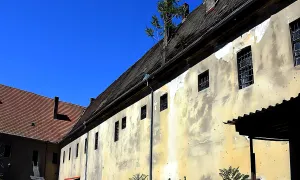
Real photos taken near the monument

Zdroj a licence jsou uvedeny u každého snímku.
Tips from visitors
No tips yet. Be the first!
Log in and add your tip.
Sources and literature
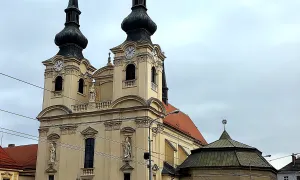
Fotografie: Uri.raventos / CC BY-SA 3.0 — Wikimedia Commons. The author and licence also appear when you hover over the image.
Faktickým podkladem tohoto textu byl článek na Wikipedii, jehož autory jsou přispěvatelé Wikipedie. Článek je dostupný pod licencí CC BY-SA 4.0.
Location on the map

Příběhy a pověsti
Legendy, pověsti a příběhy spjaté s touto památkou
Fotografie návštěvníků
Zatím žádné fotografie. Buďte první, kdo přidá fotografii z návštěvy!
Přihlaste se a přidejte svou fotografii nebo hodnoťte.
Za ověřenou návštěvu v aplikaci získáte víc bodů — poznáme podle GPS, že jste na místě.
Reviews and comments