






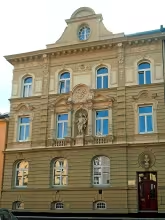
The former L. Grandeho Music School in Opava stands as a testament to cultural heritage and architectural elegance from the late 19th century. Located at Lidická ulice 7 on Předměstí, this Neo-Baroque building was constructed in 1892 for Ludwig Grande's music school. Its significance is underscored by its designation as a cultural monument between May 3, 1958, and December 31, 1987.
The origin of the L. Grandeho Music School traces back to Ludwig Grande, an influential figure who founded and directed Opava’s municipal symphony orchestra. In 1892, he commissioned architect Josef Hruschka to design a dedicated building for his music school in the Neo-Baroque style. This period was marked by cultural flourishing within the Austro-Hungarian Empire, reflecting broader European trends of modernization.
Architecturally, the building is distinguished by its shallow central risalit and three-story structure capped with a mansard roof. The first-floor niche features an allegory of music framed by pilasters adorned with stucco depictions of musical attributes. A notable element above the main entrance is a bust of Ludwig van Beethoven, emphasizing the school's dedication to musical excellence.
Ownership transitioned from Ludwig Grande until 1950, when the building ceased functioning as an art school and was later adapted for residential use by Okresní podnik bytového hospodářství Opava. This adaptation reflects a shift in its role within the community while preserving its historical significance.
Throughout its history, the building has witnessed several key events, including its recognition as a cultural monument from 1958 to 1987. These designations highlight its importance not only as an educational institution but also as a piece of Opava’s architectural heritage.
Today, the former L. Grandeho Music School remains a notable landmark in Opava. While it no longer serves its original purpose, its historical and architectural value continues to attract visitors interested in exploring the cultural legacy of the region. The building's preservation allows for an appreciation of both its past significance and its ongoing contribution to the town’s identity.
Visiting this monument offers a unique glimpse into the rich cultural tapestry of Opava, inviting history enthusiasts and architecture admirers alike to explore its storied walls.
Historical milestones
- 1892
- Construction of the building for Ludwig Grande's music school.
- 1958
- The building was designated as a cultural monument.
Architectural development
The building was constructed in 1892 in the Neo-Baroque style by architect Josef Hruschka. It features a central risalit with a shallow depth and a mansard roof. The first-floor niche contains an allegory of music, framed by pilasters with stucco depictions of musical attributes.
Historical events
In 1892, Ludwig Grande commissioned the construction of a dedicated building for his music school in Opava.
From May 3, 1958, to December 31, 1987, the building was protected as a cultural monument.
Owners
Ludwig Grande (1892-1950), followed by Okresní podnik bytového hospodářství Opava, which adapted the building for residential use.
Points of interest
- The Neo-Baroque building's first-floor niche features an allegory of music framed by pilasters adorned with stucco depictions of musical attributes, showcasing the artistic detail typical of the era.
- A bust of Ludwig van Beethoven is prominently placed above the main entrance, symbolizing the school’s dedication to musical excellence and reflecting Grande's admiration for classical composers.
Guide
Show guide text
Welcome to the former L. Grandeho Music School, a remarkable cultural monument nestled in Opava within the Moravskoslezský region of the Czech Republic. As you stand before this historical edifice, take a moment to absorb its grandeur and imagine the vibrant history it has witnessed.
Constructed in 1892, this building was originally designed for Ludwig Grande's music school by the esteemed architect Josef Hruschka. The Neo-Baroque style is evident as your eyes trace the shallow central risalit that gracefully ascends three floors before culminating in a distinctive mansard roof. This architectural choice reflects not only the era's aesthetic preferences but also the ambition to create an environment conducive to artistic and musical education.
As you walk around, direct your attention to the first-floor niche where an allegory of music is beautifully framed by pilasters. These are adorned with stucco depictions of musical attributes, a testament to the artistic detail characteristic of the period. Such elements invite you to appreciate the craftsmanship that went into making this building not just a structure but a canvas for cultural expression.
The history of this site is intertwined with notable figures such as Ludwig Grande himself and Adolf Zdrazil. These individuals contributed significantly to its legacy, enriching it with their artistic endeavors. The school once housed an art school that continued operations until 1950 before relocating, marking the end of one chapter in its storied existence.
A particularly captivating feature is the bust of Ludwig van Beethoven prominently placed above the main entrance. This symbolizes not only the musical heritage associated with the building but also serves as a tribute to one of history's greatest composers, inviting you to reflect on the timeless influence of music.
As we conclude this brief exploration, I encourage you to continue your journey through Opava and discover more hidden gems that echo the rich cultural tapestry of this region. Thank you for joining me today; may your visit be both enlightening and inspiring.
Tips for visitors
The best time to visit the former L. Grandeho Music School is during late spring or early autumn, when the weather is pleasant for walking around Opava's historical sites. These seasons offer mild temperatures and vibrant natural scenery, enhancing your experience as you explore the cultural monument and its surroundings.
Parking and transport options are convenient in Opava. The area can be accessed by both car and public transportation. If driving, there are parking facilities nearby where you can leave your vehicle. For those preferring public transit, various bus routes serve the city center, making it easy to reach the music school without needing a personal vehicle.
When visiting the former L. Grandeho Music School, consider bringing comfortable walking shoes and weather-appropriate clothing, as you may want to explore the surrounding historical sites on foot. A camera or smartphone is also recommended for capturing the architectural beauty of the building and its surroundings. Additionally, carrying a water bottle can help keep you hydrated during your visit.
For photography enthusiasts, the exterior of the music school offers excellent opportunities for capturing its historic architecture, especially in the soft light of early morning or late afternoon. The nearby historical sites also provide diverse backdrops for photographs, allowing you to capture a range of architectural styles and landscapes within Opava.
Nearby attractions within 30 minutes include other cultural landmarks in Opava, such as the Old Town Hall and the Church of St. James. These sites offer additional insights into the region's rich history and architecture, making them worthwhile stops for visitors interested in exploring more than just the music school.
Businesses nearby
Do you run a restaurant, accommodation, shop, museum, rental, wellness or other visitor service near this monument? Show yourself directly to the people heading to it — this is how they will see you in the app and on the web:
Nearby
Located in Opava, the former L. Grandeho Music School is situated near other historical sites and features of the town.
Accommodation nearby
Themed route
Thematic Walking Tour: Exploring the Historical Heart of Opava
1. L. Grandeho Music School (School Building) *Type:* Educational and Cultural Site This former music school, named after the renowned composer Leoš Janáček's mentor Ludevít Štúr, offers a glimpse into the rich musical heritage of Opava. Visitors can appreciate its architectural beauty and learn about its role in nurturing generations of musicians.
2. Opava Town Hall *Type:* Historical Landmark Located just a short walk from the music school, the Opava Town Hall is an impressive example of Gothic architecture with Renaissance additions. Its ornate facade and historical significance make it a must-see for those interested in the architectural evolution of the town.
3. St. Nicholas Church *Type:* Religious Site A bit further from the town center, this church stands as one of Opava's oldest religious structures. Known for its Gothic style and serene atmosphere, St. Nicholas Church is perfect for visitors seeking a moment of reflection amidst historical beauty.
4. Opava Castle Ruins *Type:* Historical Ruin Concluding your tour near the town center, the ruins of Opava Castle offer panoramic views of the surrounding landscape. Although only remnants remain, they provide insight into the castle's strategic importance and its role in regional history.
This walking tour offers a comprehensive exploration of Opava’s historical and cultural landmarks, all within easy walking distance from each other.
Seasonal recommendations
Spring: Visiting the former L. Grandeho Music School during spring offers a unique experience as nature awakens around the historic building. The blooming flowers and fresh greenery create an enchanting atmosphere, enhancing the architectural beauty of the site. Spring light is particularly soft, casting gentle shadows that highlight the intricate details of the structure. Visitors should be prepared for occasional showers; therefore, packing a lightweight raincoat or umbrella is advisable. This season often sees moderate crowds, making it an ideal time to explore without the hustle and bustle of peak tourist seasons.
Summer: Summer at L. Grandeho's former music school brings vibrant life and energy, with long daylight hours perfect for exploring the grounds thoroughly. The lush gardens are in full bloom, providing a picturesque backdrop that complements the historic architecture. This is the busiest season, so arriving early in the morning can help avoid larger crowds. Light clothing is recommended due to warmer temperatures, along with sunscreen and a hat for sun protection. Summer evenings might be cooler, offering a pleasant time for a visit.
Autumn: Autumn transforms the former music school into a serene haven of warm colors, as the surrounding foliage turns shades of red, orange, and yellow. The crisp air and mellow sunlight create an inviting atmosphere that is perfect for leisurely strolls around the site. This season typically sees fewer visitors than summer, allowing for a more relaxed visit. Layered clothing is advisable to accommodate the cooler temperatures, and carrying a light jacket or sweater can ensure comfort during your exploration.
Winter: Winter at L. Grandeho's former music school offers a magical experience with its snow-covered surroundings that enhance the building’s historic charm. The shorter days mean visiting in daylight hours is crucial, as many sites may have reduced opening times. A winter visit requires warm clothing, including coats, hats, gloves, and boots to stay comfortable. While the site might be quieter due to fewer visitors, it's essential to check for any seasonal closures or changes in operating hours before planning your trip.
Visualizations and artistic views


Vizualizace jsou generovány umělou inteligencí a slouží jako inspirace.


Tips from visitors
No tips yet. Be the first!
Log in and add your tip.



Reviews and comments