






Městský dům kultury Petra Bezruče Cultural centre
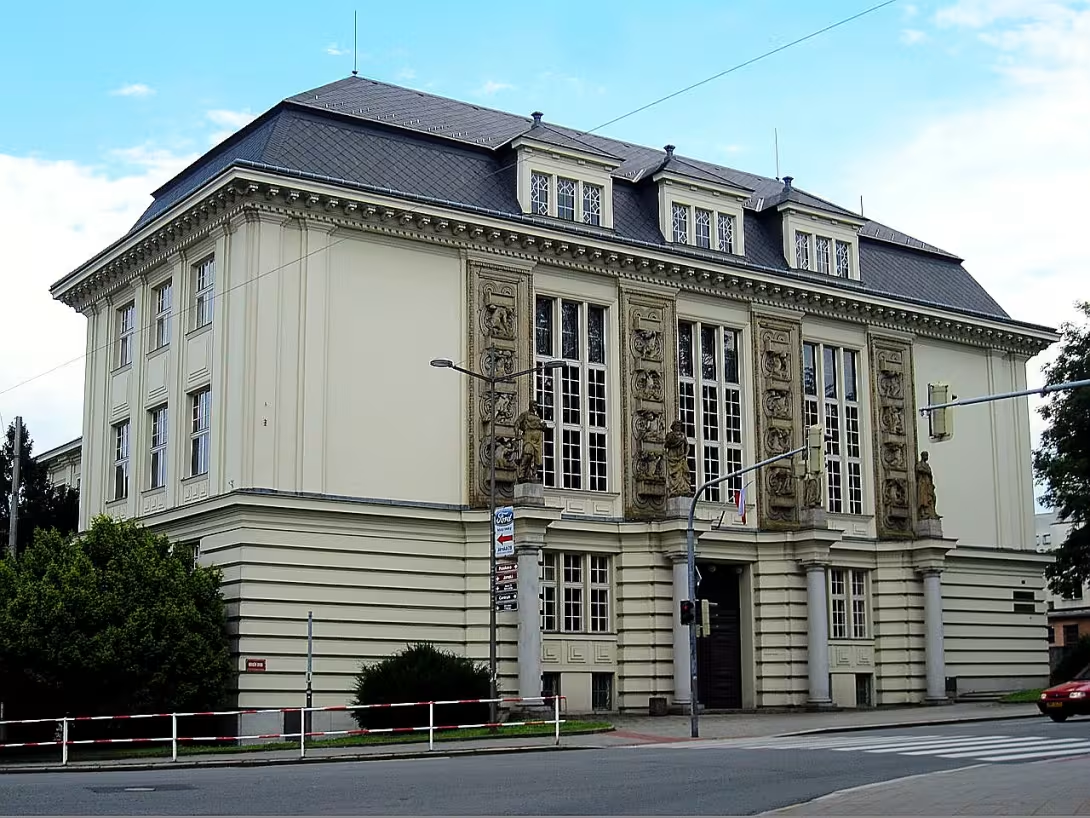
A building standing in the heart Opava has a rich history dating back to the early years of the twentieth century. The project was taken over by the Vienna architect Leopold Bauer, who won the competition announced by the then Opava Chamber of Commerce and Trade. The construction took place between 1908 and 1910, and since its completion the building served its original purpose - the seat of the Chamber of Commerce - until 1949, when it was transformed into Peter Bezruč's House of Intimacy after nationalisation. In the 1980s, the object was given its current name - the House of Culture Petr Bezruč. At the beginning of the twenty-first century, the building underwent a three-phase restoration and was declared a national cultural monument in 2017.
The interior of the building is enchanted by a rich Art Nouveau decoration made by the leading artists at the time. The dominant is a massive marble two-wing staircase leading to the first floor. The main hall is decorated with women's motifs as symbols of Silesian crafts - the work of Silesian artist Adolf Zdrazila. Four sculptures are turned off above the main entrance by sculptor Josef Obeth, who also carved 16 stone reliefs on the facade of the building. The stucco decoration was implemented by Adolf Kohler. The monumental entrance door was designed by Leopold Bauer itself and their figural motif came from Viennese sculptor Gustav Gurschner. Bauer participated in every detail - from lighting lights and fittings to decorative bars to landscaping the park around the building.
The ceremonial hall of the building equips the organ produced in 1978 by Rieger Klos. This is a typical example of the concert tool of this workshop, on which a variety of musical genres can be played. Their mechanics and controls can be found almost identical to the instrument in the nearby Concathedral of the Assumption of the Virgin Mary.
Today, the House of Culture serves the city on several levels: the Library of Petr Bezruč and the District Economic Chamber is located in it, at the same time the venue of ceremonial ceremonies at weddings and vibrations of citizens. The space is also offered for concerts and cultural events, thus continuing the tradition of a media centre of social events in Opava.
Then and now
Drag the slider to compare how the landmark may have looked when it was built with the view today.
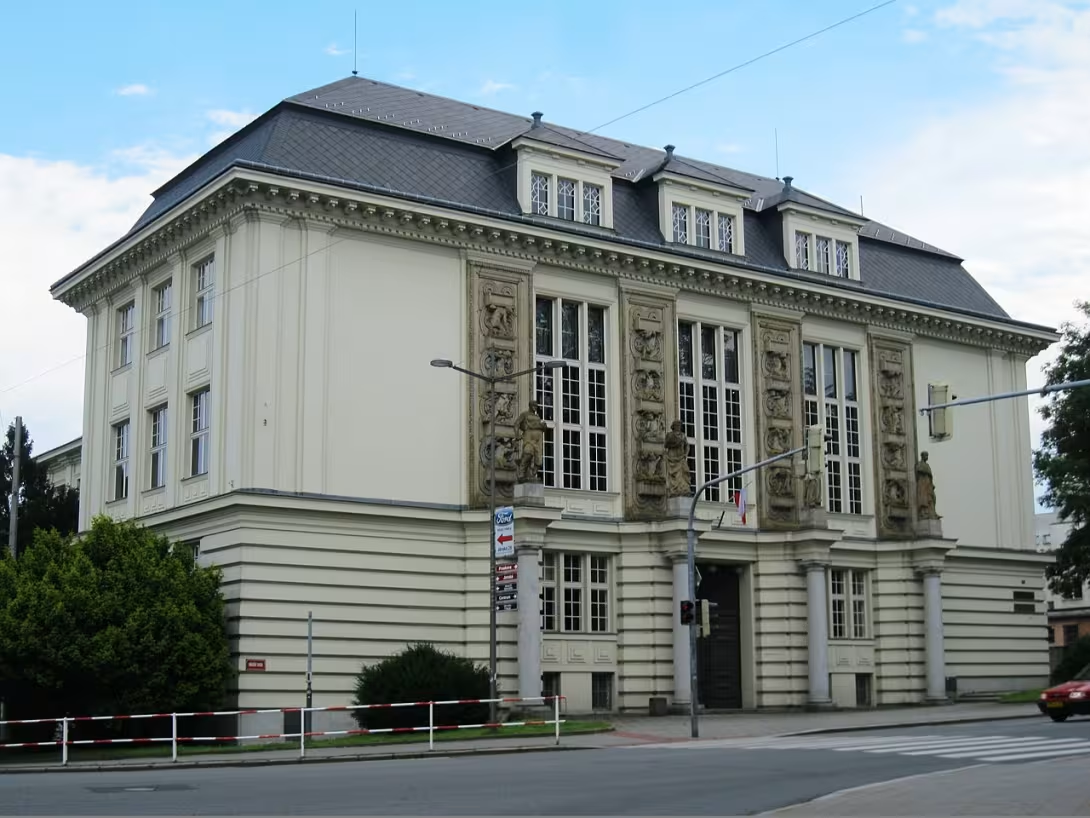
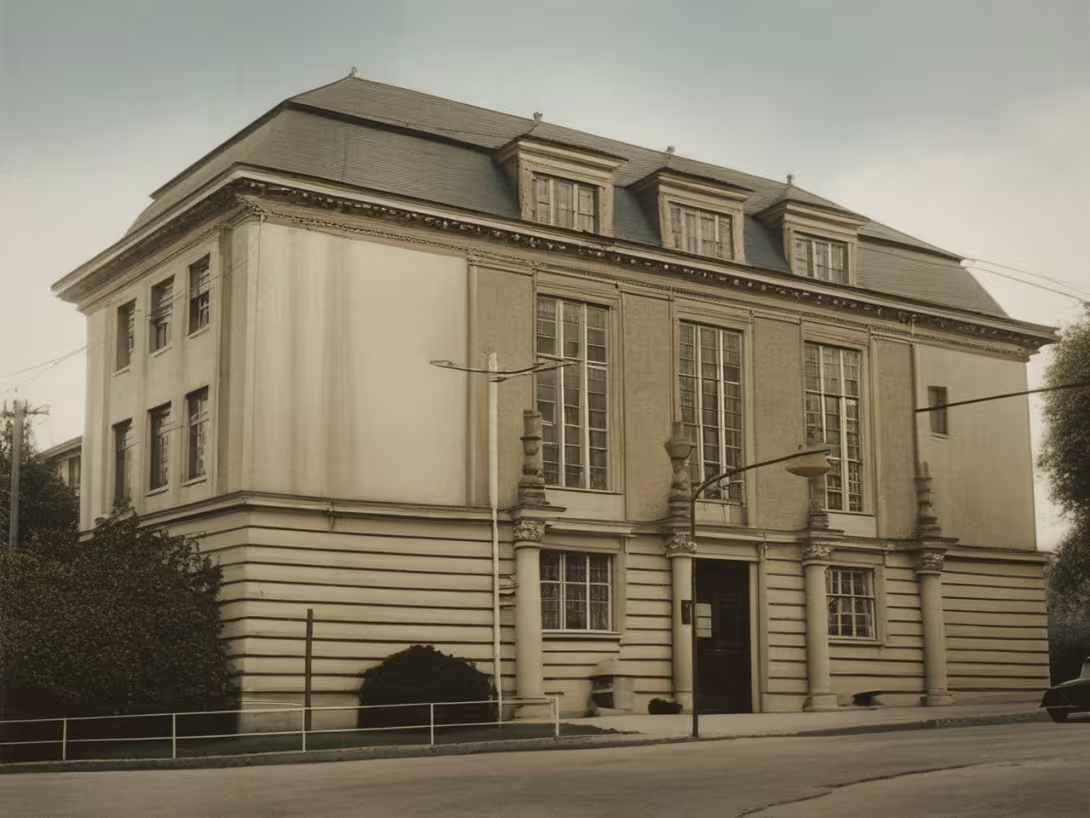
The historical appearance on the left is an AI-generated visualisation and serves as inspiration only.
Historical milestones
- 1908
- The winner of architect Leopold Bauer's competition for a building project for the Chamber of Commerce.
- 1910
- Completion of the construction and commissioning of the Chamber of Commerce.
- 1949
- Nationalisation and conversion into cultural facilities.
- 2017
- Declaration for a national cultural monument.
Architectural development
The building was built in 1908-1910 in Art Nouveau style with neoclassical elements. In the 1980s, it was renamed the House of Culture Peter Bezruč. At the beginning of the 21st century there was a three-stage reconstruction which restored the original appearance and interior decoration. Architect Leopold Bauer designed not only construction, but also most interior details such as lamps, fittings and park modifications.
Historical events
- 1908
- The construction of the building according to the design of architect Leopold Bauer.
- 1910
- Completion of the construction and commissioning of the Chamber of Commerce.
- 1949
- Nationalization and conversion to the House of Intimacy Peter Bezruč.
- 2017
- Declaration of the building as a national cultural monument.
Owners
City of Opava
Points of interest
- The building was built according to the design of Viennese architect Leopold Bauer, who won the Opava Chamber of Commerce and Trade competition.
- The construction took place between 1908 and 1910 and originally served as the seat of the Chamber of Commerce until 1949.
- The interior is decorated with Art Nouveau decoration from leading artists, including stained glass with women's motifs as symbols of Silesian crafts by Adolf Zdrazila.
- Above the main entrance are four sculptures by Josef Obeth, who also created sixteen stone reliefs on the facade.
- The building underwent a three-phase restoration of the 21st century and was declared a national cultural monument in 2017.
Guide
This guide is narrated by a synthetic voice generated by artificial intelligence.
Show guide text
This text was created by artificial intelligence and has not been editorially reviewed. It may contain inaccuracies.
Welcome. You are standing in front of one of the most important and beautiful building units in the entire city of Opava. In front of your eyes is a monumental Art Nouveau Palace that immediately attracts the attention of every passer-by with its elegance and scope. Perhaps at first glance you were intrigued by his impressive facade and the sense of grandeur that radiates from this building. But it's not just an ordinary building. It's a witness to history, a place where a world of great business ambitions collided with the tenderness and wealth of artistic expression. This house, now known as Městský dům kultury Petra Bezruče, is a symbol of the popular prosperity and cultural boom of the turn of the century.
To understand why this building looks so special, we need to go back to when Opava was profiled as a major economic center. More than a hundred years ago, there was no need for a house of culture, but a place that represented the strength of the local economy. This building was originally designed and built as the headquarters of the Opava Chamber of Commerce and Trade. Imagine that era, full of optimism, expansion and effort for modern looks. In 1908, there was a competition aimed at finding an architect who could create a building corresponding to the prestige of this institution. The winner was the Vienna architect Leopold Bauer. His project was so convincing that he became a cornerstone for the future form of the entire palace. The construction work began in 1908 and lasted two years before the entire building was successfully put into operation in 1910. Since then, the building has been alternating with various functions, but its central role for the city has remained unwavering.
Now, when you look at a building from the outside, try to imagine in your mind its inner life. The architecture you see is the peak of Art Nouveau style. This direction at that time tried to get rid of the grate and sought inspiration in natural curves, organic shapes and rich ornamental decoration. Leopold Bauer brought the specific Viennese elegance that gives the whole its unmistakable character. If you go in later, prepare to be completely absorbed by the interior. Feel the harmony between space and decoration. One of the greatest treasures you'll find inside is a monumental marble staircase. Its cold smoothness and nobility immediately signal that you are entering a space intended for the most important events and personalities.
Now pay attention to the artistic details that form the very soul of this palace. Secese wasn't just about shapes, it was about integration of architecture and free art. In the interior, the work of several great masters of their time is connected. If you move through the inner spaces, your eyes will come across the breathtaking stained windows created by Adolf Zdrazila. Imagine how light penetrates through them and how the colors change the atmosphere of each room depending on the time of day. That's just the magic that the Art Nouveau was trying to establish. In addition to this is added sculpture decoration created by Josef Obeth. His work gives the building depth and dramatic dimension, completing the visual story that architect Bauer started drawing on his paper. Other important creators, such as Adolf Kohler or Gustav Gurschner, also moved in this space, and their presence in every detail is felt until today.
But the history of this place wasn't just about beauty and business. The building has undergone a fundamental transformation that has changed its fate and its influence on society. In 1949, there was a major reversal when the building was nationalized and its original function as the Chamber of Commerce was terminated. The place that once served to resolve trade disputes and economic affairs began to become a cultural centre. This transformation was crucial for the city of Opava. The palace has become a home for artists, musicians and literature lovers. Today you will find a concert hall that hosts the best musical performances, a wedding ceremonial hall where the most beautiful moments of life take place, as well as the seat of the city library, where people can find knowledge in peace.
There's one interesting thing you might find interesting. Although this building has been alternating for decades with various functions and has undergone many political and social periods, its value has been so high that it cannot be overlooked even in modern times. In 2017, this building was officially declared a national cultural monument. This is the highest recognition that such an object can receive in the Czech Republic. It means that its beauty and historical importance are now protected as an untouchable legacy for future generations. It is proof that the work of Leopold Bauer and artists such as Zdrazila or Obeth survived time and remains the living heart of the city.
Now that you know the story of this palace, take a closer look. Feel every line of facade, every ornament, and that strange atmosphere floating around this place. I suggest you come in and get carried away by the marble staircase and the play of lights in the windows. Let yourself be surprised at how history connects with the present in every step you take in these spaces. Thank you for joining us on this short walk around this important place. We wish you a pleasant further discovery of the beauty of Opava.
Tips for visitors
The best time to visit the City House of Culture of Peter Bezruč is during the morning hours when the building is usually less visited. It is convenient to visit it at a time when the weather is pleasant outside, for example in spring or autumn, when nature is beautifully blooming or coloured around the park. The interiors of the palace are then in a quiet environment ideal for a tour without disturbing crowds.
Parking near the monument is possible in nearby car parks. It is recommended to use public transport as the Opava centre is well accessible by buses and trolleybuses. The current connection and parking options can be found in the transport information system or on the official city website. It is also advisable for visitors from the surroundings to use bike transport as the city offers plenty of cycling trails.
When visiting, take comfortable shoes, as the building has richly decorated interiors with marble staircases that require attention and peaceful movement. It is also recommended to take a map or navigation so that you can easily find near the Park of Peter Bezruč and the Cathedral of the Assumption of the Virgin Mary. Don't forget to pack enough water and possibly sunglasses if it's sunny outside.
Photography is allowed in the interior of the monument, but care must be taken to respect other visitors and not violate the rules laid down for the protection of the monument. The best places for photography are the entrance hall with richly decorated ceiling and marble staircase. For quality images it is advisable to use natural light from windows, especially in the morning or in the afternoon sun.
In the vicinity of the monument is worth visiting especially the Petr Bezruče Park, which is located just a few hundred metres from the palace. This park offers a quiet environment with historical trees and beautiful modifications from architect Leopold Bauer. Another interesting thing is the Cathedral of the Assumption of the Virgin Mary, a Gothic temple from the 13th century, which is approximately five minutes' walk from the palace. It is advisable for families with children to visit the nearby playground or children's playground in the park.
For families with children, a visit to the City House of Culture of Peter Bezruč is interesting thanks to rich interiors and the historical importance of the building. Children can see marble staircases and decorated halls that are of interest in history. In the park children can then run, play and observe nature. It is also recommended to use the tour with a guide, which will explain the attractions of the monument in accessible form.
Frequently asked questions
Is Městský dům kultury Petra Bezruče open to the public?
Yes, Městský dům kultury Petra Bezruče is open to the public. The opening hours are 9:00 to 5:00.
How do I get to the place by car / public transport?
Městský dům kultury Petra Bezruče is located in the center of Opava, so it is available by bus or walk. Parking is possible on the surrounding parking areas.
How much is the entrance fee and is it paid on the spot?
Payment is made directly at the cash register.
Is the tour suitable for children and seniors?
Yes, a tour of the City House of Culture of Peter Bezruč is suitable for all age groups. There are several exhibitions that are interesting even for children, and seniors can enjoy a relaxing environment.
How long does the tour take?
The tour of the City House of Culture of Peter Bezruč takes about 1 hour. If you want to see all exhibitions, we recommend spending more time.
What are the opening times and booking is required?
The opening hours of the Petr Bezruč City House of Culture are from 9:00 to 5:00. Reservation is not necessary, but we recommend making it for group visits.
What's interesting in the immediate vicinity?
In the immediate vicinity of the City House of Culture Petr Bezruče is located the historical center of Opava with a number of cultural monuments such as churches and town halls. It is also close to the river Ostravice, which offers nice walks.
For kids
Imagine going back to the past, until Opava was a small town. The city was full of life, shops and art. And it was in this very city that stood a beautiful house, which is now known as Městský dům kultury Petra Bezruče.
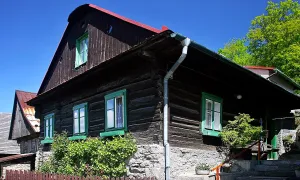
How did it look here? Who lived here? What happened here? The townspeople lived in homes with wooden roofs and half-circle windows. The city was full of craftsmen, merchants and artists. There were also royal officials and nobles. The city was the centre of the region where the markets and targs took place.
Businesses nearby
Do you run a restaurant, accommodation, shop, museum, rental, wellness or other visitor service near this monument? Show yourself directly to the people heading to it — this is how they will see you in the app and on the web:
Events nearby
Zdroj akcí: otevřená data měst a obcí ČR (Národní katalog otevřených dat) a kalendář akcí Národního památkového ústavu.
Nearby
- Park with historical trees and modifications designed by architect Leopold Bauer.
- A Gothic temple from the 13th century, an important monument to Opava.
- A ruin of the castle from the 13th century overlooking the city.
Accommodation nearby
Themed route
Thematic cruise route: Cultural and Historical Heart Předměstí
1. Městský dům kultury Petra Bezruče (Palace) * Main objective * - Modernist building from the beginning of the 20th century, which serves as a cultural centre. There is a possibility to visit exhibitions, theatre performances or see architecture with Art Nouveau style elements. An important place for a local cultural life.
2. Petr Bezruče Park * Approximately 200 metres from the palace * - Quiet green relief with historical trees and artistic modifications from architect Leopold Bauer. Suitable for a short walk, relaxing or observing nature in the urban environment.
3. Cathedral of the Assumption of the Virgin Mary * Approximately 500 metres from the park * - Gothic temple from the 13th century, a symbol of a city with a rich history. Visitors will appreciate its architecture, stained glass and the opportunity to become familiar with the history of Christian culture in the region.
4. Opava Castle * Approximately 1.5 km from the cathedral * - The ruins of the castle overlooking the city and surrounding landscape. It represents the remnant of the medieval fortress and offers the possibility of walking through historical places with supervision of the Municipal House of Culture and the Park of Petr Bezruče.
Seasonal recommendations
Spring The Spring at Petr Bezruče City House offers a unique atmosphere where the historic palace is transformed into an oasis of green and light. The sunny days brighten the stone facades and the gardens awaken to life - the flowers of apple trees and the first tulips create contrast with classical architecture. The air is clear, but sometimes it gets cold at night, so evening visits require a lighter jacket. The best time to walk is in the morning, when the interior is pleasant lighting and the crowds are minimally. For families with children is an ideal visit on Monday when there are fewer tourists. It is convenient to wear comfortable shoes - roads around the garden are often covered with fine dust from blooming plants.
Summer Summer brings hot, sunny days to the palace of Peter Bezruče, when its stone walls become pleasantly warm to touch. The atmosphere is lively, but also tense - visitors from all over the region come here in the main summer season to see the exhibitions and outdoor terraces overlooking the city. The shadow under the trees in the garden is a welcome relief, but it is often stuffy in the interior at noon. It is recommended to arrive at eight in the morning when the gates are still open and the crowds have not yet grown. For cooling, bring a bottle of water and light clothes, but don't forget the hat - the sun reflects strongly from the white plaster facades. The evenings are pleasant, but in July they are often visited by groups of young people, so evening tours can be more busy.
Autumn Autumn visit to the palace of Peter Bezruče is magical - the sun shines low, its rays reflect from the yellow leaves in the garden and create a golden reflection on the stones. The atmosphere is calm, but also a little melancholic, as advent time approaches. The interior is pleasantly warm while it is already cooling outside, so it is advisable to wear warm jackets and wool scarves. The best time to visit is in the afternoon when there is a mild light outside and the crowds are less than in the summer months. The ideal moment for photo lovers is when the sun hides behind the building and the garden turns into a sea of orange and red shades. In November there are sometimes short-term exhibitions with autumn theme worth visiting.
Winter The winter visit to Petr Bezruče's City House of Culture offers peace and quiet, which will not be reached during other periods. Snowflakes fall on stone facades and gardens that turn into a white oasis, while a stove burns in the interior and creates pleasant warmth. The atmosphere is intense, but also a little mysterious - in advent time, the palace becomes a meeting place and Christmas traditions. The opening time is shorter, so it is advisable to come already at 10 o'clock when the gates are still open. For protection from frost, wear warm jackets, gloves and hats - outdoor terraces are often frozen. In December there are sometimes short-term exhibitions with a Christmas theme worth visiting. Winter light is soft and it is getting dark early, so it is advisable to bring your batteries for the way out.
Visualizations and artistic views


The visualisations are generated by artificial intelligence and serve as inspiration.
Photos from the area
Real photos taken near the monument


Zdroj a licence jsou uvedeny u každého snímku.
Tips from visitors
No tips yet. Be the first!
Log in and add your tip.
Sources and literature
Photos: Lehotsky / CC BY-SA 3.0 — Wikimedia Commons. The author and licence also appear when you hover over the image.
Faktickým podkladem tohoto textu byl článek na Wikipedii, jehož autory jsou přispěvatelé Wikipedie. Článek je dostupný pod licencí CC BY-SA 4.0.
Location on the map

Příběhy a pověsti
Legendy, pověsti a příběhy spjaté s touto památkou
Fotografie návštěvníků
Zatím žádné fotografie. Buďte první, kdo přidá fotografii z návštěvy!
Log in a přidejte svou fotografii nebo hodnoťte.
Za ověřenou návštěvu v aplikaci získáte víc bodů — poznáme podle GPS, že jste na místě.
Reviews and comments