






Bývalý Okresní sociální a zdravotní ústav Administrative building
Bývalý Okresní sociální a zdravotní ústav, located in Moravian Ostrava, district Ostrava-město, is a modernist administrative building built in 1932- 1933. Architects Karel Roštík and Jaroslav Stockar-Bernkopf designed this object, which is protected as a cultural monument of the Czech Republic, which underlines its historical and architectural value.
The creation of this building was linked to the need to provide adequate facilities for social and health services in the area. The project, implemented according to the designs of Roštík and Stockar-Bernkopfa, focused on modernist design, which was innovative for its time. This style is characterized by the simplicity of the line, functionality and new building materials.
Architecture reflects the popularity of the modernist principles of the time. Although specific details are not specified, typical features of modernism such as clean lines and functional design can be assumed. This object is important for its architectural style and historical context.
The building was built to serve as a centre for social and health services, which reflected the needs of the time. In 2015, a major reconstruction was completed, ensuring that its historical integrity and adaptation to modern requirements were maintained.
Today, the former District Social and Health Institute is protected as a cultural monument, stressing its importance for the region. Its historical value lies not only in architectural design, but also in the role it played in the social and health life of the area.
Visiting this building offers an opportunity to explore the modernist architectural style and understand the history of social services in the region. It is important to remember how such buildings shaped the local community and contributed to its development.
This monument is not only a witness to the past, but also an inspiration for current generations. Its preservation allows the following generations to appreciate the historical heritage and architectural creativity of their predecessors. By exploring this place, everyone can gain a deeper understanding of the importance of cultural and historical heritage.
Historical milestones
- 1932
- Building according to the Karl Roštík and Jaroslav Stockar-Bernkopf project.
- 2015
- Ending the extensive reconstruction of the building.
Points of interest
- During the 2015 reconstruction, old documents and photographs were discovered which revealed that the building served as a temporary refuge for refugees from occupied areas during World War II.
According to local legends, unexplained sounds and shadows appeared in one of the underground corridors, which led to the assumption that the building was once used as a place for secret meetings during the war years.
- Architect Karel Roštík had a special interest in astrology, and some claim that the orientation of the building is designed to accurately illuminate its facade at certain times of the sun.
- During the 1950s, the building was briefly used as a venue for secret meetings of an unofficial music club that focused on jazz and blues, which was considered subversive at the time.
In 1970, there was an unexplained reconstruction of one of the rooms that was subsequently used. It is believed to have been designed as a hidden hideout for important historical documents or artifacts.
Guide
This guide is narrated by a synthetic voice generated by artificial intelligence.
Show guide text
This text was created by artificial intelligence and has not been editorially reviewed. It may contain inaccuracies.
Welcome to a place full of history and architectural charm - you are standing before the former District Social and Health Institute in Moravian Ostrava. We will look at this modernist three-floor theatre, which proudly stands in the area of the Ostrava-město district and tells the story of the history of Moravian-Silesia.
This building was built in 1932 according to the design of architects Karel Roštík and Jaroslav Stockar-Bernkopf. It was created at a time when modernism was promoted as a dominant style in construction, which is also evident here. It was a time when emphasis was placed on functionality and new technological solutions in architecture. This building was designed for the administrative needs of the District Institute, which reflects the growing importance of health and social services at the time.
Look up at the facade. Note the simple but elegant line that characterizes the modernist style. Although specific details are not specified, you can feel the mood of the time when the building was built - a time when architects sought harmony between functionalism and aesthetics. The building stands as an important example of how modernist principles could also be applied to administrative buildings.
Key personalities associated with this monument are its architects - Karel Roštík and Jaroslav Stockar-Bernkopf. Although specific stories about them are not known, their work here is proof of their ability to integrate modernist principles into everyday life. Their project was completed in 1932 and survived for several decades, suggesting its quality and durability.
The interesting thing is that even after many years it still stands as a protected cultural monument of the Czech Republic. In 2015, the building was subject to extensive reconstruction, indicating its lasting value and the need to preserve it for future generations.
Let's move closer and pay attention to this peace of history. This building is not only an architectural work but also witnessed many changes in society. It's a place where the past meets the present and openness.
Allow me to invite you to further explore Moravian Ostrava. Every corner of this area has its own unique story waiting to be discovered. Whether you look at other sights or explore local culture and traditions, you will find a lot of things here that will appeal to you.
Thank you for your attention. I hope this guide helped you better understand the history and importance of this place. Whether you return or continue your journey, I wish you a nice explore!
Tips for visitors
The best time to visit is in the spring or autumn season when the weather is pleasant and the light is suitable for photography. This time of year offers ideal conditions for exploring historical architecture without extreme sunlight or cold.
Parking is possible near the monument, but due to limited capacity we recommend public transport. Local bus and tram connections can be a comfortable way to get to Moravian Ostrava. The current information about routes and times of transport can be found in the online search engine.
When visiting, bring protective shoes because the terrain around the monument can be unbalanced. Additional recommendations include clothes suitable for current weather and water, if you are planning a long walk.
For photo is the best place on the north side of the building where you can enjoy the pleasant lighting conditions of the afternoon. Photographing from the view of the surrounding landscape offers interesting prospects of modernist architecture.
It is possible to visit a local museum or park nearby, which is within walking distance. These places offer other entertainment and educational opportunities, especially for families with children, where children can enjoy leisure time on the outside.
Businesses nearby
Do you run a restaurant, accommodation, shop, museum, rental, wellness or other visitor service near this monument? Show yourself directly to the people heading to it — this is how they will see you in the app and on the web:
Events nearby
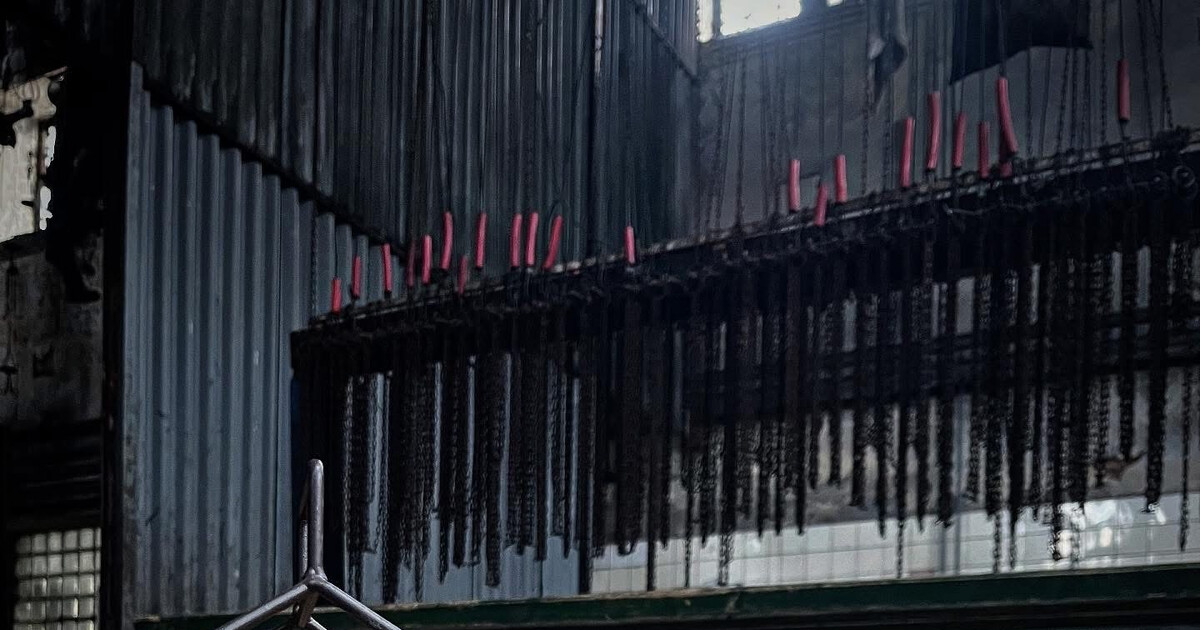
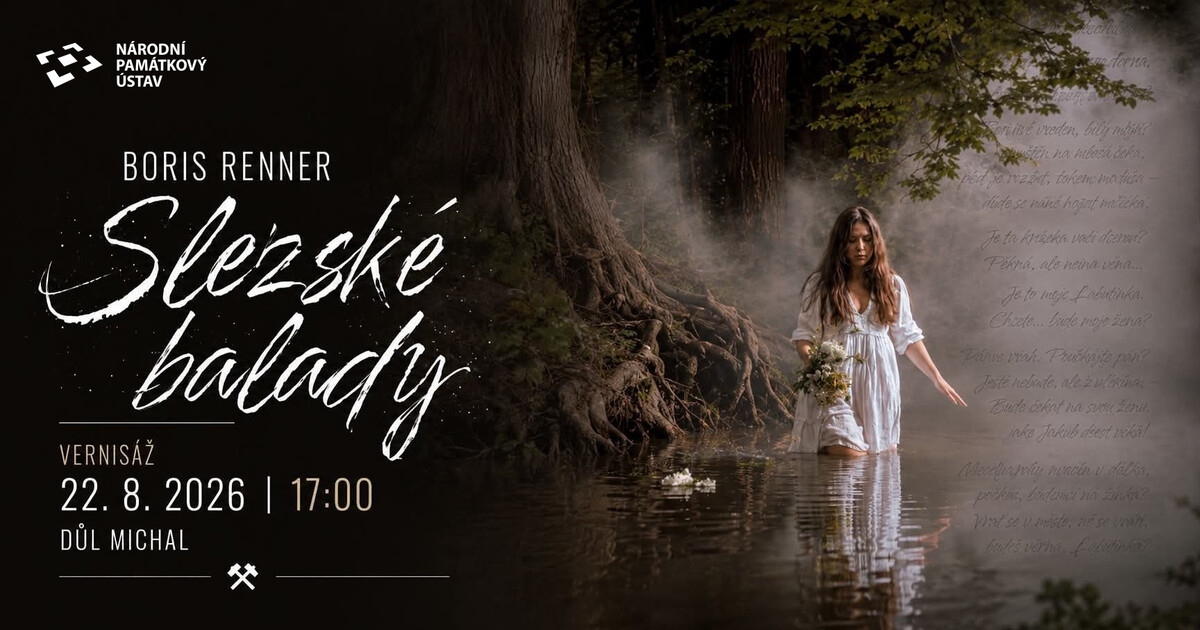
Zdroj akcí: otevřená data měst a obcí ČR (Národní katalog otevřených dat) a kalendář akcí Národního památkového ústavu.
Nearby
ITEX Show interactive overview of the surroundings - restaurants, accommodation, rentals and other places within a 15 km radius.
Data: OpenStreetMap contributors, 15 km radius.
‡ Historical monuments
- Schloss Witkowitz (1.7 km)
- Museum Vítkovic (1.7 km)
- bridge Milos Sýkora (1.7 km)
- Mining Museum (4.1 km)
- Mine Michal (5.0 km)
- Memorial Overcoming Odra by Czechoslovak Tankers when liberating Ostravy (6.0 km)
- Castle Rychvald (6.5 km)
- Memorial to victims of World War II (6.7 km)
Restaurant and catering
- Castle Zábřih (3.8 km)
- Krčma u Zvolu (6.2 km)
- McDonald's (6.5 km)
- Boombay (6.6 km)
- Restaurant Saigon (6.7 km)
- Racek (6.9 km)
- Rusty Bell Pub (6.9 km)
- El Amigo Muerto (6.9 km)
Accommodation
- Quality Hotel Ostrava City (1.2 km)
- Hotel Best (2.2 km - Keltickova 1297 / 60)
- Hostel Nerudova 23 (2.5 km - Nerudova 499 / 23)
- Jan Maria (3.4 km)
- Hotel Taurus (4.2 km - Teschen 1382 / 260)
- Best Western Hotel Vista (5.0 km)
- House of young smelters (6.1 km)
- Hotel Sareza (7.2 km - Čkalova 18)
› Rental and sports
- Alpsport (0.9 km)
- TJ Sokol Hostikovice (5.0 km)
- MAX CURSOR (5.3 km - Čujkovova 52)
- Dingo Bike Sport Servis (5.6 km)
- Mike Bike (5.7 km - Cholevova 1530 / 1)
- Bike Kram (6.7 km)
- Heliasport (7.4 km)
- Bike Sport Vratimov (7.5 km)
© Tourism and nature
- halda Ema (2.9 km)
- Majerovec (fork) (7.8 km)
- Stará Belá (bath.) (8.2 km)
- Lower Pole (public transport) (8.9 km)
- Proskovice (at school, public transport) (10.1 km)
- Proskovice (u sokolovna) (10.6 km)
- Klimkovice (park) (11.6 km)
- Hhej (bus) (12.8 km)
Accommodation nearby
Themed route
Thematic cruise route: Bývalý Okresní sociální a zdravotní ústav
1. Bývalý Okresní sociální a zdravotní ústav (Administrative Building) _ Type: _ Historical administrative construction site _ Why is it worth visiting: _ This building is an important monument to architecture, which shows the history of social and health services in the places of Moravian Ostrava. It is an ideal place to know the past and develop infrastructure in the area.
2. Park at the former District Social and Health Institute _ Type: _ City park _ Why is it worth a visit: _ Park offers a quiet space for relaxation and a view of the historic building. It is an ideal place for short walks that complement the visit to the sights.
3. Local Museum in Moravian Ostrava _ Type: _ Museum _ Why is it worth visiting: _ This museum provides a deeper insight into the history and culture of the village. The exhibits here reflect the local traditions and important events that shaped today's Moravian Ostrava.
4. St. John Nepomuk Church _ Type: _ Church _ Why is it worth visiting: _ This church is an architectural and spiritual centre of the village, which offers a view of the rich history and spiritual life of the local community. Its interior attracts visitors with its beauty and historical elements.
5. Square in the centre of Moravian Ostrava _ Type: _ City Square _ Why is it worth visiting: _ The square is the heart of a city where history and the present meet. It is a place for walks, business activities and cultural events that reflect life in Moravian Ostrava.
This route offers visitors a clear view of the history and culture of the village Moravská Ostrava, with emphasis on its architectural and cultural monuments.
Seasonal recommendations
Spring: In the spring season Bývalý Okresní sociální a zdravotní ústav in Moravian Ostrava is transformed into a place full of life, when flowering shrubs and trees decorate the surroundings with their beautiful colors. A sunny day can be an ideal time to walk around a historic building, while mild temperatures allow a comfortable visit without overfeeling of heat. Visitors can expect smaller crowds compared to the summer period, which ensures a quieter environment for exploring architectural details of the monument. It is recommended to wear mild clothing and bring a protective cover head if you plan to spend more time outside.
Summer: Summer brings long sunny days that are ideal for visiting the former District Social and Health Institute. A larger number of visitors may appear in the main summer season, which could lead to longer waiting times for entry or within the building itself. It is therefore advisable to come earlier in the afternoon to avoid peak hours. Hot clothing with long sleeves and sun hat protection are recommended for comfort during the trip, while sufficient hydration is crucial when visiting in warm weather.
Autumn: In the autumn period, Bývalý Okresní sociální a zdravotní ústav offers a unique atmosphere when tree leaves turn into living golden and red shades. It creates a beautiful background for photographs or a peaceful walk around the historic building. The temperatures are usually mild, allowing a comfortable visit without excessive feeling of shame or heat. Visitors can expect smaller crowds compared to the summer period, which ensures a quieter environment for exploring the sights. It is recommended to wear laminated clothing and bring a protective cover head for any cold or wet weather.
Winter: Winter visit to the former District Social and Health Institute can be a unique experience when the historical building is illuminated by special light, which adds magic to cold night trips. Winter temperatures are usually cold, so it is important to dress warm and have protective shoes for comfort while walking on a freezing surface. The opening times of the monument may be shorter, so it is advisable to check the current opening times and plan a visit earlier in the afternoon. Despite the cold, visitors can enjoy a quieter environment without large crowds, allowing a more intimate experience of the historic building in the quiet winter day.
Visualizations and artistic views


The visualisations are generated by artificial intelligence and serve as inspiration.
Photos from the area
Real photos taken near the monument


Zdroj a licence jsou uvedeny u každého snímku.
Tips from visitors
No tips yet. Be the first!
Log in and add your tip.
Location on the map
More monuments – Moravská Ostrava
Show all in the municipality


Příběhy a pověsti
Legendy, pověsti a příběhy spjaté s touto památkou
Fotografie návštěvníků
Zatím žádné fotografie. Buďte první, kdo přidá fotografii z návštěvy!
Log in a přidejte svou fotografii nebo hodnoťte.
Za ověřenou návštěvu v aplikaci získáte víc bodů — poznáme podle GPS, že jste na místě.
Reviews and comments