






Důl Hlubina (Ostrava) Water structure
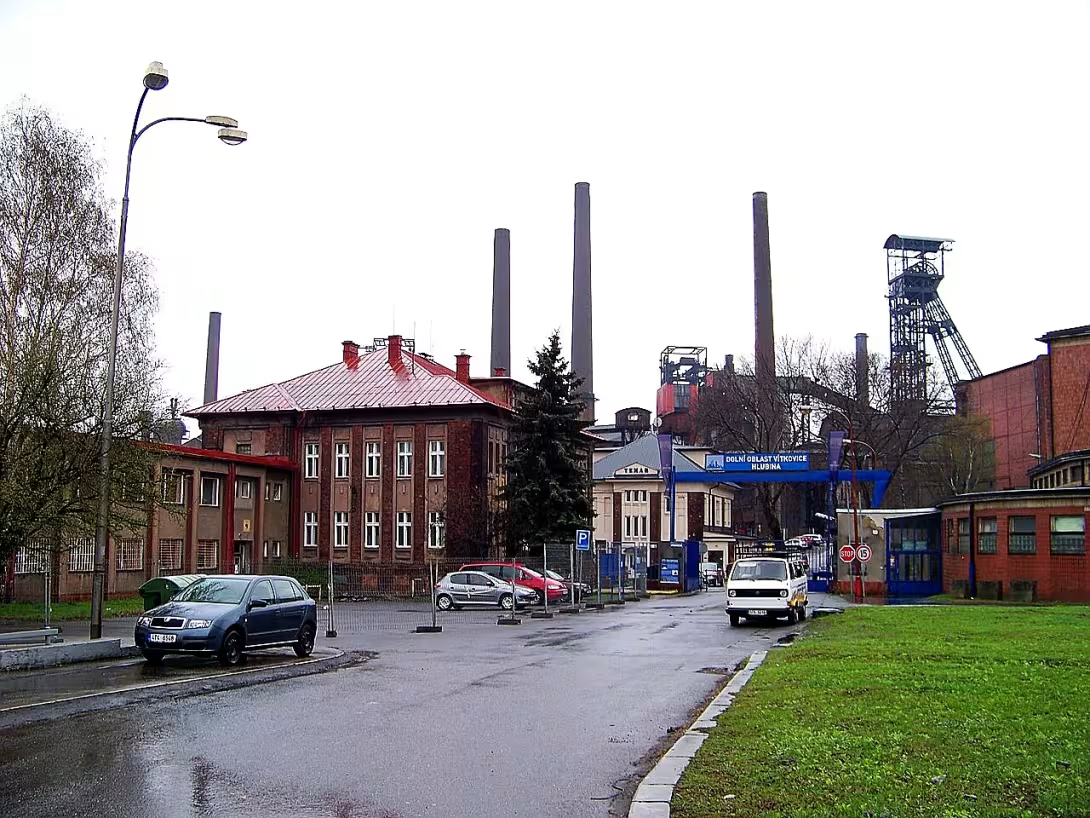
The Důl Hlubina, a significant industrial monument in Ostrava, dates back to 1852 when it was founded by Salomon Mayer Rothschild. This unique site showcases technical equipment and historical remnants evoking rapid economic growth during the mid-19th century. As part of the city's panoramic landscape, the Důl Hlubina is connected to the industrial process from coal mining to high furnaces.
The origin of the Důl Hlubina can be traced back to 1852 when Rothschild founded it for uninterrupted steel production. Initially rented to Vítkovické kamenouhelné doly (VKD) for 25 years, it was later integrated into Vítkovického horního a hutního těžířstva (VHHT) in 1895.
The Důl Hlubina's architecture and artistic form are characterized by its unique electric mining machine from Škoda (1940), still preserved today. The mine's building style, materials, and elements reflect its industrial purpose and historical context.
Throughout its history, the Důl Hlubina has undergone significant changes in ownership and administration. It was integrated into VHHT in 1895 and later became part of Ostravsko-karvinské doly in 1946. The mine's fortunes fluctuated over the years, with production eventually ending in 1992.
The Důl Hlubina is notable for several key events and curiosities. One such event was the construction of a new shaft, Hlubina 2, which began in 1921. The site also features remnants of old buildings, including the electric mining machine from Škoda (1940) and Gabre's boilers in the kotelna (1914-1917).
Today, the Důl Hlubina is a preserved industrial monument open to the public since its closure in 1992. Visitors can explore unique technical equipment and historical remnants, gaining insight into rapid economic growth during the mid-19th century. The Důl Hlubina is an essential part of Ostrava's industrial heritage and a testament to the city's rich history.
Then and now
Drag the slider to compare how the landmark may have looked when it was built with the view today.
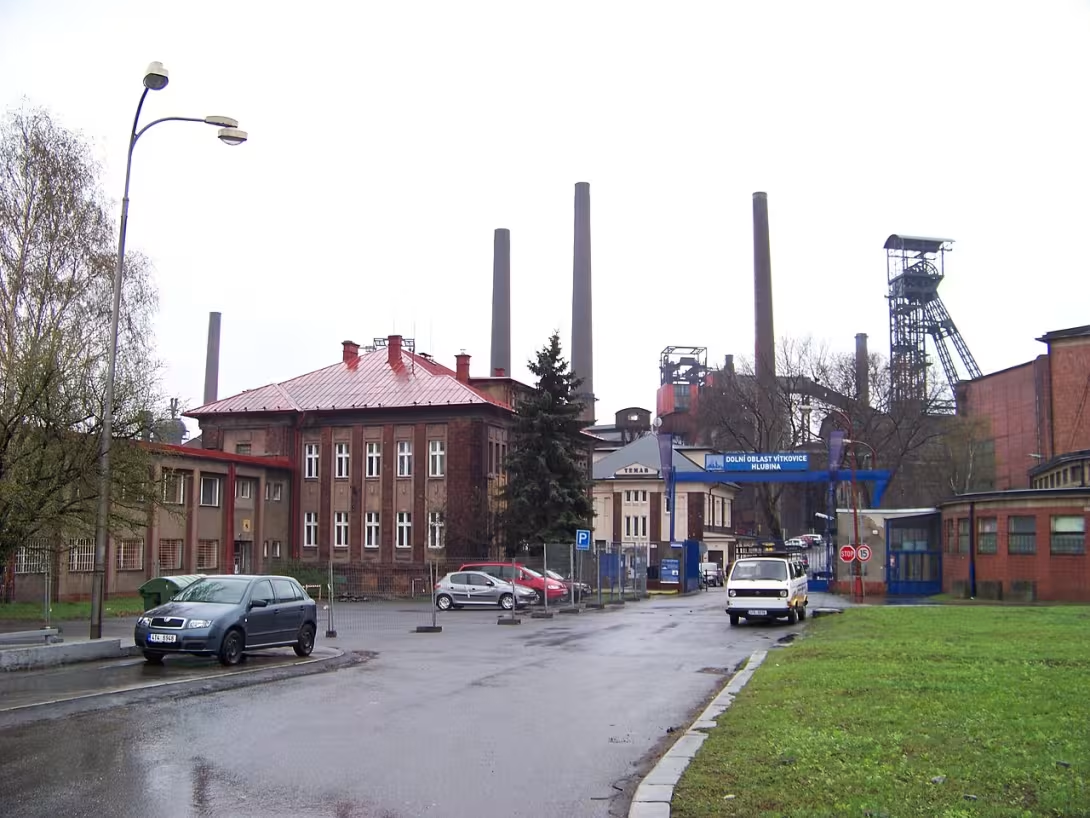
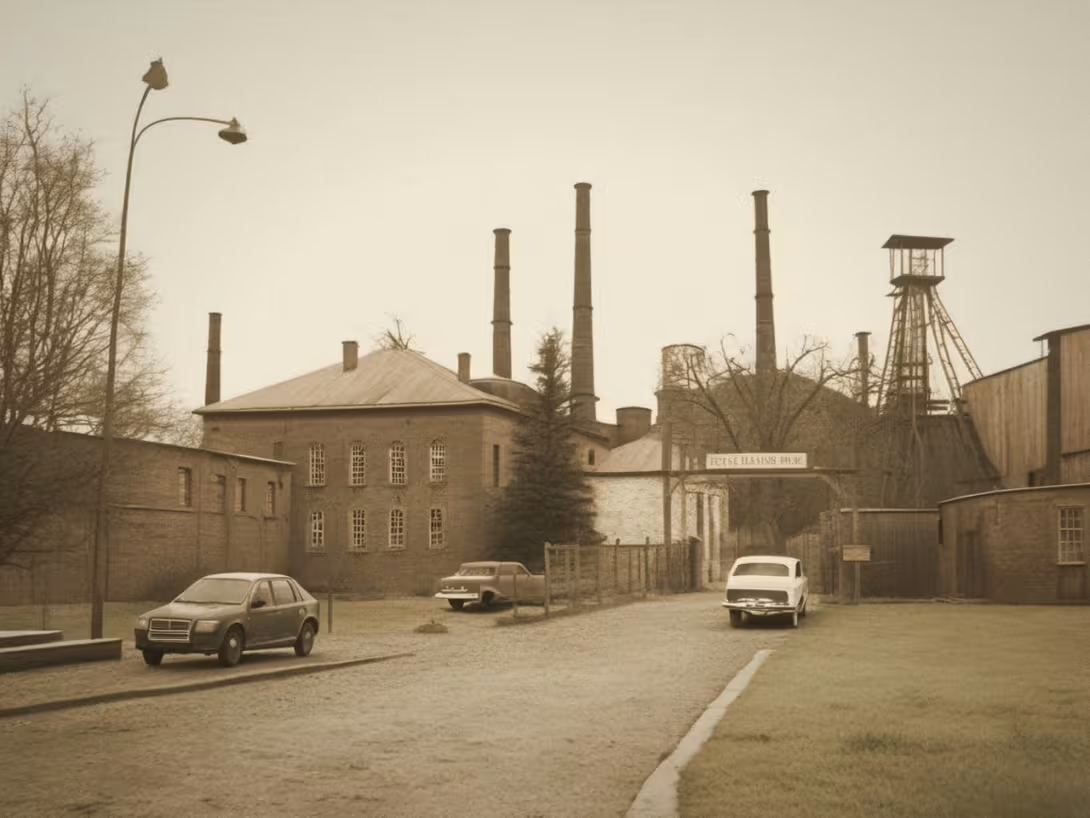
The historical appearance on the left is an AI-generated visualisation and serves as inspiration only.
Historical milestones
- 1852
- The first shaft was sunk to a depth of 244 meters
- 1892
- The shaft was reconstructed
- 1924
- The mine was converted into an output shaft
Historical events
- 1852
- Founded by Salomon Mayer Rothschild
- 1871
- Rented for 25 years to Vítkovické kamenouhelné doly (VKD)
- 1895
- Integrated into Vítkovického horního a hutního těžířstva (VHHT)
Points of interest
Here are 3-5 lesser-known or surprising facts, legends, or curiosities about the Důl Hlubina:
– The Důl Hlubina was initially rented to Vítkovické kamenouhelné doly (VKD) for 25 years, and it wasn't until 1895 that it became part of Vítkovického horního a hutního těžířstva (VHHT).
– The unique electric mining machine from Škoda (1940) is still preserved today, giving visitors a glimpse into the mine's industrial past.
– The Důl Hlubina's architecture and artistic form are characterized by its use of materials and elements that reflect its industrial purpose and historical context.
Guide
This guide is narrated by a synthetic voice generated by artificial intelligence.
Show guide text
This text was created by artificial intelligence and has not been editorially reviewed. It may contain inaccuracies.
Welcome to the Důl Hlubina, a historic monument in Ostrava that's steeped in industrial heritage. As you stand before this impressive structure, take a moment to appreciate its sheer scale and imposing presence.
The Důl Hlubina has a rich history that dates back to 1852, when the first shaft was sunk to a depth of 244 meters. Over the years, it underwent several transformations, including a major reconstruction in 1892. By the time the mine was converted into an output shaft in 1924, it had become an integral part of Ostrava's industrial landscape.
As you gaze upon this remarkable monument, notice the unique technical equipment and historical remnants that evoke the era of rapid economic growth. The Důl Hlubina is a testament to the city's connection to the industrial process, from coal mining to its use in high furnaces.
Now, let's delve into some fascinating facts about this site. Did you know that the Důl Hlubina was initially rented to Vítkovické kamenouhelné doly for 25 years before becoming part of Vítkovického horního a hutního těžířstva in 1895? That's just one of the many intriguing stories surrounding this site.
As you explore the Důl Hlubina, take a moment to appreciate its imposing architecture. The structure's design is a testament to the ingenuity and skill of the engineers who built it. Notice the intricate details that adorn the walls and the imposing presence of the shaft itself.
The Důl Hlubina has played host to many notable figures throughout its history, but one person stands out in particular: the anonymous architect who designed this very structure. Their vision and expertise have left an indelible mark on Ostrava's industrial heritage.
As you continue your journey through time, let me share a little-known secret about the Důl Hlubina. Did you know that it was once used as a makeshift hospital during World War II? The site's unique layout and facilities made it an ideal location for treating wounded soldiers.
As you conclude your visit to the Důl Hlubina, I invite you to take one last look at this incredible monument. Remember the stories, the people, and the events that have shaped its history. And who knows? You might just uncover more secrets and surprises as you delve deeper into Ostrava's rich industrial heritage.
Thank you for joining me on this journey through time. I hope you've enjoyed exploring the Důl Hlubina as much as I have. Until next time, farewell!
Tips for visitors
Best Time to Visit: The Důl Hlubina is open year-round, but the best time to visit is during spring and autumn when the weather is mild and sunny. This allows you to fully appreciate the unique architecture and historic remnants without the harsh conditions of winter or summer heatwaves.
The closest public transportation stop is a short walk away, offering connections to various parts of Ostrava.
What to Bring: Wear comfortable shoes and clothing suitable for an industrial site. Don't forget your camera to capture the unique architecture and historic remnants. A hat and sunscreen are also recommended during peak sun hours.
Photography: The best spots for photography are near the entrance, where you can capture the imposing structure of the Důl Hlubina. Take advantage of the natural light in the morning or late afternoon for optimal results. Be mindful of any restricted areas or signs indicating no photography allowed.
What to See Nearby (30 minutes away): The nearby Ostrava city center offers a range of cultural and historical attractions, including museums, galleries, and historic landmarks. Take some time to explore the area and enjoy its unique atmosphere.
Tips for Families with Children: The Důl Hlubina is an excellent destination for families, offering a unique blend of history and industry. Bring along your children's curiosity and enthusiasm, as they will surely be fascinated by the site's industrial heritage.
Frequently asked questions
Can the monument be visited?
This is a structure in a public space that can usually be seen from outside free of charge. We have not verified that this particular one is freely accessible.
Where is the monument?
Location: Moravská Ostrava, Moravskoslezský kraj. The map on this page shows the exact spot.
Why is the monument protected?
It is listed in the Central List of Cultural Monuments of the Czech Republic as a national cultural monument (register no. 296). It is protected as part of a larger listed ensemble.
Businesses nearby
Do you run a restaurant, accommodation, shop, museum, rental, wellness or other visitor service near this monument? Show yourself directly to the people heading to it — this is how they will see you in the app and on the web:
Events nearby
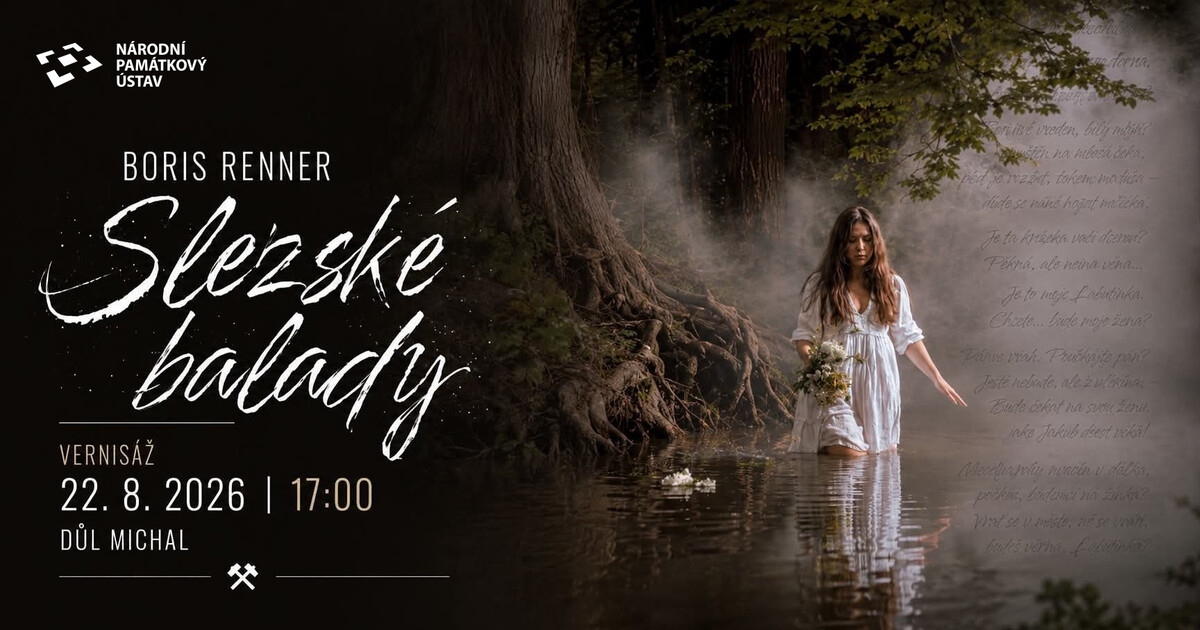
Zdroj akcí: otevřená data měst a obcí ČR (Národní katalog otevřených dat) a kalendář akcí Národního památkového ústavu.
Accommodation nearby
Themed route
Tematická výletní trasa: Důl Hlubina a okolí
1. Dům techniky Ostrava (Dům techniky Ostrava) Type: Museum Why visit: This museum showcases the history of technology and industry in Ostrava, providing an interesting introduction to the region's industrial heritage. Distance from Důl Hlubina: approximately 2 km
2. Kostel svatého Václava (Kostel svatého Václava) Type: Church Why visit: This beautiful Baroque church is a notable landmark in Ostrava and offers stunning views of the city. Distance from Dům techniky Ostrava: approximately 1.5 km
3. Důl Hlubina (Důl Hlubina) Type: Water reservoir Why visit: This impressive water reservoir is a must-see attraction in Ostrava, offering guided tours and stunning views of the city. Distance from Kostel svatého Václava: approximately 1 km
This thematic tour takes you on a journey through Ostrava's industrial heritage, architecture, and natural beauty. Start at the Dům techniky Ostrava museum to learn about the region's history, then visit the picturesque Kostel svatého Václava for stunning views of the city. Finally, explore the impressive Důl Hlubina water reservoir, a unique attraction in Ostrava.
Seasonal recommendations
Here are the seasonal recommendations for visiting the Hlubina Mine (Ostrava) historical landmark:
Spring
As you step into the mine, you'll be greeted by the soft glow of spring sunlight filtering through the entrance. The air is filled with the sweet scent of blooming flowers and the sound of birds singing in the nearby woods. Take your time to explore the mine's vast underground spaces, and don't forget to capture the stunning views of the surrounding landscape from the observation deck. Practical tip: Arrive early to avoid the morning crowds, and dress comfortably for a day of walking and exploring.
Summer
Summer is the perfect time to visit Hlubina Mine, with warm weather and long days allowing you to fully appreciate the site's natural beauty. The mine's outdoor areas are lush and green, making it an ideal spot for picnics or relaxation. Be prepared for larger crowds during peak summer hours, and consider arriving early to beat the heat. Don't forget your sunscreen and comfortable shoes for a fun-filled day.
Autumn
As autumn leaves start to fall, Hlubina Mine takes on a cozy, rustic charm. The mine's entrance is surrounded by vibrant foliage, creating a picturesque backdrop for your visit. Take in the crisp air and enjoy the peaceful atmosphere as you explore the underground tunnels. Practical tip: Arrive during the week or early morning to avoid weekend crowds, and dress warmly for cooler temperatures.
Winter
Winters at Hlubina Mine are magical, with the mine's entrance transformed into a winter wonderland. The cold weather creates a serene atmosphere, perfect for a quiet and contemplative visit. Consider visiting during the week or early morning to avoid weekend crowds, and don't forget your camera to capture the stunning winter landscapes.
Visualizations and artistic views


The visualisations are generated by artificial intelligence and serve as inspiration.
Photos from the area
Real photos taken near the monument

Zdroj a licence jsou uvedeny u každého snímku.
Tips from visitors
No tips yet. Be the first!
Log in and add your tip.
Sources and literature
Photos: ŠJů (cs:ŠJů) / CC BY-SA 3.0 — Wikimedia Commons. The author and licence also appear when you hover over the image.
Faktickým podkladem tohoto textu byl článek na Wikipedii, jehož autory jsou přispěvatelé Wikipedie. Článek je dostupný pod licencí CC BY-SA 4.0.
Location on the map
More monuments – Moravská Ostrava
Show all in the municipality


Fotografie návštěvníků
Zatím žádné fotografie. Buďte první, kdo přidá fotografii z návštěvy!
Log in a přidejte svou fotografii nebo hodnoťte.
Za ověřenou návštěvu v aplikaci získáte víc bodů — poznáme podle GPS, že jste na místě.
Reviews and comments