






Moravskoostravský hrad Castle
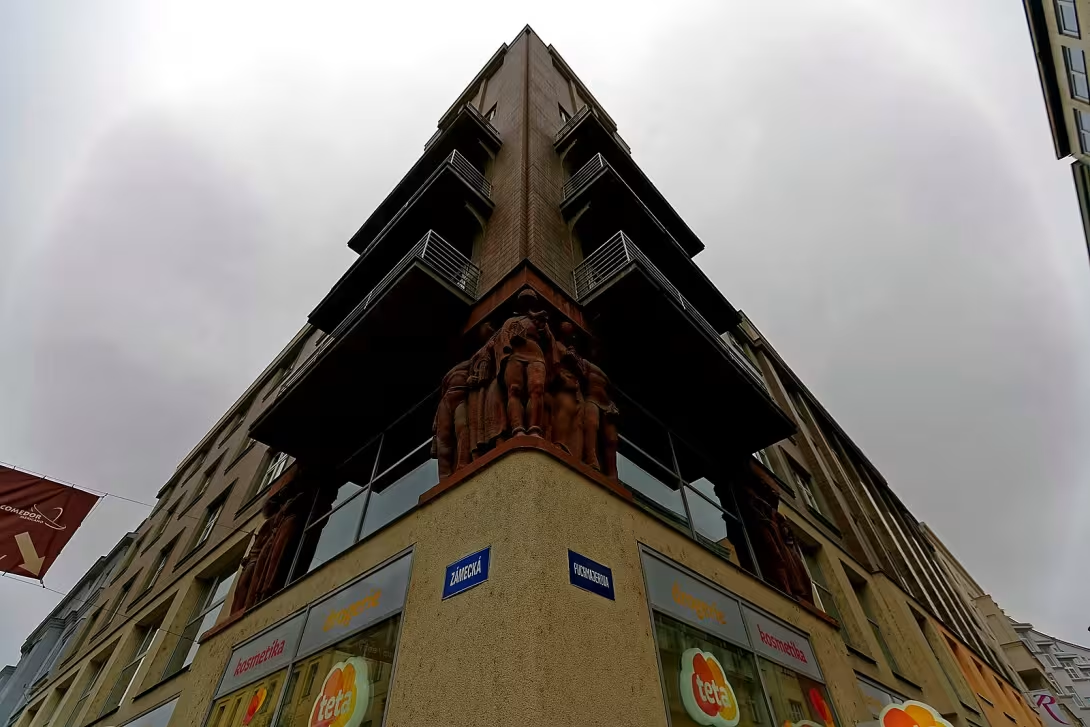
Objekt se nedochoval — na místě dnes nestojí. Následující text popisuje jeho historii, ne současnou návštěvu.
Moravskoostravský hrad was located in the west of the city walls of Moravian Ostrava, which gradually became one of the important centres of northern Moravia. Archaeological findings show that Moravská Ostrava was established as a settlement in the 10th century. However, she received her due cause as an administrative centre at a later date when Bishop Bruno of Schauenburg, in the will of 1267, promoted it to the city and at the same time elected it as the seat of the administration of large-scale bishop property. This move has triggered the colonization of the region and long-term economic development.
The castle itself was probably built in the second half of the 14th century in connection with the establishment of a separate Moravian Ostrava estate. The construction of the building was directly linked to the geopolitical situation of the time - until the 14th century, the river Ostravice formed the state border, and if the castle were to be built too soon, it would be on the east side of the city fortification. The first written mention of the castle dates back to 1396, when the purple Mikuláš Neubecke is mentioned here. We find other evidence of its existence in 1446 and in 1466, when it is referred to as the purpository, that is, a defensive point. The seat of the bishopric captains remained until the end of the 15th century - the last known captain, Laurin z Chřenovic, managed it between 1484 and 1491.
The fate of the castle building broke at the turn of the 15th and 16th century, when it was apparently abandoned. His demise is evidenced by the fact that, in 1538, the house that Bishop Stanislav I. Thurzo donated to the Hukwald official Christopher Foglar of Cold Water stood in his place. Whether the castle was finally demolished or gradually rebuilt is not yet quite clear.
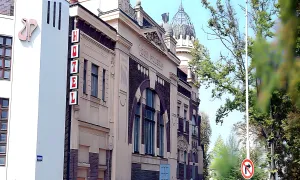
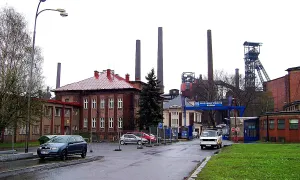
A new building was gradually created in the place of the former castle. The cemetery is mentioned here in 1585. In 1729 the construction of the chapel of St. Luke was started, which was completed in 1740. However, the latter was destroyed in 1894. Today, in a place where once stood a medieval castle guarding the administration of North Moravian bishopric estates, there is a department store called Rozvoj, which reminds of the constant development of urban structure.
Then and now
Drag the slider to compare how the landmark may have looked when it was built with the view today.


The historical appearance on the left is an AI-generated visualisation and serves as inspiration only.
Historical milestones
- 1396
- First written mention of the castle.
- 1466
- The castle is referred to as a propulgaculum.
Architectural development
The castle was probably built in the 2nd half of the 14th century as a strength structure for the administration of bishopric property. At the end of its existence, around 1538, it was no longer operational and later it was demolished.
Historical events
- 1396
- First written mention of the castle.
- 1466
- The castle is referred to as a propulgaculum.
- 1538
- Bishop Stanislav I. Thurzo donated the land to Christopher Foglar from Cold Water.
Owners
The Bishop of Olomouc (14th century - turn of 15th / 16th century), Kryštof Foglar from Cold Water (after 1538)
Points of interest
- Moravskoostravský hrad was built in the second half of the 14th century. - The first written mention of the castle dates back to 1396, when the purple Mikuláš Neubecke is mentioned here. - The castle was referred to as a propulgatulum, a defensive point, in 1446 and 1466. - The castle remained the seat of the bishop's captains until the end of the 15th century. - A new building was gradually created in the place of the former castle, for example the chapel of St. Luke was completed in 1740.
Guide
This guide is narrated by a synthetic voice generated by artificial intelligence.
Show guide text
This text was created by artificial intelligence and has not been editorially reviewed. It may contain inaccuracies.
The Moravskoostravský castle no longer stands today. It was located in the formerly independent city of Moravská Ostrava, today in the city district of Moravská Ostrava and Přívoz, on the western side of the city fortifications.
Archaeological research has shown that Moravská Ostrava emerged as early as the tenth century. The first written mention of it as a city appears in the will of Olomouc bishop Bruno von Schauenburg from the year twelve sixty-seven. It was thanks to him that Ostrava was granted city status and the colonization of the region began. The bishops chose Moravská Ostrava as the seat for administering their estates in northern Moravia.
The construction of the castle was probably connected with this and with the establishment of an independent Moravskoostravský domain. This construction likely took place in the second half of the fourteenth century. The location provides an interesting clue. Previously, the river Ostravice formed the state border, and if the castle had been built at that time, it would probably have stood on the eastern side of the city fortifications, closer to the border. But the castle stood on the west.
The castle is first mentioned in writing in the year thirteen ninety-six, when the castellan Mikuláš Neubecke was active there. Another mention dates from the year fourteen forty-six. In the year fourteen sixty-six, sources refer to it by the Latin word propugnaculum. The last known bishop's captain was Laurin of Chřenovic, who administered the domain in the years fourteen eighty-four to fourteen ninety-one.
At the turn of the fifteenth and sixteenth centuries, the castle was apparently abandoned. Then it either perished or was rebuilt. In any case, by the year fifteen thirty-eight, it no longer stood. Bishop Stanislav the First Thurzo then gave a house that stood on its site to the Hukvaldy official Kryštof Foglar of Studená Voda.
The plot then served various other purposes for a long time. In the year fifteen eighty-five a cemetery is mentioned there. Between the years seventeen twenty-nine and seventeen forty, the chapel of Saint Luke was built here and was demolished in the year eighteen ninety-four. Today, at the site of the former castle stands the Rozvoj department store.
For kids
Imagine going back to when Moravskoostravský hrad was standing in the west of the city walls. It was a huge stone castle that dominated the whole neighborhood. Who lived here? There lived rich townspeople and nobles who enjoyed royal dignity.
It's as if the most beautiful pleasures were taking place here. People grew up here with beautiful castle halls, where there were great parties and fun parts. At least it looked like something wild was going on.
Businesses nearby
Do you run a restaurant, accommodation, shop, museum, rental, wellness or other visitor service near this monument? Show yourself directly to the people heading to it — this is how they will see you in the app and on the web:
Events nearby
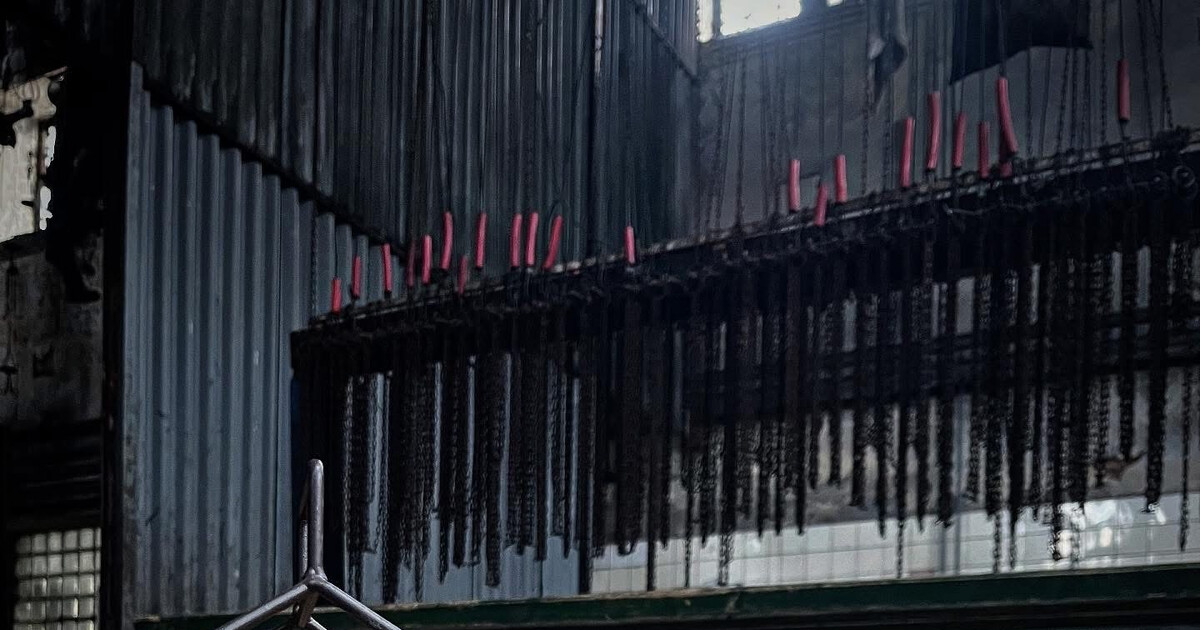
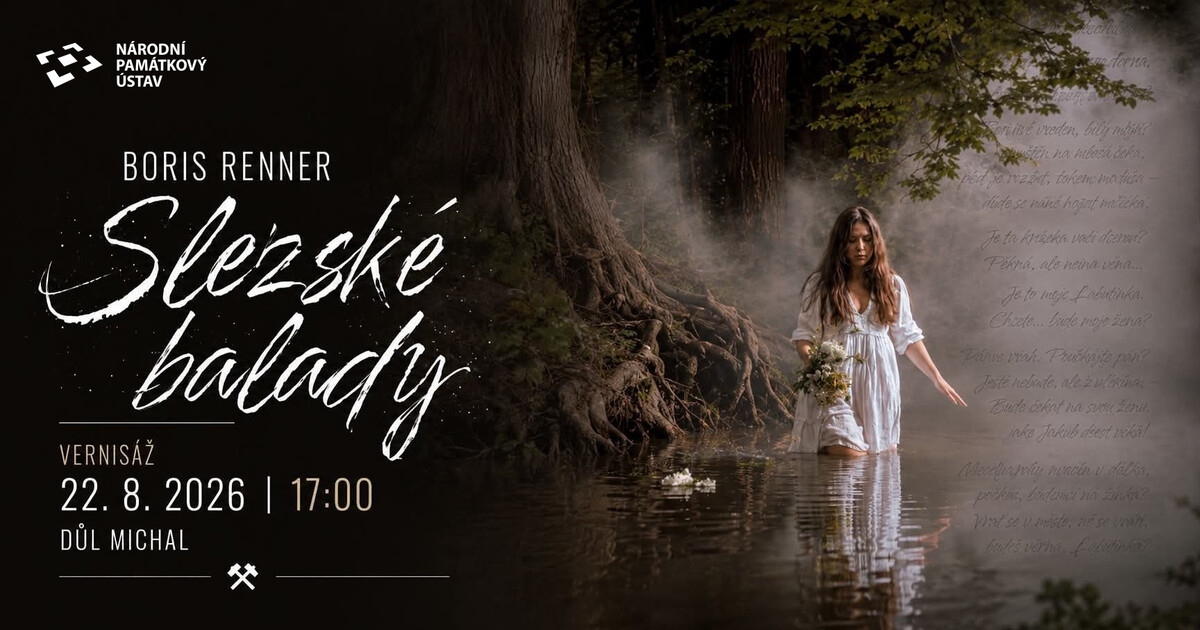
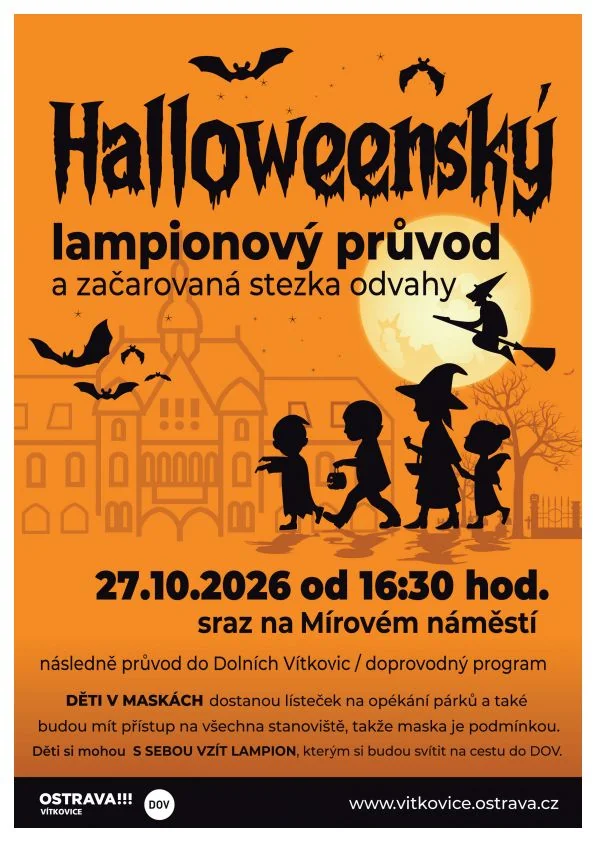
Zdroj akcí: otevřená data měst a obcí ČR (Národní katalog otevřených dat) a kalendář akcí Národního památkového ústavu.
Nearby
ITEX Show interactive overview of the surroundings - restaurants, accommodation, rentals and other places within a 15 km radius.
Data: OpenStreetMap contributors, 15 km radius.
‡ Historical monuments
- bridge Milos Sýkora (0.7 km)
- Schloss Witkowitz (2.3 km)
- Museum Vítkovic (2.3 km)
- Mine Michal (4.0 km)
- Mining Museum (4.2 km)
- Castle Rychvald (5.6 km)
- Memorial Overcoming Oder by Czechoslovak Tankers when liberating Ostravy (6.9 km)
- T.G. Masaryk (7.0 km)
Restaurant and catering
- Castle Zábřih (4.7 km)
- Krčma u Zvolu (7.2 km)
- McDonald's (7.5 km)
- Racek (7.6 km)
- Boombay (7.6 km)
- Restaurant Saigon (7.7 km)
- Rusty Bell Pub (7.8 km)
- El Amigo Muerto (7.9 km)
Accommodation
- Hotel Best (1.3 km - Keltickova 1297 / 60)
- Quality Hotel Ostrava City (1.7 km)
- Jan Maria (2.5 km)
- Hostel Nerudova 23 (3.1 km - Nerudova 499 / 23)
- Hotel Taurus (3.4 km - Teschen 1382 / 260)
- Best Western Hotel Vista (5.7 km)
- Guesthouse Silma (6.4 km - Feature 5)
- House of young smelters (6.9 km)
› Rental and sports
- Alpsport (0.3 km)
- TJ Sokol Hostikovice (5.9 km)
- Dingo Bike Sport Servis (6.0 km)
- MAX CURSOR (6.0 km - Čujkovova 52)
- Mike Bike (6.3 km - Cholevova 1530 / 1)
- Bike Sport Vratimov (7.5 km)
- Bike Kram (7.7 km)
- Heliasport (8.4 km)
© Tourism and nature
- halda Ema (1.9 km)
- Majerovec (fork) (8.5 km)
- Stará Belá (bath.) (8.8 km)
- Lower Pole (public transport) (9.8 km)
- Proskovice (at school, public transport) (10.9 km)
- Proskovice (u sokolovna) (11.3 km)
- Klimkovice (park) (12.6 km)
- Hhej (bus) (12.8 km)
Visualizations and artistic views


The visualisations are generated by artificial intelligence and serve as inspiration.
Photos from the area
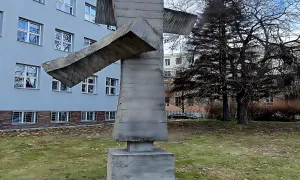
Real photos taken near the monument

Zdroj a licence jsou uvedeny u každého snímku.
Atmosphere of the place
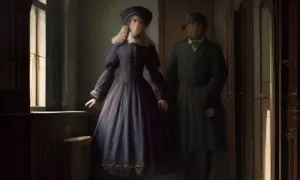
This atmospheric visualisation of the place and period was generated by artificial intelligence. It is not real footage of the location.
Tips from visitors
No tips yet. Be the first!
Log in and add your tip.
Sources and literature
Faktickým podkladem tohoto textu byl článek na Wikipedii, jehož autory jsou přispěvatelé Wikipedie. Článek je dostupný pod licencí CC BY-SA 4.0.
Location on the map

Příběhy a pověsti
Legendy, pověsti a příběhy spjaté s touto památkou
Fotografie návštěvníků
Zatím žádné fotografie. Buďte první, kdo přidá fotografii z návštěvy!
Log in a přidejte svou fotografii nebo hodnoťte.
Za ověřenou návštěvu v aplikaci získáte víc bodů — poznáme podle GPS, že jste na místě.
Reviews and comments