






Sad Dr. Milady Horákové Cemetery
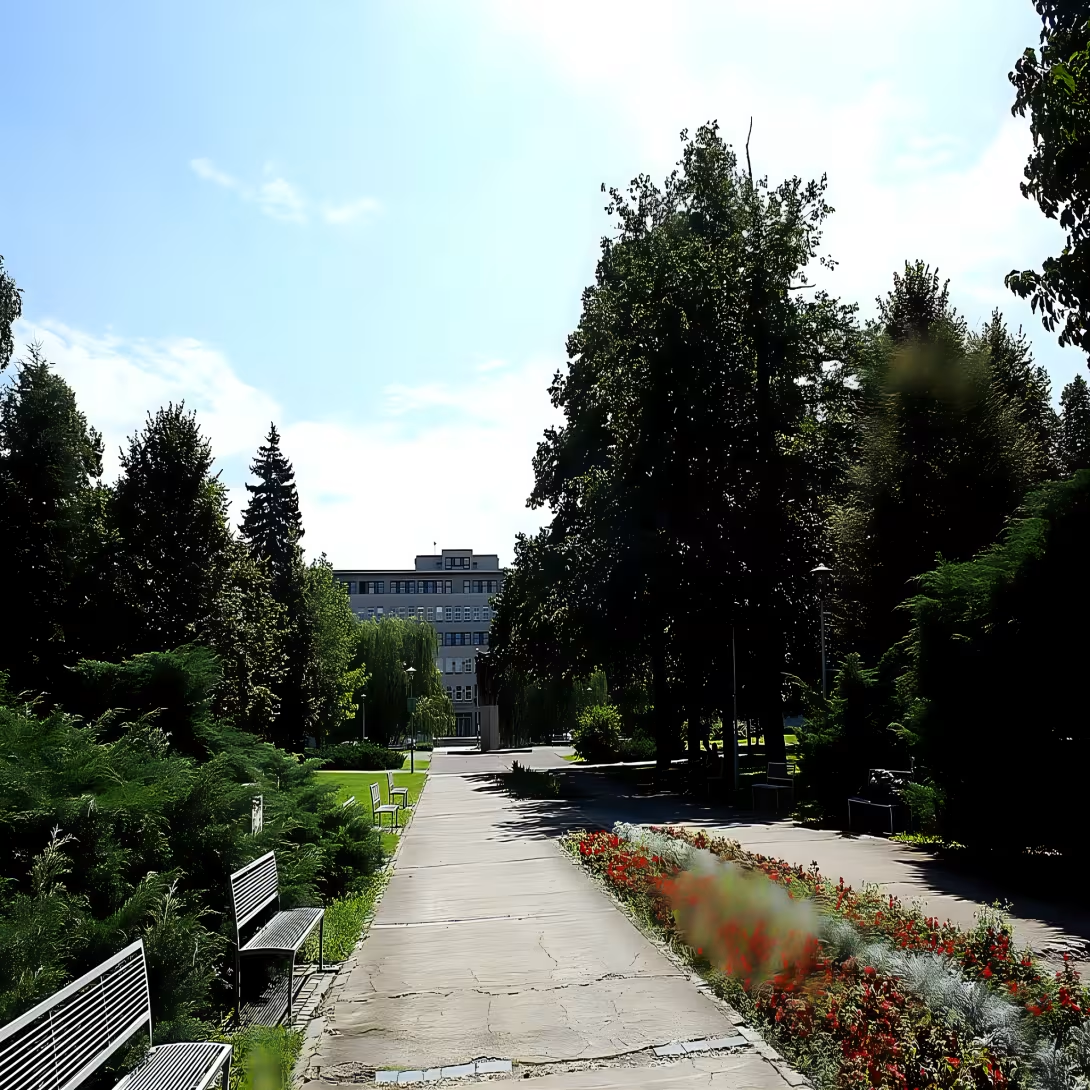
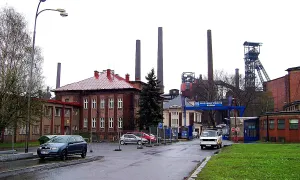
The set of Milady Horáková is an urban park situated in Moravian Ostrava on the territory of the former town cemetery. Even in the 1970s and 1980s, носил called Sad Clemente Gottwald, only after the Velvet Revolution he gained his current name and was more piqued. It is a space with a rich history closely linked to the way of burial in this industrial dinamic city.
The town cemetery was founded in 1875 as the main burial ground of a growing industrial city and set itself in the western part of Moravian Ostrava. He replaced the older burial ground, which was gradually located in the centre and was transformed into the Park of Emperor Franz Joseph I., Later in 1918 renamed to the Hus orchard. The cemetery became one of the most important burial sites in Ostrava and served for many years.
However, a serious practical problem emerged in the early 20th century. Ostrava soil was not suitable for burial, which would have been in line with the hygiene regulations at the time. The dates for the restoration of burial sites had to be extended from originally ten years to thirty years, thus increasing the cemetery area disproportionately. Since 1901, the purkmaster JUDr. Gustav Fiedler has been trying to build a crematorium in Ostrava. The Austrian-Hungarian laws did not allow this at the time, although some of the deceased were cremated in facilities in neighbouring Silesia. The change came only in 1925 when, according to the design of architect Vlastislav Hofman, the custom crematorium in the cubist style was built and built.
At the end of the 1950s, the cemetery was decided to cancel due to the growing building of the quarter, with reasons both ideological and hygienic. The cemetery was gradually destroyed and its place was taken up by a new park named Sad Clementa Gottwald. The final demolition and demolition of the crematorium building occurred in 1979. The remains were also stored at the Central Cemetery in Silesian Ostrava, which was established in 1961 and where a new crematorium was launched in 1970. There was also a new Jewish cemetery in the same place. After the fall of communism, space was renamed "Sad Milady Horáková" and it received the piety that this memorial legacy deserves.
Then and now
Drag the slider to compare how the landmark may have looked when it was built with the view today.
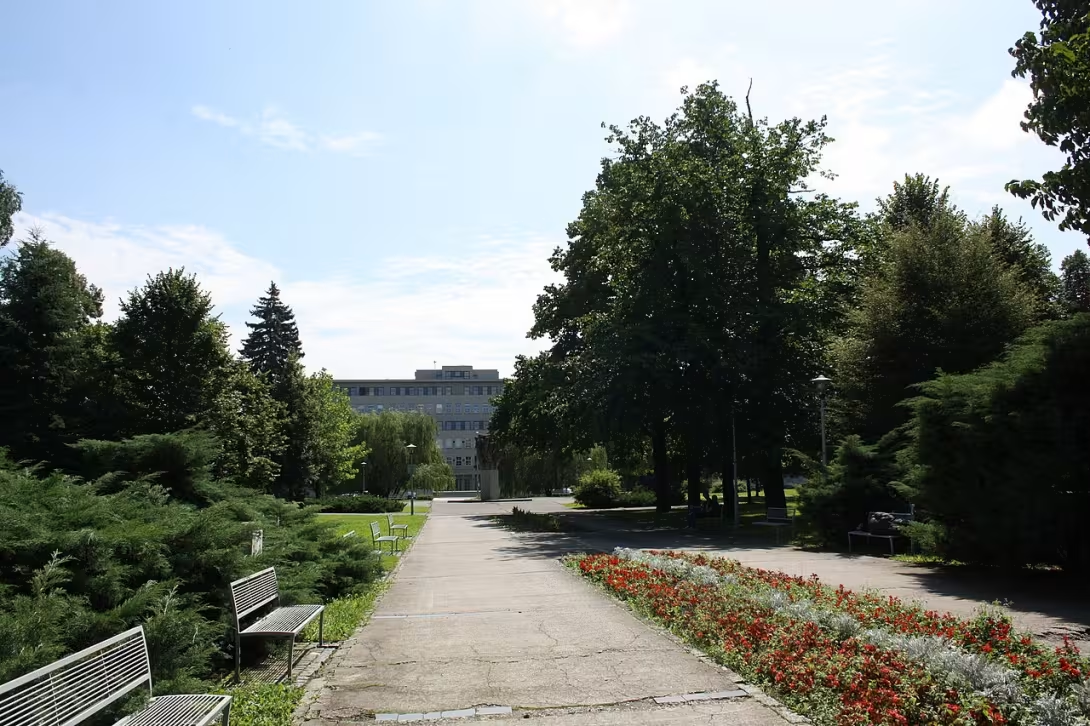

The historical appearance on the left is an AI-generated visualisation and serves as inspiration only.
Historical milestones
- 1875
- The establishment of a town cemetery in Moravian Ostrava as the main burial ground of the city.
- 1925
- Operation of the crematorium in the cubist style according to the project Vlastislav Hofman.
- 1979
- The definitive abolition of the cemetery and demolition of the crematorium, the subsequent transformation into the park.
- 1989
- Renaming the park to Sad Dr. Milady Horákové after the Velvet Revolution.
Architectural development
The cemetery was originally designed in historical style, but the crematorium from 1925 is an important cubist building. After the cemetery was abolished, the space was converted into a park with new green areas and modifications. The crematorium was demolished, the other buildings were levelled.
Historical events
The creation of the cemetery in 1875 as the main urban burial ground of Moravian Ostrava.
The construction of the crematorium in 1925 according to the design of architect Vlastislav Hofman.
Cancellation of the cemetery and conversion into a park in the 1970s after its demolition in 1979.
Renaming the park to Sad Dr. Milady Horákové after the Velvet Revolution.
Points of interest
- The cemetery was founded in 1875 as the main burial ground for the growing industrial city Moravská Ostrava.
- In the early 20th century, due to the impropriety of the soil, the dates for the restoration of burial sites were extended from ten to thirty years.
- In 1925, according to the design of architect Vlastislav Hofman, a crematorium was built in the cubist style.
- The cemetery was abolished in the late 1950s and replaced by a park called Sad Clementa Gottwald.
The crematorium building was finally demolished in 1979.
Guide
This guide is narrated by a synthetic voice generated by artificial intelligence.
Show guide text
This text was created by artificial intelligence and has not been editorially reviewed. It may contain inaccuracies.
Welcome to the set of Dr. Milady Horace. You are standing in a place that at first sight acts as a quiet, green oasis in the middle of the busy urban development of Moravian Ostrava. Feel this atmosphere of silence and discretion surrounding you here. You may feel a slight breeze in the treetops or hear only the distant noise of the city, but know that deep and uneasy history hides under your footsteps. This place, which today serves to relax, walk and seek inner peace, had a completely different character in the past and a completely different purpose. Every metre of this land you're walking on now is interwoven with memories of an era that shaped the identity of the entire region.
Let's go back deep into the past together until 1875. At that time the park was not opened, but a place was created that was absolutely necessary for the growing city. It was a time of huge expansion when Moravská Ostrava turned into an industrial centre that was constantly attracting new citizens. With this growth, however, there was also the need to have a dignified and organised place to rest those who had already left. So the town cemetery was established, which became the main burial ground of the city. Imagine the atmosphere at that time - a city that was built out of smoke, iron and work, needed this space as its spiritual and quiet centre. The cemetery served here for decades and witnessed many fates that took place during the period of the greatest industrial rise.
Now pay attention to one particular thing that was about the very nature of this place. If you could look beneath the surface of the earth, you would find that the history of this cemetery was not only about human fate, but also about fighting nature. In the early twentieth century, it became clear that land in this part of the city was not ideal for funeral purposes. It was precisely because of the impropriety of land that the then authorities and administrators had to introduce very specific and strict rules. The dates for the restoration of burial sites had to be significantly extended. While it was initially envisaged that the site could be reused after 10 years, due to the complexity of the ground, this time had to be extended up to 30 years. This must have had a major impact on the former families and on the entire administration of the cemetery and required constant care and planning to maintain the dignity of this place despite technical obstacles.
If you look around now, you may lack some monumental structures that you would expect in such a place. But there is a historical reason for that. In 1925, there was a construction that was a real architectural treasure and a symbol of the then modernization. It was a crematorium designed by one of the most important architects of his time, Vlastislav Hofmann. Even though the crematorium doesn't exist anymore, try to draw it in your imagination. Hofmann was the master of the cubist style. If you now imagine sharp lines, geometric accuracy and dynamic shapes that are typical of this style, you will understand better how advanced the architecture in Moravia Ostrava was. This crematorium was not just a functional building, but a work of art that strongly resonated in space. Unfortunately, in the 1970s, this space was modified under major changes and the crematorium was demolished. These decisions were motivated by the then ideological and hygienic reasons which led to the gradual abolition of the cemetery.
However, this process of transformation was very important for today's shape of the place. From the cemetery, which was the place of mourning and parting, space for life and movement gradually became a place for life. In the 1970s, space began to change into a park, which meant that the history of the cemetery began to intersect with a new, green identity. This transformation was completed when the company was preparing for major changes. And it was these changes that brought about 1989. After the Velvet Revolution, there was an important symbolic gesture - the park was renamed after the famous Czech politician and prisoner, Dr. Milada Horáková. It is a very strong contrast that the place that was once associated with closure and death bears the name of a woman who has become a symbol of the struggle for freedom, human dignity and political integrity.
In this context, you can think about how much our perception of space changes. Milada Horáková was a character that had to face enormous pressures, like the pressures of time, ideologies and technical constraints on soil. When you are walking through trees now, you must remember that you are standing in a place where various epochs collide - from the industrial boom of 1875, to the architectural genius of Hofmann's cubism, to the modern era of free movement in the city park.
Now I'll leave you with your own thoughts. Walk on, feel the calm of this park and try to find in its shadow the traces of the events that once took place here. Each journey through this orchard is actually a small way of the history of Moravian Ostrava. Thank you for spending this moment with us and for choosing to explore this space not only with your eyes but also with your heart. I wish you a pleasant and inspiring walk.
Frequently asked questions
Is Sad Dr. Milady Horákové open to the public?
Yes, the orchard is open daily from 9:00 to 6:00. The entrance is free.
How do I get to the place by car / public transport?
By car you can park near the set or in the center of Ostrava and then meet on foot. The public transport stop 'Sad Dr. Milady Horákové' is right at the entrance.
How much is the entrance fee and is it paid on the spot?
The entrance is free, but there are also services such as bike rental or baby carts for small fees.
Is the tour suitable for children and seniors?
Yes, the orchard is suitable for families with children and seniors. There are several areas for games and relaxation, but there are also benches for relaxation.
How long does the tour take?
The tour can take according to your interests and speed. If you want to see all the sights and exhibitions, we recommend 1-2 hours.
What are the opening times and booking is required?
The set is open daily from 9:00 a.m. to 6:00 p.m. Reservation is not required, but when visiting larger groups or organized groups we recommend to contact the set manager in advance.
What's interesting in the immediate vicinity?
In the immediate vicinity there is a historical center of Ostrava with many cultural and historical monuments such as churches, town halls or museums.
For kids
Imagine going back to the past and finding yourself in a Ostrava city where many people lived. The city was small, but full of life. And among these people was a cemetery where people bury their loved ones.
There was an old town cemetery, the most important in the city. People who lived in Ostrava from the Middle Ages to the early 20th century were buried there. Local residents came to the cemetery for burial and the memory of the dead.
Businesses nearby
Do you run a restaurant, accommodation, shop, museum, rental, wellness or other visitor service near this monument? Show yourself directly to the people heading to it — this is how they will see you in the app and on the web:
Events nearby
Zdroj akcí: otevřená data měst a obcí ČR (Národní katalog otevřených dat) a kalendář akcí Národního památkového ústavu.
Nearby
The historical town of Ostrava and its parts form the surroundings of the monuments.
Accommodation nearby
Themed route
Thematic cruise route: Monuments and quiet atmosphere of Moravian Ostrava
1. Sad Dr. Milady Horákové (cemetery) * Main target. * This picturesque cemetery is the last resting place of the prominent persons of Moravian Ostrava and surrounding villages. Its quiet atmosphere, old tombstones and monuments at the important events of the region make it an interesting place for historically focused visitors. The park environment with city views gives the place a unique atmosphere.
2. Hus orchard * Park, approximately 1 km west. * This park was created at the site of the old burial ground and is one of the few green oases in the centre of Moravian Ostrava. It is ideal for relaxing after a visit to the cemetery, offering a quiet sitting by the trees and the possibility of walking around a historic place with a rich past.
3. Central cemetery in Silesian Ostrava * Cemetery, approximately 3 km southeast. * This is the main burial ground of Ostrava, which is known for its extensive areas and historic tombstones. It is possible to admire architectural details and monuments of important personalities that have contributed to the development of the region. Visiting him is worth it for its historical value and variety of tombstones.
4. Crematorium in Silesian Ostrava * Crematorium, approximately 3 km southeast. * This crematorium is a modern and functional part of the Central Cemetery. For visitors who are interested in the history and function of crematorias, it may be interesting to know how the cremation process is being carried out and what traditions are followed here. It's also an opportunity to reflect on life and leaving.
Seasonal recommendations
Spring Sad Dr. Milady Horákové offers a unique atmosphere in the spring months, when nature wakes up after winter peace. The flowers in the cemetery tombstones and the young leaves in the trees create a fine, pastel palette of colours that is reflected in the scattered sunlight. The air is clean and saturated with the scent of the first flowers, especially cherries and apple trees, which are often grown here. It is convenient to visit a monument in a period where there is no longer any danger of late frost, i.e. from April when nature opens and the traffic is still mild. It is recommended to wear light but protective clothes against the breeze, which often blows here, and to bring with you a hat or scarf against the sun. The best time to visit is in the morning when the surroundings are quiet and you can enjoy silence without disturbing crowds.
Summer In the summer months, Sad Dr. Milady Horákové turns into a green oasis, where birds and bees pollinate flowers are widely found. The sun's rays illuminate the tombstones with golden light, creating contrast with dark stone surfaces. The atmosphere is alive, but calm if you avoid the main summer season when the most tourists come here. It is convenient to visit the memory early in the morning or late in the afternoon when the heat is less intense. Put on light, but sun protection, don't forget sunscreen and plenty of water. In summer days it is also good to bring an umbrella, as occasional storms can suddenly interrupt the visit.
Autumn Autumn Sad Dr. Milady Horákové is a magical location where leaves on trees turn into yellow, orange and red shades that are reflected in wet stones after rain. The air is cold and saturated with the scent of fallen leaves and fungi, which are widely found here. The atmosphere is calm and reflexive, ideal for walking in silence. It is convenient to visit a monument in September or early October, when nature is still rich in colors, but the crowds are not as big. It is recommended to wear warmer clothes as the evenings are cold and to bring waterproof shoes for possible rain. The best time to visit is late afternoon when the sun lights up the tombstones with golden light and creates charming shadows.
Winter In winter months, Sad Dr. Milady Horákové will turn into a calm, snow-covered oasis, where the light of the sun is reflected in white areas and on ice covers on tombstones. The atmosphere is quiet and calm, with a gentle scrubbing of snow under the shoes. The air is cold and clean, saturated with the scent of conifers that grow here. It is convenient to visit a monument in December, when there is the most beautiful atmosphere, but it is also necessary to count on shorter opening times. It is recommended to wear warm but comfortable clothes as temperatures may fall below freezing. The best time to visit is early morning when the surrounding area is quiet and you can enjoy silence without disturbing crowds. In winter it is also good to bring a warm drink and possibly warm gloves to please you as much as possible.
Visualizations and artistic views


The visualisations are generated by artificial intelligence and serve as inspiration.
Photos from the area
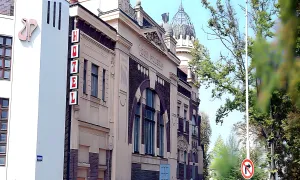
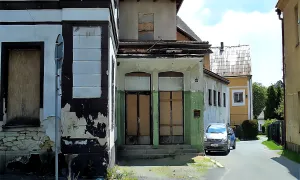
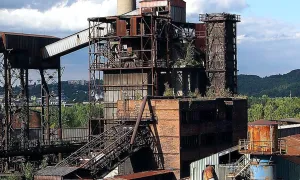
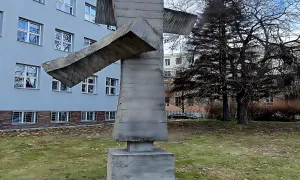
Real photos taken near the monument


Zdroj a licence jsou uvedeny u každého snímku.
Atmosphere of the place
This atmospheric visualisation of the place and period was generated by artificial intelligence. It is not real footage of the location.
Tips from visitors
No tips yet. Be the first!
Log in and add your tip.
Sources and literature
Photos: Michal Reiter / CC BY-SA 3.0, rozlišení zvýšeno umělou inteligencí — Wikimedia Commons. The author and licence also appear when you hover over the image.
Faktickým podkladem tohoto textu byl článek na Wikipedii, jehož autory jsou přispěvatelé Wikipedie. Článek je dostupný pod licencí CC BY-SA 4.0.
Location on the map

Příběhy a pověsti
Legendy, pověsti a příběhy spjaté s touto památkou
Fotografie návštěvníků
Zatím žádné fotografie. Buďte první, kdo přidá fotografii z návštěvy!
Log in a přidejte svou fotografii nebo hodnoťte.
Za ověřenou návštěvu v aplikaci získáte víc bodů — poznáme podle GPS, že jste na místě.
Reviews and comments