






Polský dům House
After the economic crisis in the 1970s, the Ostrava-Karvinskaya pelvis transformed into a dynamic industrial centre. Modern mining and metallurgy attracted thousands of workers, especially from Western Halich. The number of these immigrants in the political district of Moravia Ostrava (established in 1900) has gradually exceeded ten thousand. In this way, there was a need for education and social care institutions, such as the People's School branch in Krakow, which was engaged in the education of a backward immigrant population.
The initiator of the construction was Ostrava activist Wacław Seidl. In 1899 he started a collection of funds to build a Polish educational centre and meeting place for the Polish community. The money for the construction was contributed by Count Zamojski, Count Tarnowski and many other donors from Krakow, Ostrava, Malopolska and Těšín Silesia. The building manager Stanisław Bandrowski, who lived in Ostrava at the time, was entrusted with building supervision. An interesting part of the construction was the building material - stones from demolished Krakow walls were used as the building, which remain visible to this day in the exterior decoration of the building.
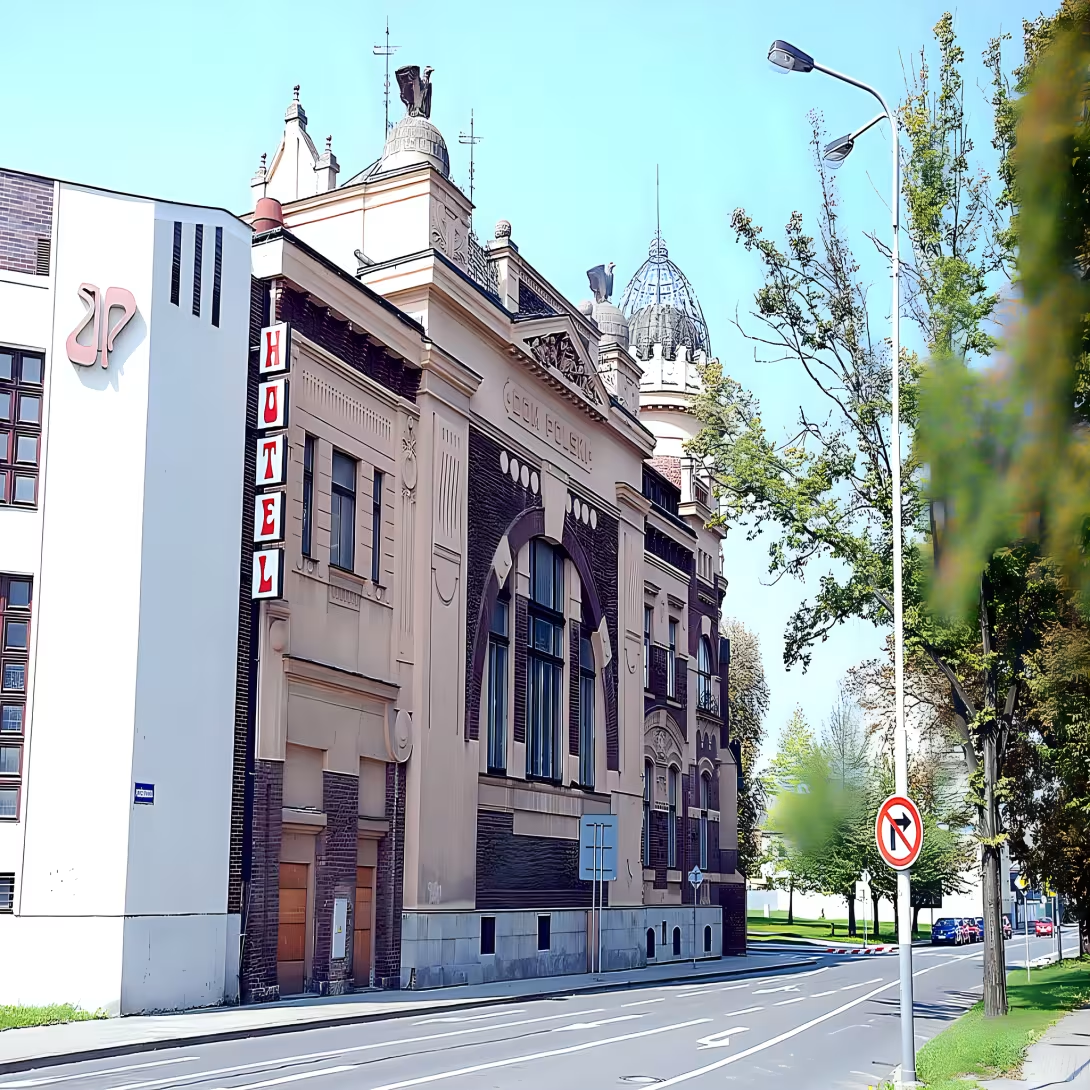
The architecture of the Polish House bears distinctive features of Art Nouveau style. The construction is decorated with elements reminiscent of Polish heritage: a tower in the shape of a Piasto crown with a pair of eagles, the characters of Poland and Lithuania, and also a statue of Saint Hedvika. The building is located at the intersection of the streets of Žerotín and Poděbradov.
The opening ceremony took place on 8th and 9th September 1900. The celebration had a religious element - the Mass was held in St. Wenceslas's church, then the parade moved to a newly built house. Mayor of Moravian Ostrava Adalbert Johanny took part in the opening. Shortly after the opening, the house got into financial difficulties that threatened to close it. Their solution was to commercialize the building. Polský dům gradually became not only an educational centre but also a cultural heart of the community. There was no Polish library, reading room, savings bank, Siła association and many other organizations. The premises also hosts the theatre group L. Czytogórsky and Italian singer Luigi Cavanna.
During the 20th century the house had undergone considerable changes. In 1938 he was renamed the Federal House. During World War II, there was a German organization called Hitler Youth. After the war, the Ostrava Poles managed to recover the decaying building. Since 1950 it worked as a People's Team Polský dům, where they had their headquarters Polish organization and restaurant with several buffets. The hotel part was added to the building in the 1960s. In 1979, Polský dům was incorporated into the Future Association and lost its independence. The management decided to turn the premises into a working-class cultural center with a dance hall. In 1985, the reconstruction of the building began, but it was never completed.
After the privatisation of 1991, Polský dům had long faced financial problems. Although it was owned, among other things, by Polish minority organisations (the Ostrava community contains about a thousand people), and sometimes cultural events like Polish-Czech days were organised there, it gradually disintegrated. Today, the building is long-term unused and in poor construction condition. Despite all the difficulties, it has managed to obtain cultural heritage status for the building, which protects this unique testimony about the history of the Polish community in Ostrava.
Then and now
Drag the slider to compare how the landmark may have looked when it was built with the view today.
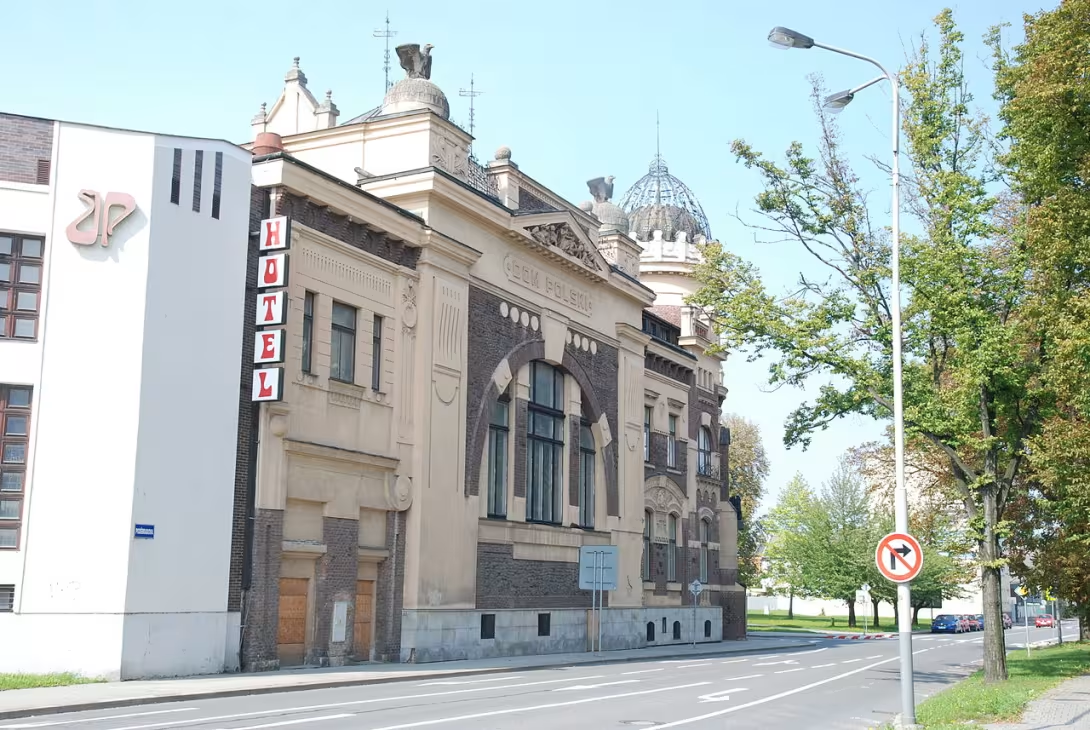

The historical appearance on the left is an AI-generated visualisation and serves as inspiration only.
Historical milestones
- 1900
- The opening ceremony of the Polish House.
- 1979
- Inclusion into the Future Association.
Architectural development
Polský dům was built in 1899- 1900 under the supervision of architect Stanisław Bandrowski. During his history he went through various phases, including reconstruction in the 1960s with hotel access and reconstruction in 1985 which was not completed.
Historical events
- 1900
- The opening ceremony of the Polish House.
- 1938
- Renaming to the Federal House and use as the seat of Hitler Youth during the protectorate.
- 1950
- Function as People's Team Polský dům.
Owners
Kingdom of Poland
Republic of Poland
Points of interest
- After the economic crisis in the 1970s, the Ostrava-Karvinskaya pelvis transformed into a dynamic industrial centre, attracting thousands of workers from Western Halich.
- The initiator of the construction of the Polish house was Ostrava activist Wacław Seidl. The money for the construction was contributed by Count Zamojski, Count Tarnowski and other Donors from Krakow, Ostrava, Malopolska and Teschen Silesia.
- The building supervisor was the Krakow architect Stanisław Bandrowski. An interesting part of the construction was the use of stone from demolished Krakow walls in the exterior decoration of the building.
- The architecture of the Polish house bears the features of Art Nouveau style and decorate elements reminiscent of the Polish heritage, such as a tower in the shape of a Piastu crown with eagles and a statue of Saint Hedvika.
- The opening ceremony took place on 8th and 9th September 1900, where the mayor of Moravian Ostrava Adalbert Johanny participated.
Guide
This guide is narrated by a synthetic voice generated by artificial intelligence.
Show guide text
This text was created by artificial intelligence and has not been editorially reviewed. It may contain inaccuracies.
Welcome to Moravian Ostrava, where you are now in front of one of the most famous historical sites in this region - the Polish House. This beautiful object in front of you is an impressive representation of Art Nouveau, an architecture that can offer you not only visual pleasure but also deep historical insights.
Polský dům was built in 1900 as a cultural and educational centre for a Polish minority living at that time in the territory of industrial Moravia. His builder was Stanisław Bandrowski, who designed a single-storey two-wing social house. This building was founded in order to provide the Polish community with a place to meet and promote their cultural and educational activities.
Look up and you will see elegant lines and details that are typical of Art Nouveau. This architectural style is known for its sophisticated and artistic processing of elements, which makes Polský dům a real pearl in the urban environment of Moravian Ostrava. Note also the harmony with which the building is integrated into the surrounding environment, which highlights its historical and cultural importance.
Key personalities associated with the Polish House include Wacław Seidla, an activist from Ostrava who was the initiator of his construction. It is also interesting that the money for the construction was contributed by Count Zamojski. Next, notice Adalbert Johann, another important factor associated with this monument.
What is interesting is the fact that the Ostrava-Karvinsky pelvis, during the economic crisis in the 1970s, transformed from outdoor territory into a dynamic industrial centre, which attracted thousands of workers from West Halic. This movement of people has significantly affected the cultural landscape of the region and underlines the importance of the Polish House as a meeting place for the Polish community.
Now that you've learned about the history and architecture of the Polish House, you can continue to explore this fascinating place. In your next look, make sure you notice every detail and atmosphere surrounding this house. Let you enjoy your exploration of this historical centre of culture and meet with other interesting stories that this monument has on its treasures.
Thank you for your attention and I hope Polský dům has reached out to you with its history and beauty. Enjoy further exploration of Moravian Ostrava!
Tips for visitors
The best time to visit the Polish House in Moravian Ostrava is autumn or spring, when the weather is favourable for walking and photography. During these months the shading of the building turns into beautiful color effects that are ideal for photography.
We recommend checking the current connection in the previous planning of the visit.
When you visit, bring a suitable suit, especially if you visit during colder months. Photographers might consider bringing a tripod for detailed pictures of architecture.
Photographs in the Polish house will offer several interesting perspectives, especially from the street towards the building. The best light often occurs in the morning or in the evening, when the sunlight is projected through windows and ceilings.
In the vicinity of the Polish house you can visit the historic Slavin building, which is about 30 minutes' walk away. It is an ideal place for families with children to enjoy the natural environment and beautiful views of the surrounding countryside.
Frequently asked questions
Can the monument be visited?
This is a residential or farm building, not a museum with opening hours. Please view it from public space and respect the owners' privacy. We have no information about access to the interior.
Where is the monument?
Location: Poděbradova 1152/53, Moravská Ostrava, Ostrava, Moravskoslezský kraj. The map on this page shows the exact spot.
Why is the monument protected?
It is listed in the Central List of Cultural Monuments of the Czech Republic as a cultural monument (register no. 34209/8-2239).
For kids
Imagine going back to the past, until Polský dům was the castle of Polish kings. It was an epic epoch full of adventure and heroism.
It's like a portal of time opened up and you found yourself outside the wall of this medieval mansion. You see how the castle wall stretches, how tall and strong it is, like it's supposed to protect the secrets and treasures that are inside.
Imagine when King John I of Poland ruled over this land. He was a man with great heart and great courage. They lived here, they gathered here to decide the fate of Poland.
Businesses nearby
Do you run a restaurant, accommodation, shop, museum, rental, wellness or other visitor service near this monument? Show yourself directly to the people heading to it — this is how they will see you in the app and on the web:
Events nearby
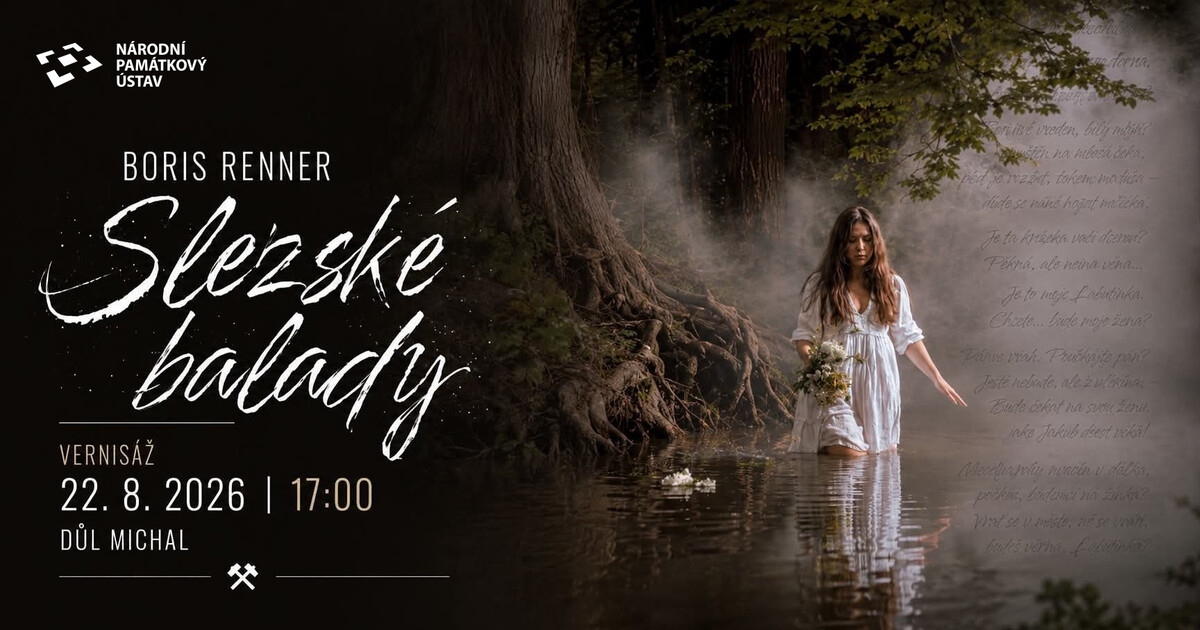
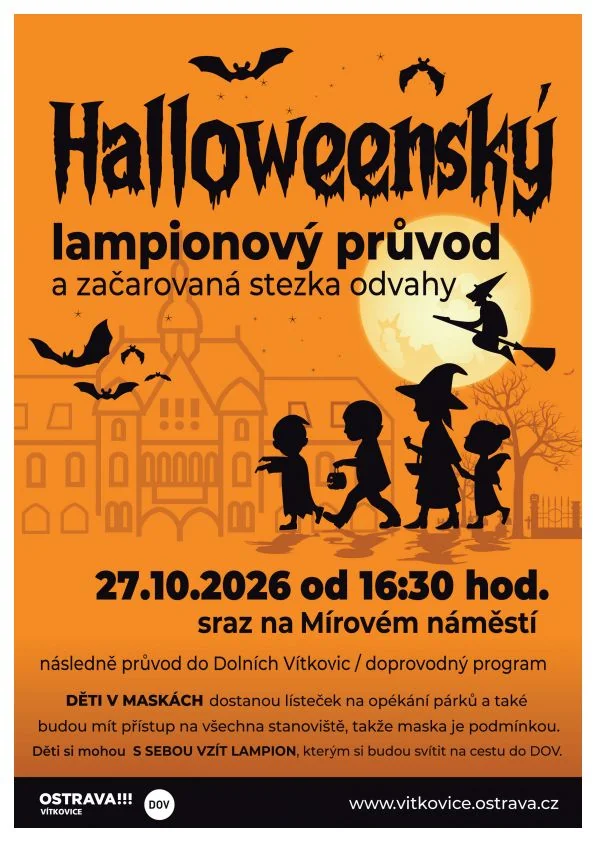
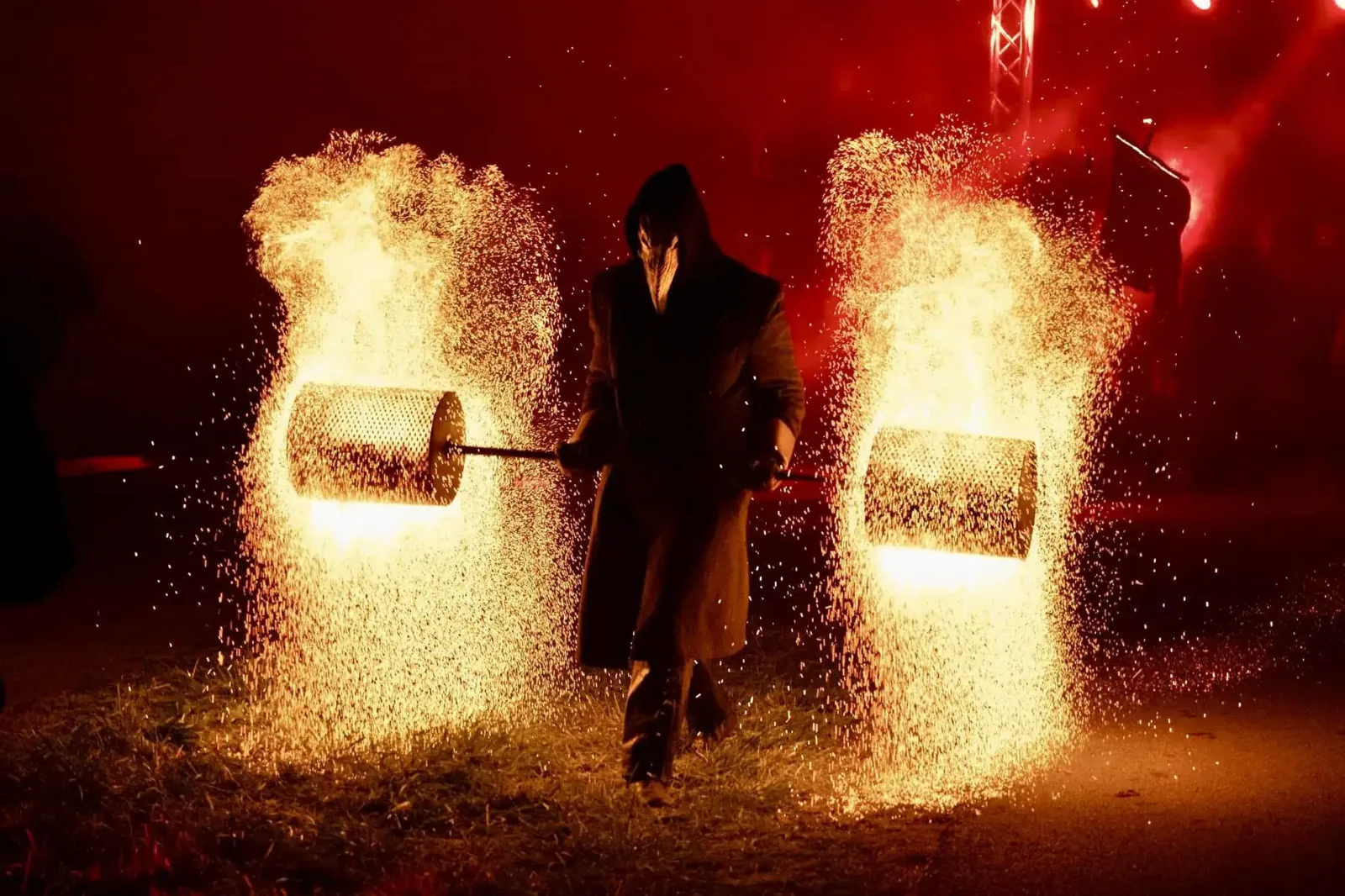
Zdroj akcí: otevřená data měst a obcí ČR (Národní katalog otevřených dat) a kalendář akcí Národního památkového ústavu.
Nearby
The surrounding landscape is rich in historical monuments and natural elements.
Accommodation nearby
Themed route
Thematic cruise route: Historical and Cultural Survey of the Polish House
1. Polský dům (house) Type: Historical object Why is worth a visit: This important architectural monument is a representative of the history and culture of the village Moravská Ostrava. Visit his elegant facade and enjoy the view of the past preserved by this house.
2. Church of St. John the Baptist Type: Religious monuments Why is worth visiting: This church is a key part of the cultural and spiritual life of the village. Its historical interiors and architecture attract many visitors who want to record the calm atmosphere and beauty of sacral art.
3. Municipal Office Moravská Ostrava Type: Historical object Why it is worth a visit: This historical building is an important part of the local administration and has significant architectural features. Its interior offers insight into past administrative practices and is an interesting example of municipal life.
4. Memorial of Workers Type: Memorial Why is it worth a visit: This monument is dedicated to the workers' memory and symbolizes the historical events that shaped the village. It is a place for reflection on the importance of work and solidarity between people.
5. Park near Polish House Type: Green space Why is it worth a visit: This park offers a quiet stop to relax and relax after exploring historical places. Its natural beauty is an ideal place to walk or visit with family.
This route will guide you through the key historical and cultural sites of Moravian Ostrava, offering a view of its rich past and present life.
Seasonal recommendations
Spring: In the spring season, Polský dům in Moravia Ostrava appears in its most beautiful glow when flowering trees and bushes of surrounding park greenery add life to the atmosphere. The sunny spring days offer ideal conditions for exploring historical interiors when lighting is softer and shady. Visitors should use this mild period to visit without fear of extreme temperatures, but it is still recommended to wear layered clothes for transitions between cold wounds and the warm noon. Spring is also a period where there can be slightly more visitors due to beautiful weather, so it is advisable to come in early afternoon or evening time.
Summer: For years, Polský dům has become a popular destination for local and tourists looking for a heat leak. Long sunny days and high temperatures attract a large crowd, especially in the peak hours of noon. Visitors should plan their visit to morning or late afternoon times when the temperature is softer and lighting provides the interior with a fine flash. Don't forget to wear sunglasses, protective cream and enough drinking water to make the visit comfortable even in warm weather.
Autumn: In autumn, Polský dům offers a unique atmosphere with a changing color spectrum of trees in the park that provide a beautiful background for photos. Sunny and mild autumn days are ideal for exploring historical spaces with softer lighting, while cooler evenings bring a calmer attendance. Visitors should dress in warm clothes with the possibility of layering, because the weather may be irregular and colder evenings require protection. This period is also ideal for visitors without crowd congestion.
Winter: The winter period Polský dům is transformed into a place full of peace and quiet, when fewer visitors allow a deeper experience. Cold winter brings beautiful Central European winter weather with the possibility of watching snow rain on the park trees, which creates a romantic atmosphere. It is important to prepare for the cold with warm clothes and moisture protectors to make the visit comfortable even under winter conditions.
Visualizations and artistic views


The visualisations are generated by artificial intelligence and serve as inspiration.
Photos from the area
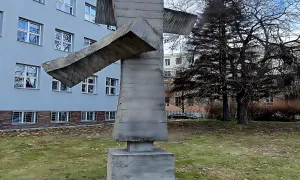
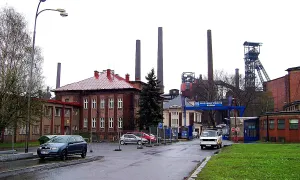
Real photos taken near the monument


Zdroj a licence jsou uvedeny u každého snímku.
Atmosphere of the place
This atmospheric visualisation of the place and period was generated by artificial intelligence. It is not real footage of the location.
Tips from visitors
No tips yet. Be the first!
Log in and add your tip.
Sources and literature
Photos: Magdon / CC BY-SA 4.0, rozlišení zvýšeno umělou inteligencí — Wikimedia Commons. The author and licence also appear when you hover over the image.
Faktickým podkladem tohoto textu byl článek na Wikipedii, jehož autory jsou přispěvatelé Wikipedie. Článek je dostupný pod licencí CC BY-SA 4.0.
Location on the map


Příběhy a pověsti
Legendy, pověsti a příběhy spjaté s touto památkou
Fotografie návštěvníků
Zatím žádné fotografie. Buďte první, kdo přidá fotografii z návštěvy!
Log in a přidejte svou fotografii nebo hodnoťte.
Za ověřenou návštěvu v aplikaci získáte víc bodů — poznáme podle GPS, že jste na místě.
Reviews and comments