






Československé armády 29 Tenement house
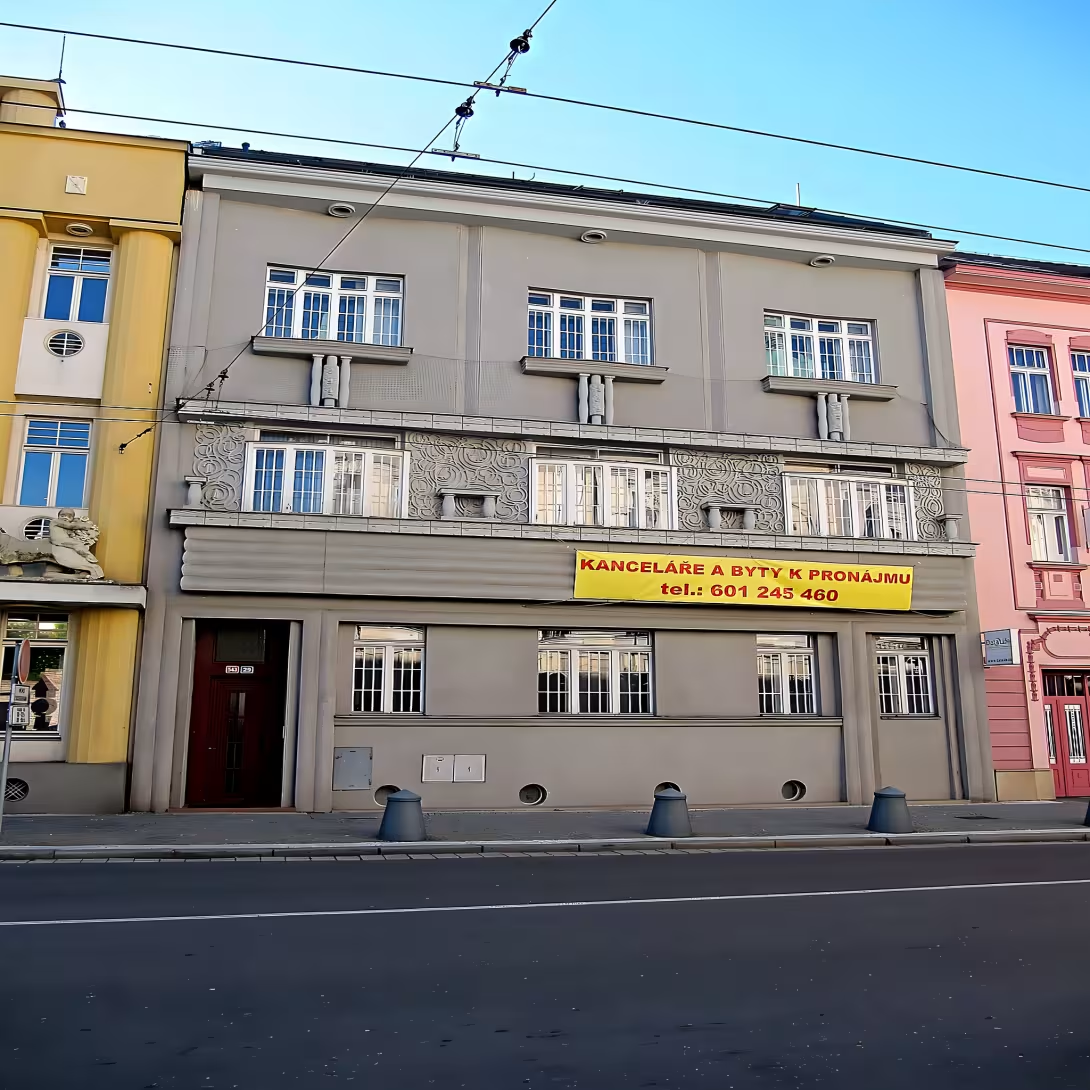
Československé armády 29: A Secessionist Gem in Hradec Králové
Located on Československé armády street in Hradec Králové, Rejchlův dům stands out for its unique architectural style and rich history. Designed by architect Bohumil Waigant around 1913, the building served as both a residence and a place of business for notable figures like Václav Rejchl.
Origin and Historical Context The exact construction date is unclear, with some sources suggesting it was built between 1909-10 while others propose 1913. Regardless, it is evident that the building was constructed during the final years of the Austro-Hungarian Empire, a period marked by significant urban development and architectural flourishing in Bohemia.
Architecture and Artistic Form The building's facade features rich decorative elements, including spiral ornamentation, conelike protrusions, and maskarons. The latter likely reflect popular Afro-Asian art trends of the time. The structure is a two-story, fully basemented building with a rectangular floor plan.
Owners, Administrators, Fortunes Builder Josef Jihlavec was the original investor and owner of the plot. In 1981, the building was registered as a cultural monument, and in 2007, its facades underwent reconstruction.
Key Events and Curiosities In the late 1920s, the building housed a noble-style interior for the Národní klub. Although this original interior has not survived to the present day, it is worth noting that the building's facade remains an important architectural element within the city's historical monument zone.
Today The building is situated within the urban monument reserve and the urban monument zone of Hradec Králové. Visitors can appreciate its unique architecture and rich history by visiting this site.
In conclusion, Rejchlův dům is a Secessionist gem that offers a glimpse into architectural styles and cultural trends of early 20th-century Bohemia. Its unique facade and historical significance make it an important landmark in Hradec Králové's urban landscape.
Then and now
Drag the slider to compare how the landmark may have looked when it was built with the view today.
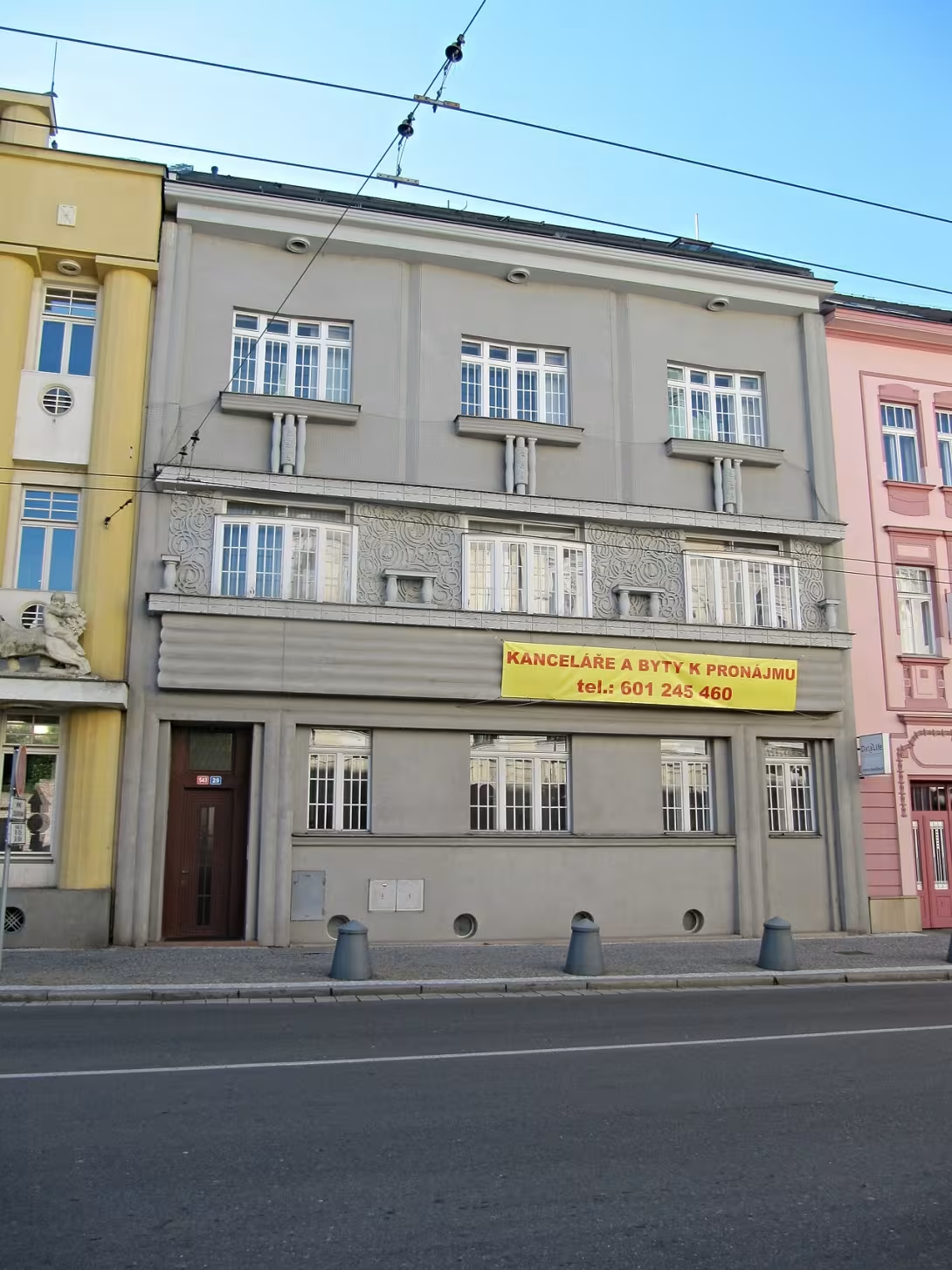
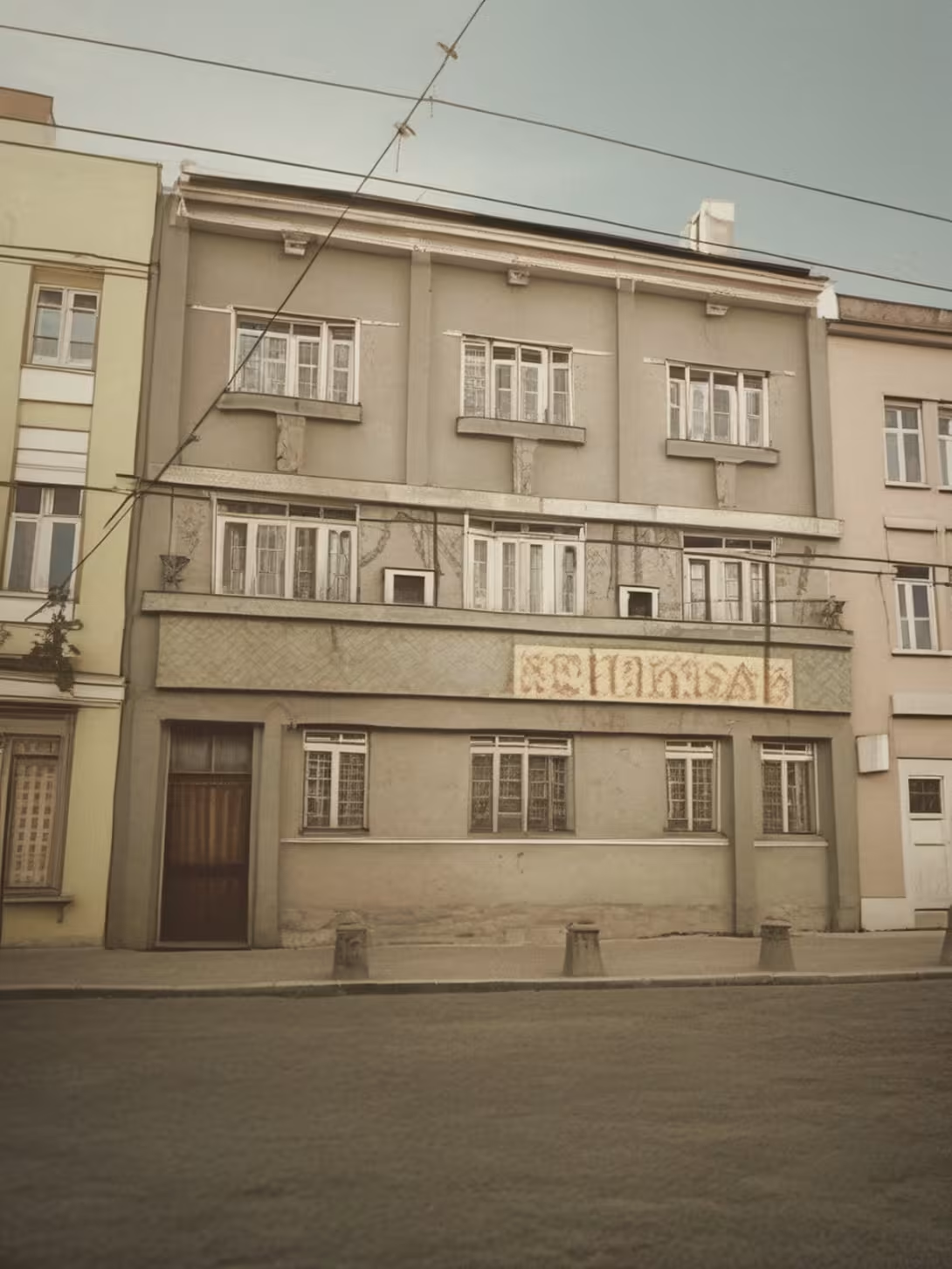
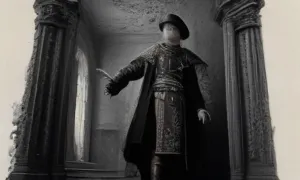
The historical appearance on the left is an AI-generated visualisation and serves as inspiration only.
Historical milestones
- 1913
- Completion of the building.
- 1981
- The building was entered into the list of cultural monuments.
- 2007
- The building underwent a reconstruction of its facades.
Architectural development
The building is a two-story, fully basemented structure with a rectangular floor plan. The facade features rich decorative elements including spiral ornamentation, conelike protrusions, and maskarons. While the interior noble-style furnishings from the late 1920s were lost, the exterior was renovated in 2007.
Historical events
In 1981, the building was registered as a cultural monument, and in 2007, its facades underwent reconstruction.
Owners
The original investor and owner of the plot was the builder Josef Jihlavec.
Points of interest
– The building was designed by architect Bohumil Waigant around 1913 and served as a residence and place of business for notable figures.
– The exact construction date is unclear, but it's evident that the building was constructed during the final years of the Austro-Hungarian Empire, a period marked by significant urban development and architectural flourishing in Bohemia.
– The building's facade features rich decorative elements, including spiral ornamentation, conelike protrusions, and maskarons, which likely reflect popular Afro-Asian art trends of the time.
– In 1981, the building was registered as a cultural monument, and in 2007, its facades underwent reconstruction.
– The building housed a noble-style interior for the Národní klub in the late 1920s.
Guide
Show guide text
This text was created by artificial intelligence and has not been editorially reviewed. It may contain inaccuracies.
Welcome to Hradec Králové. As you stand here on the street known as Československé armády, take a moment to truly observe the building directly in front of you. You are looking at Rejchlův dům, a structure that is much more than just an urban apartment building. It is a vital piece of the architectural puzzle that makes up the historical monument zone of this city. As you stand in its presence, try to sense the atmosphere of the surrounding streets, where the past and the present meet in a constant, silent dialogue. This building serves as a landmark, anchoring the character of this neighborhood and providing a window into a bygone era of urban life and professional ambition.
To understand the significance of what you see, we must travel back in time to the early twentieth century. The origins of Rejchlův dům are rooted in a period of great transformation. While the exact date of its completion remains a subject of historical nuance, we know that the building emerged around 1913. This was a time when Hradec Králové was evolving, expanding, and defining its modern identity. The construction of such a substantial building was a statement of confidence in the city's future. It was designed not just to provide shelter, but to serve a dual purpose that reflected the social and economic shifts of the time. It was conceived as both a private residence and a place of business, a concept that allowed the professional classes to integrate their personal lives with their public contributions to society.
Now, I invite you to direct your attention to the architectural details of the facade. The design of this building is the work of the architect Bohumil Waigant. When you look at the structure, you are seeing the vision of a man who understood how to create a presence within the urban landscape. Even without knowing every specific ornament, you can appreciate the way the building commands its space on Československé armády. The facade is a key element of its identity, acting as the face the building presents to the world. It is important to note that the building you see today is a result of careful stewardship. In 2007, the facades underwent a significant reconstruction. This was not merely a matter of maintenance, but an act of preservation, ensuring that the architectural integrity intended by Bohumil Waigant was maintained for the modern era. As you examine the lines and the overall composition of the building, consider how these elements contribute to the historical monument zone that you are currently exploring.
Buildings are often defined by the people who inhabit them, and Rejchlův dům has been home to individuals who left their mark on the history of this region. The building was intimately connected to the lives of notable figures, most significantly the architect Václav Rejchl st. Imagine the creative energy that once flowed through these walls. For a man like Václav Rejchl st., this building was not just a home; it was a professional hub, a place where ideas were born and where the very fabric of the city might have been discussed and planned. The intersection of his private life and his professional practice within these walls makes the building a living monument to the professional spirit of the early 1900s. We also recognize the connection to Josef Jihlavec, another figure whose presence adds to the rich human history tied to this site. These were people who were part of the heartbeat of Hradec Králové, and this building was their stage.
There is a certain quiet dignity in how Rejchlův dům has transitioned through the decades. It has moved from being a cutting-edge piece of urban development in 1913 to becoming a protected treasure of the state. In 1981, the building was officially entered into the list of cultural monuments. This designation is a testament to its enduring value and the recognition that its architectural and historical importance must be guarded against the passage of time. It is a reminder that the buildings we walk past every day are often the keepers of our collective memory.
As you continue your walk, perhaps you might wonder about the exact moments of its creation. While the broad strokes of its history are clear, the precise details of its construction period offer a slight sense of mystery, a reminder that history is often a collection of beautifully preserved fragments rather than a perfectly complete book. This building stands as one of those fragments, a solid and elegant piece of the past that continues to function in the present.
As you prepare to move on and explore more of Hradec Králové, take one last look at Rejchlův dům. Let the legacy of Bohumil Waigant, Václav Rejchl st., and the many others who have passed through these doors stay with you. This building is a single, important chapter in the much larger story of this city, a story of growth, design, and the enduring importance of heritage. Thank you for joining me on this brief journey through time. Please, continue your exploration and enjoy everything this magnificent city has to offer.
Tips for visitors
The best time to visit Rejchlův dům is during the spring and autumn seasons when the weather is mild and sunny, making it ideal for photography. Visitors can expect a pleasant atmosphere and fewer crowds compared to the peak summer months.
Parking options are available in the surrounding streets or at nearby parking garages. The building is also accessible by public transportation, with buses and trams stopping nearby. For the most up-to-date information on transportation routes and schedules, we recommend checking online maps or transit websites.
When visiting Rejchlův dům, it's a good idea to bring comfortable walking shoes, as you'll want to explore the surrounding urban monument reserve and zone. Don't forget your camera and charger for capturing stunning photos of this historic building!
For photography enthusiasts, the best spots to capture Rejchlův dům are from the adjacent streets or from within the urban monument reserve. The golden hour just before sunset is particularly ideal for capturing warm and inviting images.
If you're looking to explore more of Hradec Králové's cultural attractions, consider visiting the nearby Muzeum východních Čech (East Bohemian Museum) or the Hradecký hrad (Hradec Castle), both within a 30-minute walk or drive.
Businesses nearby
Do you run a restaurant, accommodation, shop, museum, rental, wellness or other visitor service near this monument? Show yourself directly to the people heading to it — this is how they will see you in the app and on the web:
Nearby
The building is situated within the urban monument reserve and the urban monument zone of Hradec Králové.
Accommodation nearby
Themed route
1. Československé armády 29 (Main Site): The primary destination of the tour, focusing on the specific architectural and historical value of this building. 2. Urban monument reserve (Historical Area): A walk through this reserve allows visitors to appreciate the building within its immediate, preserved historical context. 3. Urban monument zone of Hradec Králové (Architectural Zone): An exploration of the wider monument zone to experience the city's overall urban heritage and planning.
Seasonal recommendations
Spring: In spring, the landscape around Československé armády 29 begins to bloom, offering a fresh and revitalizing atmosphere. The light becomes softer and more even, making it an excellent time for photography. Since the weather in Hradec Králové can be unpredictable during this transition, it is wise to wear layers. Visiting in the mid-morning allows you to enjoy the budding nature before the midday sun becomes too strong.
Summer: During the peak summer months, the monument is bathed in intense, direct sunlight, highlighting its details against a clear sky. This is the busiest time for visitors, so arriving early in the morning is recommended to avoid the largest crowds and the midday heat. Wear lightweight, breathable clothing and ensure you have sun protection to stay comfortable while exploring.
Autumn: Autumn brings a unique, contemplative mood to the site, with the surrounding foliage turning into shades of gold and amber. The misty mornings create a somewhat solemn and historic atmosphere that complements the monument. To prepare for the cooling temperatures and potential wind, a windproof jacket is essential. Visiting in the late afternoon can provide beautiful lighting as the sun sits lower in the sky.
Winter: In winter, the atmosphere at Československé armády 29 becomes quiet and deeply reflective, especially if there is a light dusting of snow. The days are shorter, so plan your visit during the bright hours of midday to make the most of the daylight. Because of the cold, heavy and insulated clothing is a necessity. You will likely find the site much more peaceful during this season, as visitor numbers are at their lowest.
Visualizations and artistic views


The visualisations are generated by artificial intelligence and serve as inspiration.
Photos from the area
Real photos taken near the monument

Zdroj a licence jsou uvedeny u každého snímku.
Tips from visitors
No tips yet. Be the first!
Log in and add your tip.
Sources and literature
Fotografie: Palickap / CC BY-SA 3.0, rozlišení zvýšeno umělou inteligencí — Wikimedia Commons. The author and licence also appear when you hover over the image.
Faktickým podkladem tohoto textu byl článek na Wikipedii, jehož autory jsou přispěvatelé Wikipedie. Článek je dostupný pod licencí CC BY-SA 4.0.
Location on the map
More monuments – Hradec Králové
Show all in the municipality
Příběhy a pověsti
Legendy, pověsti a příběhy spjaté s touto památkou
Fotografie návštěvníků
Zatím žádné fotografie. Buďte první, kdo přidá fotografii z návštěvy!
Přihlaste se a přidejte svou fotografii nebo hodnoťte.
Za ověřenou návštěvu v aplikaci získáte víc bodů — poznáme podle GPS, že jste na místě.
Reviews and comments