



Čestné pohřebiště na Ústředním hřbitově v Brně Cemetery
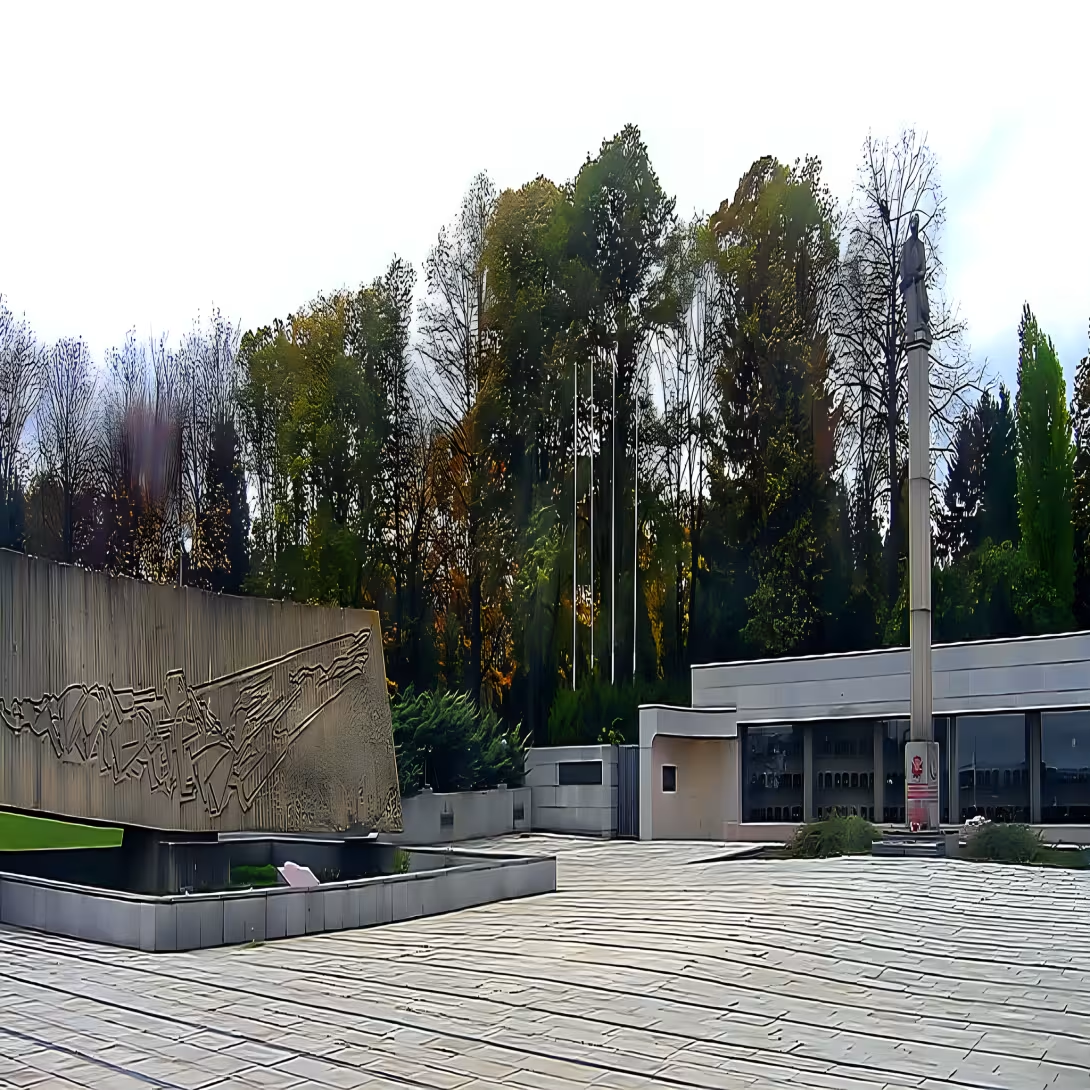
The Čestné pohřebiště na Ústředním hřbitově v Brně is a significant war memorial cemetery located in Štýřice, part of the Brno-střed district. Established shortly after World War II, it serves as the final resting place for members of the Red Army, Romanian allied forces, and participants in the domestic resistance during the conflict. The site features notable architectural elements such as a 39-meter-high skewed concrete pylon and two opposing monuments crafted from viewable concrete with reliefs by Miloš Axman. A central monolithic pillar adorned with a kneeling Red Army soldier statue by František Vladimír Foita stands prominently, symbolizing the sacrifices made during the war.
The cemetery was established in 1945-1946 as part of Ústřední hřbitov v Brně to honor those who fought against fascism during World War II. This period marked significant political and social changes in Czechoslovakia as the country transitioned from wartime to peacetime governance. The establishment of this memorial coincided with post-war reconstruction efforts across Europe, focusing on commemorating the contributions and sacrifices of soldiers and resistance fighters.
Architecturally, the cemetery features concrete structures designed by Miloš Axman. Notable elements include a 39-meter-high skewed concrete pylon and two opposing monuments made from viewable concrete adorned with reliefs. These architectural choices reflect the post-war era's emphasis on memorializing those who contributed to the war effort. The site underwent significant reconstruction between 1979 and 1980, which included the addition of military equipment and tanks that were later removed by the end of 1991.
The cemetery is recognized as a national cultural monument since 1989, highlighting its importance in Czech history. It serves not only as a burial ground but also as a site for commemorative events, such as those held on the anniversary of Brno's liberation (26th April) and during the first days of May each year.
One curiosity surrounding the cemetery is the presence of a controversial Stalin head among its reliefs, which remained unnoticed until 2026. This element has sparked discussions about historical memory and the representation of figures associated with significant political regimes. The site’s recognition as a national cultural monument underscores its importance in preserving Czech history and heritage.
Today, the Čestné pohřebiště na Ústředním hřbitově v Brně remains an accessible and poignant reminder of the past. Visitors can explore its architectural features and reflect on the historical significance of those interred there. The site is worth visiting for anyone interested in World War II history, Czechoslovakia's post-war period, or the artistic contributions of Miloš Axman and František Vladimír Foita.
The cemetery stands as a testament to the sacrifices made during one of history’s most tumultuous periods. It invites visitors to engage with its rich historical narrative and appreciate the artistry that commemorates those who fought for freedom.
Historical milestones
- 1945-1946
- Establishment as part of Ústřední hřbitov v Brně.
- 1979-1980
- Reconstruction that included the addition and later removal of military equipment.
Architectural development
The cemetery was initially constructed in the immediate post-war years of 1945-1946. It underwent significant reconstruction from 1979 to 1980, which included the addition of military equipment and tanks that were later removed by the end of 1991. The site features a distinctive architectural style with concrete structures designed by Miloš Axman.
Historical events
Established in 1945-1946 as part of Ústřední hřbitov v Brně for World War II veterans and resistance members.
Reconstructed between 1979 and 1980, enhancing its memorial features.
Points of interest
- The Čestné pohřebiště features a controversial Stalin head among its reliefs, which remained unnoticed until 2026. This element has sparked discussions about historical memory and the representation of figures associated with significant political regimes.
- Despite being established shortly after World War II, the cemetery underwent significant reconstruction between 1979 and 1980. During this period, military equipment and tanks were added to the site but were later removed by the end of 1991, reflecting changing attitudes towards war memorials in post-Cold War Europe.
- The central monolithic pillar adorned with a kneeling Red Army soldier statue by František Vladimír Foita is not only an artistic tribute but also symbolizes the broader theme of sacrifice and resilience during wartime. This particular sculpture invites reflection on individual stories within the larger narrative of war.
- Architect Miloš Axman's design choices for the Čestné pohřebiště, including the 39-meter-high skewed concrete pylon and viewable concrete monuments with reliefs, reflect post-war architectural trends that emphasized functionality and symbolism in memorial spaces. These elements were intended to convey both mourning and remembrance.
- The cemetery's recognition as a national cultural monument since 1989 highlights its importance beyond being just a burial site; it serves as a focal point for commemorative events such as Brno's liberation anniversary on April 26th, reinforcing the community's connection to their historical past.
Guide
This guide is narrated by a synthetic voice generated by artificial intelligence.
Show guide text
This text was created by artificial intelligence and has not been editorially reviewed. It may contain inaccuracies.
Welcome to the Čestné pohřebiště na Ústředním hřbitově v Brně, a place of profound historical significance nestled in Štýřice within the Jihomoravský kraj. As you stand here on this solemn site, take a moment to absorb the quiet dignity that surrounds you. The air carries whispers of history and stories untold, inviting you to explore deeper.
This cemetery was established shortly after World War II, between 1945 and 1946, as part of the larger Ústřední hřbitov v Brně. It serves not only as a resting place but also as a poignant reminder of the sacrifices made during those tumultuous times. Here lie members of the Red Army, Romanian allied forces, and brave souls who participated in the domestic resistance against oppression.
As you look around, notice the architectural elements that define this space. The cemetery features reliefs with significant historical connotations, including a controversial Stalin head among them. This particular element remained unnoticed until 2026 and has since sparked discussions about how we remember and represent figures associated with impactful political regimes.
The site underwent reconstruction between 1979 and 1980, during which military equipment was added and later removed, reflecting the evolving narrative of this place over time. Designed by Miloš Axman, the architecture here is both a tribute to those who rest here and a testament to the era's complex history.
While specific historical figures associated with the cemetery remain unknown, the collective memory of all those commemorated here speaks volumes. Their stories are interwoven into the very fabric of this place, urging us to remember the past while contemplating its implications for our future.
Now, let your curiosity lead you as you explore further. Notice how each element—the reliefs, the layout—tells a part of a larger story about resilience and remembrance. This site is not just a cemetery; it's a living monument that continues to engage with history in meaningful ways.
As we conclude this journey through the Čestné pohřebiště, I invite you to linger a little longer, if you wish, to reflect on what you've seen and learned. This place holds many stories waiting to be discovered, each one adding depth to our understanding of history's intricate tapestry.
Thank you for joining me today. May your visit here inspire continued exploration and reflection as you move forward.
Tips for visitors
The best time to visit the Čestné pohřebiště na Ústředním hřbitově v Brně is during late spring or early autumn, when the weather is mild and pleasant. These seasons offer comfortable temperatures for walking around the cemetery and appreciating its serene atmosphere without the discomfort of summer heat or winter cold. Additionally, visiting during weekdays can provide a quieter experience compared to weekends.
It's advisable to check current routes and schedules online or through a local transit app before your visit to ensure smooth travel.
When visiting, it’s recommended to bring comfortable walking shoes as you may need to walk on uneven surfaces within the cemetery grounds. A hat and sunscreen are also advisable if you plan to spend time outdoors during sunny days. Additionally, carrying water is wise to stay hydrated, especially in warmer weather.
For photography enthusiasts, early morning or late afternoon light provides the best conditions for capturing the historic gravestones and memorial structures with softer shadows and golden hues. The central areas of the cemetery often offer picturesque views that highlight its historical significance. Always be respectful when taking photos, ensuring you do not disturb any visitors or ceremonies.
Nearby attractions within a 30-minute walk include other historical sites in Brno-střed, offering cultural insights into the city's past. Exploring these can complement your visit to the cemetery by providing context and additional points of interest. For families with children, consider planning breaks at nearby cafes or parks to keep young visitors engaged throughout the day.
Frequently asked questions
Can the monument be visited?
Cemeteries and graves are usually accessible; please respect the dignity of the place. We have not verified the opening hours of this cemetery.
Where is the monument?
Location: Vídeňská, Štýřice, Brno, Jihomoravský kraj. The map on this page shows the exact spot.
Why is the monument protected?
It is listed in the Central List of Cultural Monuments of the Czech Republic as a national cultural monument (register no. 169).
Businesses nearby
Do you run a restaurant, accommodation, shop, museum, rental, wellness or other visitor service near this monument? Show yourself directly to the people heading to it — this is how they will see you in the app and on the web:
Events nearby


Zdroj akcí: otevřená data měst a obcí ČR (Národní katalog otevřených dat) a kalendář akcí Národního památkového ústavu.
Nearby
Located on Jihlavská Street in Štýřice, the cemetery is part of Brno-střed and features surrounding urban landscapes. It stands near other historical sites within the city.
Accommodation nearby
Trips and activities nearby
Guided tours, tickets and activities nearby from GetYourGuide
Affiliate link: if you buy from the partner, we may receive a commission. The price for you does not change.
Search tours and activities →Themed route
Thematic Walking Tour: Central Cemetery in Brno
1. Čestné pohřebiště na Ústředním hřbitově v Brně (Central Honorary Cemetery) - Type: Historical Cemetery - Why Visit: This cemetery is a significant historical site, serving as the final resting place for many notable figures from Moravia. Its serene atmosphere and beautifully maintained grounds offer visitors a chance to reflect on history while enjoying the peaceful surroundings.
2. Jihlavská Street - Type: Urban Landscape - Why Visit: As you explore the area around the cemetery, Jihlavská Street provides an urban backdrop that connects the historical site with modern Brno. The street is lined with architecture that reflects the city's development over time and offers a glimpse into everyday life in this part of Brno.
3. Štýřice Neighborhood - Type: Residential Area - Why Visit: Strolling through Štýřice gives you an intimate look at local life just outside the city center. The neighborhood's charm lies in its blend of residential tranquility and proximity to historical sites, making it a perfect place for those interested in experiencing Brno beyond its tourist attractions.
This tour offers a compact yet enriching experience, focusing on history, culture, and urban exploration within the vicinity of the Central Cemetery in Brně.
Seasonal recommendations
Jaro: During the spring season, Čestné pohřebiště on Ústřední hřbitov in Brno takes on a special atmosphere as flowering shrubs and trees begin to bloom, providing beautiful backdrops for views of historical gravestones. The gentle sunlight illuminates the cemetery with soft glimmers, giving vitality and depth to the monuments. Visitors are advised to wear clothing suitable for mild weather, as temperatures can be variable. Spring is also often a time of smaller crowds, meaning visitors can enjoy more relaxed and intimate tours. The best time to visit is usually in the afternoon when the spring sun spreads its warmth.
Léto: In summer, the cemetery comes alive with long days and warm sunlight that highlights every detail on the gravestones. Green shrubs and trees are at their peak, enhancing the charm of this place. Since summer is the busiest time for visitors, it's recommended to visit early in the morning or later in the evening to avoid crowds. Wearing light clothing and considering a sun hat is key to comfort during your walk. Additionally, bringing water can help manage the warm weather.
Podzim: In autumn, the cemetery takes on an atmosphere of melancholic reflection on the past. The changing fall leaves display vibrant colors that create a beautiful and contemplative landscape around the gravestones. Sunny days are still frequent, but temperatures drop, so visitors should dress in layers. Despite smaller crowds during this season, it's wise to choose a visit time to enjoy the late afternoon sunlight, which particularly illuminates the monument and its surroundings.
Zima: The winter season brings a calm and quiet atmosphere to the cemetery. Cold air can be strong at times, so it is important to dress warmly, including wearing woolen hats and weatherproof clothing. Shorter daylight hours mean brief visits, but the crisp air often creates a gentle ambiance that highlights the historical significance of the monument. In this season, crowd concerns are minimal, allowing for peaceful tours. The best time to visit is during daylight when the sun is still high enough to illuminate the landscape.
Visualizations and artistic views


The visualisations are generated by artificial intelligence and serve as inspiration.
Photos from the area
Real photos taken near the monument


Zdroj a licence jsou uvedeny u každého snímku.
Tips from visitors
No tips yet. Be the first!
Log in and add your tip.
Sources and literature
Photos: Brno,_Central_cemetery.jpg: Czech Wikipedia user Packa derivative work: Bazi (talk) / CC BY-SA 2.5, rozlišení zvýšeno umělou inteligencí — Wikimedia Commons. The author and licence also appear when you hover over the image.
Faktickým podkladem tohoto textu byl článek na Wikipedii, jehož autory jsou přispěvatelé Wikipedie. Článek je dostupný pod licencí CC BY-SA 4.0.
Location on the map


Příběhy a pověsti
Legendy, pověsti a příběhy spjaté s touto památkou
Fotografie návštěvníků
Zatím žádné fotografie. Buďte první, kdo přidá fotografii z návštěvy!
Log in a přidejte svou fotografii nebo hodnoťte.
Za ověřenou návštěvu v aplikaci získáte víc bodů — poznáme podle GPS, že jste na místě.
Reviews and comments