






Kamenná kolonie Emergency colony
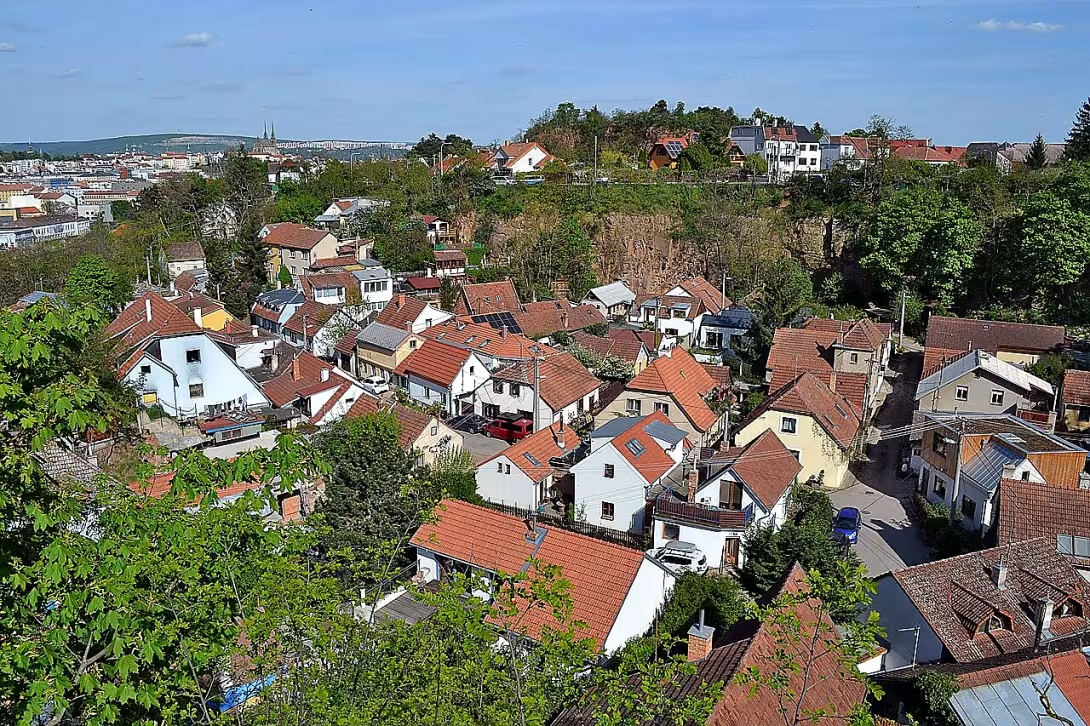
Kamenná Kolonie, often called 'Kamenka,' is a distinctive historical settlement located in Brno's Štýřice district. Established in 1925 within an abandoned sandstone quarry on Červený kopec's northern slope, this unique community was originally built as emergency housing for impoverished laborers working at nearby brickworks. Today, Kamenná Kolonie is notable not only for its historical significance but also for its cultural heritage, with a collection of house facades protected as a cultural monument.
The origins of Kamenná Kolonie trace back to the post-World War I era in Czechoslovakia, when rapid industrialization and urban migration led to significant housing shortages. In response, this settlement was created on the steep northern slope above the Svratka river. Initially serving as a refuge for poor laborers from Kohnově and Jílkově cihelně, it expanded rapidly during the Great Depression of the late 1920s to early 1930s, reaching over 100 houses by 1929. During the First Republic, Kamenná Kolonie even operated with its own self-governance, complete with a mayor and local festivities known as 'hody.'
Architecturally, Kamenná Kolonie is characterized by its spontaneous construction within an old sandstone quarry. The settlement comprises two main sections: a western (lower) part and an eastern part, both connected by a single winding road named Kamenná čtvrť. This area features numerous small houses tightly packed together, with narrow alleys weaving between them. Over time, these initial makeshift dwellings have evolved into a dense residential micro-neighborhood comprising approximately 130 homes.
Ownership of the land in Kamenná Kolonie has been complex and fraught with challenges for its residents. Originally under city and private ownership, inhabitants struggled to purchase the land beneath their homes until the early 21st century. This prolonged uncertainty over property rights was a significant issue for many residents, who felt that municipal valuation did not reflect the poor state of local infrastructure.
Throughout its history, Kamenná Kolonie has been home to various key events and cultural shifts. In the 1960s and 1970s, artists and Bohemians began moving into the area, infusing it with a unique bohemian atmosphere that persists today. Despite facing infrastructural challenges such as inadequate sewage systems and limited public transport access, the settlement has maintained its charm and historical significance.
Today, Kamenná Kolonie remains an intriguing destination for visitors interested in exploring Brno's diverse cultural landscape. While accessibility can be challenging due to its remote location and lack of nearby public transportation options, the area is reachable via a scenic route along the Svratka river cycle path. The settlement offers picturesque views over the river and surrounding landmarks such as Pisárky with the Brno Exhibition Centre and Masaryk Quarter.
Kamenná Kolonie's rich history and unique architectural character make it a worthwhile visit for those interested in Czech cultural heritage. Its blend of historical significance, artistic influence, and community resilience offers a fascinating glimpse into the past while inviting exploration today.
Then and now
Drag the slider to compare how the landmark may have looked when it was built with the view today.
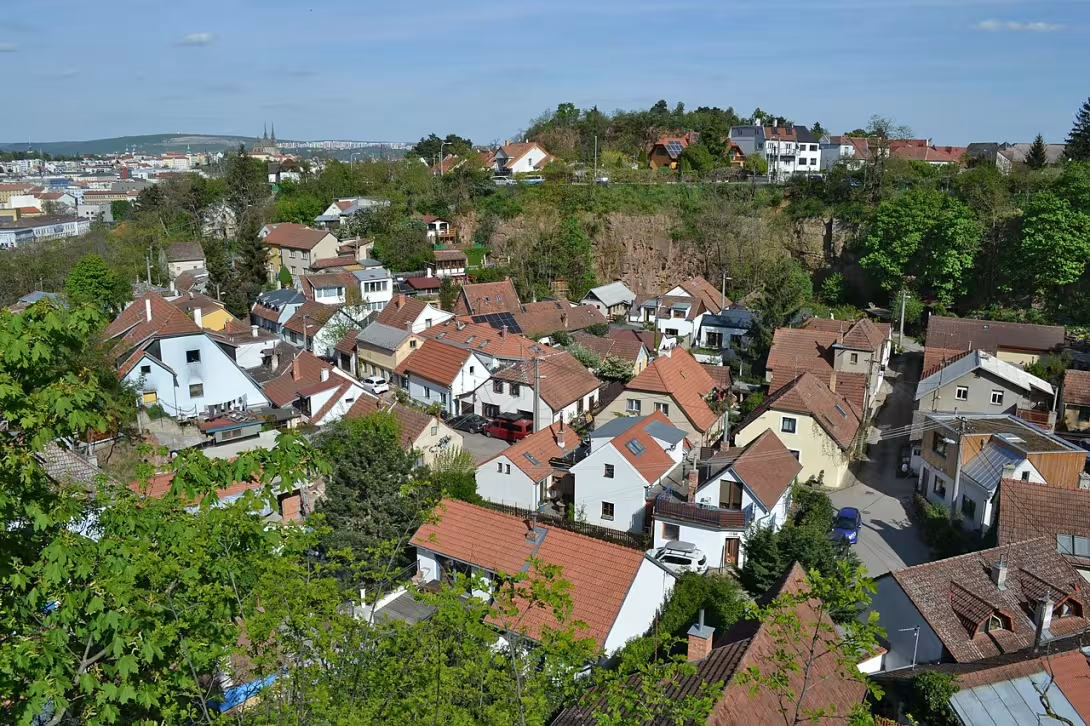
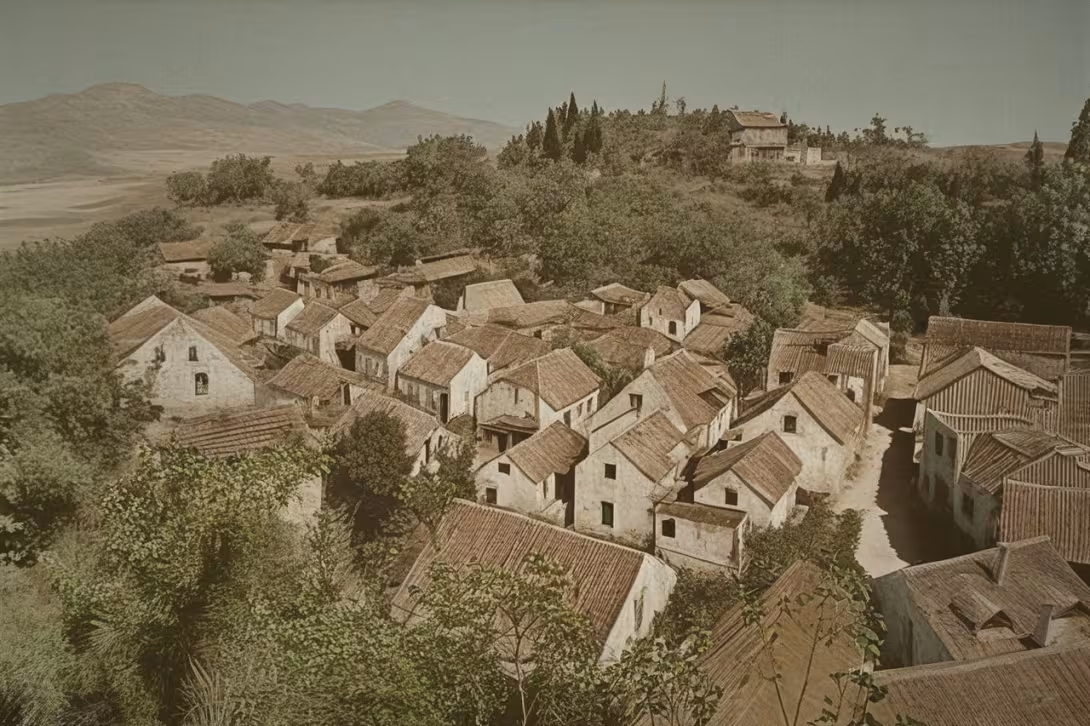
The historical appearance on the left is an AI-generated visualisation and serves as inspiration only.
Historical milestones
- 1925
- The settlement was established in an abandoned sandstone quarry in the northern slope of Červený kopec.
- 1929
- More than 100 houses already existed within the colony.
- 1960
- Artists and Bohemians began relocating to the area, transforming its cultural character during the 1960s and 1970s.
Architectural development
The settlement was spontaneously built in a former sandstone quarry, featuring dozens of small houses tightly pressed against each other. It includes a western (lower) and eastern part connected by a single winding road and a maze of narrow footpaths. Over the decades, the initial emergency shacks and small dwellings evolved into a dense residential micro-neighborhood comprising about 130 houses.
Historical events
1925: Foundation of the emergency colony in the abandoned sandstone quarry. 1929: Over 100 houses already existed in the settlement. 1960s-1970s: Artists and Bohemians began moving into the area, imparting a unique cultural atmosphere.
Owners
Originally city and private lands; residents struggled for decades without the ability to purchase the land underneath their homes until the early 21st century.
Points of interest
- Kamenná Kolonie, often called 'Kamenka,' was established in 1925 as emergency housing for impoverished laborers working at nearby brickworks. - The settlement is notable for its cultural heritage, with a collection of house facades protected as a cultural monument. - During the First Republic, Kamenná Kolonie operated with its own self-governance, complete with a mayor and local festivities known as 'hody.' - Ownership of the land in Kamenná Kolonie was complex, with residents struggling to purchase it until the early 21st century due to municipal valuation issues. - In the 1960s and 1970
Guide
Show guide text
This text was created by artificial intelligence and has not been editorially reviewed. It may contain inaccuracies.
Welcome to one of the most atmospheric and hidden corners of Brno. As you stand here in Štýřice, take a moment to simply breathe in the surroundings and look around you. You are currently standing at the entrance to Kamenná kolonie, a place that feels as though it exists in its own separate pocket of time, tucked away from the rush of the modern city. If you look toward the landscape, you will notice that you are on the northern slope of Červený kopec. The air here feels different, and the layout of the settlement before you is unlike anything else you will encounter in the city. You are looking at a place born out of necessity, a sanctuary for those who had very little, which has evolved into a cherished cultural landmark.
To understand why this place looks the way it does, we have to travel back to the year 1925. Imagine this slope not as a residential area, but as an abandoned sandstone quarry. It was a rugged, scarred piece of land, far from the polished streets of the city center. During this time, there was a desperate need for housing for the impoverished laborers who worked in the nearby brickworks. These were people who lived on the edge of survival, facing extreme poverty and instability. Because they had no other options, this emergency colony was established right here, in the hollow of the old quarry. It was not a planned urban development by an architect with a grand vision; rather, it was a grassroots response to a social crisis.
As you begin to look at the houses, notice how they are arranged. The settlement is defined by a single main street, and as you walk along it, you will see that the houses are tiny and interconnected. This wasn't just a matter of saving space; it was a reflection of the lives of the people who built them. These small dwellings were constructed quickly and simply, providing the bare minimum of shelter. However, as the years passed and the world entered the dark days of the Great Depression, the colony grew significantly. By 1929, only four years after its founding, more than one hundred houses had already sprung up within this quarry. The colony became a dense, tight-knit community of workers, all sharing the same hardships and the same narrow strip of land.
Now, I invite you to pay close attention to the facades of the buildings as you move forward. While the houses are humble in size, they possess a unique charm and a raw honesty. You might notice the way the structures seem to lean into one another, creating a sense of intimacy and shared existence. It is important to realize that these facades are not just old walls; they are officially protected as cultural monuments. They serve as a physical record of the working class of the early twentieth century, reminding us of a time when home was something you carved out of a stone quarry with your own hands. Take a moment to observe the textures and the simple lines of the architecture. There is a quiet dignity in these small homes that speaks volumes about the resilience of the people who first called this place home.
As the decades passed, the identity of Kamenná kolonie began to shift in a fascinating way. For many years, it remained a place for laborers, but by the 1960s and 1970s, a new wave of residents began to arrive. Artists, poets, and Bohemians were drawn to the area. They weren't looking for luxury; they were looking for authenticity, solitude, and a place where they could escape the rigid social structures of the era. These creative souls moved into the tiny houses, transforming the cultural character of the settlement. The colony shifted from being a place of industrial poverty to a sanctuary for the avant-garde. This blend of working-class history and artistic spirit is what gives the area its current, eclectic energy. When you look at the houses now, try to imagine the contrast: the sound of heavy boots and the dust of the brickworks from the 1920s, slowly giving way to the sound of painting brushes, music, and intellectual debate in the 1960s.
One of the most endearing things about this place is its nickname. While its official name is Kamenná kolonie, most people simply call it Kamenka. This name is a direct nod to the stone that defines the location. Everything here is rooted in the geology of Červený kopec. The very ground beneath your feet was once a source of sandstone, and that stone provided the foundation for the lives of generations of residents. There is something almost poetic about the fact that a place created for the most marginalized members of society has become one of the most protected and admired cultural sites in the region. It is a reminder that beauty and historical value can be found in the most unexpected and humble places.
As you continue your walk, I encourage you to let your curiosity lead you. Notice the way the street winds and the way the houses seem to whisper stories of the past. There are no grand monuments or towering spires here, but the entire settlement is a monument in itself. It is a living museum of social history, showing us how people adapt to their environment and how a community can redefine itself over time. Whether it was the laborer of 1925 fighting for a roof over his head or the artist of 1970 seeking a quiet studio, this place has always been a refuge for those who lived on the periphery.
Before I leave you to explore on your own, take one last look at the slope of Červený kopec surrounding you. Feel the stillness of the area and the sense of seclusion that still lingers here, despite being so close to the heart of Brno. Kamenka is a place that rewards the slow observer. I invite you to wander further down the main street, to admire the protected facades, and to imagine the lives that have unfolded within these small, interconnected walls.
Thank you for joining me for this introduction. Please, take your time, enjoy the unique atmosphere of the colony, and let the history of this sandstone sanctuary unfold around you. Enjoy your walk through Kamenná kolonie.
Tips for visitors
The best time to visit Kamenná kolonie is during late spring or early autumn when the weather is pleasant for walking, and the unique architecture of this former sandstone quarry stands out best in the softer seasonal light. Early mornings also offer a peaceful atmosphere before local residents start their day.
For transport, the settlement is accessible by car and public transport; current connections and timetables should be checked in advance using a local transit journey planner. Visitors arriving by car should look for parking options nearby, as the narrow historic lanes within the settlement itself are not designed for heavy vehicle traffic.
When exploring Kamenná kolonie, wear comfortable, sturdy walking shoes. The area features steep slopes, uneven terrain, and historic cobblestone paths winding through the former quarry on the northern slope of Červený kopec.
For photography, the best spots include the narrow, winding alleys flanked by picturesque, colorful small houses built right into the rock face. Late afternoon light casts beautiful shadows and highlights the charming, informal layout of this unique 1925 emergency settlement.
Within a 30-minute radius, visitors can explore nearby attractions mentioned in the area overview, such as the Svratka river cycle path connecting Štýřice and Pisárky, Červený kopec, Pisárky with the Brno Exhibition Centre, Masaryk Quarter, the Church of the Holy Wenceslas, or the Milosrdní bratři hospital on Vídeňská street.
Families with children can enjoy a pleasant walk along the nearby Svratka river cycle path or explore the natural surroundings of Červený kopec. However, parents should keep a close eye on smaller children due to the sloping terrain, stairs, and lack of traditional wide sidewalks in the narrow historic settlement.
Businesses nearby
Do you run a restaurant, accommodation, shop, museum, rental, wellness or other visitor service near this monument? Show yourself directly to the people heading to it — this is how they will see you in the app and on the web:
Events nearby


Zdroj akcí: otevřená data měst a obcí ČR (Národní katalog otevřených dat) a kalendář akcí Národního památkového ústavu.
Nearby
The settlement is situated above the Svratka river cycle path connecting Štýřice and Pisárky. Nearby features include Červený kopec, Pisárky with the Brno Exhibition Centre, Masaryk Quarter, and the Church of the Holy Wenceslas or the Milosrdní bratři hospital on Vídeňská street.
Accommodation nearby
Trips and activities nearby
Guided tours, tickets and activities nearby from GetYourGuide
Affiliate link: if you buy from the partner, we may receive a commission. The price for you does not change.
Search tours and activities →Themed route
1. Milosrdní bratři hospital - Type: Historical hospital architecture - Why it is worth visiting: Located on Vídeňská street, this historic hospital complex serves as a great starting point for your walk towards the river and the valley below.
2. Kamenná kolonie - Type: Unique picturesque settlement (Main destination) - Why it is worth visiting: This charming, picturesque neighborhood nestled in a steep ravine feels like an old village hidden right inside the city, offering a unique atmosphere and distinctive architecture.
3. Svratka river cycle path - Type: Riverside pathway - Why it is worth visiting: Situated right below the settlement, this scenic cycle path connects Štýřice and Pisárky, making it an ideal route for a pleasant walk along the water.
4. Pisárky - Type: Urban district and exhibition area - Why it is worth visiting: Following the path leads you to Pisárky, where you can view the famous Brno Exhibition Centre and take in the surroundings of the local area.
5. Červený kopec - Type: Natural and geological landmark - Why it is worth visiting: This nearby prominent hill offers interesting terrain features and completes your exploration of the landscape surrounding the river and the city quarters.
Seasonal recommendations
Spring: Visiting Kamenná kolonie (ostatní) in Štýřice during spring offers a unique experience as the landscape awakens with vibrant colors and fresh blooms. The natural light is soft and warm, creating an inviting atmosphere that enhances the historical charm of the site. Spring showers can bring out lush greenery, adding to the picturesque scenery. Visitors should be prepared for unpredictable weather by wearing layers; a waterproof jacket might also be useful. Early morning visits are recommended to enjoy the tranquility before larger crowds arrive as the season progresses.
Summer: Summer at Kamenná kolonie (ostatní) in Štýřice is characterized by long, sunny days and an abundance of natural beauty. The warm weather makes it ideal for exploring the site comfortably, with plenty of daylight to appreciate its historical details. However, this is also peak tourist season, so arriving early can help avoid crowds. Light, breathable clothing is advisable, along with sun protection like hats or sunscreen. This is a great time to enjoy outdoor activities and soak in the vibrant atmosphere that summer brings.
Autumn: Autumn offers a magical visit to Kamenná kolonie (ostatní) in Štýřice, as the foliage transforms into rich hues of red, orange, and gold. The cooler temperatures provide a comfortable environment for walking around and admiring the historical architecture without the summer heat. While there may be fewer visitors compared to summer, it's still wise to check opening hours as they might adjust with shorter days. Wearing layers is recommended to adapt to fluctuating temperatures throughout the day.
Winter: Visiting Kamenná kolonie (ostatní) in Štýřice during winter can provide a serene and enchanting experience, especially if snow blankets the landscape. The site takes on a quiet beauty under a blanket of white, with softer lighting conditions due to shorter days. It's important for visitors to dress warmly, as temperatures can drop significantly, and some paths might be icy or less accessible. Opening hours may be reduced during this season, so checking in advance is advisable. Despite the chill, winter offers a peaceful time to explore without the summer crowds.
Visualizations and artistic views


The visualisations are generated by artificial intelligence and serve as inspiration.
Photos from the area
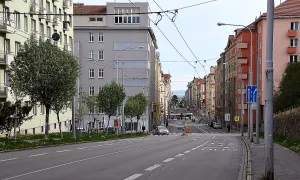
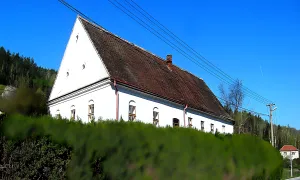
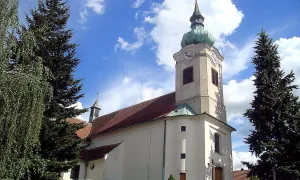
Real photos taken near the monument


Zdroj a licence jsou uvedeny u každého snímku.
Tips from visitors
No tips yet. Be the first!
Log in and add your tip.
Sources and literature
Fotografie: RomanM82 / CC BY-SA 4.0 — Wikimedia Commons. The author and licence also appear when you hover over the image.
Faktickým podkladem tohoto textu byl článek na Wikipedii, jehož autory jsou přispěvatelé Wikipedie. Článek je dostupný pod licencí CC BY-SA 4.0.
Location on the map


Příběhy a pověsti
Legendy, pověsti a příběhy spjaté s touto památkou
Fotografie návštěvníků
Zatím žádné fotografie. Buďte první, kdo přidá fotografii z návštěvy!
Přihlaste se a přidejte svou fotografii nebo hodnoťte.
Za ověřenou návštěvu v aplikaci získáte víc bodů — poznáme podle GPS, že jste na místě.
Reviews and comments