






Choustník Ruin
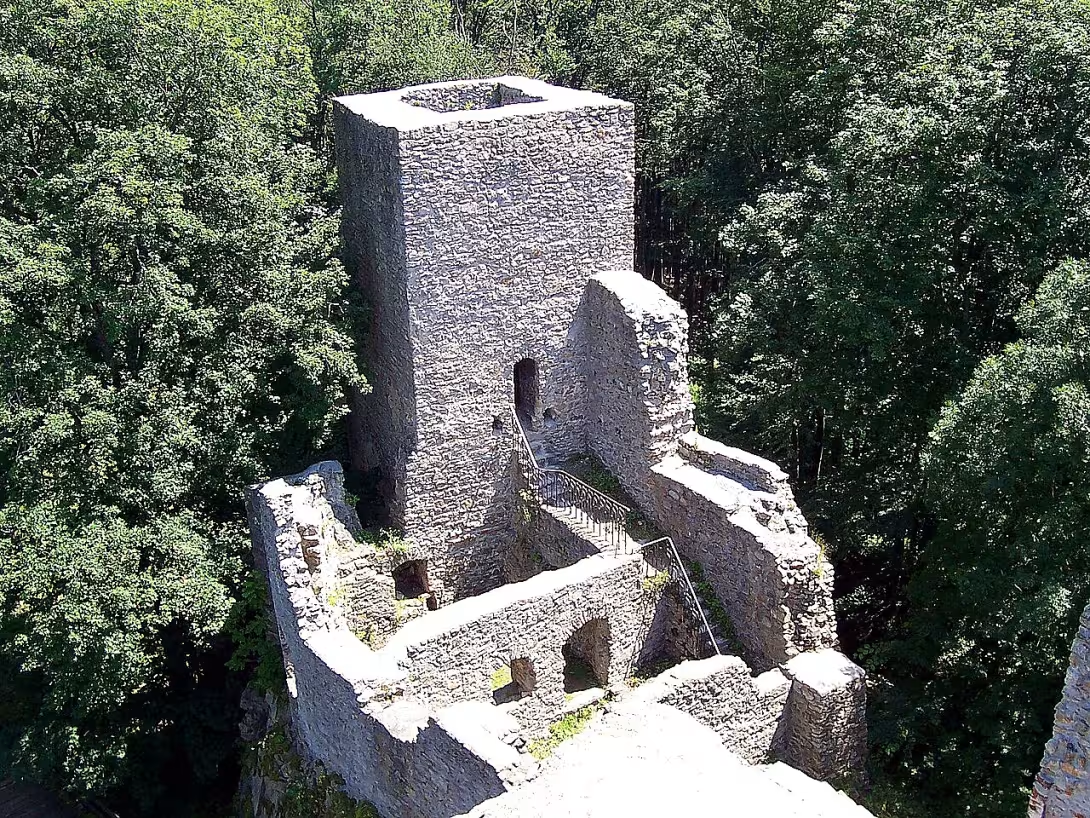
Choustník is an intriguing historical monument located in Choustník municipality within Tábor District, South Bohemian Region of the Czech Republic. This site exemplifies a ganerbenburg—a castle with multiple cores owned by different lords—providing visitors with insights into medieval architecture and panoramic views from its tower. Situated on a prominent hill within the Choustník Nature Reserve, it attracts those interested in both history and nature.
The origins of Choustník trace back to 1262 when Beneš z Choustníka founded it. During this period, Bohemia was part of the Holy Roman Empire under King Ottokar II and later Wenceslaus II, experiencing significant political changes that shaped its history. The castle's strategic location and unique structure were crucial in regional governance and conflicts.
Architecturally, Choustník began as a fortified core with a donjon divided into two parts by Beneš z Choustníka and his brother Jan z Choustníka. Under Oldřich II. z Rožmberka's ownership, fortifications were enhanced to counter advancements in artillery, reflecting evolving military needs. The castle featured a palatial structure expanded with a chapel-like room, showcasing its blend of defensive and residential functions.
Ownership changed hands several times throughout history. After Beneš z Choustníka founded it, Petr I. z Rožmberka acquired it in 1322. The Rožmberk family maintained ownership until 1596 when Jiřík Homut z Harasova took over. Heřman Václav Černín followed in 1674, succeeded by Karel Josef Voračický z Paběnic's family until 1838. The final known owner was Raol Benjamin Rohan, who held the property until 1948.
Choustník played a significant role during the Hussite Wars as a prison for Hussite priests, highlighting its strategic importance in regional conflicts. It was also central to the Poděbradské wars under Jan II. z Rožmberka around 1467. These events underscored the castle's influence and the pivotal roles of various noble families in shaping its history.
Today, Choustník is sensitively restored and open to the public, allowing visitors to explore its historical significance while enjoying the natural beauty of the surrounding Choustník Nature Reserve. The site offers hiking opportunities and panoramic views from its tower, making it a worthwhile visit for those interested in both history and nature. Nearby Tábor provides additional context with its own rich heritage, enhancing the overall experience.
Choustník's unique status as a ganerbenburg and its historical significance during pivotal regional conflicts make it an invaluable monument worth visiting. Its restoration allows visitors to appreciate the architectural evolution of medieval fortifications while enjoying the scenic landscapes of South Bohemia. This site invites history enthusiasts and nature lovers alike to explore its rich past and stunning views, offering a memorable journey through time.
Then and now
Drag the slider to compare how the landmark may have looked when it was built with the view today.
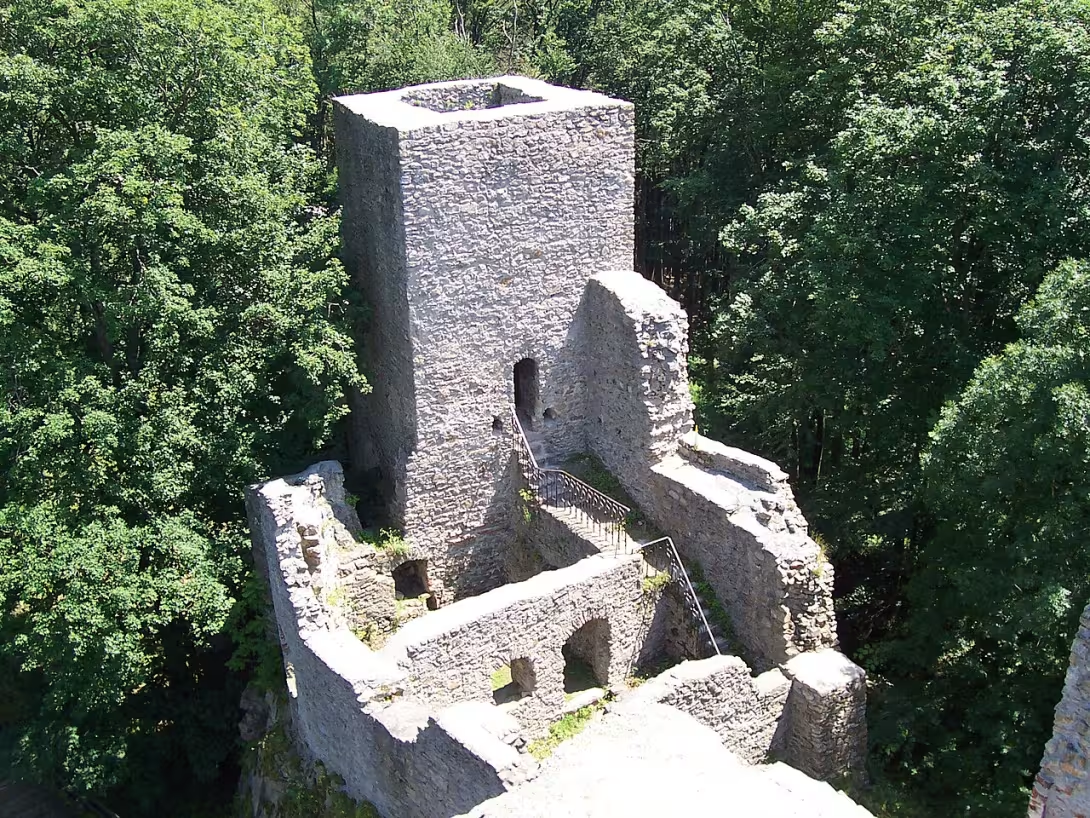
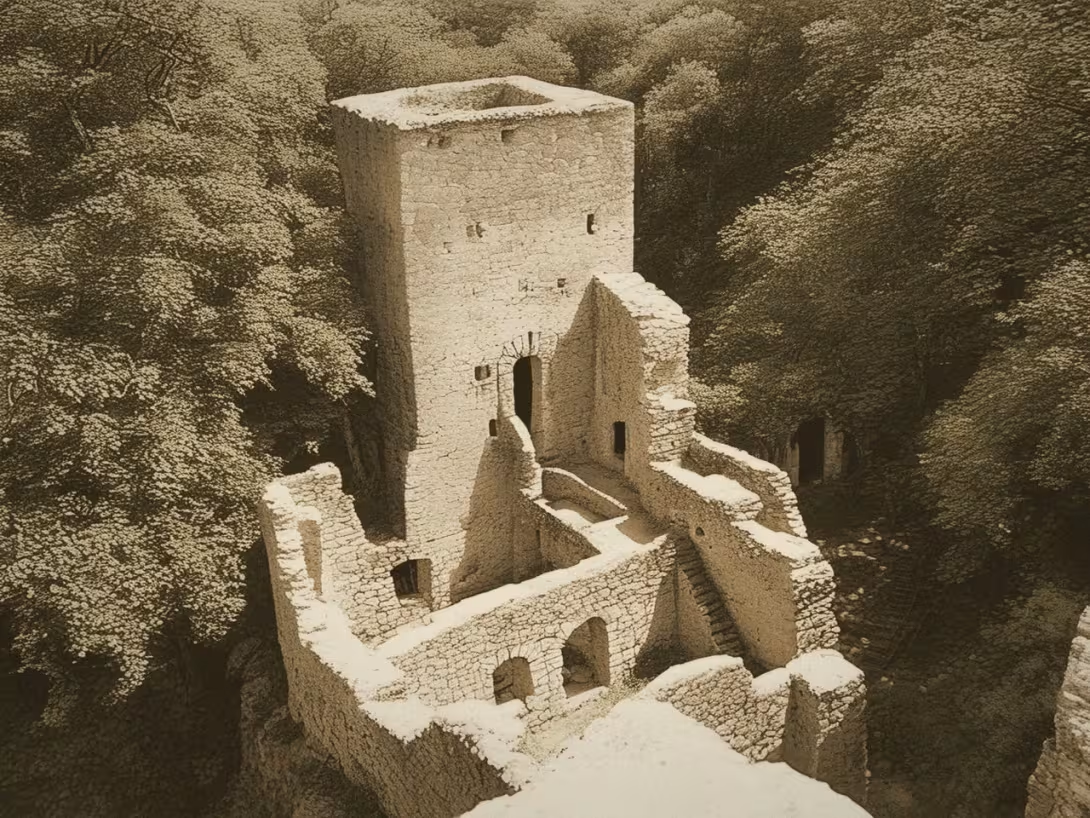
The historical appearance on the left is an AI-generated visualisation and serves as inspiration only.
Historical milestones
- 1262
- Hrad founded by Beneš z Choustníka.
- 1322
- Exchanged ownership to Petr I. z Rožmberka.
- 1420
- Increased significance after the destruction of Hrad Příběnice.
- 1467
- Centrally involved in Poděbradské wars under Jan II. z Rožmberka.
Architectural development
Initially built with a fortified core and donjon, Choustník was divided into two parts by Beneš and Jan z Choustníka. Under Oldřich II. z Rožmberka, the fortifications were enhanced to counter advancements in artillery. The castle featured a palatial structure expanded with a chapel-like room.
Historical events
Founded by Beneš z Choustníka post-1262.
Served as a prison for Hussite priests during the Hussite Wars.
Strategic role in Poděbradské wars under Jan II. z Rožmberka around 1467.
Owners
Beneš z Choustníka (post-1262)
Páni z Choustníka exchanged with Petr I. z Rožmberka in 1322
Rožmberk family until 1596
Jiřík Homut z Harasova from 1596
Heřman Václav Černín acquired in 1674
Karel Josef Voračický z Paběnic's family until 1838
Raol Benjamin Rohan (until 1948)
Points of interest
- Choustník is one of the few remaining ganerbenburgs in Europe, a unique type of castle with multiple cores owned by different lords, reflecting complex feudal relationships and shared governance.
- Beneš z Choustníka, who founded Choustník in 1262, was part of a noble family that played significant roles in Bohemian politics during the reigns of King Ottokar II and Wenceslaus II, indicating their influence in shaping regional history.
- During the Hussite Wars, Choustník served as a prison for captured Hussite priests, highlighting its strategic importance and involvement in religious conflicts that were pivotal to Czech history.
- The castle's architecture evolved significantly under Oldřich II. z Rožmberka, who enhanced its fortifications to counter advancements in artillery, showcasing the adaptation of medieval structures to changing military technologies.
- After 1838, Choustník remained largely abandoned until it was acquired by Raol Benjamin Rohan in 1948, marking a significant period of neglect before efforts for restoration began, preserving its historical and architectural legacy.
Guide
This guide is narrated by a synthetic voice generated by artificial intelligence.
Show guide text
This text was created by artificial intelligence and has not been editorially reviewed. It may contain inaccuracies.
Welcome to the historic site of Choustník, a remarkable example of a ganerbenburg nestled within the serene expanse of the Choustník Nature Reserve in Jihočeský kraj. As you stand here, imagine yourself on this dominant hill, surrounded by lush greenery and expansive views that stretch as far as the eye can see. The sight before you is one of both beauty and mystery—a castle with multiple cores, each once owned by different lords, speaking volumes about a time when feudal relationships were complex and shared governance was the norm.
Let's delve into its origins. Choustník was founded in 1262 by Beneš z Choustníka, a nobleman whose vision laid down the stones of what would become an important fortress. Over the years, this site evolved significantly, especially after 1322 when it exchanged hands to Petr I. z Rožmberka. Its importance surged following the destruction of Hrad Příběnice in 1420 and during the Poděbradské wars under Jan II. z Rožmberka in 1467.
As you explore, take a moment to appreciate the architecture that has withstood the test of time. While specific details crafted by architects are lost to history, the structure itself tells a story. Notice how the remnants of its walls and towers rise above you, offering panoramic views from what remains of its once majestic tower. The site's careful restoration allows us to step back in time and envision the bustling life that once filled these spaces.
Choustník is intertwined with numerous historical figures who shaped not only its destiny but also the broader history of the region. Beneš z Choustníka, the founder, was part of a noble lineage that left an indelible mark on this land. Over the centuries, many others, including Jan II. z Rožmberka and Petr Vok z Rožmberka, played pivotal roles in its history. Each lord brought their own influence to Choustník, contributing to its layered past.
One of the most intriguing aspects of Choustník is its status as one of Europe's few remaining ganerbenburgs—a rare architectural and historical phenomenon. This unique type of castle reflects a time when ownership was divided among lords, each with their own core within the fortress. It's fascinating to think about how these lords coexisted and collaborated in such a shared space.
As we conclude our journey here at Choustník, I invite you to linger a moment longer, soaking in the atmosphere of this historic site. Let your imagination wander through its storied past, from its strategic significance during the Hussite Wars as a prison for Hussite priests to its role in regional conflicts and governance.
Thank you for joining me on this exploration of Choustník. I hope it has sparked your curiosity and inspired you to delve deeper into its rich history. As you continue your journey through this beautiful region, may each step bring new discoveries and insights. Safe travels!
Tips for visitors
The best time to visit Choustník is during late spring or early autumn when the weather is pleasant, and the natural surroundings are particularly vibrant. Additionally, visiting outside of peak summer months helps avoid larger crowds, allowing a more serene experience while enjoying panoramic views from the site.
For the most current travel routes and schedules, checking a transportation search engine in advance is recommended.
When planning your visit, consider bringing comfortable walking shoes for exploring the ruins and hiking trails. A hat, sunscreen, and water are essential due to exposure to the sun on open hilltops. Additionally, carrying a camera or smartphone with a good zoom lens will enhance capturing the stunning views and historical details of the site.
For photography enthusiasts, early morning or late afternoon provides the best light for capturing the ruins against dramatic skies. The elevated position of Choustník offers excellent vantage points for panoramic shots that include both the castle remnants and the surrounding landscape. Exploring different angles around the hill can reveal unique perspectives and compositions.
Nearby Tábor, about 30 minutes away, is a must-see destination offering its own historical attractions such as the Tabor Castle and the Church of St. Catherine. The town provides additional context to the region's history and culture. For families with children, both Choustník and Tábor offer engaging outdoor activities and educational experiences that can make for an enjoyable day out.
Frequently asked questions
Can the monument be visited?
This is a ruin. Such sites are often freely accessible, but some can only be visited with a guide or are closed for safety reasons. We have not verified the current situation – take care and respect any restrictions.
Where is the monument?
Location: Choustník, Jihočeský kraj. The map on this page shows the exact spot.
Why is the monument protected?
It is listed in the Central List of Cultural Monuments of the Czech Republic as a cultural monument (register no. 28387/3-4840).
Businesses nearby
Do you run a restaurant, accommodation, shop, museum, rental, wellness or other visitor service near this monument? Show yourself directly to the people heading to it — this is how they will see you in the app and on the web:
Nearby
Located within the Choustník Nature Reserve, the site offers natural beauty and hiking opportunities. Nearby Tábor provides additional historical context with its own rich heritage.
Accommodation nearby
Themed route
Choustník Výletní Trasa
1. Choustník (zřícenina)
Typ: Historická zřícenina
Proč stojí za návštěvu: Choustník je pozůstatky hradu postaveného v 13. století, který nabízí pohledy na okolní krajinu a fascinující historické připomínky. Tato zřícenina sloužila jako strategická pevnost a dnes je oblíbeným cílem pro milovníky historie a fotografií.
2. Choustník Nature Reserve
Typ: Přírodní rezervace
Proč stojí za návštěvu: Tato rezervace nabízí krásné přírodní krajiny a vynikající možnosti pro lyžařství a jarní pochody. Je to ideální místo pro těch, kteří chtějí užít si klidnou chvíli ve společnosti přírody nebo se ponořit do divoké flóry a fauny regionu.
3. Tábor
Typ: Město s historickým významem
Proč stojí za návštěvu: Tábor, nacházející se asi 15 km od Choustníku, je známé svou bohatou historií a kulturním dědictvím. Město nabízí zajímavé historické památky a architektonické skvosty, které poskytují hlubší vhled do minulosti regionu.
4. Choustník Nature Reserve Trails
Typ: Horské stezky
Proč stojí za návštěvu: Stezky v Choustníku Nature Reserve nabízejí různorodé možnosti pro prozkoumání přírody, od lehkých po více vyčerpávající trasy. Jsou ideální pro milovníky přírody a sportovců hledajících pohyb v krásném venkovském prostředí.
Tato trasa nabízí kombinaci historických zážitků a přírodních krás, což ji činí ideální pro celodenní výlet.
Seasonal recommendations
Spring: Visiting Choustník during spring offers a unique opportunity to witness the rebirth of nature as wildflowers begin to bloom around the ruins, creating a vibrant tapestry that contrasts beautifully with the ancient stones. The soft light of early spring mornings casts long shadows across the landscape, adding an ethereal quality to the experience. It's advisable to wear layers, as temperatures can be unpredictable during this transitional season. Early morning visits are recommended not only for cooler temperatures but also to avoid larger crowds, allowing for a more intimate exploration of the site.
Summer: The summer months at Choustník bring long days and warm evenings, ideal for enjoying the ruins in comfortable daylight or under the starlit sky. This is when the surrounding nature is most lush, with greenery enveloping the ancient stones, offering a picturesque setting that's perfect for photography enthusiasts. However, this season also attracts more visitors, so arriving early can help avoid the peak crowds. Comfortable walking shoes and light clothing are recommended to navigate the terrain comfortably.
Autumn: Autumn transforms Choustník into a palette of warm colors, with leaves turning shades of gold, orange, and red around the ruins. The cooler temperatures make for pleasant exploration, and the softer light enhances the textures of the ancient stones, creating stunning visual contrasts. This season is particularly magical in the late afternoon when the setting sun casts golden hues across the landscape. Visitors should wear layers to adjust to changing temperatures throughout the day.
Winter: Winter offers a serene and quiet atmosphere at Choustník, with snow occasionally blanketing the ruins, providing a stark yet beautiful contrast against the ancient stones. The shorter days mean that visits need to be planned around the available daylight hours, often making early morning visits ideal for capturing the site in its winter stillness before it closes. Visitors should dress warmly and wear sturdy footwear suitable for potentially slippery conditions. Despite the cold, the unique atmosphere of Choustník during winter makes it a worthwhile visit for those seeking solitude among history.
Visualizations and artistic views


The visualisations are generated by artificial intelligence and serve as inspiration.
Photos from the area
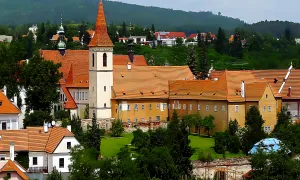
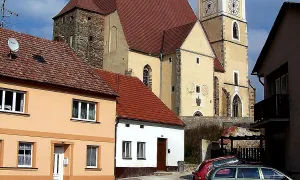
Real photos taken near the monument


Zdroj a licence jsou uvedeny u každého snímku.
Atmosphere of the place
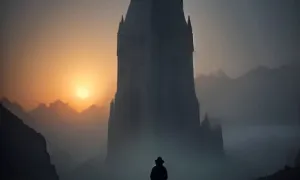
This atmospheric visualisation of the place and period was generated by artificial intelligence. It is not real footage of the location.
Tips from visitors
No tips yet. Be the first!
Log in and add your tip.
Sources and literature
Photos: User:Bilboq (self) / Public domain — Wikimedia Commons. The author and licence also appear when you hover over the image.
Faktickým podkladem tohoto textu byl článek na Wikipedii, jehož autory jsou přispěvatelé Wikipedie. Článek je dostupný pod licencí CC BY-SA 4.0.
Location on the map

Příběhy a pověsti
Legendy, pověsti a příběhy spjaté s touto památkou
Fotografie návštěvníků
Zatím žádné fotografie. Buďte první, kdo přidá fotografii z návštěvy!
Log in a přidejte svou fotografii nebo hodnoťte.
Za ověřenou návštěvu v aplikaci získáte víc bodů — poznáme podle GPS, že jste na místě.
Reviews and comments