






Chrám Zesnutí přesvaté Bohorodice na Olšanských hřbitovech Church
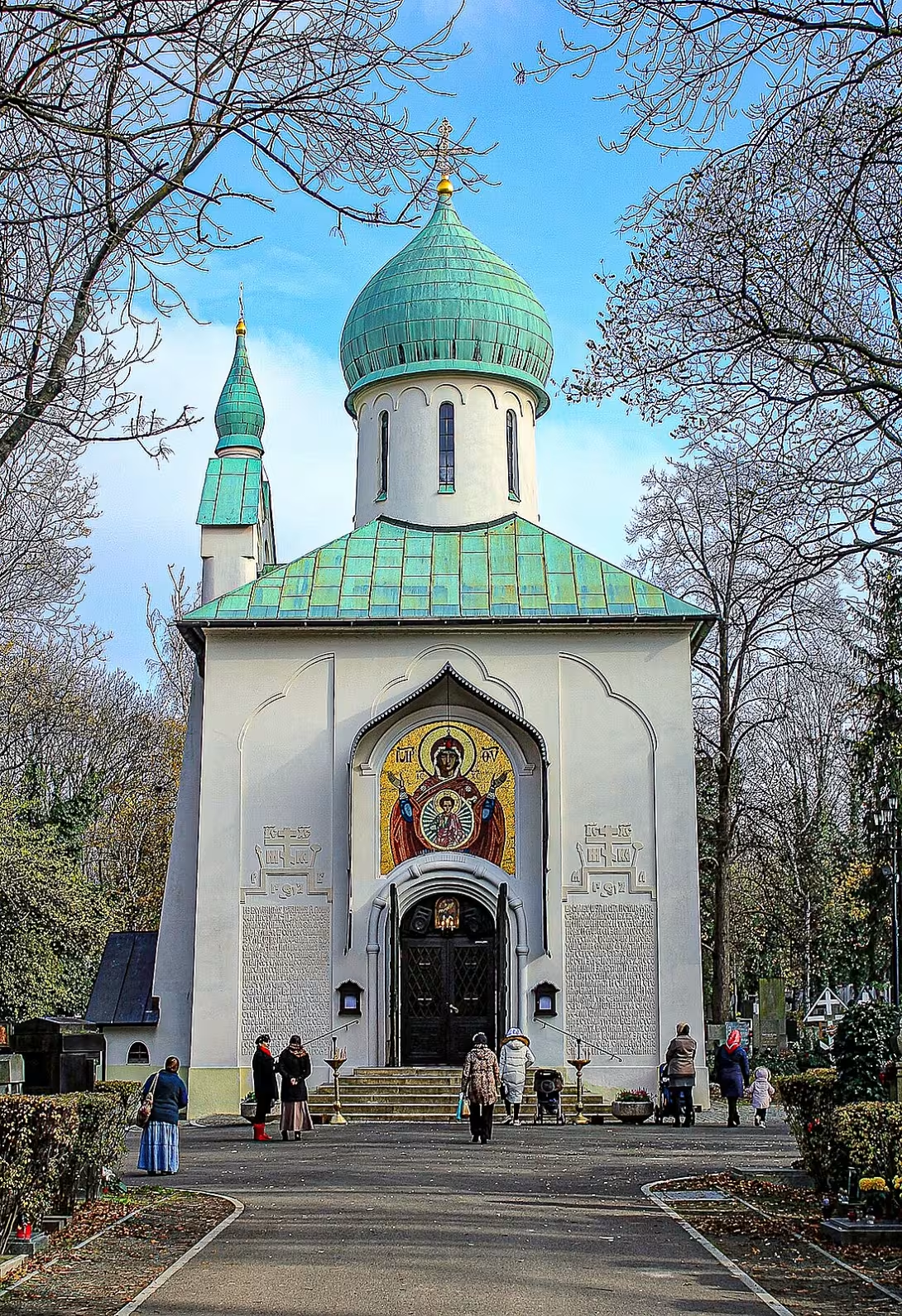
The Church of the Dormition of the Most Holy Theotokos on Olšany Cemetery is an important Orthodox church located in Prague-Žižkov. Constructed between 1924 and 1925, this architectural masterpiece serves as a spiritual hub for the local Orthodox community and reflects early 20th-century cultural exchanges after World War I. Designed by Prof. Vladimír Brandt, inspired by Russian architecture from Novgorod and Pskov, it stands prominently on an Orthodox cemetery, underscoring its religious importance.
The church's origins date back to the early 1900s when protojerej Nikolaj Nikolajevič Ryžkov acquired land at Olšany Cemetery for Orthodox burials. The project gained momentum in 1921 due to a rise in Russian emigrants following the Russian Revolution and Civil War, increasing demand for an Orthodox place of worship. Support came from figures like Czechoslovak Prime Minister Karel Kramář and his wife Naděžda Nikolajevna, with financial backing from the local Russian community, Serbian contributions, and anonymous donors such as Antonín Švehla. The foundation stone was laid on September 11, 1924, by Bishop Sergij.
Architecturally, the church is a square structure measuring approximately 8.20 meters per side and about 22 meters in height. Prof. Vladimír Brandt designed it with assistance from students N. Paškovský and S. Klodta, drawing inspiration from Russian ecclesiastical architecture. The exterior features a striking design reflecting its cultural influences, while the interior is adorned with mosaics and frescoes by artists like Marie Foersterová and Ivan Jakovlevič Bilibin. A notable mosaic depicting the Annunciation above the entrance doors is based on the Kursk Root Icon.
Throughout its history, the church has experienced significant administrative changes. After being consecrated on November 22, 1925, by Metropolitan Jevlogij, it became a vital part of the Orthodox community's spiritual life. Following World War II, when the Church of St. Nicholas was closed, this site temporarily served as the main parish church for local Orthodox believers. In the mid-1970s, a comprehensive reconstruction began under Metropolitan Doroteje.
Today, the Church of the Dormition of the Most Holy Theotokos remains an important cultural and religious landmark in Prague. Despite recent administrative changes aimed at regulating its use more closely by the city government, it continues to serve as a place of worship and reflection for visitors. Its rich history, architectural beauty, and artistic elements make it a worthwhile destination for those exploring Prague's diverse cultural heritage.
Visitors are invited to explore this remarkable site, where history and art converge within its sacred walls, offering a unique glimpse into the past and present of the Orthodox community in Prague.
Then and now
Drag the slider to compare how the landmark may have looked when it was built with the view today.
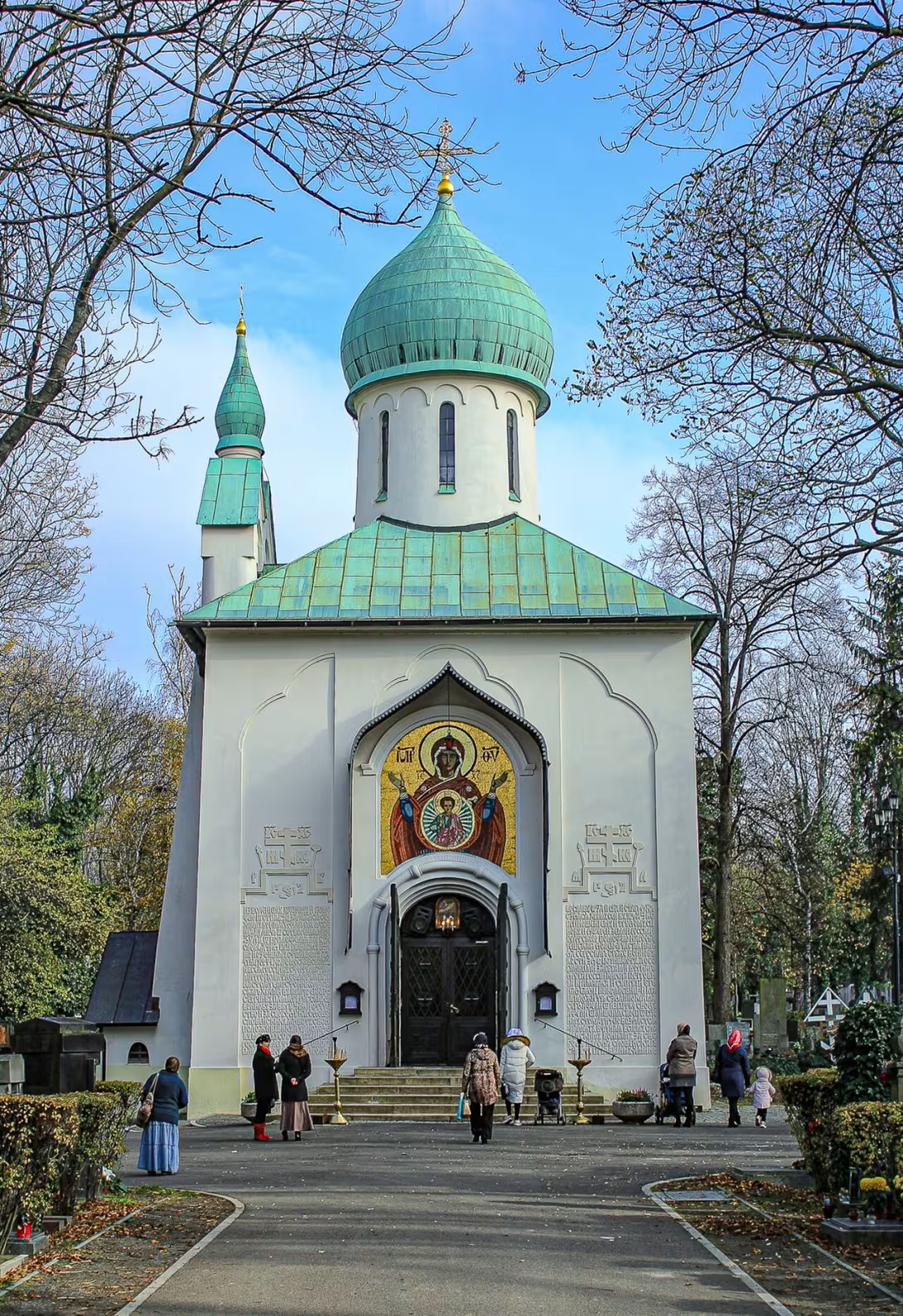

The historical appearance on the left is an AI-generated visualisation and serves as inspiration only.
Historical milestones
- 1924
- The foundation stone of the church was laid by Bishop Sergij.
- 1925
- The church was consecrated by Metropolitan Jevlogij.
Architectural development
Designed by Prof. Vladimír Brandt with assistance from students N. Paškovský and S. Klodta, the church was inspired by Russian architecture from Novgorod and Pskov. The exterior features a square plan with dimensions of 8.20 meters on each side, reaching approximately 22 meters in height. Its interior is adorned with mosaics and frescoes created by artists including Marie Foersterová and Ivan Jakovlevič Bilibin.
Historical events
In 1905, protojerej Nikolaj Nikolajevič Ryžkov secured land for a burial site for Orthodox believers, leading to the church's eventual construction.
The foundation stone was laid on September 11, 1924, by Bishop Sergij, marking the beginning of its construction.
The church was consecrated on November 22, 1925, by Metropolitan Jevlogij, attended by notable figures from Prague and the Czechoslovak government.
Points of interest
– The Church of the Dormition of the Most Holy Theotokos was initially constructed on land acquired by protojerej Nikolaj Nikolajevič Ryžkov in the early 1900s specifically for Orthodox burials, highlighting its deep roots in the local Orthodox community's history.
– Czechoslovak Prime Minister Karel Kramář and his wife Naděžda Nikolajevna played a crucial role in supporting the church's construction, reflecting the political and cultural ties between Czechoslovakia and Russia during that period.
Guide
This guide is narrated by a synthetic voice generated by artificial intelligence.
Show guide text
This text was created by artificial intelligence and has not been editorially reviewed. It may contain inaccuracies.
Welcome! You are standing before a unique historical monument — the Church of the Dormition of the Most Holy Theotokos on the Olšany Cemeteries, also known as the church. This significant Orthodox church is located in the Prague-Žižkov area and its architectural beauty immediately captivates you.
Let's delve into the history of this impressive church. Its origins date back to the early 20th century when Protoiereus Nikolaj Nikolajevič Ryžkov purchased land for Orthodox burials, laying the foundation for a future spiritual center for the local Orthodox community. In 1924, the cornerstone of the church was laid by Bishop Sergij, and already the following year, in 1925, the church was consecrated by Metropolitan Jevlogij. The architecture of this monument is the work of Professor Vladimír Brandl along with N. Paškovský and S. Klodt, who were inspired by Russian architecture. Given its creation in the years following World War I, the church reflects cultural exchange and architectural styles of the early 20th century.
Look up at its impressive structure. Although details are not specified, you can notice the elegant lines and harmonious proportions that are characteristic features of Brandl's design. The atmosphere is calm and gentle, contributing to the spiritual feeling of the place.
The church has connections with a number of significant historical figures. Protoiereus Nikolaj Nikolajevič Ryžkov was a key figure in purchasing land for Orthodox burials, showing the deep roots of the church in the local community. Karel Kramář, then Prime Minister of Czechoslovakia, and Naděžda Nikolajevna (née Chludovová) also played roles in shaping its historical context.
Now pay attention to an interesting aspect that might intrigue you: The Church of the Dormition of the Most Holy Theotokos was not built only as a spiritual place but also as a symbol of enduring connection between Russian architectural tradition and Orthodox life in the Czech lands. This interconnectedness is visible not just in style, but also in the church's spiritual function.
Thank you for visiting this historical site. I hope this guide has inspired you to further explore and appreciate the beauty and history of the Church of the Dormition of the Most Holy Theotokos on the Olšany Cemeteries. If you're interested, take a look around and discover other wonderful aspects of this heritage. And now, with the hope that this guide was informative and inspiring for you, enjoy the rest of your stay in Prague.
Tips for visitors
The best time to visit the Church of the Dormition of the Most Holy Theotokos on Olšany Cemetery is during late spring or early autumn. During these months, you can enjoy mild weather and beautiful natural surroundings without the crowds that peak in summer. Additionally, visiting on a weekday rather than a weekend can provide a more tranquil experience as it tends to be less crowded.
Parking near the church can be limited due to its location within Olšany Cemetery. Public transportation is recommended for convenience; you can take a tram or bus to get close to the area and then walk the remaining distance. The serene landscape of the cemetery makes walking an enjoyable part of your visit, but always check current routes and schedules in advance.
When visiting this historical site, it's advisable to bring comfortable walking shoes as there are several paths within the cemetery. Given its religious significance, modest clothing is recommended out of respect for the Orthodox traditions associated with the church. Additionally, carrying a small umbrella or raincoat can be useful if you're planning your visit during unpredictable weather.
For photography enthusiasts, early morning light offers soft and diffused illumination that beautifully captures the architectural details of the church and the peaceful cemetery landscape. The eastern side of the church is particularly photogenic at sunrise. Additionally, consider capturing images from the pathways within the cemetery to include the surrounding graves and monuments in your shots.
For families with children visiting the Church of the Dormition of the Most Holy Theotokos, Olšany Cemetery itself can be an interesting place to explore due to its historical significance and serene environment. Ensure that children are aware of the respectful atmosphere expected at religious sites. Nearby, within a 30-minute walk or short drive, you might consider visiting Vyšehrad Castle for its scenic views and engaging history, which offers plenty of space for kids to run around.
Businesses nearby
Events nearby

Zdroj akcí: otevřená data měst a obcí ČR (Národní katalog otevřených dat) a kalendář akcí Národního památkového ústavu.
Nearby
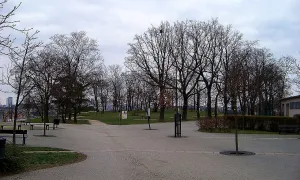
Located within Olšany Cemetery, the church is surrounded by graves and other Orthodox monuments. The area offers a serene landscape with historical significance due to its role in accommodating Russian emigrants post-World War I.
Accommodation nearby
Trips and activities nearby
Guided tours, tickets and activities nearby from GetYourGuide
Affiliate link: if you buy from the partner, we may receive a commission. The price for you does not change.
Search tours and activities →Themed route
Tematická výletní trasa: Chrám Zesnutí přesvaté Bohorodice na Olšanských hřbitovech
1. Chrám Zesnutí přesvaté Bohorodice (Kostel) - *Typ:* Kostel - *Proč stojí za návštěvu:* Tento pravoslavný kostel je nejen architektonickou perli, ale také místem s hlubokým historickým významem. Sloužil jako poslední odpočinek pro mnoho ruských emigrantů po první světové válce a nabízí klidnou atmosféru, kde se mohou návštěvníci ponořit do duchovního prostoru.
2. Památníky ruských emigrantů - *Typ:* Hroby a památky - *Proč stojí za návštěvu:* Okolí kostela je domovem mnoha památníků, které jsou věnovány ruským emigrantům. Tyto hroby připomínají bohatou historii a osudy těch, kteří zde našli útulek po válce. Jsou to klidné místa, která vyprávějí příběhy o exilu a smutku.
3. Historické náhrobní desky - *Typ:* Náhrobky - *Proč stojí za návštěvu:* Olšanský hřbitov je domovem mnoha historicky významných náhrobních desk. Tyto památky nabízejí pohled na minulost a připomínají životy lidí, kteří zde leží. Je to skvělý způsob, jak se dozvědět více o historii místních komunit.
4. Serene landscape hřbitova - *Typ:* Záhonový hřbitov - *Proč stojí za návštěvu:* Celkové prostředí Olšanských hřbitovů nabízí klidnou a pohlcující krajinu. Procházka mezi starobylými hroby a zeleň přináší pocit poklidu a reflexe, což je ideální pro ty, kteří chtějí uvolnit mysl a ocenit historickou atmosféru.
Tato trasa nabízí pohled na duchovní i historický význam Olšanských hřbitovů, přičemž hlavním centrem je Chrám Zesnutí přesvaté Bohorodice.
Seasonal recommendations
Spring: Visiting the Church of the Dormition of the Most Holy Theotokos on the Olšany Cemetery during spring offers a unique experience with its lush greenery and blooming flowers, creating a serene atmosphere that enhances the historical ambiance of this sacred site. The soft light filtering through budding trees casts gentle shadows across the grounds, adding to the tranquil setting. As the weather becomes more temperate, it's advisable to wear layers that can be adjusted as temperatures fluctuate throughout the day. While spring tends to attract fewer visitors compared to summer, arriving early in the morning can help you avoid any crowds and fully enjoy the peaceful surroundings.
Summer: In summer, the Church of the Dormition on the Olšany Cemetery is enveloped by vibrant greenery and warm sunlight, perfect for those who appreciate history amidst nature's full bloom. The longer daylight hours allow visitors to explore at their leisure, though it's wise to plan your visit early in the morning or late afternoon to avoid peak times when tourists flock to Prague’s attractions. Comfortable walking shoes and light clothing are recommended due to the warmer weather, ensuring a pleasant experience as you wander through this historic site.
Autumn: Autumn brings a spectacular display of colors to the Church of the Dormition on the Olšany Cemetery, with rich hues of red, orange, and yellow enhancing its timeless beauty. The crisp air and golden light create an almost magical atmosphere, ideal for photography enthusiasts or those seeking a reflective stroll. As temperatures begin to drop, it's advisable to wear warm layers and perhaps bring along a light jacket. While the site remains relatively quiet compared to summer months, arriving early can help you enjoy the serene environment before any potential increase in visitors.
Winter: The Church of the Dormition on the Olšany Cemetery takes on an ethereal quality during winter, with snow-covered grounds and bare trees providing a stark yet beautiful contrast against its historic architecture. The muted light and quiet atmosphere offer a unique perspective on this sacred site, perfect for those seeking solace in colder months. Visitors should dress warmly, as temperatures can be quite low, and it's advisable to check opening hours, which may vary during the winter season. Arriving early is recommended to make the most of your visit before any potential closures due to weather conditions.
Visualizations and artistic views


The visualisations are generated by artificial intelligence and serve as inspiration.
Photos from the area
Real photos taken near the monument


Zdroj a licence jsou uvedeny u každého snímku.
Atmosphere of the place
This atmospheric visualisation of the place and period was generated by artificial intelligence. It is not real footage of the location.
Tips from visitors
No tips yet. Be the first!
Log in and add your tip.
Sources and literature
Fotografie: VitVit / CC BY-SA 4.0 — Wikimedia Commons. The author and licence also appear when you hover over the image.
Faktickým podkladem tohoto textu byl článek na Wikipedii, jehož autory jsou přispěvatelé Wikipedie. Článek je dostupný pod licencí CC BY-SA 4.0.
Location on the map
Příběhy a pověsti
Legendy, pověsti a příběhy spjaté s touto památkou
Fotografie návštěvníků
Zatím žádné fotografie. Buďte první, kdo přidá fotografii z návštěvy!
Přihlaste se a přidejte svou fotografii nebo hodnoťte.
Za ověřenou návštěvu v aplikaci získáte víc bodů — poznáme podle GPS, že jste na místě.
Reviews and comments