






Děvín (hrad, Praha 5) Castle ruin
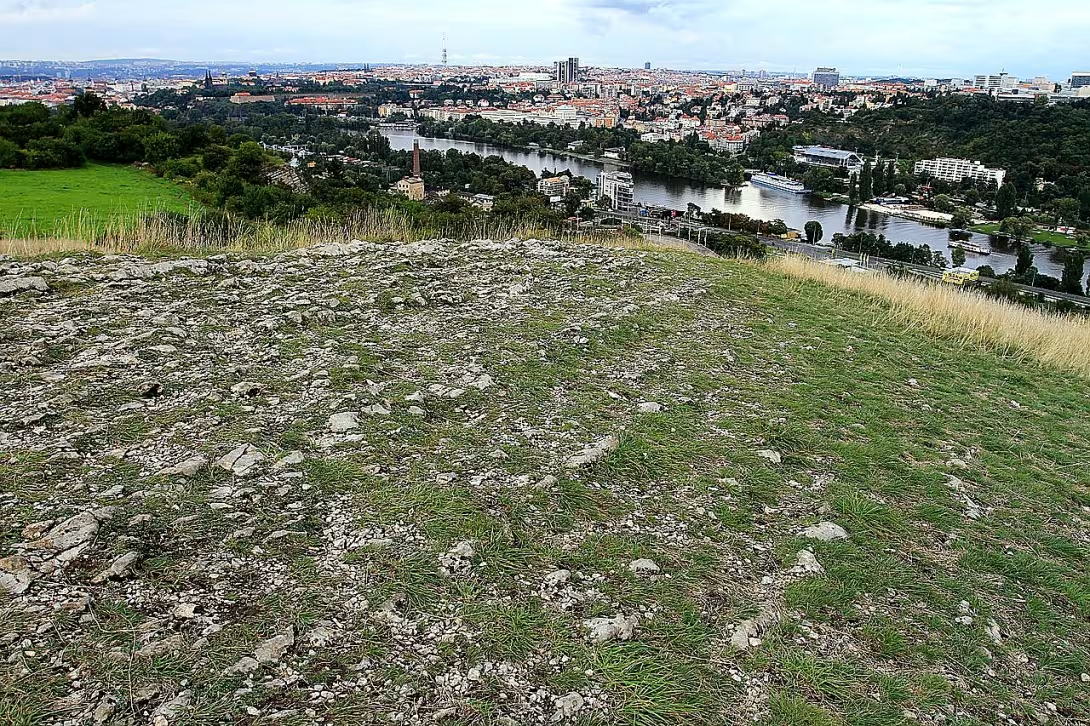
Děvín is a medieval castle ruin located on a hill in Hlubočepy, Prague. Established in the 14th century, it fell into disuse by its end and now stands as a protected cultural monument of the Czech Republic. The site's historical significance lies not only in its architectural remnants but also in its connection to notable figures such as Štěpán z Tetína and the Kartouzský klášter, reflecting medieval Bohemia's socio-political dynamics.
The origins of Děvín can be traced back before 1338 when it was likely founded by Štěpán z Tetína. The castle emerged during a time when Bohemia was part of the Holy Roman Empire and experienced significant political and social changes. This period saw the rise of powerful noble families and increasing influence from religious orders like the Kartouzský klášter. By before 1376, ownership had transferred to this monastic order, highlighting the castle's role within ecclesiastical power in medieval Bohemia.
Architecturally, Děvín featured a two-part block layout with a square ground plan. The outer defenses included round towers or bastions at the corners, providing strategic advantages given its elevated position on the hill. At the heart of the castle lay a small courtyard surrounded by palace wings on three sides, indicative of both residential and defensive functions. Despite its ruinous state today, these elements can still be discerned through terrain and vegetation.
Ownership transitioned from Štěpán z Tetína to the Kartouzský klášter before 1376. Historical sources suggest that by around 1420, the castle may have been seized by this monastic order, although it is assumed to have already fallen into disuse during the 14th century. In 1513, remnants of Děvín served as a target for testing new artillery, marking one of its few documented interactions with military technology.
Today, Děvín stands as a testament to medieval architecture and history, accessible to those interested in exploring Prague's rich past. While the site is primarily appreciated through its terrain and vegetation, it offers valuable insights into the strategic considerations and architectural styles of its time. Visitors are invited to reflect on the historical narratives encapsulated within this ruinous yet evocative monument, making Děvín a worthwhile destination for those intrigued by medieval history and architecture.
Then and now
Drag the slider to compare how the landmark may have looked when it was built with the view today.
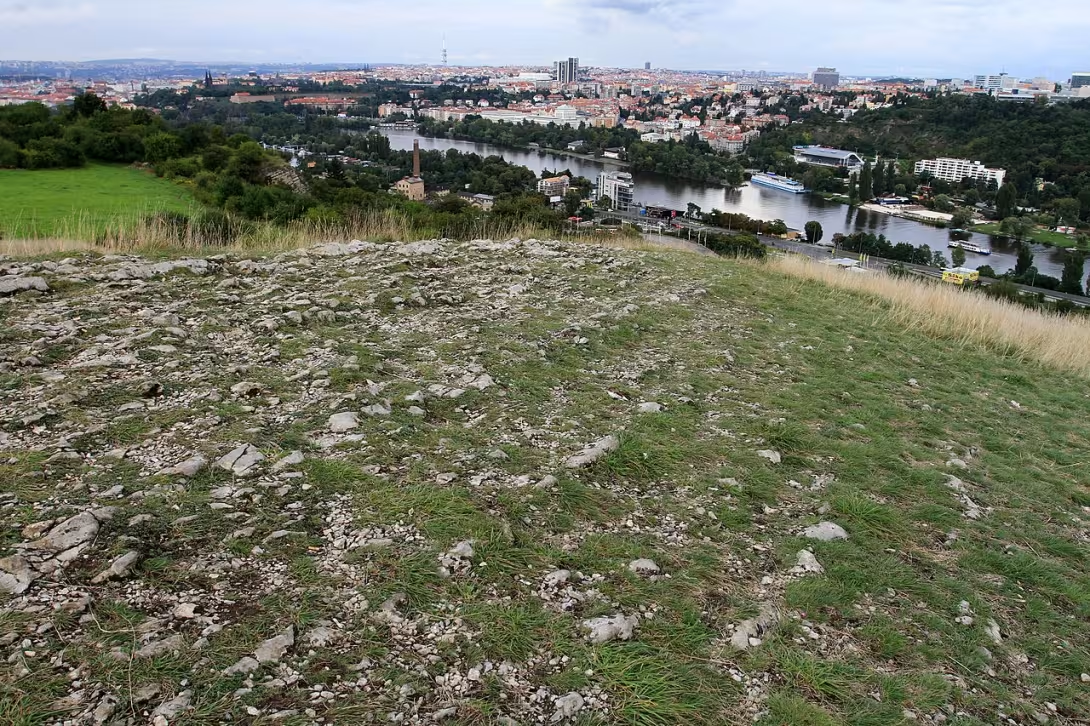
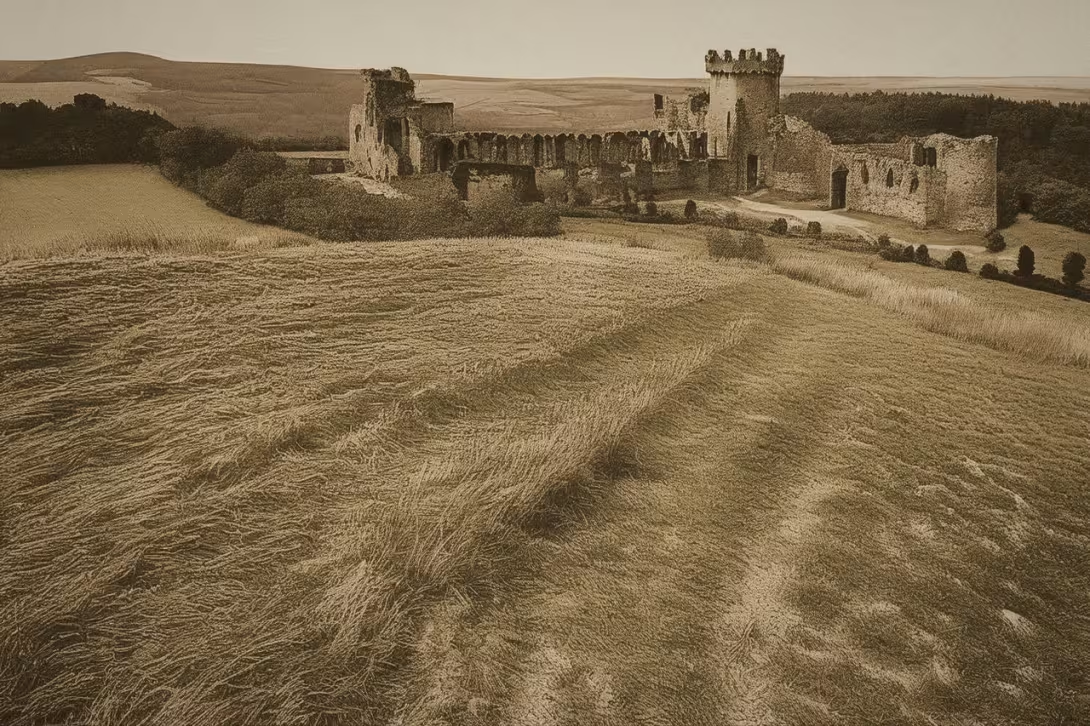
The historical appearance on the left is an AI-generated visualisation and serves as inspiration only.
Historical milestones
- 1338
- Štěpán z Tetína likely founded the castle.
- 1376
- Kartouzský klášter became the new owner.
- 1420
- The castle may have been seized by the Kartouzský klášter.
- 1513
- Remnants were used as a target for artillery testing.
Architectural development
Děvín was constructed with a two-part block layout featuring a square ground plan. The outer defenses included round towers or bastions at the corners, and the core consisted of a small courtyard surrounded by palace wings on three sides.
Historical events
The castle was likely abandoned in the 14th century, possibly seized by the Kartouzský klášter in 1420.
In 1513, remnants of the castle were used as a target for testing new artillery.
Owners
Štěpán z Tetína before 1338; Kartouzský klášter before 1376
Guide
This guide is narrated by a synthetic voice generated by artificial intelligence.
Show guide text
This text was created by artificial intelligence and has not been editorially reviewed. It may contain inaccuracies.
Welcome to the historic site of Děvín Castle, a captivating medieval ruin perched atop its namesake hill in Hlubočepy, Prague. As you stand here, imagine yourself transported back to the 14th century when this castle was both established and eventually fell into disuse. The remnants before you are protected as a cultural monument of the Czech Republic, preserving their historical significance for future generations.
The story of Děvín Castle begins in 1338 with Štěpán z Tetína, who likely founded this fortress. As you gaze upon its ruins, picture the castle's original two-part block layout featuring a square ground plan—a testament to medieval architectural ingenuity. Defensive structures such as round towers or bastions were integral parts of its design, emphasizing its strategic importance during turbulent times.
The castle's ownership took an intriguing turn in 1376 when it became associated with the Kartouzský klášter. By 1420, this religious order may have seized control, reflecting a broader socio-political shift where ecclesiastical influence began to overshadow noble power in medieval Bohemia. This transition from secular to religious ownership marks an essential chapter in Děvín's history.
As you explore the site, focus on the remnants of its once-imposing structure. The ruins hint at what was once a formidable fortress, with vestiges of its defensive features still visible. These elements invite contemplation about the lives and stories that unfolded here centuries ago.
One fascinating aspect of Děvín is its connection to the Kartouzský klášter. This relationship highlights how religious orders gained significant influence during this period, a reflection of broader changes in medieval Bohemian society. The castle's history offers insights into the interplay between power and faith during these times.
As your visit comes to an end, we invite you to reflect on the rich tapestry of history that Děvín Castle represents. Its ruins are not just stones but narrators of a bygone era, whispering tales of knights, nobility, and monastic orders. We encourage you to further explore Prague's historical sites, each with its own unique story waiting to be discovered.
Thank you for joining us on this journey through time at Děvín Castle. May your curiosity continue to lead you to uncover more hidden gems in the heart of Prague. Safe travels!
Tips for visitors
The best time to visit Děvín Castle ruins is during late spring or early autumn when the weather is mild, making it comfortable for exploring the site. These seasons offer pleasant temperatures and good lighting conditions for photography, enhancing your experience of the historical ambiance.
When visiting Děvín, consider bringing comfortable walking shoes as there are uneven paths leading up to the ruins. A hat and sunscreen might be necessary if you're visiting during sunny days in spring or autumn. Additionally, carrying a water bottle is advisable since refreshments may not be readily available on-site.
For photography enthusiasts, the best spots at Děvín Castle are those that capture its medieval architecture against the backdrop of Prague’s skyline. Early morning light can provide soft shadows and highlights, while late afternoon offers dramatic lighting conditions. Be mindful of other visitors when taking photos to ensure everyone has a chance to enjoy the view.
While there aren't specific monuments within a 5 km radius mentioned in your provided data, Hlubočepy itself is worth exploring for its local charm and proximity to Prague’s larger attractions. Families with children might enjoy visiting nearby parks or spending time at one of Prague's many museums that offer interactive exhibits suitable for younger visitors.
Frequently asked questions
Can the monument be visited?
This is a ruin. Such sites are often freely accessible, but some can only be visited with a guide or are closed for safety reasons. We have not verified the current situation – take care and respect any restrictions.
Where is the monument?
Location: Hlubočepy, Hlavní město Praha. The map on this page shows the exact spot.
Why is the monument protected?
It is listed in the Central List of Cultural Monuments of the Czech Republic as a cultural monument (register no. 1000152452).
Businesses nearby
Do you run a restaurant, accommodation, shop, museum, rental, wellness or other visitor service near this monument? Show yourself directly to the people heading to it — this is how they will see you in the app and on the web:
Events nearby

Zdroj akcí: otevřená data měst a obcí ČR (Národní katalog otevřených dat) a kalendář akcí Národního památkového ústavu.
Nearby
Děvín is situated in Hlubočepy, a district of Prague, with no specific natural features or other monuments mentioned within a 5 km radius.
Accommodation nearby
Trips and activities nearby
Guided tours, tickets and activities nearby from GetYourGuide
Affiliate link: if you buy from the partner, we may receive a commission. The price for you does not change.
Search tours and activities →Themed route
Děvín Thematic Walking Tour
1. Děvín (zřícenina hradu) - Type: Historical Ruin - Why Visit: Begin your journey at the iconic Děvín Castle ruins, perched atop a hill in Hlubočepy. This site offers panoramic views of Prague and serves as a testament to medieval architecture and history. Explore the remnants of this once-majestic fortress and imagine its past grandeur.
2. Děvínský Park - Type: Urban Park - Why Visit: Just below the castle ruins lies Děvínský Park, a serene green space perfect for relaxation after exploring the historical site. The park provides walking paths and benches where visitors can enjoy nature and reflect on the history of Děvín. It's an ideal spot to unwind amidst lush surroundings.
3. Hlubočepy Local Streets - Type: Urban Exploration - Why Visit: Stroll through the charming streets of Hlubočepy, a district known for its unique blend of modern and traditional architecture. Discover local shops, cafes, and galleries that offer insights into contemporary Czech culture while enjoying the vibrant community atmosphere.
4. Hlubočepy Community Center - Type: Cultural Venue - Why Visit: Conclude your tour at a local community center in Hlubočepy where you can engage with cultural events or exhibitions showcasing regional art and history. This venue often hosts workshops, performances, and gatherings that highlight the rich cultural tapestry of Prague 5.
This thematic walking tour provides a comprehensive exploration of Děvín and its immediate surroundings, offering insights into both historical and contemporary aspects of Hlubočepy.
Seasonal recommendations
Spring: Visiting Děvín Castle ruins during spring offers a unique experience as the landscape begins to awaken from winter's slumber. The surrounding area is adorned with blooming flowers and fresh greenery, creating a picturesque backdrop that enhances the historical ambiance of the site. The gentle warmth of early spring days makes for comfortable exploration, though visitors should be prepared for occasional rain showers typical of this season. It's an ideal time to enjoy the castle in relative solitude, as it is less crowded than during peak summer months. Wearing layers is recommended so you can adjust your clothing according to changing weather conditions throughout the day.
Summer: Summer at Děvín Castle ruins provides a vibrant atmosphere with longer daylight hours and warmer temperatures, perfect for leisurely exploration of this historic site. The lush greenery surrounding the castle reaches its peak during this season, offering stunning views and a serene environment. However, summer can also bring larger crowds, so arriving early in the day is advisable to avoid the midday rush and ensure a more tranquil visit. Comfortable walking shoes and light clothing are recommended due to the increased foot traffic on the site and the potential for hot weather.
Autumn: Autumn transforms Děvín Castle ruins into a breathtaking spectacle of warm colors, with vibrant foliage creating an enchanting setting that complements the historic architecture. The cooler temperatures make it a pleasant time to explore without the summer heat, although visitors should be prepared for varying conditions as the season progresses towards winter. This is a great time to visit if you prefer fewer crowds and enjoy taking photographs of the picturesque landscape. Layered clothing is advisable to accommodate the changing weather throughout your visit.
Winter: Winter at Děvín Castle ruins offers a unique, atmospheric experience with snow-covered landscapes that add a mystical quality to the historic site. The shorter daylight hours mean it's best to plan your visit for earlier in the day, and the cooler temperatures necessitate warm clothing, including hats, gloves, and sturdy boots. While the castle may be less crowded during winter months, it's important to note that some facilities might have reduced operating hours or be closed due to weather conditions. This season provides a quieter, more introspective opportunity to appreciate the ruins in their wintry setting.
Visualizations and artistic views


The visualisations are generated by artificial intelligence and serve as inspiration.
Photos from the area
Real photos taken near the monument


Zdroj a licence jsou uvedeny u každého snímku.
Tips from visitors
No tips yet. Be the first!
Log in and add your tip.
Sources and literature
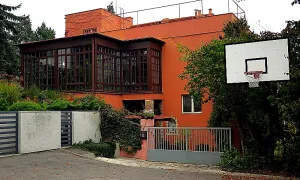
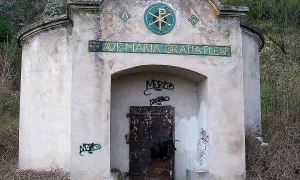
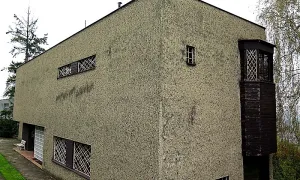
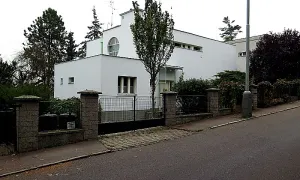
Photos: Ondřej Kořínek / CC BY-SA 3.0 — Wikimedia Commons. The author and licence also appear when you hover over the image.
Faktickým podkladem tohoto textu byl článek na Wikipedii, jehož autory jsou přispěvatelé Wikipedie. Článek je dostupný pod licencí CC BY-SA 4.0.
Location on the map

Příběhy a pověsti
Legendy, pověsti a příběhy spjaté s touto památkou

Fotografie návštěvníků
Zatím žádné fotografie. Buďte první, kdo přidá fotografii z návštěvy!
Log in a přidejte svou fotografii nebo hodnoťte.
Za ověřenou návštěvu v aplikaci získáte víc bodů — poznáme podle GPS, že jste na místě.
Reviews and comments