






vila Karla Šulce Villa
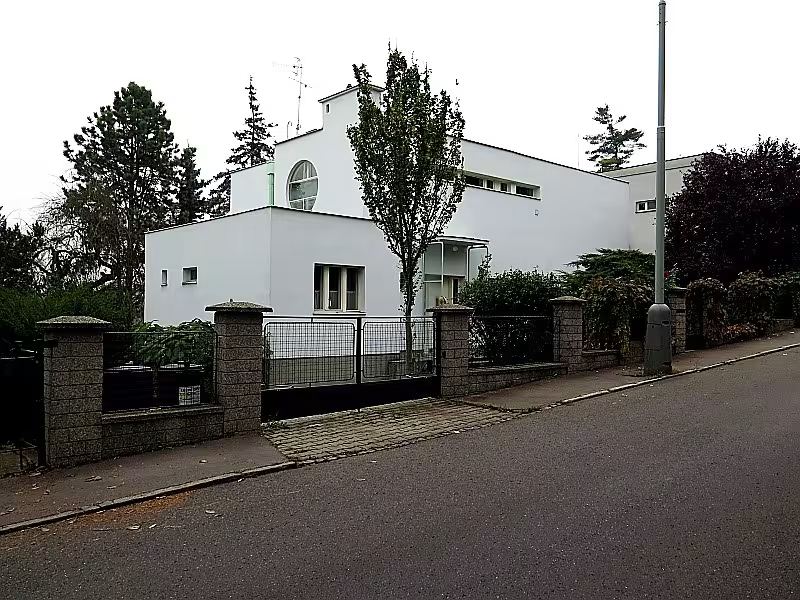
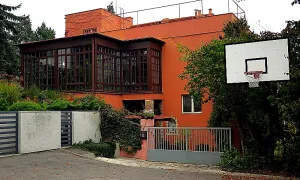
Villa Karl Šulce is a functionalist family house situated in the residential district of Barrandov in Hlučepích, Prague. This building from the year 1929-1930, the architect Otakar Štěpánek, has been protected as a cultural monument of the Czech Republic since 1993. It represents an important example of the modern architecture of the first Czechoslovak Republic.
The building was created when Barrandov started forming as a prestigious district for the Prague elite. At that time, functionalism represented a progressive direction of emphasis on efficiency, purity of forms and interconnections of interior with exterior. The house was built for Karl Shulce, an important scout and businessman, and his wife, Hanu.
The construction uses the vertical terrain and has a rectangular plan. The facade is smooth, covered with fine brisolite plaster and remains unbroken towards the street. The main entrance is protected by the awning and supplemented by the original door lined with vertical glazed fields. The layout includes a basement with operating facilities, ground floor with living hall and terrace and floor with bedrooms. The two-arm staircase is used to connect the terrace with the garden. The interior has preserved a number of original elements such as built-in cabinets, a library, a staircase with wooden railing or a fireplace made of grey marble with a metal plate decorated with geometric ornament.
The first owners were married to Shulco, who sold the villa in the mid-1930s to the Leden Jewish family. After the creation of the Protectorate in 1939, the property was confiscated by the German authorities and allocated to a senior SS officer. After 1948, the property was confiscated by the Shulco family. At the end of the 1960s, the house was purchased by the author Václav Cibula with his wife Vlad, who performed his reconstruction.
In the interior there are works of art which were created during the stay of the family of Onion. On the walls of the hall and other premises, Cyril Bouda created colorful chalk drawings of the ghost, nun and Saint Wenceslas. Another interesting thing is the drawing of Juraj Jakubiska from 1990, the theme of which is the division of Czechoslovakia. The garden is lined with grown trees and stone walls, with a path from flat stones in its northeast part.
The villa of Karl Šulce remains a proof of the high level of interwar architecture and transformations that the Czech society went through in the 20th century. Visiting this site offers the opportunity to explore the history of the Barrando development and appreciate the precision of the functionalist design.
Then and now
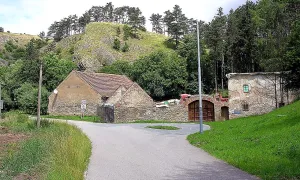
Drag the slider to compare how the landmark may have looked when it was built with the view today.
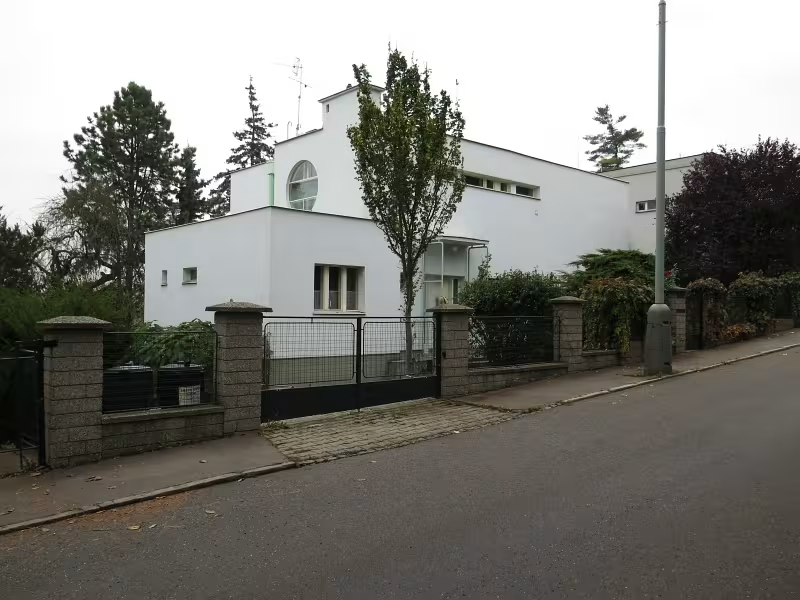
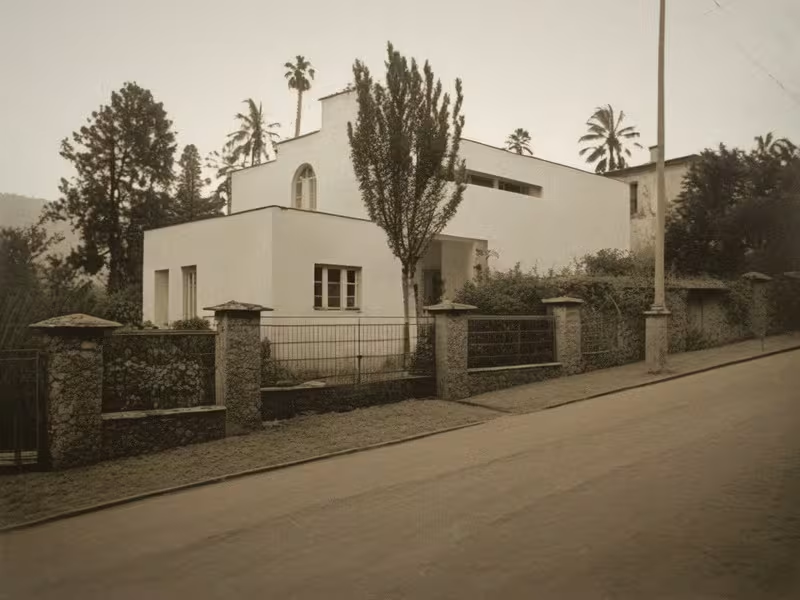
The historical appearance on the left is an AI-generated visualisation and serves as inspiration only.
Historical milestones
- 1929-1930
- Construction of the villa according to the design of architect Otakar Štěpánek.
- 1939
- Confiscation of the villa by the German authorities after the creation of the Protectorate.
- 1993
- Declaration of the Villa for the cultural monument of the Czech Republic.
Architectural development
The one-storey building on a rectangular floor plan uses a narrow terrain and is connected to the garden by a two-arm staircase. The facade is unbroken, with horizontal window band on the floor and awning above the main entrance. The interior contains built-in elements and artistic interventions from later times.
Historical events
In 1939, the villa was seized by the German authorities for an SS officer. After 1948, the property was confiscated by the Shulco family. In the late 1960s the author Václav Cibula purchased the house and had it reconstructed.
Owners
Karel and Hana Shulco (1930- half of the 1930s), Leden family (half of the 30th of 1939), German authorities (1939- 1945), Václav and Vlasta Cibula (since the late 1960s).
Points of interest
- The villa has been protected as a cultural monument of the Czech Republic since 1993. - The house was built for an important scout and businessman Karl Shulka and his wife Hannah. - After the creation of the Protectorate in 1939, the property was confiscated by the German authorities and assigned to a senior SS officer. - In the interior there are colored chalk drawings of Cyril Bouda representing a ghost, nun and Saint Wenceslas. - In the house there is a drawing of Juraj Jakubiska from 1990, which focuses on the topic of the division of Czechoslovakia.
Guide
Show guide text
This text was created by artificial intelligence and has not been editorially reviewed. It may contain inaccuracies.
Welcome to Prague's Deep Chops. You are standing in a place where history clashes with modern elegance and where architecture tries to align itself with natural terrain curves in complete harmony. The vila Karla Šulce stands before your eyes, which settles with ease into the slope of the Barrando villa district. Just by looking at its location, you can feel how this space was designed in the early 1920s and 1930s to take advantage of every advantage of this place while offering its citizens a sense of peace, privacy and, above all, modern order. Feel this atmosphere, see how the building lines stretch out against the outside world and how its presence becomes a solid part of this sloping region.
Let us now return together in time and understand why this house was created in the first place and what ambitions behind it stand. The construction you are now observing was carried out between 1929 and 1930. This was not just an accidental construction, but an expression of a new era that was starting in the Czech countries. The house was built for Karl Shulce, a man whose name was of great importance at the time. Shulc was not only a successful businessman, but above all a fundamental scout, a man with strong moral values and visions. Together with his wife Hannah, they wanted to create a home here that was not just a building, but a space corresponding to their lifestyle and social position. In this context, we must see the whole area of Barrand as a symbol of the then growth and modern thinking, where new ways of living for the then elite were born.
Now pay attention to the very form of this building, because it is in its details that it is best to see the spirit of the time that gave birth. If you look at her appearance, you are immediately interested in the purity and immediate nature that are typical of a direction called functionalism. Notice the smooth facade. It is covered with a brisolite plaster, which gives the house a specific texture while underlining its geometric shapes. The architect Otakar Štěpánek, who prepared the project, did not seek unnecessary decorating or historical elements. Its aim was a pure form that follows directly from the function of the object. Feel the logic that dominates architecture. The whole layout of the house is designed as a whole to serve the people. In the basement there is an operating background that ensures the smooth running of the entire home life. The ground floor is the heart of the living space, where there is a spacious living hall and terrace, which probably served to connect the inner world with beautiful views of the surroundings. The upper floor is then reserved for bedrooms, which provided the Shulco family with the necessary level of privacy and peace. This whole system, where every part of the house has its exact and logical place, is a fundamental pillar of functionalist thinking.
But the history of this place is much more complicated and dramatic than it might seem. Behind these clean lines and smooth walls are stories that were inexorably altered by political upheaval in the mid-1930s. After the formation of the Protectorate in 1939, the fate of the villa turned dramatically. The German authorities did not intend to leave the property in the hands of the original owners. The villa was confiscated and assigned to a senior officer of the SS troops. Imagine the huge contrast that occurred in this space. Instead of home to a scout leader, a man building community and values, the house became the seat of someone who was the opposite world and completely different ideals. This era has left a deep and painful trail in the history of the villa, which is still echoing in its walls. It is a reminder of how much political change can affect even the most intimate areas of human life and how easily home can turn into a symbol of foreign power.
You may now wonder how such a house, built with such care and vision, could have witnessed such events. It is this unexpected transformation that brings a certain mystery and depth to the villa. How did the fate of the Shulcova family meet the fate of the occupation in this space? How did the spirit of this place change when the joyous modern living became the seat of a German officer? This question forces us to perceive architecture not only as an aesthetic object, but as a living witness to history that survived the darkest times. And it was the resistance and quality with which the villa was built that helped her overcome these storms.
The important point in the chronology of this place is 1993. Due to its exceptional architecture and historical importance, the villa was officially declared a cultural monument of the Czech Republic. This decision has ensured that this unique example of functionalism will not be forgotten or destroyed, but will remain protected as an integral part of our cultural heritage. It's a victory of beauty and history over time and political upheaval.
Now we leave you with your own impressions. Look at the house from different angles, see its lines, its smoothness and how its shapes line up against the sky and surrounding terrain. Try to perceive the atmosphere of this place, which carries both the joy of modern life and the weight of historical events. We hope that this brief insight into the history of the villa of Karel Šulka has helped you to better understand its meaning and its unmistakable character. We wish you a pleasant rest of the walk around this beautiful neighborhood and other interesting experiences in exploring the history of our region. Goodbye.
Tips for visitors
The best time to visit the villa is during the morning hours in sunny weather, when direct light beautifully highlights clean lines of functionalist architecture and smooth façade of the house. Due to the location in the slope, you will enjoy the best views of the surrounding area without disturbing shadows.
Transportation to the villa is possible by car and public transport, while parking in the adjacent streets of the Barrando residential district is limited. We recommend you use the connection search engine to find the nearest stop from where you can reach the villa by a short walk up the hill.
For photography we recommend choosing a wide-angle lens that captures the dimensions of the construction in the context of the vertical terrain. The best lighting conditions for facade details are in the morning, when the sun lights up the front of the house.
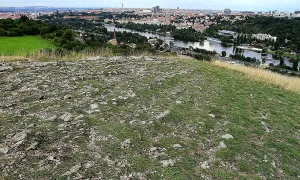
In the immediate vicinity of the villa is located Barrandova Rock and the natural monument of Barrandov Rock, which offer beautiful natural scenery. You can connect the walk with a visit to the iconic Barrandov terraces that illustrate the atmosphere of this historic neighborhood.
For families with children, the location is suitable thanks to the proximity of natural monuments, where easy walks can be made. We recommend to take with you fixed shoes, because the terrain around the villa and the rocks can be chipped.
Businesses nearby
Do you run a restaurant, accommodation, shop, museum, rental, wellness or other visitor service near this monument? Show yourself directly to the people heading to it — this is how they will see you in the app and on the web:
Events nearby

Zdroj akcí: otevřená data měst a obcí ČR (Národní katalog otevřených dat) a kalendář akcí Národního památkového ústavu.
Nearby
Barrando terraces, Barrando rock, natural monument to Barrando rock.
Accommodation nearby
Trips and activities nearby
Guided tours, tickets and activities nearby from GetYourGuide
Affiliate link: if you buy from the partner, we may receive a commission. The price for you does not change.
Search tours and activities →Themed route
Thematic cruise route around the villa of Karl Šulce
1. Vila Karl Shulce (monument-protected building) Start your trip at the unique villa of Karl Šulce, designed by architect Karel Šulc. This modern and functional 20th century building is an example of Czech functionalism and offers a beautiful view of the surrounding landscape. It's the perfect place for those who like architecture and history.
2. Barrandova terasy (natural monument) After visiting the villa, go to the Barrandov terraces, which are nearby and offer a beautiful view of Prague. This area is known for its geological formations and natural park, where you can explore diverse species of plants and birds. It's a great way to dive into nature and relax.
3. Barrando rock (geological formation) Continue to explore the surroundings towards the Barrando Rock, which is part of the Barrando terraces. This rock form offers an interesting view of the geological history of the area and is ideal for short walks or picnics in nature. It's a place where you can relax your mind and appreciate the peace.
4. Natural monument of Barrandov rocks (nature reservation) Hang your walk in the natural monument of Barrandov Rock, where you can explore the diverse flora and fauna. This area is protected because of its biological and geological importance and offers the opportunity to explore the surrounding landscape with beautiful views. It's the perfect place for nature lovers.
This route allows you to explore not only the architectural heritage, but also the natural beauty of the area around Hlučep.
Seasonal recommendations
The spring in Hlučepích brings to the surroundings of the villa Karel Šulka awakening green and mild temperatures that are ideal for walks. Light is usually soft and scattered during this period, creating a calm atmosphere for admiring architectural details without sharp shadows. Nature is slowly coming to life around the building, first trees and shrubs bloom, which enriches the visual experience of fine pastel tones. In practice, spring is a great choice for visitors who want to avoid summer crowds, but who no longer want to deal with frost. We recommend visiting the memory in the afternoon, when the sun reaches its peak and illuminates the facade from the most advantageous angle. Clothes should be layered because spring weather is usually variable; A light jacket and rain bag can be useful. The path to the villa is usually quiet at this time, so you can enjoy a slower pace and a more detailed tour without rush.
Summer brings the longest days and warmer weather to Hlučep, which also affects the atmosphere around the villa. Intense sunlight highlights the texture of the materials and the colour of the surrounding green, which is in full bloom. Since this is a popular location, more tourists and locals can be met in the main summer season. Therefore, it is crucial to arrive as early as possible in the morning, ideally before nine o'clock, when the area is still quiet and the lighting is clean and clear. In your clothes reach for light and breathable substances, don't forget the sunglasses and hat so that the unpleasant sun rays don't prevent you from admiring the sights. If you are planning a longer stay, take enough drinking mode and look for shady places nearby that provide a heat leak. The afternoon may be more busy in this area, so the morning visit will guarantee a more peaceful experience.
Autumn in Hlučepích offers a unique color game where tree leaves change their shade to golden, orange and red tones. Light is usually lower and warmer, which creates a nostalgic and intimate atmosphere around the villa. This season is less crowded than summer, which allows a more private tour and better photo shoot without disturbing elements. Practical advice includes clothing in layers because temperatures fall and wounds tend to be cold, often with morning fog, which gives the scene a mystical touch. The best time to visit is in the late morning, when the fog disperses and the sun shines through the trees, illuminating the historic building. The trip to the monument is usually quiet at this time, so you can enjoy the walk without rush. Don't forget the fixed shoes, because wet leaves can be slippery, and get ready for fast dark evenings that shorten the time for outdoor activities.
The winter in Hlučepích brings peace and quiet to the surroundings of the villa Karl Šulka, often sprinkled with snow, which contrasts with dark facades and bare branches of trees. Short days and low sun create dramatic shadows and a cold, sharp atmosphere that emphasizes the historical nature of the building. In advent time, the surroundings can be revived by Christmas lighting, which gives the monument a special charm. Practically winter is ideal for visitors who prefer minimal crowds and want to experience the memory in its most peaceful submission. Clothes must be warm and waterproof, including gloves and hats, so that frosty weather does not prevent you from admiring details. The best time to visit is the late morning when the sun reaches its highest point and provides the most light and heat. In winter the opening hours of some services are shortened, so check availability in advance. Short days mean that the sun quickly hides behind the horizon, so plan your return home in time to avoid darkness and possible snow.
Visualizations and artistic views


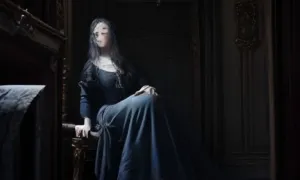
The visualisations are generated by artificial intelligence and serve as inspiration.
Photos from the area
Real photos taken near the monument


Zdroj a licence jsou uvedeny u každého snímku.
Tips from visitors
No tips yet. Be the first!
Log in and add your tip.
Sources and literature
Fotografie: Sovicka169 / CC BY-SA 4.0 — Wikimedia Commons. The author and licence also appear when you hover over the image.
Faktickým podkladem tohoto textu byl článek na Wikipedii, jehož autory jsou přispěvatelé Wikipedie. Článek je dostupný pod licencí CC BY-SA 4.0.
Location on the map
Příběhy a pověsti
Legendy, pověsti a příběhy spjaté s touto památkou
Fotografie návštěvníků
Zatím žádné fotografie. Buďte první, kdo přidá fotografii z návštěvy!
Přihlaste se a přidejte svou fotografii nebo hodnoťte.
Za ověřenou návštěvu v aplikaci získáte víc bodů — poznáme podle GPS, že jste na místě.
Reviews and comments