






plavecký bazén pod Barrandovem Swimming pool
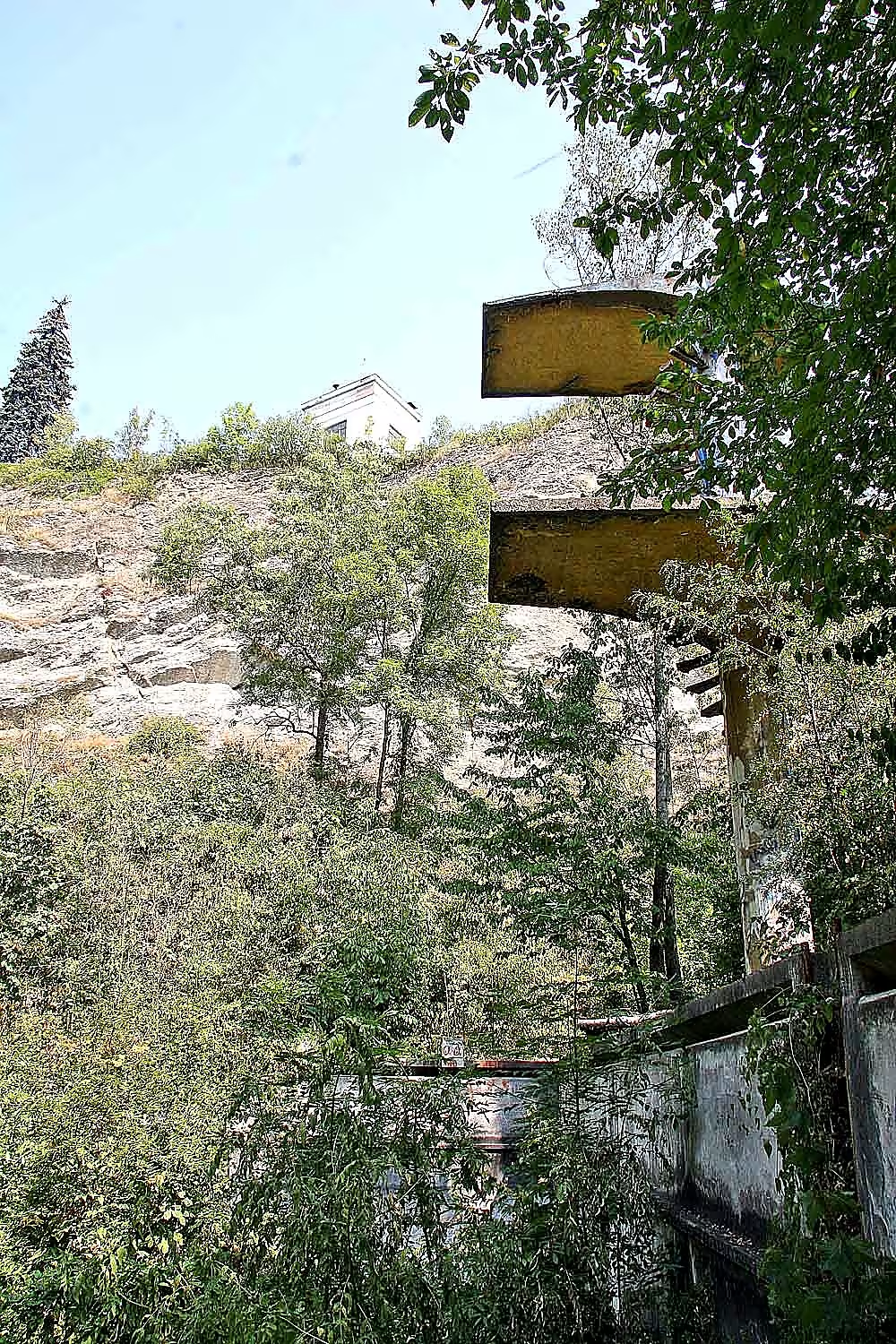
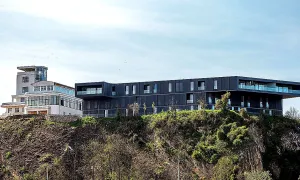
The Barrandov swimming pool is an abandoned facility in Hlubočepy, constructed between 1929 and 1931. It was the first competitive swimming pool in Czechoslovakia and remains a significant example of functionalist architecture.
The site was established at a former limestone quarry owned by the firm Barta and Tichý. The land was owned by Václav M. Havel, who offered it to the Czech Swimming Club (Český plavecký klub). A commission—including swimming association official Ladislav Hauptmann, club chairman O. Petřík, and architects Jaroslav Kalvach and Václav Kolátor—planned the financing and approved the stadium's construction.
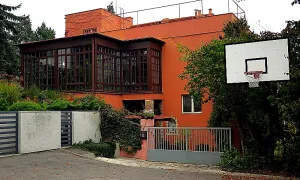
Designed by Václav Kolátor, the complex is a functionalist work featured in professional journals such as *Stavba* and *Pestrý týden*. The main pool measures 50 by 18 meters, with depths ranging from 1 to 4.5 meters. Architect Vladimír Grégr designed the 10-meter diving tower. The wider sports complex included a wading pool, tennis courts, a boathouse for yachts and canoes, a sandy beach with a bathing area, a pontoon clubhouse, and basketball and volleyball courts. Grandstands were built to accommodate up to 4,000 spectators. The facility was integrated into the Barrandov Terraces (Barrandovské terasy), connected by rock-carved stairs and a food elevator used to transport refreshments to guests.
The project faced severe economic challenges during the Great Depression, which reduced state support from 600,000 to 40,000 crowns. Construction costs exceeded the budget by over 250,000 crowns, creating substantial debts that operating income could not cover. The location also had practical drawbacks; situated on the Vltava valley's west bank directly under cliffs, the area fell into deep shade after noon. Consequently, the environment and the water—drawn from an unheated well—remained cold.
The pool officially opened on August 16, 1930. To promote the facility, actor Vlasta Burian challenged Alfred Nikodém to a 100-meter race on July 31. The pool was open to the general public in the mornings and reserved for swimmers in the afternoons. In 1934, a fire destroyed a wooden building on the premises, further increasing the financial burden on the Czech Swimming Club. By 1955, restoration became nearly impossible, and rumors spread that the facility closed due to damage from falling rocks. It continued to operate in a limited capacity until 1966.
The Barrandov Terraces area, including the pool and diving tower, was declared a cultural monument in 1988, and a heritage zone was established there in 1993. Nationalized in 1948, the property was later returned to the family of Václav and Ivan Havel through restitution. Ownership then passed to Dagmar Havlová, who sold a majority share of the terraces to businessman Michalis Dzikos in 2003, although she retains ownership of the pool.
Today, the site remains a decaying monument to the architectural innovation of the First Czechoslovak Republic. It offers a tangible example of the intersection between early 20th-century sports culture and functionalist design. The site is a valuable destination for those interested in the history of modern architecture and urban development.
Then and now
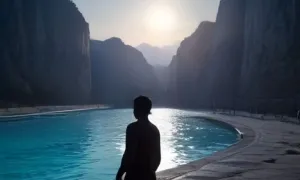
Drag the slider to compare how the landmark may have looked when it was built with the view today.
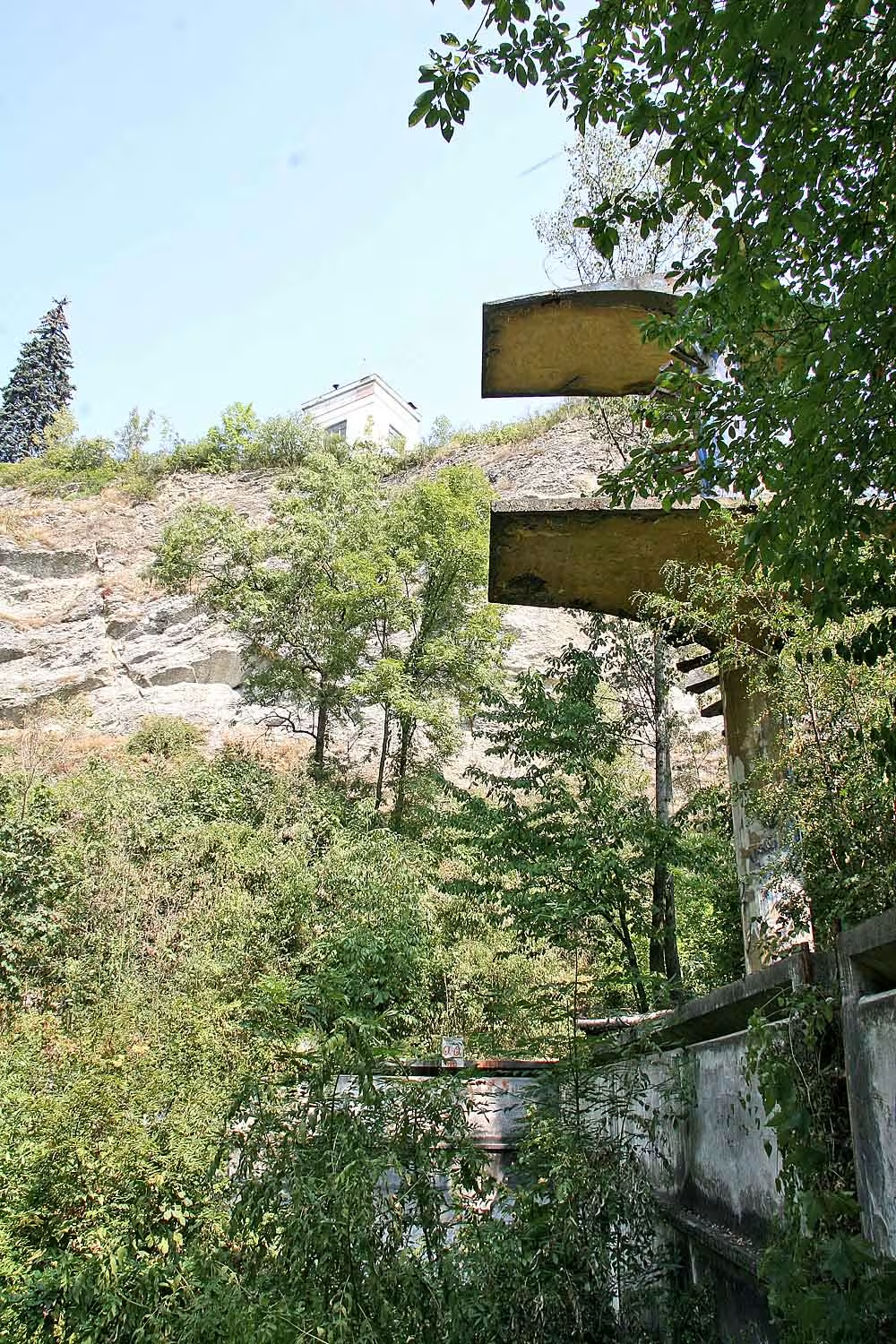
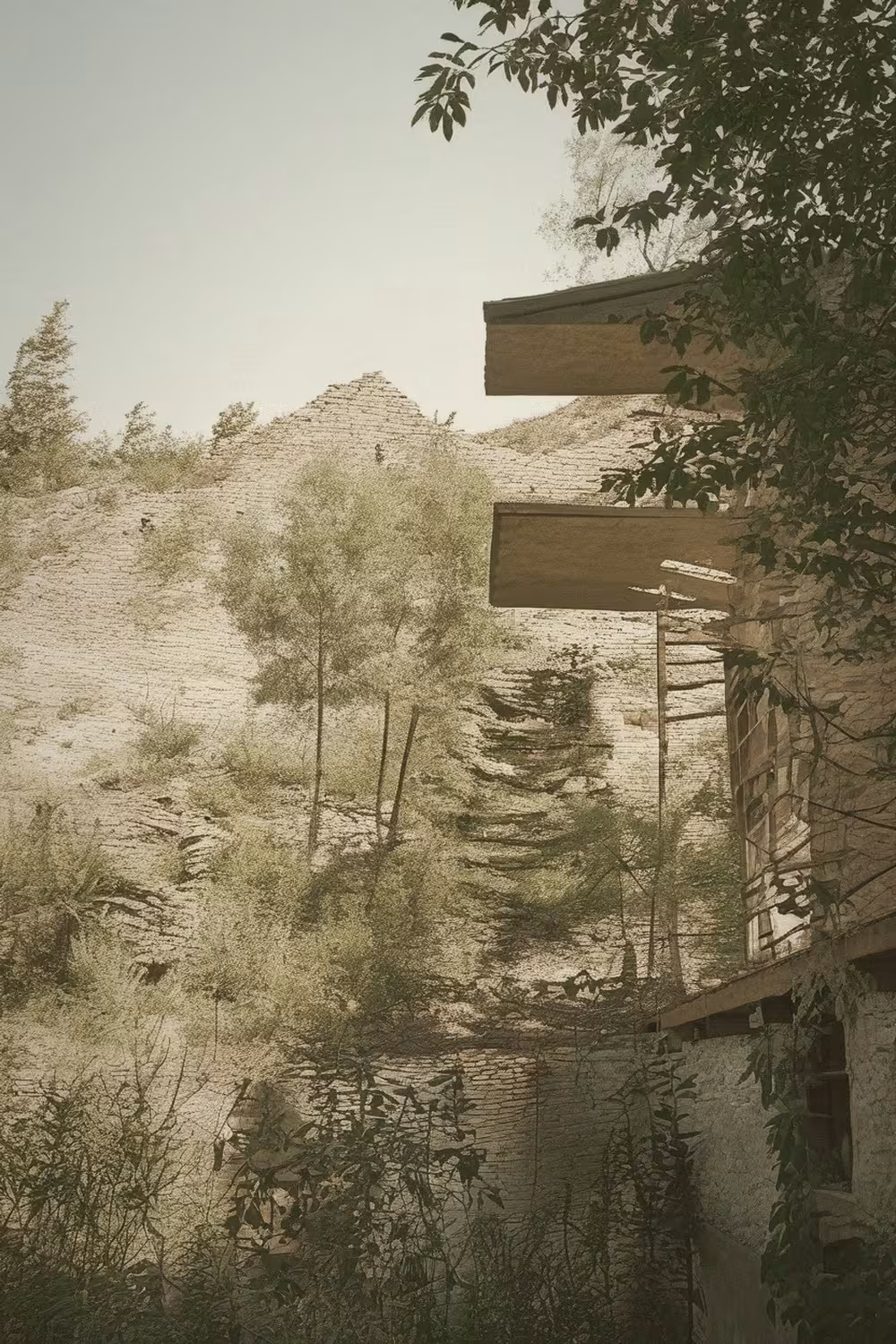
The historical appearance on the left is an AI-generated visualisation and serves as inspiration only.
Historical milestones
- 1930
- Official opening of the swimming pool on August 16.
- 1934
- A wooden building within the complex burned down.
- 1966
- The pool stopped functioning after years of limited operation.
- 1988
- The area was declared a cultural monument.
Architectural development
The complex was constructed between 1929 and 1931 in a functionalist style, utilizing the natural terrain of a former limestone quarry. It featured a 50 x 18 meter pool, a 10-meter diving tower, tennis courts, and a boat house. The architecture was published in professional journals like Stavba for its scientific functionalism.
Historical events
1930: The swimming pool was officially opened on August 16.
1934: A wooden building on the premises caught fire.
1966: The pool ceased its limited operation.
1988: The Barrandov terraces area, including the pool, was declared a cultural monument.
Owners
The land was originally owned by Václav M. Havel, who offered it to the Czech Swimming Club. After being nationalized in 1948, it was returned to the Havel family (Václav and Ivan Havel) after the revolution. Ownership later involved Dagmar Havlová and Michalis Dzikos.
Points of interest
– It was the first competitive swimming pool in Czechoslovakia and remains a significant example of functionalist architecture. – The complex included a 10-meter diving tower designed by Vladimír Grégr and grandstands that could accommodate up to 4,000 spectators. – The facility was integrated into the Barrandovské terasy and connected by rock-carved stairs and a food elevator. – To promote the facility, actor Vlasta Burian challenged Alfred Nikodém to a 100-meter race. – Because it was situated on the west bank of the Vltava valley directly under cliffs, the area fell into deep shade after
Guide
Show guide text
This text was created by artificial intelligence and has not been editorially reviewed. It may contain inaccuracies.
Welcome to Hlubočepy. As you stand here, take a moment to simply breathe and absorb the atmosphere of this unique location. You are standing before a site that carries the weight of history, a place where the ruggedness of nature meets the precision of human design. Looking around, you might feel a sense of transition, as if you are standing on the threshold between the industrial past and a more refined, social era. This is the site of the swimming pool Pod Barrandovem, a place that was once the beating heart of sports and social life in the region. Notice how the landscape itself seems to define the space; you are not just at a swimming pool, but within the embrace of a former limestone quarry. It is this very integration of the man-made and the natural that gives this place its profound character.
To understand what you are looking at, we must travel back nearly a century. Imagine the late 1920s, a period of immense optimism and architectural innovation. Between 1929 and 1931, this site underwent a radical transformation. What was once a raw, excavated quarry was reimagined as a temple of health and competition. This was no ordinary local pool. When it officially opened its doors on August 16, 1930, it made history as the very first competitive swimming pool in all of Czechoslovakia. It was a symbol of a modern, progressing nation, a place where the spirit of athleticism was celebrated on a grand scale. For many, this was the pinnacle of leisure, a destination where the boundaries of the old world were being pushed aside by the energy of the new.
As you observe the layout of the site, I invite you to pay close attention to the architectural language spoken here. This complex is a magnificent example of the functionalist style, an architectural movement that sought to strip away unnecessary ornament in favor of purpose, clarity, and clean lines. The architects behind this vision—Václav Kolátor, Jaroslav Kalvach, and Vladimír Grégr—did not merely build a facility; they choreographed a space. They embraced the functionalist philosophy, ensuring that every element served a specific role in the experience of the visitor. Notice how the structures seem to respect the contours of the quarry. Instead of imposing themselves harshly upon the land, the buildings and the pool were integrated into the environment, creating a seamless connection between the stone walls of the quarry and the geometric precision of the architecture.
If you look toward the areas where the structures once stood in their full glory, try to visualize the scale of the engineering. One of the most breathtaking features of this complex was the 10-meter diving tower, a masterpiece designed by Vladimír Grégr. Imagine the sight of a diver poised at that height, silhouetted against the sky, before plunging into the water below. And consider the sheer human energy that once filled this space. The grandstands were designed to accommodate up to 4,000 spectators. Imagine the roar of the crowd, the collective gasp as a diver took flight, and the vibrant, social hum of thousands of people gathered here under the sun. It was a massive, living organism of sport and community.
A place of such significance naturally becomes a magnet for the most influential figures of its time. During its golden years, Pod Barrandovem was more than just a sports venue; it was a social hub where the pulse of society could be felt. The names associated with this era and this social fabric are legendary. Figures such as Václav M. Havel, Ladislav Hauptmann, O. Petřík, Vlasta Burian, and Alfred Nikodém were part of the cultural and social landscape that frequented such prestigious locations. While the specific echoes of their footsteps have long since faded, the prestige they brought to the era is still palpable in the air. When you stand here, you are standing where the elite and the enthusiasts of the interwar period once gathered to celebrate the modern way of life.
However, the history of this site is not only one of triumph and elegance; it is also a story of resilience and change. Even in its prime, the complex faced trials. In 1934, a significant wooden building within the complex was lost to a fire, a moment that surely marked a turning point for the community that cherished this place. As the decades passed, the world changed, and so did the fortunes of the pool. After years of operating with limited capacity, the era of the bustling, crowded pool finally came to an end in 1966. The silence that followed was profound. For many years, the site stood as a quiet reminder of a bygone era, a functionalist relic resting in the hollow of the quarry.
Yet, there is a certain mystery in how such a place survives. How does a site transition from a bustling center of 4,000 people to a silent monument? It is through the recognition of its soul that it was saved. In 1988, the area was officially declared a cultural monument, a testament to the fact that its architectural and historical value could not be ignored. This designation ensured that even as the water stopped flowing and the crowds dispersed, the spirit of the architects and the history of the first competitive pool in Czechoslovakia would be preserved for generations to come.
As you continue your walk through Hlubočepy, I encourage you to keep looking, not just at the structures, but at the spaces between them. Feel the layers of time that exist here, from the industrial extraction of the limestone to the high-society elegance of the 1930s. The swimming pool Pod Barrandovem remains a powerful witness to the ambition of the past. Take your time to explore the surroundings, to sense the geometry of the functionalist design, and to appreciate the quiet dignity of this historic landmark. Thank you for walking through history with me today. Enjoy the rest of your journey.
Tips for visitors
The ideal time to visit the Plavecký bazén pod Barrandovem is during late spring or early autumn, when the pleasant weather allows for a comfortable exploration of the ruins and the surrounding area. During these months, you can enjoy the natural beauty of the Barrandov Terraces without the summer crowds. The milder temperatures also make it easier to appreciate the site's historical significance while taking leisurely walks along the limestone cliffs overlooking the Vltava river valley.
Parking and transport options are convenient for visitors to the Plavecký bazén pod Barrandovem. You can drive to the area, but be sure to check local resources or a map service for specific parking details, as they may vary. Alternatively, public transportation is available; however, we recommend verifying current routes and schedules online to ensure a smooth journey.
When visiting this historical site, we recommend wearing comfortable walking shoes, as the terrain around the limestone cliffs can be uneven. A hat, sunscreen, and water are also highly recommended, especially if you plan to explore the area on sunny days. Bringing a camera is advisable to capture the unique landscape of the Barrandov Terraces and the picturesque views along the Vltava river valley.
For photography enthusiasts, the light of early morning or late afternoon provides the best conditions for capturing stunning images of the Plavecký bazén pod Barrandovem. The soft lighting during these times accentuates the textures of the limestone cliffs and the ruins. Additionally, positioning yourself near the water's edge can offer beautiful reflective shots that highlight the site's natural beauty.
Within a 30-minute radius, visitors can explore more of Hlubočepy or venture toward central Prague to discover other historical sites and cultural landmarks. The proximity to the Vltava river valley also offers wonderful opportunities for scenic walks and enjoying nature. For families with children, these areas provide both educational experiences and leisure activities, making for a well-rounded visit.
Businesses nearby
Events nearby

Zdroj akcí: otevřená data měst a obcí ČR (Národní katalog otevřených dat) a kalendář akcí Národního památkového ústavu.
Nearby
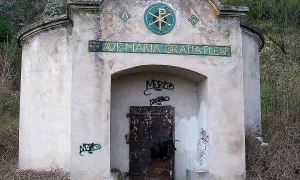
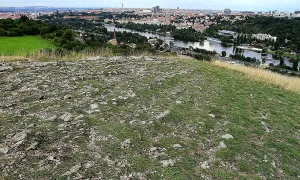
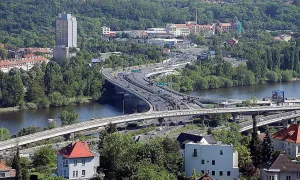
The pool is located in the Barrandov Terraces area, situated near the Vltava river valley and limestone cliffs in Hlubočepy.
Accommodation nearby
Trips and activities nearby
Guided tours, tickets and activities nearby from GetYourGuide
Affiliate link: if you buy from the partner, we may receive a commission. The price for you does not change.
Search tours and activities →Themed route
Thematic Walking Tour: Barrandov Terraces and Surroundings
1. Plavecký bazén pod Barrandovem (Pool) - *Type:* Recreational Facility - *Why Visit:* Begin your tour at this popular swimming pool located in the scenic Barrandov Terraces area, offering a refreshing start to your exploration with stunning views of the Vltava river valley and limestone cliffs.
2. Barrandovské terasy (Terraces) - *Type:* Natural Landscape - *Why Visit:* Walk along these terraced landscapes that provide panoramic vistas over Prague. The area is perfect for a leisurely stroll, allowing you to appreciate the unique geological formations and enjoy the tranquility of nature.
3. Vltava River Valley - *Type:* Natural Feature - *Why Visit:* Explore the picturesque Vltava river valley nearby, which enhances the scenic beauty of Barrandov Terraces. The valley is ideal for a peaceful walk or picnic, offering serene views and a chance to connect with nature.
4. Limestone Cliffs in Hlubočepy - *Type:* Geological Formation - *Why Visit:* Conclude your tour by visiting the limestone cliffs that characterize this area. These formations are not only visually striking but also provide insight into the region's geological history, making them a fascinating spot for nature enthusiasts.
This route offers a harmonious blend of natural beauty and recreational activities, perfect for those looking to explore the unique landscapes around Hlubočepy.
Seasonal recommendations
Spring brings a sense of renewal to the ruins of plavecký bazén pod Barrandovem as fresh greenery begins to sprout through the cracks in the concrete. The lighting is soft and diffused, which is perfect for capturing the delicate balance between nature and the decaying structure. Since the weather in Hlubočepy can be quite changeable during this time, it is best to dress in layers and wear sturdy, water-resistant shoes to handle any mud. You will likely enjoy a much more tranquil experience with fewer crowds compared to the warmer months.
Summer transforms the site into a sun-drenched and intense location. The heat can become quite heavy in the valley, and the surrounding vegetation is lush and dense. To avoid the peak midday temperatures and the larger crowds that arrive during the main summer season, plan to arrive early in the morning. Bringing plenty of water and wearing sun protection is essential, as the open ruins offer very little shade from the direct sunlight.
Autumn lends a melancholic and poetic atmosphere to the ruins, as the changing colors of the leaves provide a dramatic backdrop to the weathered stone. The misty mornings in the Hlubočepy area can add a layer of mystery to the landscape, making the site feel even more secluded. It is recommended to wear warm, practical clothing and heavy-duty shoes for walking on potentially slippery, leaf-covered ground. Visiting in the late afternoon allows you to enjoy the beautiful, golden light of the setting sun.
In winter, the plavecký bazén pod Barrandov takes on a stark and desolate character. The ruins appear skeletal against the gray skies, often dusted with frost or snow, creating a quiet and contemplative environment. Because the days are short and the valley can feel particularly cold, it is crucial to wear heavy, insulated clothing. The site is at its most peaceful during this season, with very few visitors, but you should be mindful of the limited daylight and the possibility of icy paths.
Visualizations and artistic views


The visualisations are generated by artificial intelligence and serve as inspiration.
Photos from the area
Real photos taken near the monument

Zdroj a licence jsou uvedeny u každého snímku.
Tips from visitors
No tips yet. Be the first!
Log in and add your tip.
Sources and literature
Fotografie: Zp / CC BY-SA 3.0 — Wikimedia Commons. The author and licence also appear when you hover over the image.
Faktickým podkladem tohoto textu byl článek na Wikipedii, jehož autory jsou přispěvatelé Wikipedie. Článek je dostupný pod licencí CC BY-SA 4.0.
Location on the map
Příběhy a pověsti
Legendy, pověsti a příběhy spjaté s touto památkou
Fotografie návštěvníků
Zatím žádné fotografie. Buďte první, kdo přidá fotografii z návštěvy!
Přihlaste se a přidejte svou fotografii nebo hodnoťte.
Za ověřenou návštěvu v aplikaci získáte víc bodů — poznáme podle GPS, že jste na místě.
Reviews and comments