



Dietrichsteinský palác na Novém Městě Palace
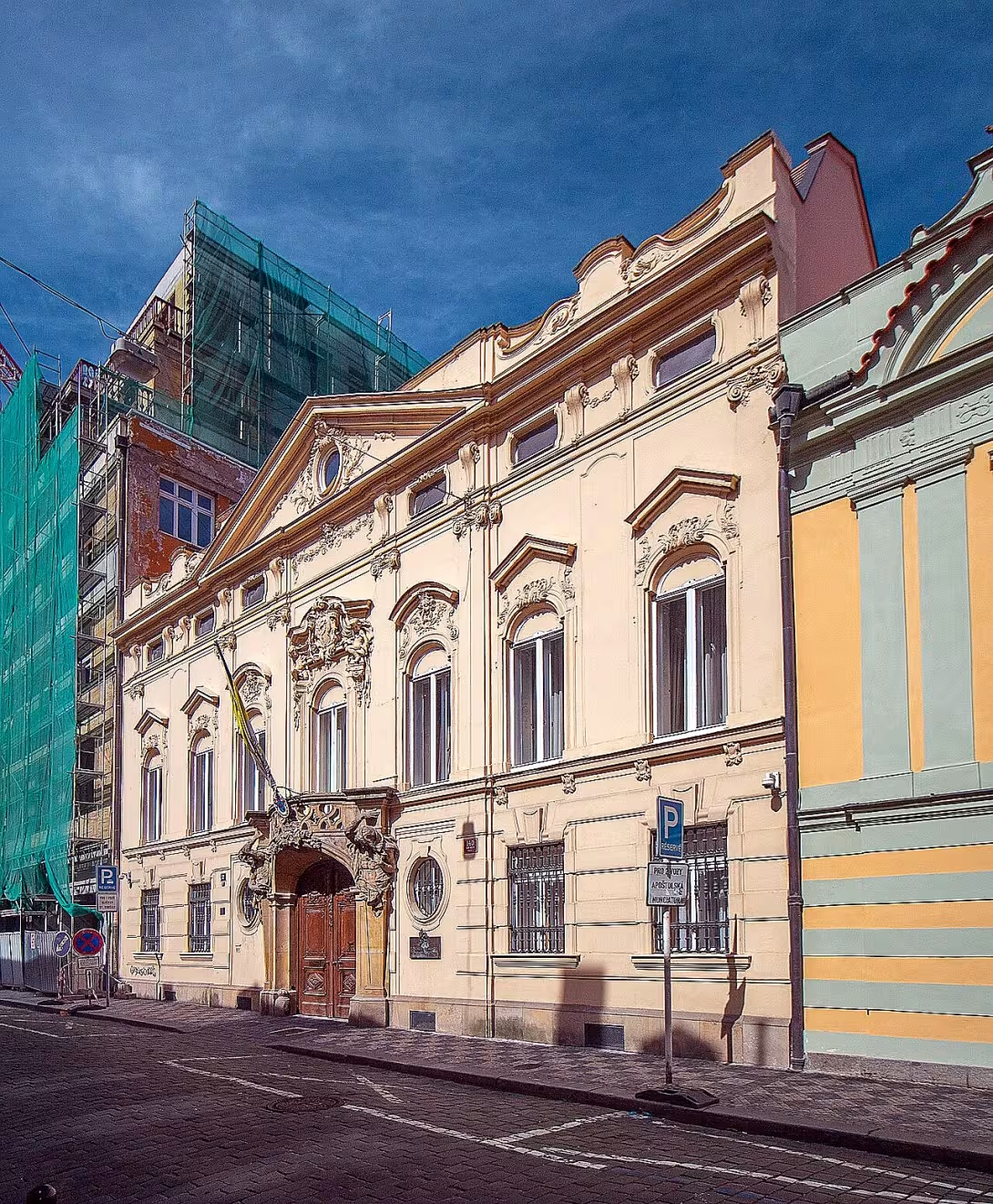
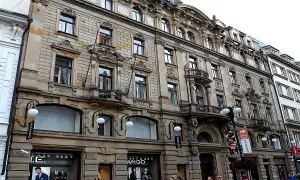
Dietrichsteinský Palace, also known as Valterův Palace, is a notable neobaroque structure located on Voršilská Street in Prague's New Town. It serves as the residence of the Apostolic Nunciature of the Holy See in the Czech Republic and stands out for its historical significance and architectural beauty. Originally a medieval house, it has undergone various transformations over centuries, reflecting different styles and ownerships, culminating in its current form completed in 1891 under Matěj Valtera's direction.
The origins of Dietrichsteinský Palace trace back to the Middle Ages when it began as a simple structure. Over time, it was expanded and modified by various owners, including notable families such as the Haugviců z Biskupic and Ditrichštejnů. In 1846, the palace hosted an important cultural event: the founding of the Prague Měšťanská beseda, a significant gathering that included prominent figures like Josef Jungmann, František Palacký, and Jan Svatopluk Presl. This period marked its transformation into a site of cultural and social importance.
The architectural evolution of Dietrichsteinský Palace reached its zenith in the late 19th century when it was transformed into its current neobaroque style under Matěj Valtera's ownership. The redesign, led by architect Bedřich Ohmann, incorporated stucco and sculptural decorations inspired by mid-18th-century Viennese palaces. Artists Celda Klouček and Jan Kastner contributed to the intricate stucco work and sculptures, adding artistic sophistication.
Throughout its history, Dietrichsteinský Palace has seen various owners who influenced its development and purpose. After Matěj Valtera's significant reconstruction in 1891, it changed hands again when purchased by the Apostolic Nunciature in 1928. Since 1929, it has served as the seat of this diplomatic mission, marking a shift from cultural gatherings to an important role in international relations.
The palace is rich in history and connected to contemporary events and personalities. In 2022, Jude Thaddeus Okolo assumed the position of Apostolic Nuncio, notable for his fluency in Czech, highlighting its ongoing relevance in fostering diplomatic ties between the Holy See and the Czech Republic.
Today, Dietrichsteinský Palace remains a protected cultural monument within Prague's vibrant New Town. Its historical significance and architectural beauty make it a worthwhile visit for those interested in history and art. The palace stands as a testament to Bohemian history and continues to play an essential role in modern diplomatic relations. Visitors are invited to explore this remarkable site and appreciate its enduring legacy within Prague's historical landscape.
Then and now
Drag the slider to compare how the landmark may have looked when it was built with the view today.
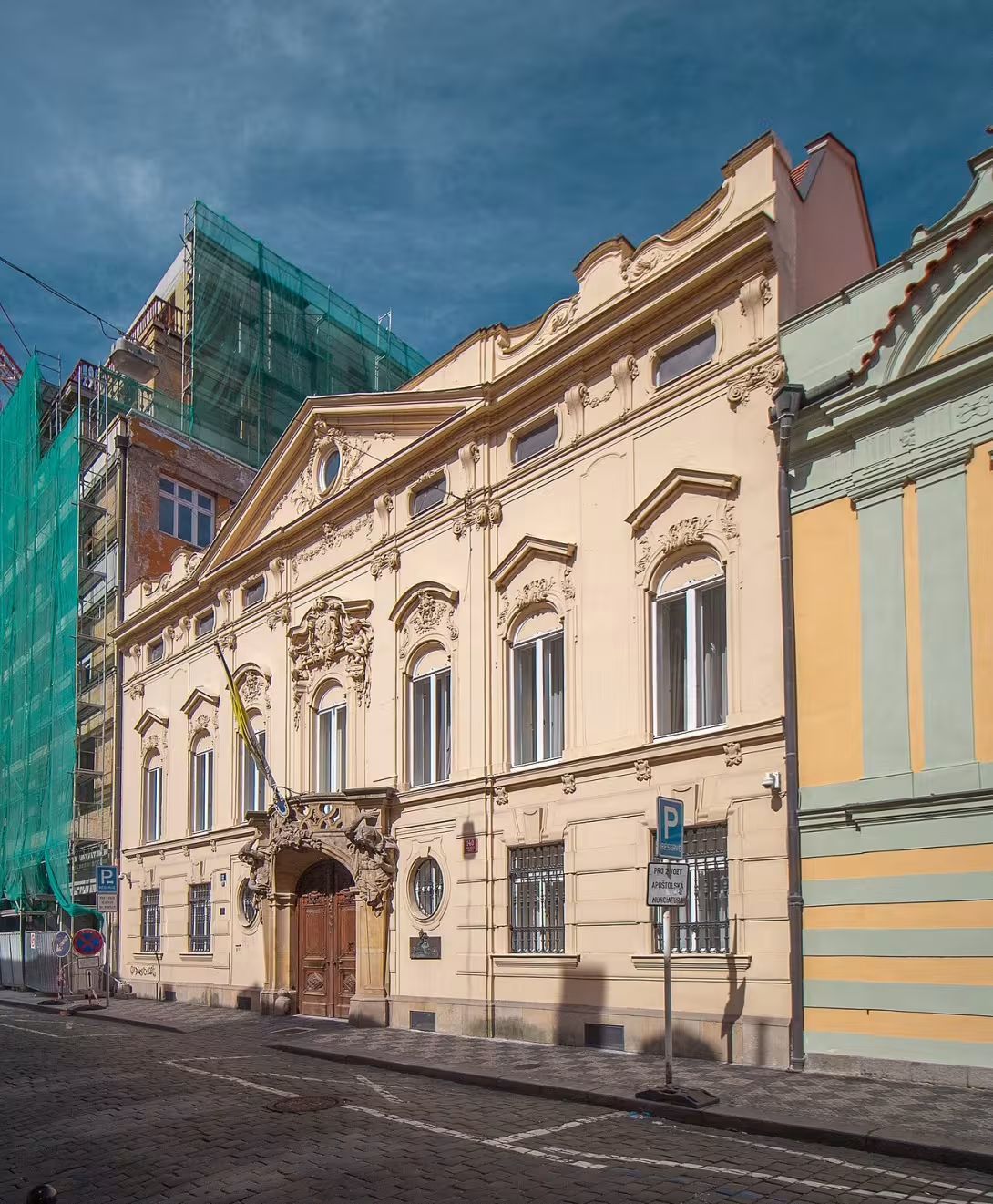
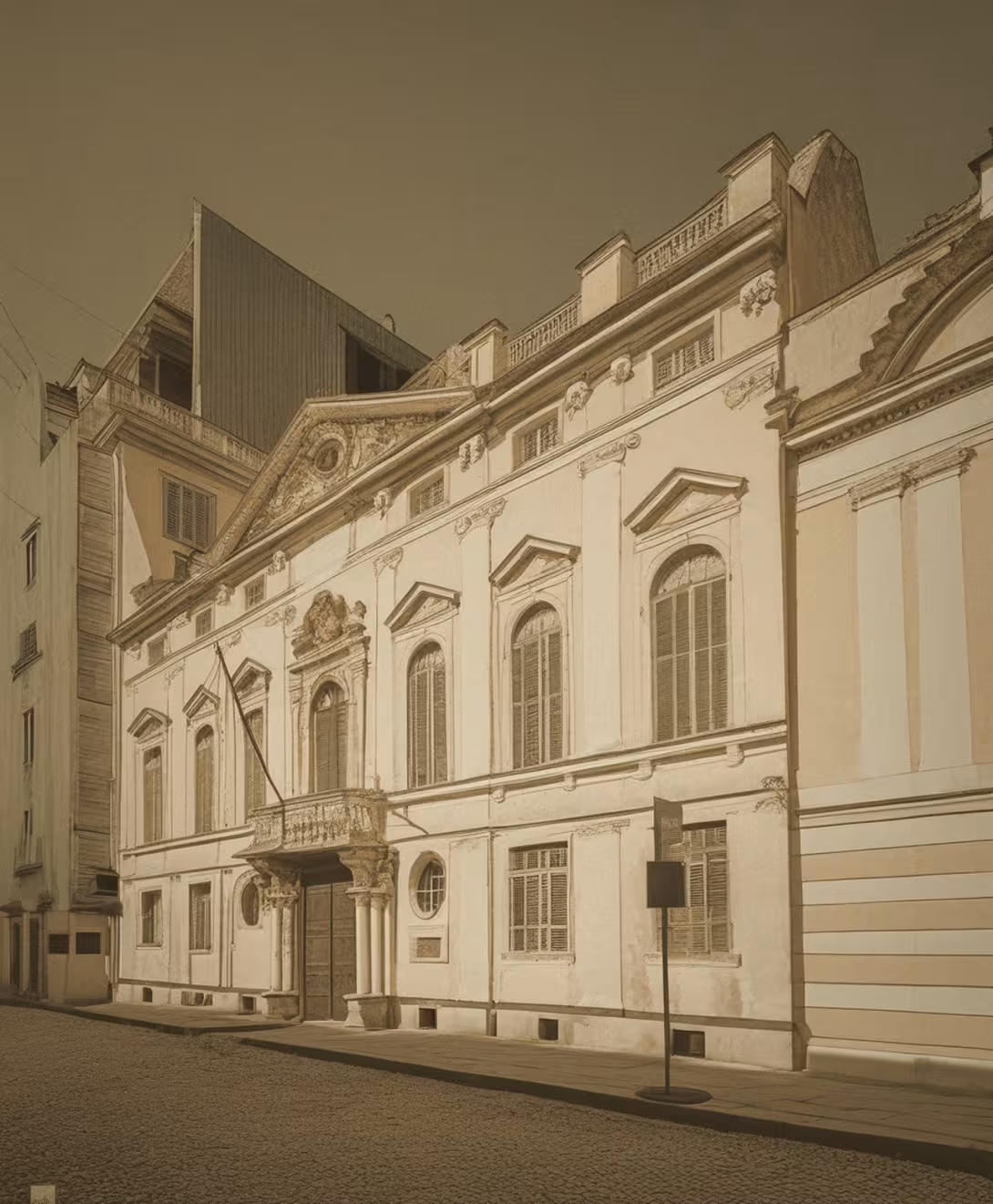
The historical appearance on the left is an AI-generated visualisation and serves as inspiration only.
Historical milestones
- 1846
- Foundation of the Prague Měšťanská beseda.
- 1891
- Completion of the neobaroque reconstruction by Matěj Valtera.
Architectural development
Originally a medieval house, Dietrichsteinský palác was expanded over time. In the late 19th century, it underwent significant reconstruction to its current neobaroque style under Matěj Valtera's ownership. Architect Bedřich Ohmann designed the transformation, incorporating stucco and sculptural decorations reminiscent of mid-18th-century Viennese palaces.
Historical events
In 1846, the Prague Měšťanská beseda was founded at the site with notable figures such as Josef Jungmann and František Palacký.
The palace became the seat of the Apostolic Nunciature in 1929.
Owners
Haugviců z Biskupic
Ditrichštejnů
Matěj Valtera (1844–1936)
Apostolic Nunciature since 1929
Points of interest
- The Dietrichsteinský Palace was originally a medieval house before undergoing various transformations over centuries, reflecting the changing styles and ownerships of notable families such as Haugviců z Biskupic and Ditrichštejnů.
- In 1846, the palace hosted the founding of the Prague Měšťanská beseda, an important cultural event attended by prominent figures like Josef Jungmann, František Palacký, and Jan Svatopluk Presl, marking its transformation into a site of cultural and social importance.
- The architectural redesign in the late 19th century under Matěj Valtera's direction was led by architect Bedřich Ohmann, incorporating stucco and sculptural decorations inspired by mid-18th-century Viennese palaces, with contributions from artists Celda Klouček and Jan Kastner.
- After its significant reconstruction in 1891, the palace changed hands again when purchased by the Apostolic Nunciature in 1928, marking a shift from cultural gatherings to an important role in international relations as it became the seat of this diplomatic mission.
- In 2022, Jude Thaddeus Okolo assumed the position of Apostolic Nuncio at Dietrichsteinský Palace, notable for his fluency in Czech, highlighting its ongoing relevance in fostering diplomatic ties between the Holy See and the Czech Republic.
Guide
This guide is narrated by a synthetic voice generated by artificial intelligence.
Show guide text
This text was created by artificial intelligence and has not been editorially reviewed. It may contain inaccuracies.
Welcome to the historic Dietrichsteinský Palace in Prague's New Town. As you stand here on Voršilská Street, take a moment to absorb the elegant presence of this neobaroque masterpiece before you. The palace exudes an air of timeless grandeur, its façade inviting you into centuries of history and architectural evolution.
The story of this remarkable building begins in medieval times when it was originally a modest house. Over the centuries, it underwent various transformations that reflect changing styles and ownerships by notable families like the Haugviců z Biskupic and Ditrichštejnů. By 1846, it played host to an important event—the founding of the Prague Měšťanská beseda, marking its significance in cultural history.
Fast forward to 1891, when architect Bedřich Ohmann completed a significant neobaroque reconstruction under the guidance of Matěj Valtera. This transformation imbued the palace with its current architectural charm. As you observe the building's façade now, notice the harmonious blend of classical and baroque elements that define its unique style.
This site has been intertwined with the lives of several key historical figures such as Josef Jungmann, Pavel Josef Šafařík, František Palacký, and Jan Svatopluk Presl. These individuals contributed significantly to Czech culture and history, adding layers of intellectual and cultural depth to this location.
One intriguing aspect of the Dietrichsteinský Palace is its evolution from a medieval house into a symbol of architectural innovation and cultural significance. This transformation reflects not just changes in style but also shifts in societal values and priorities over time.
As you continue your exploration, I invite you to delve deeper into the rich tapestry of history that surrounds this palace. Discover more about its past inhabitants and their contributions to Czech heritage. Thank you for joining me on this journey through time and architecture. Enjoy your visit!
Tips for visitors
The best time to visit the Dietrichsteinský Palác is during late spring or early fall when the weather is pleasant, allowing you to comfortably explore both the palace grounds and the surrounding area of Prague's New Town. During these seasons, the city's historical architecture is beautifully complemented by vibrant greenery and blooming flowers, creating a picturesque setting for your visit. Additionally, visiting outside peak tourist season helps avoid large crowds, providing a more intimate experience with the site.
The palace is accessible by tram lines that serve Prague's New Town, making it easy to reach from various parts of the city without needing a car.
When planning your visit to Dietrichsteinský Palác, consider bringing a camera for capturing its architectural beauty, especially if you're interested in photography. The best spots for photographs include the front façade of the palace and the surrounding gardens, where natural light enhances the neobaroque details. Early morning or late afternoon is ideal for softer lighting conditions. Don't forget to bring comfortable walking shoes as exploring the area on foot can be rewarding.
Nearby attractions within a 30-minute walk include several historical sites and cultural landmarks that enrich your visit. The Prague National Museum, located close by, offers insights into Czech history and art. For those interested in religious architecture, St. Nicholas Church is just a short distance away. These nearby sites provide additional context to the rich tapestry of Bohemian history surrounding Dietrichsteinský Palác.
For families with children visiting Dietrichsteinský Palác, there are several tips to ensure an enjoyable experience for all ages. The palace gardens offer a peaceful setting for a family picnic or leisurely stroll. While the interior may be more appealing to adults interested in architecture and history, the surrounding area of Prague's New Town has plenty of attractions that cater to younger visitors, including interactive exhibits at nearby museums and playgrounds within walking distance. Planning your visit during weekdays can also result in fewer crowds, making it easier to navigate with children.
Frequently asked questions
Can the monument be visited?
Some buildings of this kind are open for guided tours, others serve another purpose or are privately owned. We have not verified whether and when this monument is open – please ask the operator.
What are the opening hours and admission?
We have not verified the opening hours or admission. Current information is published by the operator.
Where is the monument?
Location: Voršilská 140/12, Nové Město, Praha, Hlavní město Praha. The map on this page shows the exact spot.
Why is the monument protected?
It is listed in the Central List of Cultural Monuments of the Czech Republic as a cultural monument (register no. 39881/1-1087).
Businesses nearby
Do you run a restaurant, accommodation, shop, museum, rental, wellness or other visitor service near this monument? Show yourself directly to the people heading to it — this is how they will see you in the app and on the web:
Events nearby

Zdroj akcí: otevřená data měst a obcí ČR (Národní katalog otevřených dat) a kalendář akcí Národního památkového ústavu.
Nearby
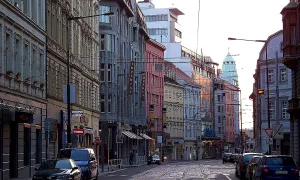
Located in Prague's New Town, the palace is surrounded by historical architecture and cultural landmarks. The area offers a rich tapestry of Bohemian history and modern urban life.
Accommodation nearby
Trips and activities nearby
Guided tours, tickets and activities nearby from GetYourGuide
Affiliate link: if you buy from the partner, we may receive a commission. The price for you does not change.
Search tours and activities →Themed route
Dietrichstein Palace and Surroundings of New Town Route
1. Dietrichstein Palace (Palace) Start your tour at the Dietrichstein Palace, a beautiful example of Baroque architecture located in New Town. This palace is known for its historical significance and rich history dating back to the 17th century. It's an excellent beginning to explore Prague's Baroque heritage and architectural elegance.
2. Špalíček (Café) Move on towards Špalíček, one of the oldest and most beloved cafés in Prague. This historic café offers a peaceful atmosphere for relaxation after exploring the palace. It is known for its authentic Czech cuisine and comfortable interiors, making it an ideal place to rest.
3. Old Town Square (Square) Continue southward to Old Town Square, the heart of Prague's historic center. This square is famous for its beautiful Gothic town hall and ancient water fountain. It’s a perfect spot for strolling where you can appreciate Prague's history and atmosphere.
4. Mala Strana (Historic Square) Finally, head west to Mala Strana, known for its Baroque houses and views of the Vltava River. This part of Prague offers a tranquil atmosphere with rich history and culture. A walk through the streets of Mala Strana allows you to appreciate its architectural beauty and peaceful squares.
This route offers a glimpse into the rich history and culture of Prague's New Town, combining architectural works with serene spaces for relaxation.
Seasonal recommendations
Spring: Visiting Dietrichstein Palace during spring offers a unique experience as the surrounding gardens and parks come alive with vibrant colors from blooming flowers, creating an enchanting atmosphere that perfectly complements the historical elegance of the palace. The mild weather allows for comfortable exploration, though it's wise to check ahead as some outdoor areas might still be recovering from winter conditions. This is also a popular time for visitors, so arriving early can help avoid larger crowds and ensure a more peaceful experience.
Summer: Summer at Dietrichstein Palace is characterized by long daylight hours that enhance the beauty of its architecture with warm sunlight, providing ideal lighting for photography enthusiasts. The lush greenery and blooming flora create an inviting atmosphere perfect for leisurely strolls around the palace grounds. However, this season also attracts many visitors, so planning your visit during off-peak hours or weekdays can help avoid the crowds. Dressing in light, breathable clothing is recommended to stay comfortable during warmer days.
Autumn: Autumn brings a spectacular display of colors as the leaves change, casting a golden hue over the palace and its surroundings, offering a picturesque setting for visitors. The cooler temperatures make it an ideal time for exploring both indoor exhibits and outdoor areas without the summer heat. This season tends to be less crowded than summer, providing a more relaxed visit. It's advisable to wear layers as the temperature can vary throughout the day.
Winter: Winter transforms Dietrichstein Palace into a serene and magical destination, with snow often blanketing the grounds and adding a fairy-tale quality to its historic architecture. The shorter days mean that visits are best planned for earlier in the day to make the most of the limited daylight hours. While some outdoor areas might be less accessible due to weather conditions, the palace's interiors remain open for exploration. Wearing warm clothing is essential during this season, and visitors should check ahead for any changes in opening times or available services.
Visualizations and artistic views


The visualisations are generated by artificial intelligence and serve as inspiration.
Photos from the area
Real photos taken near the monument


Zdroj a licence jsou uvedeny u každého snímku.
Tips from visitors
No tips yet. Be the first!
Log in and add your tip.
Sources and literature
Photos: VitVit / CC BY-SA 4.0 — Wikimedia Commons. The author and licence also appear when you hover over the image.
Faktickým podkladem tohoto textu byl článek na Wikipedii, jehož autory jsou přispěvatelé Wikipedie. Článek je dostupný pod licencí CC BY-SA 4.0.
Location on the map
More monuments – Nové Město
Show all in the municipality


Příběhy a pověsti
Legendy, pověsti a příběhy spjaté s touto památkou

Fotografie návštěvníků
Zatím žádné fotografie. Buďte první, kdo přidá fotografii z návštěvy!
Log in a přidejte svou fotografii nebo hodnoťte.
Za ověřenou návštěvu v aplikaci získáte víc bodů — poznáme podle GPS, že jste na místě.
Reviews and comments