






Dominikánský klášter v Jihlavě Monastery
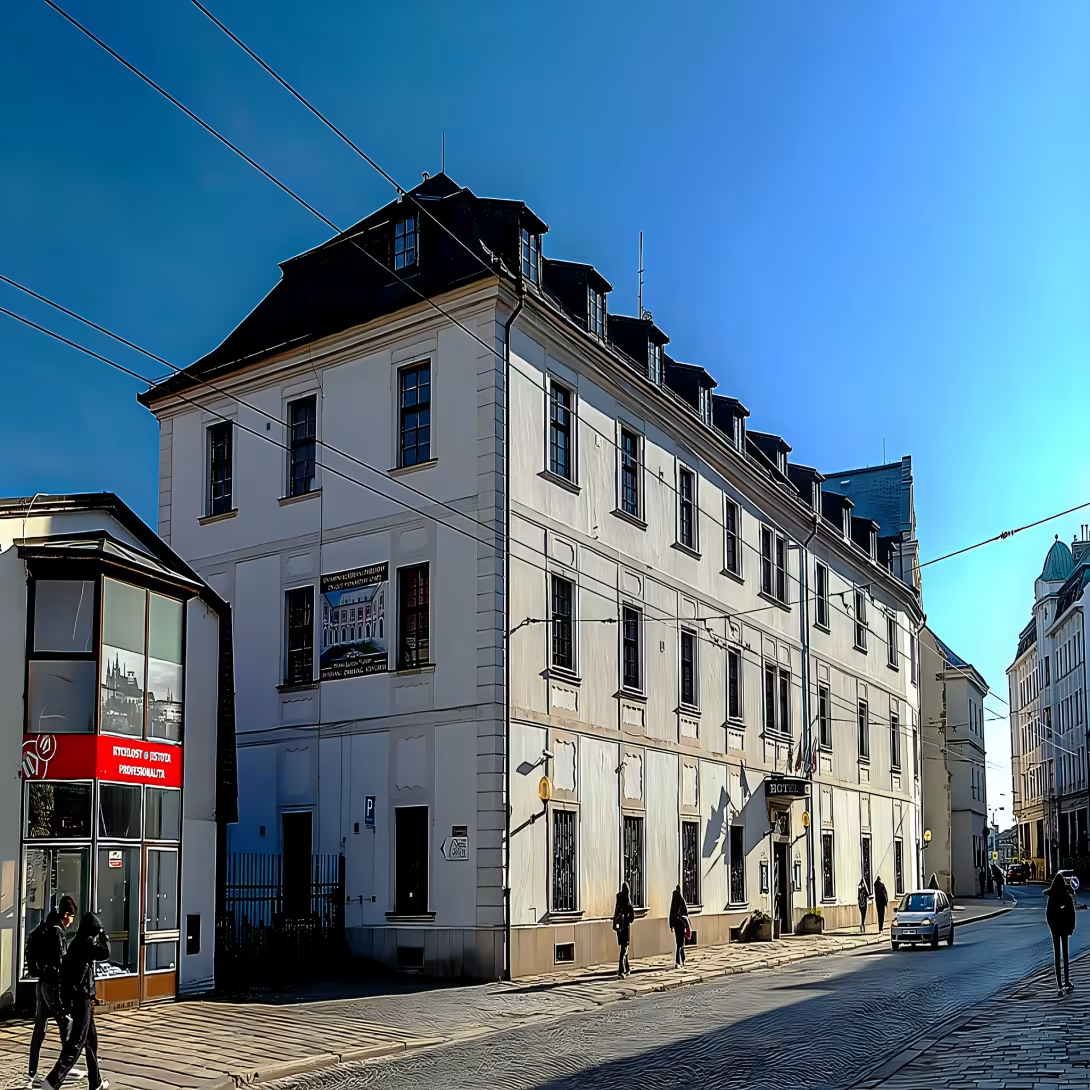
The Donetsk monastery occupies a place in Cross Street in the heart of Jihlava, near Masaryk Square. It is assumed that it was founded by Přemysl Otakar II. in 1247, although the first verified written mention of its existence came from a document issued before 31 May 1257. The church at the monastery bears the name of the Holy Cross.
The monastery has become the scene of several politically important negotiations. In 1436 outside his walls, negotiations were held on Basel compactates, which determined the fate of the Hussite movement. Thirteen years later, in 1449, there was a meeting between the Straconian and the Podibrad Unions. In 1501, a Moravian Earth Assembly was held in the monastery, and at the turn of the summer and autumn of 1531 he was visited by King Ferdinand I himself to attend another Earth Assembly.
The monastery also experienced the bitterness of physical disasters. In 1353 he was seized by a fire that struck the two southern monasteries. The disaster in 1513 was far more serious when the monastery burned down on 29 May along with 90 houses nearby. The brothers were expelled, but later new members of the Order returned to the monastery. The buildings of the monastery were rebuilt especially during the Baroque period; today's interiors only retain some relics of the original installation.
The Protestantism of Jihlava in the first decades of the 16th century negatively affected the position of Dominicans. Following the arrival of Preacher Pavel Sperat in 1522, the city was rapidly lusterizing, leading to a weakening of support for the religious community and economic difficulties. The monastery was forced to sell its land and face attempts by the city council to abolish it. The period of the Thirty Years' War was emptied even more by the line of brothers - between 1645 and 1647, when the Jihlava was captured by Swedish troops, only three brothers stayed in the monastery.
At the time of the Josephine reforms, Dominican brothers left the monastery in 1781 and moved to the neighboring Jesuit college. At that time, the Convention consisted of twenty brothers, but they were only briefly present in the new site. In 1784 the monastery was definitively abolished at the order of emperor Josef II. The building has gradually lost its original mission and is currently serving as a hotel, thereby preserving its place in Jihlava as an architectural reminder of the centuries-long influence of the Dominican Order on the city.
Then and now
Drag the slider to compare how the landmark may have looked when it was built with the view today.
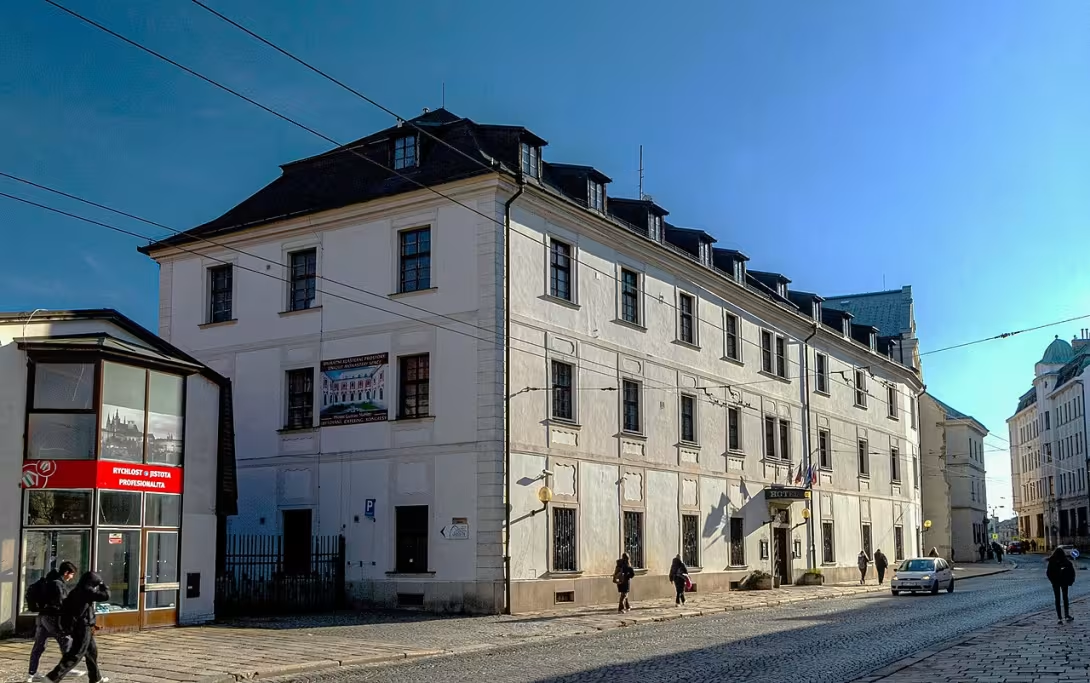

The historical appearance on the left is an AI-generated visualisation and serves as inspiration only.
Historical milestones
- 1436
- Negotiations on Basel Compactates
- 1501
- Moravian Earth Assembly
Architectural development
The monastery was built in Gothic style and later rebuilt in Baroque style. After the fire in 1513 there was a reconstruction, which included the construction of a horse mill in the monastery yard.
Historical events
- 1436
- Negotiations on Basel Compactates
- 1513
- Fire of the monastery and surrounding area
- 1784
- Cancellation of the Convention by Emperor Joseph's reforms
Owners
- 1247
- 1781-1784
- po 1784
Points of interest
- The Dominican monastery occupies a place in Cross Street in the heart of Jihlava, near Masaryk Square.
- It is believed to have been founded by Přemysl Otakar II. in 1247, the first certified written mention comes from the document before 31 May 1257.
- In 1436, negotiations were held behind his walls on Basel's compactates, which determined the fate of the Hussite movement.
- The monastery was hit by a fire in 1513 when it burned down along with 90 houses nearby.
- In the first decades of the 16th century, the Protestantism of Jihlava led to a reduction in support for Dominicans and economic difficulties, which eventually led to the abolition of the monastery in 1784 at the order of Emperor Josef II.
Guide
This guide is narrated by a synthetic voice generated by artificial intelligence.
Show guide text
This text was created by artificial intelligence and has not been editorially reviewed. It may contain inaccuracies.
Welcome to the historical monument, which is Dominikánský klášter v Jihlavě. You are standing in front of a majestic complex whose facade captures each visitor with its architectural beauty and historical significance. In front of you lies Cross Street, which leads to Masaryk Square, and the whole monastery complex tells stories of the past that have been stored here for centuries.
The Dominican monastery came from the 13th century when it was said that it was founded by Přemysl Otakar II. around 1247. The first certified written mention of the monastery comes from the charter before 31 May 1257, which shows its long and significant history. The monastery became an important centre not only for monastic life, but also for political events, such as the Basel compact negotiations in 1436, when important historical figures met here.
Take a look up at the facade of the Church of the Holy Cross and the adjoining convention. Even if we don't know the names of the architects, their work has been preserved for centuries and stands as an important example of the Gothic architecture of that time. Notice the quiet atmosphere and elegant lines that intersect with the history of this place.
The Dominican monastery witnessed many important events. For example, in 1436, negotiations were held behind his walls on Basel compactates, which sought to unify the Church. In 1501 there was also the Moravian Land Assembly. These historical meetings contributed to the formation of a spiritual and political scene in the region.
The interesting thing about this place is that after several hundred years it served as a monastery mansion before the convention was abolished by Emperor Joseph II in 1784. After this transformation, the complex was converted into a hotel, reflecting its ability to adapt and continue to serve society.
Let's move on to further examination. The Donetsk Monastery offers many opportunities to see the details that show the rich history and architecture of this place. I'm glad you decided to explore this memory, and I hope I can persuade you to visit again.
Thank you for your attention and friends, remember to write the monastery of Dominicans in Jihlava into your memories. Enjoy your further exploration!
Tips for visitors
The best time to visit the Dominican monastery in Jihlava is autumn or spring, when there are fewer visitors and nature around the monument offers beautiful colors. The calm atmosphere of these periods allows a better understanding of the historical importance of the monastery.
For those travelling by public transport, the monastery is easily accessible from the center of Jihlava; Check the current connection in the previous search engine.
When visiting the monastery we recommend taking comfortable shoes with us, because exploring historical places often involves walking on stone floors. Also remember the umbrella and protective drink, especially during warmer periods.
Photography of the monastery offers many interesting perspectives. The best light for pictures is in the morning or in the evening when the sun is not directly above your head. It is especially recommended to photograph from nearby alleys to the monastery in order to capture its architectural details in the best possible light.
In the vicinity of the monastery there is a parish church of St. James the Greater, which is another historical monument worthy of exploration. For families with children visiting these places is interesting in terms of education and provides an opportunity to learn the history of Jihlava.
Frequently asked questions
Can the monument be visited?
Religious buildings are usually open mainly during services; at other times a visit is normally arranged with the parish or the operator. We have not verified specific times.
Where is the monument?
Location: Křížová 112/4, Jihlava, Kraj Vysočina. The map on this page shows the exact spot.
Why is the monument protected?
It is listed in the Central List of Cultural Monuments of the Czech Republic as a cultural monument (register no. 41137/7-4877).
For kids
Imagine going back 779 years to the town of Jihlava, where the Dominican monastery is located. It was like entering a fairy tale! The Church of the Ascension of the Holy Cross was already a place where people came to prayer and reflection.
At that time there lived in the monastery the order of Dominicans who cared for the sick, the poor and the lonely. They were people with a big heart who did good work. The monastery was also a place where important meetings and meetings took place. The locals came here to learn about the news and events in the area.
Businesses nearby
Do you run a restaurant, accommodation, shop, museum, rental, wellness or other visitor service near this monument? Show yourself directly to the people heading to it — this is how they will see you in the app and on the web:
Nearby
The monastery is located in the heart of Jihlava, near Masaryk Square and Cross Street. There are other historical monuments such as the parish church of St. James the Greater.
Accommodation nearby
Trips and activities nearby
Guided tours, tickets and activities nearby from GetYourGuide
Affiliate link: if you buy from the partner, we may receive a commission. The price for you does not change.
Search tours and activities →Themed route
Thematic cruise route: Historical center Jihlava
1. Dominican monastery * Type: * Monastic complex Why is worth visiting: Dominikánský klášter v Jihlavě is one of the oldest and most valuable Gothic monuments in the city. Visit his historical buildings, which tell about the rich past and culture of the Highlands.
2. Masaryk Square * Type: * Square Why is it worth a visit: Masaryk Square is the heart of Jihlava, where history and modernity meet. Go around this central place that has served as an important public space for centuries.
3. Cross Street * Type: * Historical aisle Why is worth a visit: Cross Street is characteristic of its architecture and history that reflects the life of the city in the past. It's the perfect place to walk and know the atmosphere of old Jihlava.
4. Parish Church of St. Jacob the Greater * Type: * Church Why is worth a visit: This church is not only an important religious centre but also an architectural pearl with a rich history. Its interior and art decoration are the true value of every traveler.
5. Square in front of parish church * Type: * Square Why is worth a visit: This place is ideal for relaxation and reflections after exploring historical monuments. Here you can enjoy the quiet moments in the atmosphere of old Jihlava.
This route offers visitors a view of the most interesting historical places in the heart of Jihlava, which is an ideal way to learn more about local culture and history.
Seasonal recommendations
Spring: During the spring season, Dominikánský klášter v Jihlavě is projected into a vibrant light and warm colors when the blooming gardens around it offer an attractive view. The sun rays illuminate the architectural details of the monastery in the best colours, which is an ideal time for photography. Although traffic increases, the atmosphere remains calm and welcoming. It is recommended to visit early spring to enjoy the peace and warm sun rays without excessive crowds. Due to the changing weather, it is advisable to have a combination of light clothes on your hand that allows you to adapt to both thermal and colder moments.
Summer: Summer is the period of the greatest visit to the Dominican monastery in Jihlava. The sunny days attract many tourists and locals, which means a full programme of events and performances in the monastery space. The warm sunlight complements the fresh greenery of the surrounding nature, which is at its best during this period. We recommend visiting the monastery early to avoid long fronts and heat. Don't forget to allow enough time to explore the monastery interiors and garden spaces. Warm clothes, sunglasses and UV protection cream are essential to make your visiting day comfortable.
Autumn: In autumn, Dominikánský klášter v Jihlavě gains a atmosphere full of calm and relaxation from summer noise. November leaves bring a colour palette that gives monasteries a unique character. Sun days are still frequent, which provides beautiful lighting for photography and exploring the monastery. Visit him this season to enjoy mild weather without excessive crowds. Clothes should be adapted to variable autumn temperatures, so it is advisable to have laminated clothing on your hand and perhaps an umbrella for an unexpected collision.
Winter: The winter visit to the Dominican monastery offers a unique view of the historical monument, illuminated by ice rays and reminiscent of the time of saints. The quiet pavements around the castle are ideal for relaxation and relaxation from the freezing outdoor weather. Hot clothes, leather shoes and protection against cold are essential for comfort during the visit. In addition, it is advisable to note special events or performances that may be part of the adventure and Christmas period.
Visualizations and artistic views


The visualisations are generated by artificial intelligence and serve as inspiration.
Photos from the area
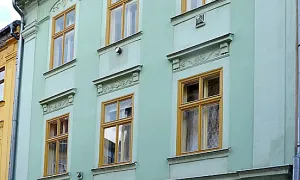
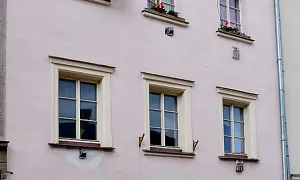
Real photos taken near the monument


Zdroj a licence jsou uvedeny u každého snímku.
Atmosphere of the place
This atmospheric visualisation of the place and period was generated by artificial intelligence. It is not real footage of the location.
Tips from visitors
No tips yet. Be the first!
Log in and add your tip.
Sources and literature
Photos: VitVit / CC BY-SA 4.0, rozlišení zvýšeno umělou inteligencí — Wikimedia Commons. The author and licence also appear when you hover over the image.
Faktickým podkladem tohoto textu byl článek na Wikipedii, jehož autory jsou přispěvatelé Wikipedie. Článek je dostupný pod licencí CC BY-SA 4.0.
Location on the map


Příběhy a pověsti
Legendy, pověsti a příběhy spjaté s touto památkou

Fotografie návštěvníků
Zatím žádné fotografie. Buďte první, kdo přidá fotografii z návštěvy!
Log in a přidejte svou fotografii nebo hodnoťte.
Za ověřenou návštěvu v aplikaci získáte víc bodů — poznáme podle GPS, že jste na místě.
Reviews and comments