






Dubá (Dubá) Castle
Objekt se nedochoval — na místě dnes nestojí. Následující text popisuje jeho historii, ne současnou návštěvu.
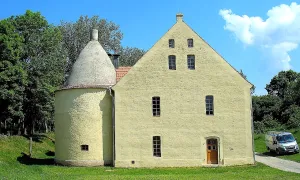
The castle Dubá used to stand in the northern part of the village Dubá in the direction of Česká Lípu, on the island near the pond. Not a single stone has been preserved from this medieval fortress today - the complex is completely built by a new building. Yet it is an interesting aspect of local history, which illustrates how various noble families shaped the landscape of the northern part of the kingdom.
The beginnings of the castle are linked to the Ronovce family. After 1257, Dubou obtained Častolov ze Žitavy from this genus. His son Jindřech became a key figure, also called Hynek, who owned Dubou from 1276 to 1286. He's the one who assumes he had the castle built on the edge of the pond. This building was so important that it called the whole branch of the family - the transition from Ronovci to the lords of Dubé.
Family property was divided over time. After 1309, Hynka's descendants split it. Dubou inherited another Hynek, nicknamed Berka. Although he controlled the castle, he himself did not reside here - his main headquarters were in Prague and Kladsk. In 1327 the castle Lipý was acquired, located in today's České Lípa, which became a new family centre. Since then, the family has been carrying a predicate of the Dube and Lipé. After Hynko's death in 1348, Dubou took over Jindřich from Dubé. Even he did not stay here, for he also owned the castles of Yestřebí and Housk.
The estate existed until the end of the 14th century. In the next division of the property, it gradually disappeared. There was no record of exactly when the castle was desolate. At the end of the eighteenth century, there were still to be visible walls and foundations in the landscape. According to the information available, the castle had a square plan and was probably a wooden design. However, when at the end of the nineteenth century the explorer August Sedláček visited the place, he found no visible remains of the castle.
The local area of April was also part of the романská rotunda located in the lower part of the old cemetery. This building came from the middle of the thirteenth century and served both residents and masters of the castle. After 1713, it changed its destination - it became a granary, a skeleton, and was finally torn down.
Today, the resort, which perhaps occupied the edge of the plateau on the northern edge of the city, lies under a new residential building. The visitor can no longer physically notice these majestic medieval buildings, yet the site tells about the rich history created in northern Bohemia by the local noblemen's tusks and their ambition to base themselves on their own territory.
Then and now
Drag the slider to compare how the landmark may have looked when it was built with the view today.
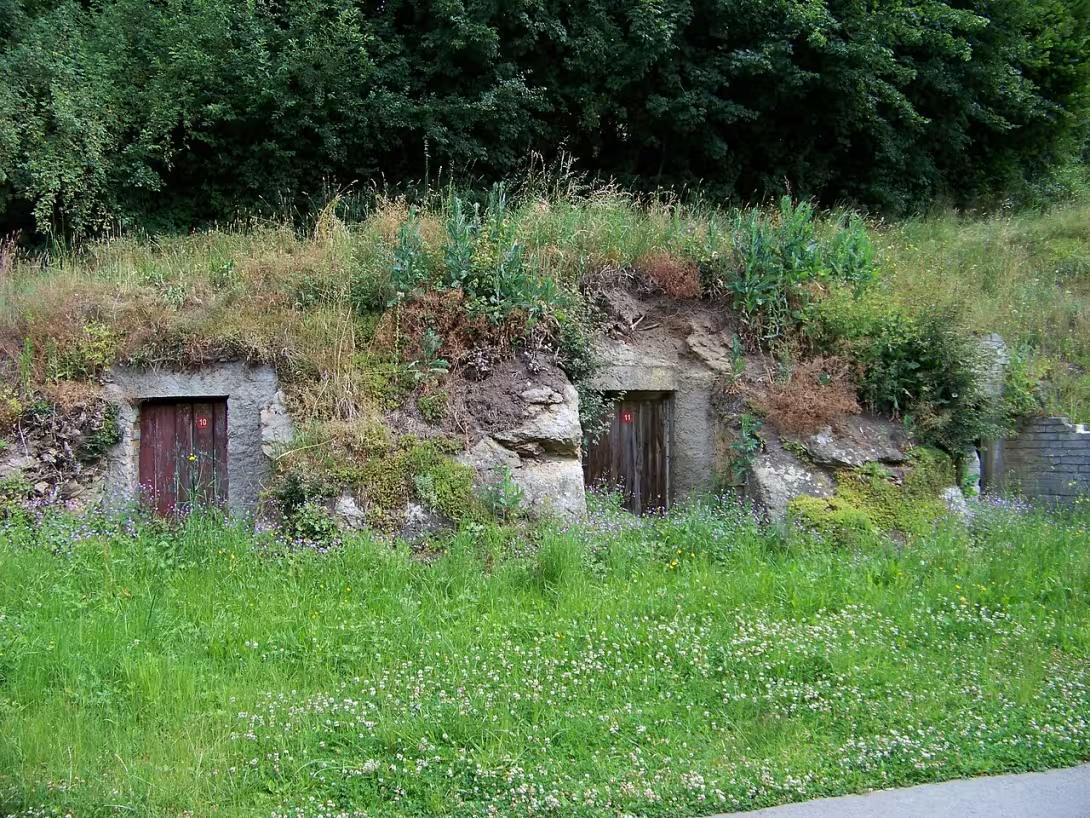
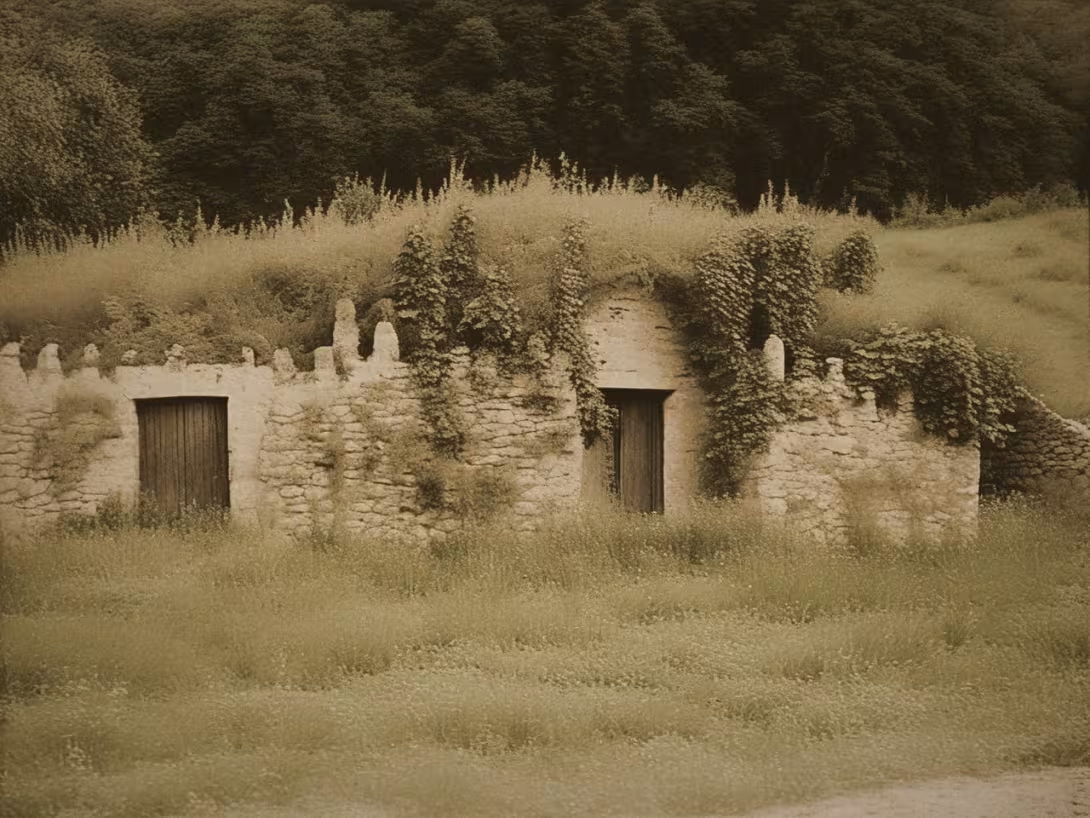
The historical appearance on the left is an AI-generated visualisation and serves as inspiration only.
Historical milestones
- None
- The wallets and foundations of the castle were, according to data, visible at the end of the 18th century.
- None
- August Sedláček found no trace of the castle at the end of the 19th century.
Architectural development
The castle was probably wooden and had a square plan. At the end of the 18th century it was said that there were visible walls and foundations of the castle. But August Sedláček did not find any clues at the end of the 19th century.
Historical events
- 1257
- 1276-1286
- 1327
Owners
After 1257: Častolov ze Žitavy; 1276-1286: Henry (Hynek) of Dubé; after 1309: Hynek (Berka) from Dubé, based in Prague and in the castle in Kladsk; 1327: he took over Lipé as his home address; After Hynek died in 1348: Henry of Dubé.
Points of interest
- Castle Dubá stood in the northern part of the village towards Český Lípu, on the edge of the pond.
- The beginnings of the castle are connected to the family of Ronovce and was built presupposes Henry of Žitava, son of Častol of Šítava, between 1276 and 1286.
The castle was important for the transition from Ronovci to the lords of Dubé.
- After 1309, the family property was divided into descendants of Hynek, and another Hynek, nicknamed Berka, inherited the castle, which had its main headquarters in Prague and Kladsk.
- The estate existed until the end of the 14th century, then gradually disappeared. At the end of the eighteenth century, the walls and foundations of the building were visible, but in the nineteenth century August Sedláček found no visible remains of the castle.
Guide
This guide is narrated by a synthetic voice generated by artificial intelligence.
Show guide text
This text was created by artificial intelligence and has not been editorially reviewed. It may contain inaccuracies.
Hrad Dubá stood in the northern part of today's Dubá municipality, in the direction of Česká Lípa. Nothing has survived from the castle and the place where it might have stood, on the edge of a plateau to the north above the town, is now occupied by residential houses.
The history of this place is connected with the Ronovec family. After 1257, Častolov of Žitavy acquired Dubá. One of his sons, Jindřích, also known as Hynek, owned Dubá in the years 1276 to 1286. It was probably he who had a castle built on a spur above a pond. After him, his branch of the family changed their name and began to be called from Dubá.
When his descendants divided their property after 1309, Dubá fell to Hynek, nicknamed Berka. However, he did not live on the castle. He resided in Prague and in the castle at Kladsko. In 1327 he acquired the castle of Lipý in today's Česká Lípa and that became his family seat. The family later took their name from Dubá and Lipý. After Hynek's death in 1348, Dubá passed to Jindřich from Dubá. He too did not reside on the castle, as he also owned the castles of Jestřebí and Houska. The manor of Dubá lasted until the end of the 14th century, when it ceased to exist during another division of property.
When the castle itself perished is unknown. At the end of the 18th century, earthworks and foundations were apparently still visible. According to these, the castle had a square ground plan and was probably made of wood. However, historian August Sedláček found no traces when he visited the site at the end of the 19th century.
A Romanesque rotunda from the middle of the 13th century was also connected with the castle. It stood in the lower part of the old cemetery and served the inhabitants and the lords of the castle. After 1713 it was used for other purposes, housing a granary and later an ossuary. It was eventually demolished.
For kids
Imagine going back to the past, when the Czech countries were full of castles and castles. And among them was the castle Dubá. It was like the biggest bully in the entire area where kings and nobles met.
It's like there were people living there who had terrible stories and secrets. Those who settled here were heroes who defended their castle from enemy attacks. Whatever happened, Dubá was a fortress where no one reported.
Businesses nearby
Do you run a restaurant, accommodation, shop, museum, rental, wellness or other visitor service near this monument? Show yourself directly to the people heading to it — this is how they will see you in the app and on the web:
Nearby
Ambient landscape
Visualizations and artistic views


The visualisations are generated by artificial intelligence and serve as inspiration.
Photos from the area
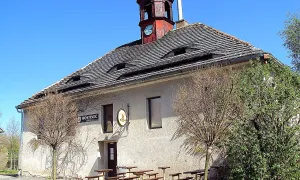
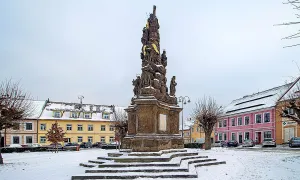
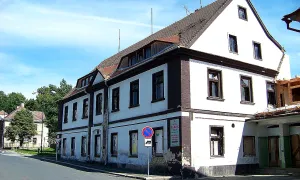
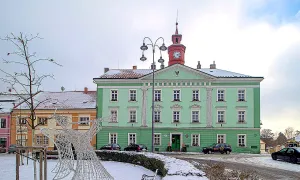
Real photos taken near the monument


Zdroj a licence jsou uvedeny u každého snímku.
Atmosphere of the place
This atmospheric visualisation of the place and period was generated by artificial intelligence. It is not real footage of the location.
Tips from visitors
No tips yet. Be the first!
Log in and add your tip.
Sources and literature
Faktickým podkladem tohoto textu byl článek na Wikipedii, jehož autory jsou přispěvatelé Wikipedie. Článek je dostupný pod licencí CC BY-SA 4.0.
Location on the map
Příběhy a pověsti
Legendy, pověsti a příběhy spjaté s touto památkou
Fotografie návštěvníků
Zatím žádné fotografie. Buďte první, kdo přidá fotografii z návštěvy!
Log in a přidejte svou fotografii nebo hodnoťte.
Za ověřenou návštěvu v aplikaci získáte víc bodů — poznáme podle GPS, že jste na místě.
Reviews and comments