






Důl Jan Šverma Mine
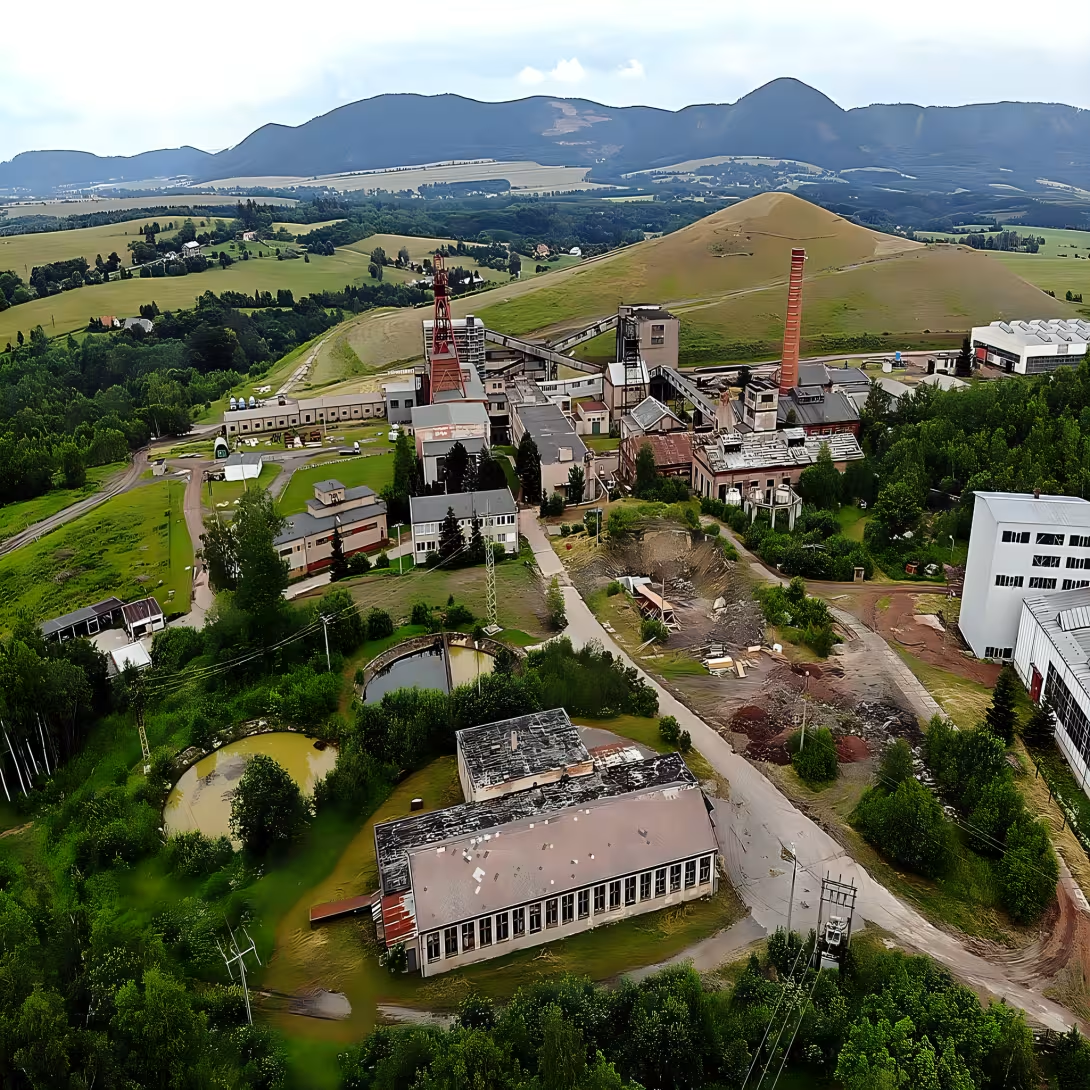
Důl Jan Šverma is a former coal mine in Lampertice, within the Královéhradecký kraj region of the Czech Republic. Established in 1950 through the merger of several smaller mines, it became operational under its current name and significantly contributed to the local economy until closing in 1992. Known for deep mining operations reaching depths of up to 955 meters, this site is notable for its advanced engineering techniques typical of mid-20th-century industrial projects.
Following World War II, Czechoslovakia underwent nationalization reforms that centralized control over industries, including coal mining. Mines previously managed by Západočeského báňského akciového spolku (ZBAS) were placed under national administration and integrated into Východočeské uhelné doly (VUD). In 1950, the merging of several smaller mines in the Žacléř region led to the formation of Důl Jan Šverma. Operations ceased on December 31, 1992, and Gemec took over the site in 1993.
The architectural design of Důl Jan Šverma reflects mid-20th-century industrial engineering. Construction of its shafts and facilities occurred between 1961 and 1964. The main shaft, known as Jáma Jan, reached a depth of 955 meters and was reinforced with cast concrete for stability. The machinery hall featured a steel skeleton structure covered with brickwork and a nearly flat gable roof. High windows equipped with Luxfer glass provided illumination within the space. A notable feature in the machinery hall is a hoist manufactured in 1963, capable of lifting up to 32 tons.
Ownership and administration of Důl Jan Šverma transitioned significantly over time. Initially nationalized post-World War II, it became part of Východočeské uhelné doly (VUD) on January 1, 1946. After mining activities ceased in 1992, Gemec took over the site in 1993.
Důl Jan Šverma is marked by several key events and curiosities that highlight its historical significance. The merging of smaller mines to form Důl Jan Šverma in 1950 was pivotal. Additionally, the shaft known as Jáma Jan became central to operations after taking over functions from other less suitable shafts. Its construction and reinforcement with cast concrete were crucial for reaching depths up to 955 meters.
Today, Důl Jan Šverma stands as a testament to the industrial heritage of the region. While no longer operational, its structures remain historical artifacts reflecting the engineering prowess of their time. Visitors interested in industrial history can explore this site to gain insight into mid-20th-century mining operations and the socio-economic transformations that shaped Czechoslovakia during that era. The mine's preserved architecture offers a unique glimpse into the past, making it a worthwhile destination for those intrigued by historical industry and engineering achievements.
Then and now
Drag the slider to compare how the landmark may have looked when it was built with the view today.
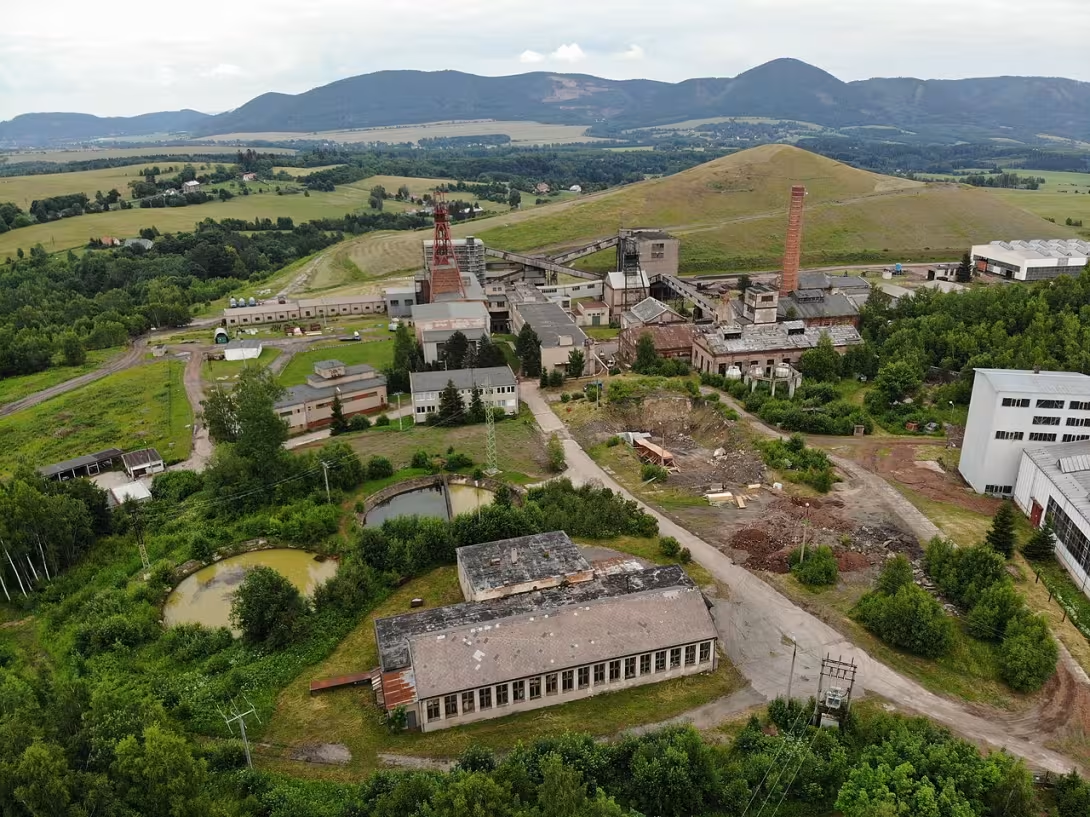

The historical appearance on the left is an AI-generated visualisation and serves as inspiration only.
Historical milestones
- 1946
- Důl Jan Šverma se stává součástí Východočeské uhelné doly (VUD).
- 1950
- Založení Důlu Jan Šverma prostřednictvím sloučení několika menších dolů.
- 1961
- Počátek výstavby šacht a zařízení Důlu Jan Šverma.
- 1964
- Dokončení výstavby šacht a zařízení Důlu Jan Šverma.
- 1992
- Zastavení provozu Důlu Jan Šverma.
- 1993
- Převzetí místa společností Gemec po ukončení těžby.
Architectural development
The construction of the mine's shafts and facilities occurred between 1961 and 1964. The main shaft, known as Jáma Jan, was reinforced with cast concrete throughout its length. The machinery hall featured a steel skeleton structure covered with brickwork and a nearly flat gable roof.
Historical events
In 1950, several smaller mines in the Žacléř region were merged to form Důl Jan Šverma.
Mining operations ceased on December 31, 1992.
Owners
Post World War II, the mines were nationalized and became part of Východočeské uhelné doly (VUD). In 1993, the site was taken over by Gemec.
Points of interest
- Despite its closure in 1992, the mine's hoist from 1963 remains a remarkable piece of engineering, capable of lifting up to 32 tons and showcasing mid-century industrial capabilities.
- The shaft known as Jáma Jan was not only central to operations but also underwent significant construction efforts between 1961 and 1964, featuring cast concrete reinforcement for stability at its impressive depth of 955 meters.
- In a unique architectural feature, the machinery hall utilized Luxfer glass in its high windows, providing optimal illumination—a testament to innovative design solutions during that era.
- The mine's transition from nationalized control under ZBAS and VUD to being managed by Gemec in 1993 reflects broader economic shifts post-Cold War, marking a significant change in ownership models.
- Lampertice, the location of Důl Jan Šverma, was part of a larger socio-economic transformation during mid-20th century Czechoslovakia, where nationalization reforms centralized industrial operations and integrated regional mines like this one.
Guide
This guide is narrated by a synthetic voice generated by artificial intelligence.
Show guide text
This text was created by artificial intelligence and has not been editorially reviewed. It may contain inaccuracies.
Welcome to the historic site of Důl Jan Šverma, a remarkable testament to the industrial past of Lampertice in the Královéhradecký kraj region. As you stand here, enveloped by the echoes of history, imagine the bustling activity that once thrived within these grounds. Before us is a landscape marked by the legacy of coal mining—a story of human endeavor and engineering prowess.
The origins of Důl Jan Šverma trace back to 1946 when it became part of Východočeské uhelné doly (VUD). The mine itself was established in 1950, born from the amalgamation of several smaller mines. Named after Jan Šverma, a notable figure whose legacy is intertwined with this site, the mine quickly became an integral component of the local economy. By 1961, construction began on its shafts and facilities, culminating in their completion by 1964. These developments marked the peak of Důl Jan Šverma's operational life, reaching depths of up to 955 meters—a testament to mid-century industrial ambition.
As you take a moment to absorb the surroundings, notice the remnants that whisper tales of its past glory. Although specific architectural details are not documented, the sheer scale and purposeful design of what remains speak volumes about the era’s engineering capabilities. The site is dominated by the presence of its hoist from 1963—a remarkable piece of machinery capable of lifting up to 32 tons. This hoist stands as a proud reminder of the mine's operational days and showcases the industrial might that once defined this region.
The narrative of Důl Jan Šverma is also shaped by key figures like Jan Šverma himself, after whom the mine was named. While specific historical personalities are not extensively documented here, their influence is felt through the legacy they left behind—a community built on the backbone of coal mining and its contributions to local development.
One intriguing aspect that captures the imagination is the shaft known as Jáma Jan. Central to the mine's operations, this shaft underwent significant construction efforts, reflecting the challenges and triumphs of deep mining endeavors. Its existence underscores the technical advancements and labor-intensive processes that characterized the mining industry during this period.
As we conclude our journey through Důl Jan Šverma, I invite you to continue exploring this site with a sense of curiosity and appreciation for its historical significance. Reflect on the stories etched into every corner and consider the impact of such industrial endeavors on both people and landscapes. Thank you for joining me today, and may your exploration be both enlightening and inspiring.
---
This audio guide is designed to enrich your visit by providing context and insight into the history and legacy of Důl Jan Šverma. Enjoy your time here, and feel free to delve deeper into this fascinating chapter of industrial heritage.
Tips for visitors
The best time to visit Důl Jan Šverma is during the late spring or early fall when the weather is mild, making it ideal for exploring the site comfortably. These seasons offer pleasant temperatures and natural lighting that enhances the historical ambiance of the former coal mine. Additionally, visiting outside peak tourist seasons can provide a more serene experience with fewer crowds.
For visitors preferring public transport, local buses serve the area, allowing easy access without the need for personal vehicles.
When visiting Důl Jan Šverma, it is advisable to bring comfortable walking shoes and weather-appropriate clothing, as you'll likely be exploring both indoor and outdoor areas of the site. A hat and sunscreen are recommended for sunny days, while a light jacket or raincoat might be necessary if the weather turns cool or wet. Additionally, carrying water and some snacks can enhance your visit, especially if you plan to spend several hours at the location.
For photography enthusiasts, Důl Jan Šverma offers unique spots where natural light filters through old mine openings, creating dramatic effects ideal for capturing the site's historical essence. Early morning or late afternoon is recommended for the best lighting conditions. Be sure to bring a camera with adjustable settings to take advantage of these moments and capture the textures and details that make this location special.
In the vicinity of Důl Jan Šverma, within a 30-minute drive, visitors can explore additional attractions such as the picturesque town of Hradec Králové. Known for its charming architecture and cultural sites, it offers an enriching experience with museums and historical buildings to visit. Families with children might also enjoy nearby parks or recreational areas where kids can play while adults relax.
Frequently asked questions
Can the monument be visited?
This is a technical monument. Some are open as exhibitions, others are out of use or on private land. We have not verified whether this one is accessible.
What are the opening hours and admission?
We have not verified the opening hours or admission. Current information is published by the operator.
Where is the monument?
Location: Žacléř, Královéhradecký kraj. The map on this page shows the exact spot.
Why is the monument protected?
It is listed in the Central List of Cultural Monuments of the Czech Republic as a cultural monument (register no. 104588).
Businesses nearby
Do you run a restaurant, accommodation, shop, museum, rental, wellness or other visitor service near this monument? Show yourself directly to the people heading to it — this is how they will see you in the app and on the web:
Accommodation nearby
Themed route
Tematická výletní trasa: Důl Jan Šverma a okolí
1. Důl Jan Šverma
Typ: Historické doly
Proč stojí za návštěvu: Důl Jan Šverma je jedním z nejstarších a nejlépe zachovaných hornických komplexů v České republice. Navštívte tento historický důl, abyste se dozvěděli o životě horníků a technikách těžby z 19. století. Exponáty a interaktivní prezentace vám předvedou, jak bylo práce ve dnech minulých.
2. Okolní lesy
Typ: Přírodní okolí
Proč stojí za návštěvu: Po prozkoumání historického důlu se můžete uvolnit a procházet kolem okolních lesů. Tato příroda nabízí klidné chvíle k odpočinku po vzdělávacím zážitku, s možností krátkých procházek nebo pikniků na jednoduché louce.
3. Hornický muzeum
Typ: Muzeum
Proč stojí za návštěvu: Hornické muzeum v okolí dola poskytuje hlubší vhled do historie hornictví a života místních obyvatel. Vystavené artefakty, fotografie a dokumenty představují bohatou minulost regionu. Je to ideální místo pro ty, kteří chtějí rozšířit své znalosti o hornickém dědictví.
4. Památník horníkům
Typ: Památník
Proč stojí za návštěvu: Návštěva památníku věnovaného horníkům je poutavý způsob, jak si všimnout a ocenit úsilí a životy těch, kteří pracovali v těžbách. Tento mírnostný prostor nabízí příležitost ke klidnému zamyšlení nad historickým dědictvím oblasti.
5. Hornická cesta
Typ: Turistická trasa
Proč stojí za návštěvu: Prozkoumejte hornickou cestu, která vás provede po historických místech a přes území důlního areálu. Tato krátká trasa je ideální pro cyklisty nebo chodce, kteří si přejí získat pohled na krajinu z různých perspektiv a užít si venkovní aktivity v historickém kontextu.
Seasonal recommendations
Spring: Visiting Důl Jan Šverma during the spring offers a unique experience as nature begins to awaken around the historical site. The dawning light of longer days provides a soft, natural illumination that enhances the beauty of the surrounding landscape, which is slowly coming back to life with budding trees and fresh greenery. This season often sees fewer visitors compared to summer, allowing for a more tranquil exploration of the mine's history. It’s advisable to wear layers as temperatures can vary significantly between sunny days and cooler mornings or evenings. Early spring might still bring occasional rain showers, so carrying an umbrella or waterproof jacket is recommended.
Summer: Summer at Důl Jan Šverma is characterized by its vibrant atmosphere and longer daylight hours, making it ideal for extended tours and exploration of the site’s rich history. The lush greenery around the mine creates a picturesque setting, perfect for photography enthusiasts. However, this season also attracts more visitors due to favorable weather conditions, so arriving early in the day can help avoid larger crowds. Comfortable walking shoes and light clothing are recommended, along with sunscreen and a hat to protect from the sun during peak hours.
Autumn: Autumn brings a stunning transformation of colors around Důl Jan Šverma as deciduous trees change hues, creating a breathtaking backdrop for visitors. The cooler temperatures make it an ideal time for those who prefer milder weather conditions while exploring historical sites. This season often sees moderate visitor numbers, balancing the tranquility of spring with the vibrancy of summer. Layered clothing is advisable to accommodate fluctuating temperatures throughout the day, and carrying a light jacket or sweater can be beneficial as evenings tend to get cooler.
Winter: Winter visits to Důl Jan Šverma offer a serene and atmospheric experience, with snow-covered landscapes adding a magical touch to the historical site. The shorter days mean tours may need to be timed carefully to make the most of daylight hours, and some facilities might have reduced operating times. It’s essential to dress warmly in layers, including thermal wear and waterproof outer garments, as temperatures can drop significantly. Winter also tends to attract fewer visitors, providing a quieter opportunity for reflection on the mine's history amidst the quiet beauty of the season.
Visualizations and artistic views


The visualisations are generated by artificial intelligence and serve as inspiration.
Photos from the area
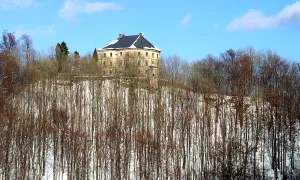
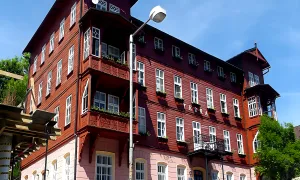
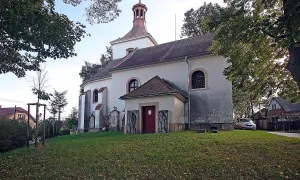
Real photos taken near the monument


Zdroj a licence jsou uvedeny u každého snímku.
Tips from visitors
No tips yet. Be the first!
Log in and add your tip.
Sources and literature
Photos: Al.trcka / CC BY-SA 4.0, rozlišení zvýšeno umělou inteligencí — Wikimedia Commons. The author and licence also appear when you hover over the image.
Faktickým podkladem tohoto textu byl článek na Wikipedii, jehož autory jsou přispěvatelé Wikipedie. Článek je dostupný pod licencí CC BY-SA 4.0.
Location on the map

Příběhy a pověsti
Legendy, pověsti a příběhy spjaté s touto památkou
Fotografie návštěvníků
Zatím žádné fotografie. Buďte první, kdo přidá fotografii z návštěvy!
Log in a přidejte svou fotografii nebo hodnoťte.
Za ověřenou návštěvu v aplikaci získáte víc bodů — poznáme podle GPS, že jste na místě.
Reviews and comments