



Důl Wannieck Mine
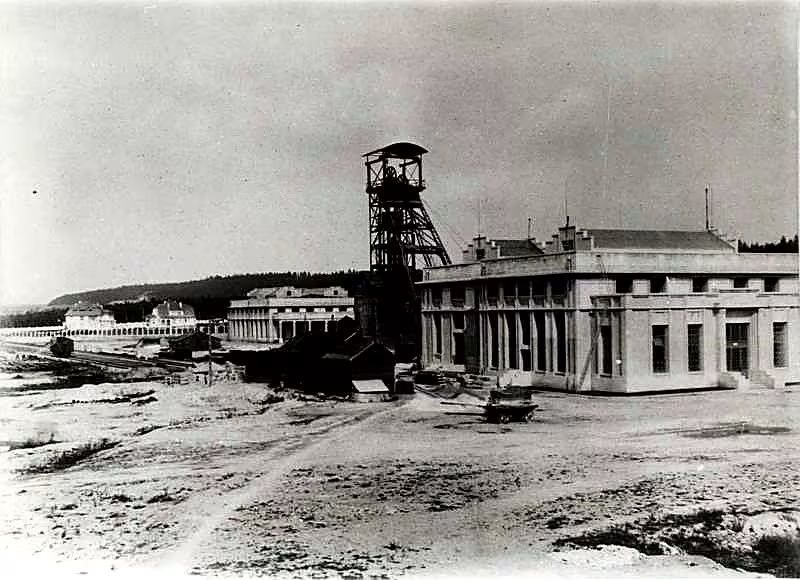
Objekt se nedochoval — na místě dnes nestojí. Následující text popisuje jeho historii, ne současnou návštěvu.
Důl Wannieck, located on the cadastral territory of the village Kamenné Žehrovice, is a historical monument that testifies to the rich past of the Czech coal industry. Originally named after Friedrich Wannieck, President of the Board of Directors of the Prague Iron Society (PŽS), the mine was built between 1912 and 1916. Its main purpose was to serve as the main airhole for the Schöller mine, which underlines its strategic role in the regional coal industry.
The history of the mine is closely linked to the development of industrial revolution and industrialization in Central Europe. The coal industry played a key role in the economic growth of the Czech countries, reflecting the global trend towards the rapid development of energy and infrastructure. The mine was built by the Prague Iron Company, which decided in 1909 on its construction as the main airholes for the Schöller mine. The depth began on 24 December 1912 and the depth was completed on 30 August 1914, with the final depth reaching 432.35 metres.
Architecturally, the Wannieck mine is characterized by its circular pit with a diameter of 5,46 metres and reinforced concrete blocks according to the patent Ing. Neubaera. An iron lifting tower was built above the pit, which still attracts attention with its historical value. In the years of the 20th century, there were several architectural changes: the builders Ladislav Ullmann and Josef Picek rebuilt the workshops into bathrooms and built a new mining building. In the 1960s, a new boiler room was built.
Důl Wannieck has undergone several changes in ownership and naming. After his opening, he was named after Friedrich Wannieck, President of the Board of Directors of PJS. In 1946 he was renamed Mine General Svoboda and in 1962 the Mine Inedible II. The mining was completed in 1982, which meant the end of its operation as a coal mine.
Key events in the history of the mine Wannieck include completion of the construction and the beginning of regular mining in 1916. In 1938-1939, an electrical mining machine was transferred from the Theodor mine in Pchery, indicating technological progress in the operation of the mine. An important change was also the submining and decline of the Turyňské pond, which led to the creation of the Great Floods.
Today, the mine of Wannieck is an already dormant object, its pit has been destroyed by the powder and closed by the iron-concrete lump. Although mining is over, its historical value and architectural elements still attract the attention of historians and tourists. The mine area included a representative villa for the CEO, which underlines its former importance and prestige.
Důl Wannieck is an example of the industrial past of the Czech countries and its historical value is worth visiting. Its architectural elements and history are an important reminder of the time when the coal industry played a key role in the economic development of the region. Visiting this object is a way back to the past and understanding important aspects of Czech history.
Then and now
Drag the slider to compare how the landmark may have looked when it was built with the view today.
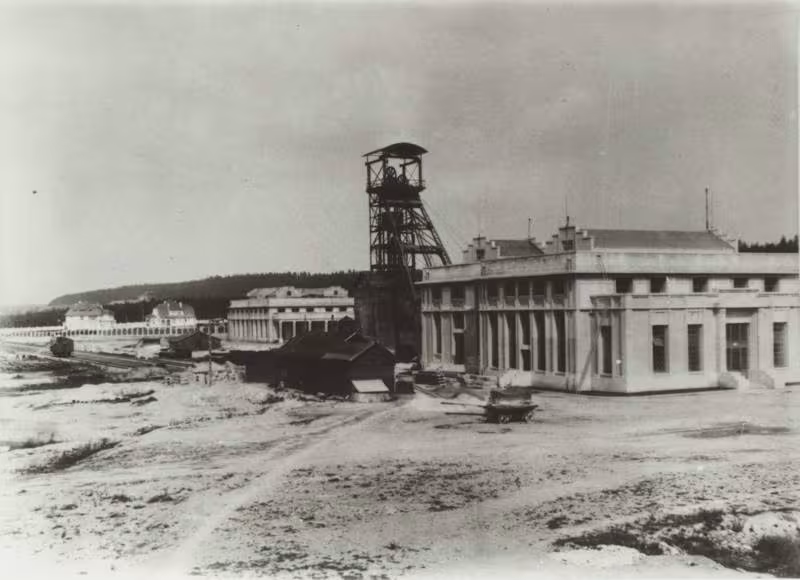
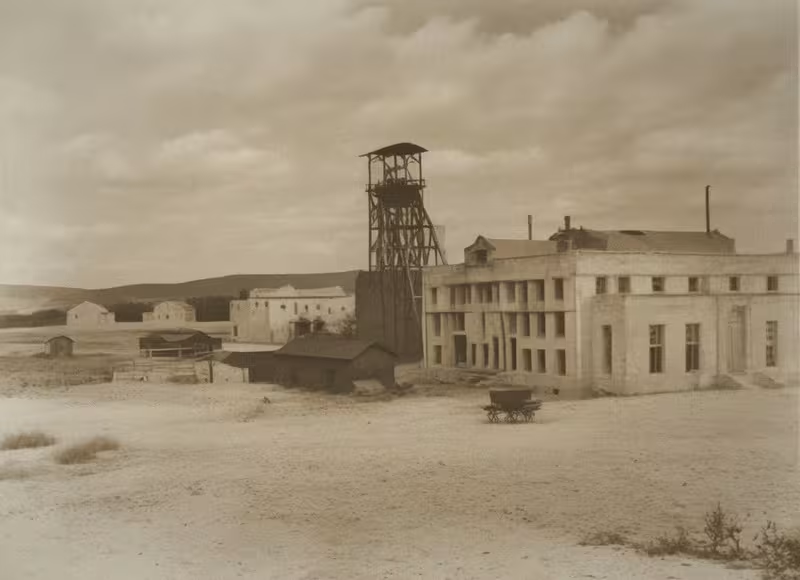
The historical appearance on the left is an AI-generated visualisation and serves as inspiration only.
Historical milestones
- 1912
- Commencing mine digging.
- 1984
- Disposal of the mine pit with powder.
Architectural development
The mine had a circular profile with reinforced concrete blocks and mining machines were installed in 1916. In the years of the 20th century, there were reconstructions of bathrooms and the construction of a new mining building, while a new boiler room was built in the 1960s.
Historical events
- 1916
- The mine has been completed and regular mining has begun.
- 1938
- An electrical mining machine was transferred from the Theodor mine in Pchery.
- 1982
- Wannieck mining has been terminated.
Owners
Prague hardware company (1912-1982)
Points of interest
- Důl Wannieck is a historical monument that testifies to the rich past of the Czech coal industry. - Originally named after Friedrich Wannieck, President of the Board of Directors of the Prague Iron Society (PŽS). - The mine was built between 1912 and 1916 as the main airhole for the Schöller mine. - Architecturally it is characteristic of its circular pit with a diameter of 5,46 meters and reinforced concrete blocks according to the patent Ing. Neubaera. - The mine underwent several changes in ownership and naming, for example was renamed the General Liberty Mine and later the Inedible II Mine.
Guide
Show guide text
This text was created by artificial intelligence and has not been editorially reviewed. It may contain inaccuracies.
Welcome to Kamenné Zahrovice, where you are currently in front of one of the most interesting witnesses of our industrial traditions - mine Wannieck. This historical object awaits you with thousands of stories stored in its centre that seem to speak of the past from the depths.
Důl Wannieck was built between 1912 and 1916 by the Prague Iron Society as the main airhole for the Schöller mine. His name comes from Friedrich Wannieck, president of the board of directors of this company. The mine became a key part of the Czech coal industry until 1982 when mining was finished.
Look up at the remains of this important construction work. Note how architects Ladislav Ullmann and Josef Picek inserted into its design the elements necessary for efficient operation of the factory at the time. Although it may seem like a ruin today, its structure is indicative of the masterful art and engineering skills of those years.
Důl Wannieck is connected with several key historical personalities. Fridrich Wannieck, after which the mine named, was an important figure of Czech industry. Jan of Libušín also contributed to his history and development.
The interesting thing is that mine Wannieck served as the main airhole for mine Schöller. This function gave him a special place in the history of our regional industrial activity.
Now that you've introduced yourself to this fascinating place, we're going to invite you to further explore the Stony Zahrovic. Miss the atmosphere of this place and notice its importance in the development of our area.
Thank you for your visit to mine Wannieck. We hope they have encountered inspiration and new knowledge about our rich industrial history. I wish you a pleasant tour!
Businesses nearby
Do you run a restaurant, accommodation, shop, museum, rental, wellness or other visitor service near this monument? Show yourself directly to the people heading to it — this is how they will see you in the app and on the web:
Nearby
Areál dolu Wannieck zahrnoval reprezentativní vile, které byly postaveny pro generálního ředitele. V okolí došlo k poddolování a poklesu Turyňského rybníka, což vedlo ke vzniku Velkých Záplav.
Visualizations and artistic views


The visualisations are generated by artificial intelligence and serve as inspiration.
Photos from the area
Real photos taken near the monument

Zdroj a licence jsou uvedeny u každého snímku.
Tips from visitors
No tips yet. Be the first!
Log in and add your tip.
Sources and literature
Photos: AnonymousUnknown author / Public domain — Wikimedia Commons. The author and licence also appear when you hover over the image.
Faktickým podkladem tohoto textu byl článek na Wikipedii, jehož autory jsou přispěvatelé Wikipedie. Článek je dostupný pod licencí CC BY-SA 4.0.
Location on the map





Příběhy a pověsti
Legendy, pověsti a příběhy spjaté s touto památkou

Fotografie návštěvníků
Zatím žádné fotografie. Buďte první, kdo přidá fotografii z návštěvy!
Log in a přidejte svou fotografii nebo hodnoťte.
Za ověřenou návštěvu v aplikaci získáte víc bodů — poznáme podle GPS, že jste na místě.
Reviews and comments