






Dům Bohuslava Schnircha Tenement house
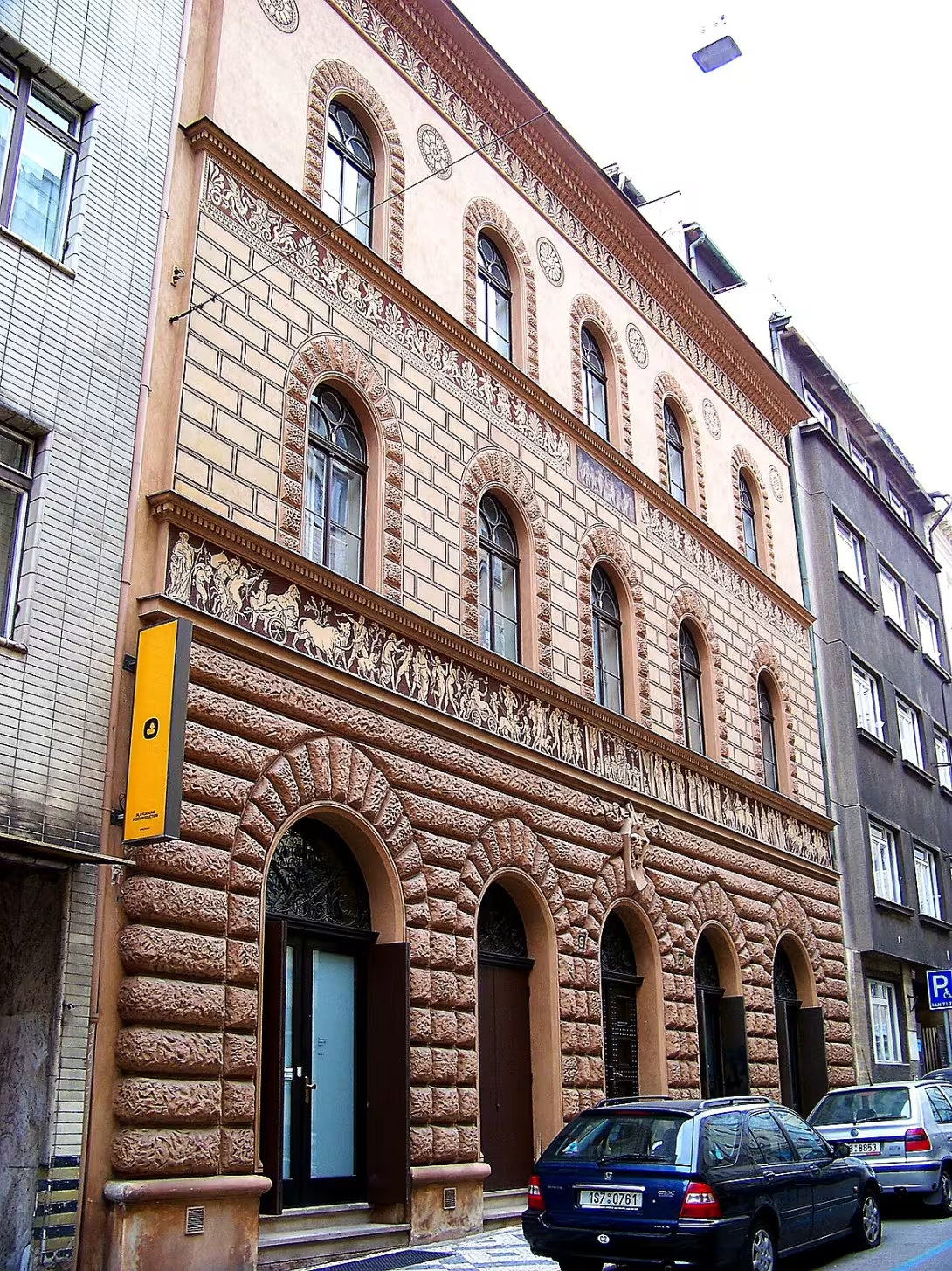
Dům Bohuslava Schnircha on Mikovcov Street in Prague Vinohrady stands as an important example of Czech neo-Renaissance architecture in the second half of the 19th century. Built in 1875, it became the first realized building in Prague, according to the designs of the great architect Antonín Wiehl and a pioneering building decorated with graphic decoration.
The house was shaped by sculptor Bohuslav Schnirch, who had it built but had a major influence on its visual solution. Antonín Wiehl first prepared three variants of the project. The original proposal from 1874, which was preserved in Wiehl's estate, was strongly influenced by the Italian Renaissance and drew inspiration from the Florentine palaces of Quadagni and Riccardi with their characteristic boasts, window shapes and with graphic friezes. The implemented proposal from 1875 was based on these motives, but it was significantly more modest and simpler.
The house grows as a two-storey flat house with five axes oriented to Mikovka Street. There were apartments on the first and second floors, studios and shops on the ground floor. The ground floor is decorated with flat rustics and barefoot portals. The implementation was carried out by Josef Martin and Jan Zeyer, who also cooperated with Wiehl on the project.
The exceptional value of the house creates a sgraffite decoration designed by the builder Schnirch himself. Sgraphite strip takes place between the first and second floors and produces complex composition. In the center, the class of the Art Temple surrounded by figural parades. From the left comes the Bachelor Parade of Satyrs and dancers mainad with music, cars with Dionysus and Silene. The report goes through the procession - women with vessels, elders leading the bull and ram sacrifice, followed by young men on rising horses. The temple features a female figure symbolizing Art with cherubim-bearing tables that depict four arts: painting, sculpture, construction and music. The head of Medusa is located under the temple in a stucco above the main entrance. Another sgraffite with eight amory is located above the middle window of the first floor. Sgraffite was performed by architect Jan Zeyer according to Schnirch's designs.
The house became a pioneering work in the application of rich sgraffiti decoration to Prague tenement houses and its creation was greatly influenced by further development of stylization of rental houses in Prague. It is listed as a cultural monument and belongs to the most interesting buildings of Prague's neo-Renaissance architecture of the 19th century.
Then and now
Drag the slider to compare how the landmark may have looked when it was built with the view today.
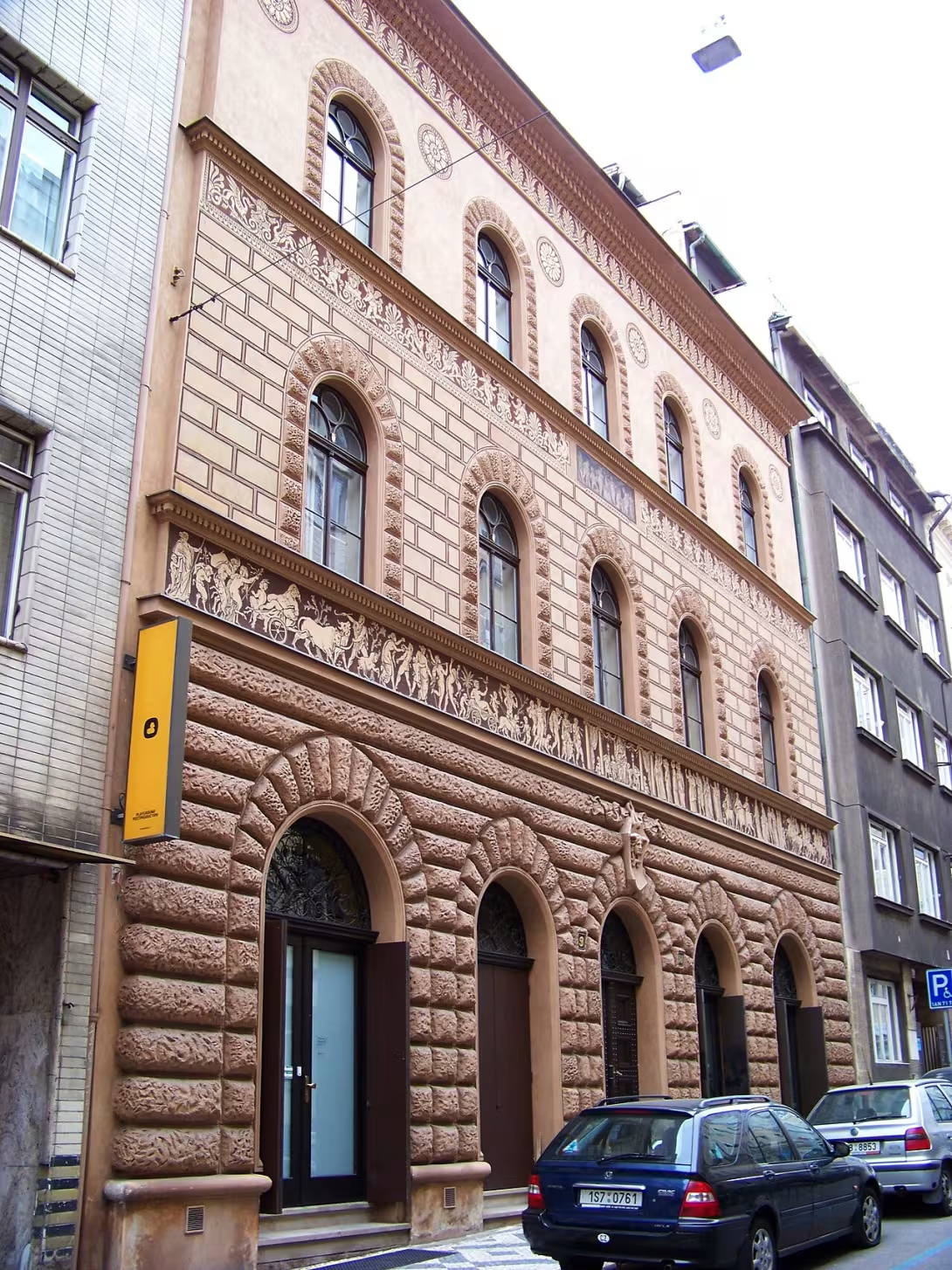
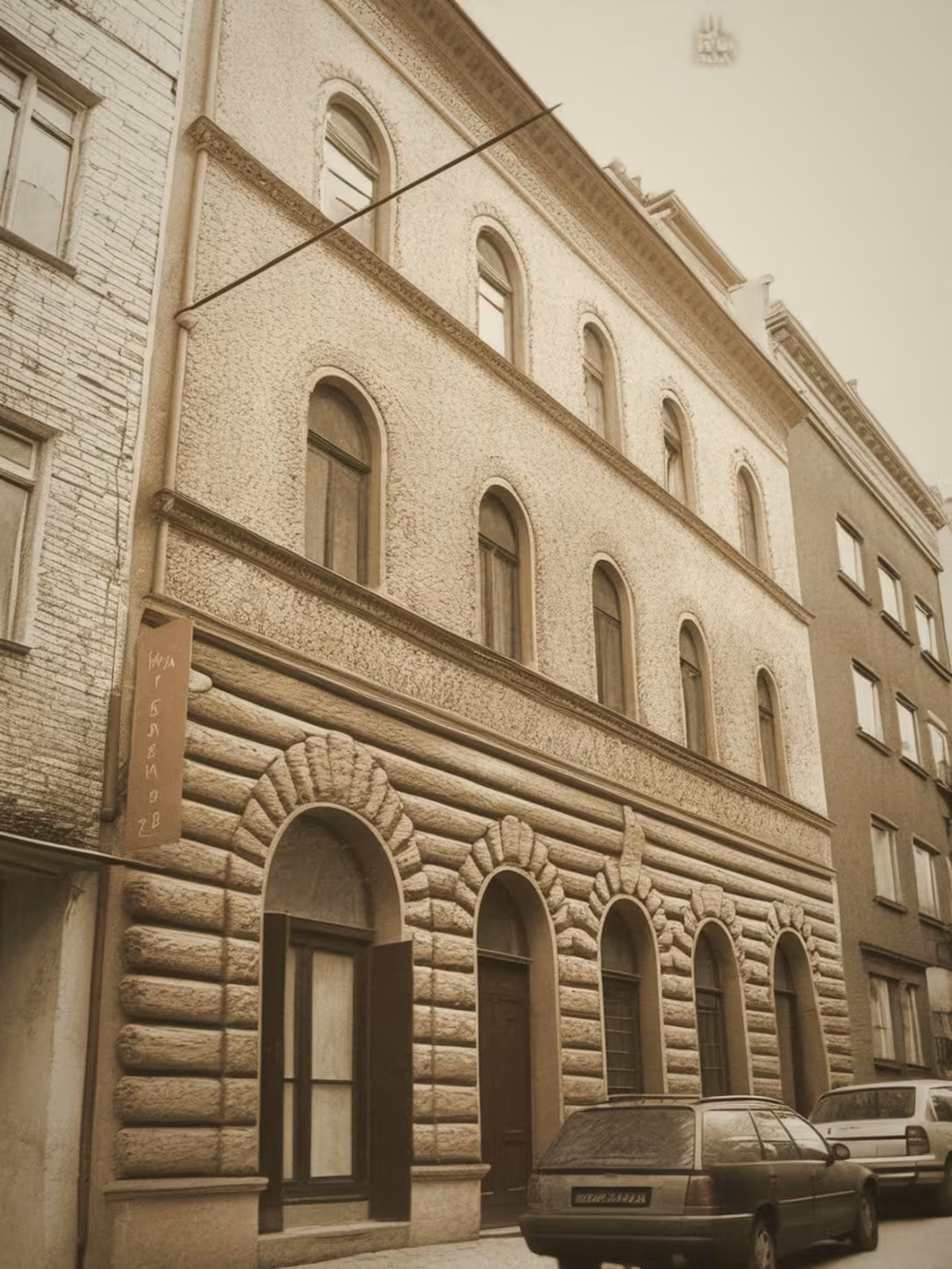
The historical appearance on the left is an AI-generated visualisation and serves as inspiration only.
Historical milestones
- 1875
- The position of the house Bohuslav Schnirch according to the design by Antonín Wiehl.
Architectural development
The house was designed by Antonín Wiehl in three variants, from which the realized version was made by Josef Martin and Jan Zeyer. The facade is decorated with graphic friezes that display parades and symbols of art, which represents a unique architectural creation of the time.
Historical events
- 1875
- The position of the house Bohuslav Schnirch according to the design by Antonín Wiehl.
- None
- Registration of the house as a cultural monument thanks to its architectural value and historical significance.
Owners
Bohuslav Schnirch (1875)
Points of interest
- Dům Bohuslava Schnircha is an important example of Czech neo-Renaissance architecture in the second half of the 19th century.
- Built in 1875, it was the first realized tenement house according to the designs of Antonín Wiehl and pioneering construction decorated with graphic decoration in Prague.
- Sgraffite decoration, designed by Bohuslav Schnirch, includes a complex composition with figural parades and symbolisation of four arts: painting, sculpture, construction and music.
- The house became a pioneering work in the application of rich sgraffiti decoration on Prague tenement houses and influenced further development of styling of rental houses in Prague.
- It is listed as a cultural monument and belongs to the most interesting buildings of Prague's neo-Renaissance architecture of the 19th century.
Guide
This guide is narrated by a synthetic voice generated by artificial intelligence.
Show guide text
This text was created by artificial intelligence and has not been editorially reviewed. It may contain inaccuracies.
Welcome to the historical monument that stands in Prague's Vinohrady. You are standing in front of Bohuslav Schnirch, a Neo-Renaissance tenement house built in 1875. Take a look at his facade and think carefully about the details that are offered to you.
Let's move on to history. Dům Bohuslava Schnircha was built according to the design of Antonín Wiehl, an important architect of his time. Wiehl was inspired by the Neo-Renaissance style and thus created an extraordinary construction that became the first realized tenement house with a distinctive facade decorated with sgraffiti. Sgraphite scenes that you can see here are really unique. They are parades and symbols of artistic professions that give the house a unique atmosphere.
Notice how sgraffiti intersects with a neo-Renaissance style that is characteristic of the second half of the 19th century. Dům Bohuslava Schnircha is an important example of the Czech Neo-Renaissance architecture of the time. It was designed not only by Wiehl, but also by Jan Zeyer, another important architect of the time.
Dům Bohuslava Schnircha is connected with the personality of sculptor Bohuslav Schnirch, who became his first tenant. Schnirch was an important artist of his time, and the house that Wiehl suggested became his home. Look at the facade of the house and think about how the sgraffiti intersects with the artistic professions that Schnirch represented.
Dům Bohuslava Schnircha is also interesting because it is the first realized apartment building with a distinctive facade decorated with sgraffiti in Prague. This was indeed a pioneering solution that opened up new possibilities in architecture. Sgraphite decoration, designed by Bohumir Kafka, is a true artistic beauty that gives the house a unique atmosphere.
The invitation invites you to further explore and discover this historical monument. Look at the details they offer you, and think about how the sgraffiti intertwine with the Neo-Renaissance style. Dům Bohuslava Schnircha is a truly exceptional building that is worth your attention.
Tips for visitors
The best time to visit is early morning or evening, when the place is quieter and fewer people. This time also allows you to use sunlight to photograph architectural details of the house. Visit the house Bohuslav Schnirch during spring or autumn when vegetation in Vinohrady is in full bloom and at the same time the temperature is pleasant.
It is appropriate to use public transport or car for transport to Vinohrady. Check the current connection in the search engine or mobile application for public transport.
When visiting the house Bohuslav Schnirch, it is advisable to take the camera with you, especially if you are interested in photography of architecture. The house offers a beautiful view of the surrounding streets and trees of Vinohrady. In addition, you can wear a hat or parasol to protect you from sunlight.
Shooting the house is the best from the side of the street where you have a wide view of the facade. It is best done during the early hours of the morning or late afternoon when the light is soft and favorable to the details.
Frequently asked questions
Can the monument be visited?
This is a residential or farm building, not a museum with opening hours. Please view it from public space and respect the owners' privacy. We have no information about access to the interior.
Where is the monument?
Location: Mikovcova 548/5, Vinohrady, Praha, Hlavní město Praha. The map on this page shows the exact spot.
Why is the monument protected?
It is listed in the Central List of Cultural Monuments of the Czech Republic as a cultural monument (register no. 40224/1-1315).
For kids
Imagine going back 151 years to when Praha was still a small town. It was an era when the modern world began to be built and people were looking for new ways to live.
Dům Bohuslava Schnircha on Vinohrady was one of those places where it all happened. It was the first tenement house in Prague, which was built according to the design of architect Wiehl. This was in 1875 when the new style of living was being built.
Businesses nearby
Do you run a restaurant, accommodation, shop, museum, rental, wellness or other visitor service near this monument? Show yourself directly to the people heading to it — this is how they will see you in the app and on the web:
Events nearby

Zdroj akcí: otevřená data měst a obcí ČR (Národní katalog otevřených dat) a kalendář akcí Národního památkového ústavu.
Nearby
Ambient landscape, other monuments, natural elements up to 5 km.
Accommodation nearby
Trips and activities nearby
Guided tours, tickets and activities nearby from GetYourGuide
Affiliate link: if you buy from the partner, we may receive a commission. The price for you does not change.
Search tours and activities →Themed route
Route: Vinohrad cruise route
1. Dům Bohuslava Schnircha - rental house This house is an important monument and symbol of Prague's Vinohrad. It is worth a visit because it is a unique example of a rental house from the end of the 19th century, which preserved the original interiors and atmosphere of the then life of Prague inhabitants. 2. Vinhrady Synagogue - Synagogue Vinohradská synagogue is worth a visit because it is a beautiful example of Art Nouveau architecture and important cultural institutions of the Jewish community in Prague. Its interior is richly decorated and offers an interesting view of the history of Jewish life in Prague. 3. Hospital Na František - Hospital The hospital Na Františku is worth a visit because it is an important historical building and offers an interesting view of the history of health care in Prague. Its architecture is also remarkable and stands behind the tour. 4. Church of St. Wenceslas - Church St. Wenceslas Church is worth a visit because it is a beautiful example of Gothic architecture and offers a peaceful atmosphere. Its interior is richly decorated and stands behind the tour.
Seasonal recommendations
Spring: Spring is the time when Dům Bohuslava Schnircha receives live colors and fullness. The interior lighting is soft and warm, which creates a pleasant atmosphere for the tour. Nature awakens from winter sleep and the surrounding house turns into cozy gardens with flowers. The best time to visit the house is during spring morning or afternoon when the attendance rate is lower. We recommend bringing an umbrella and shoes suitable for walking.
Summer: Summer is the main season for visitors Dům Bohuslava Schnircha. The lighting is bright and the air is full of life. In summer, the house is surrounded by flowers and greenery, creating an amazing atmosphere. The best time to visit the house is early morning or early afternoon when the attendance is lower. We recommend bringing an umbrella and shoes suitable for walking.
Autumn: Autumn is a time when nature takes on beautiful colors and Dům Bohuslava Schnircha is full of life. The lighting is soft and warm, which creates a pleasant atmosphere for the tour. There are leaves and flowers around the house that create amazing scenery. The best time to visit the house is during the autumn afternoon or evening when the attendance is lower. We recommend bringing an umbrella and shoes suitable for walking.
Winter: Winter is a time when Dům Bohuslava Schnircha is gaining a quiet and cozy atmosphere. The lighting is soft and warm, which creates a pleasant atmosphere for the tour. There's a snow blanket around the house and the air is cold. The best time to visit the house is during winter morning or afternoon when the attendance rate is lower. We recommend bringing warm clothes and shoes suitable for walking.
Visualizations and artistic views


The visualisations are generated by artificial intelligence and serve as inspiration.
Photos from the area
Real photos taken near the monument

Zdroj a licence jsou uvedeny u každého snímku.
Atmosphere of the place
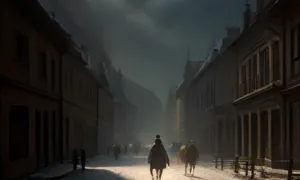
This atmospheric visualisation of the place and period was generated by artificial intelligence. It is not real footage of the location.
Tips from visitors
No tips yet. Be the first!
Log in and add your tip.
Sources and literature
Photos: ŠJů (cs:ŠJů) / CC BY-SA 3.0 — Wikimedia Commons. The author and licence also appear when you hover over the image.
Faktickým podkladem tohoto textu byl článek na Wikipedii, jehož autory jsou přispěvatelé Wikipedie. Článek je dostupný pod licencí CC BY-SA 4.0.
Location on the map
More monuments – Vinohrady
Show all in the municipality
Příběhy a pověsti
Legendy, pověsti a příběhy spjaté s touto památkou
Fotografie návštěvníků
Zatím žádné fotografie. Buďte první, kdo přidá fotografii z návštěvy!
Log in a přidejte svou fotografii nebo hodnoťte.
Za ověřenou návštěvu v aplikaci získáte víc bodů — poznáme podle GPS, že jste na místě.
Reviews and comments