






Dům čp. 401 House
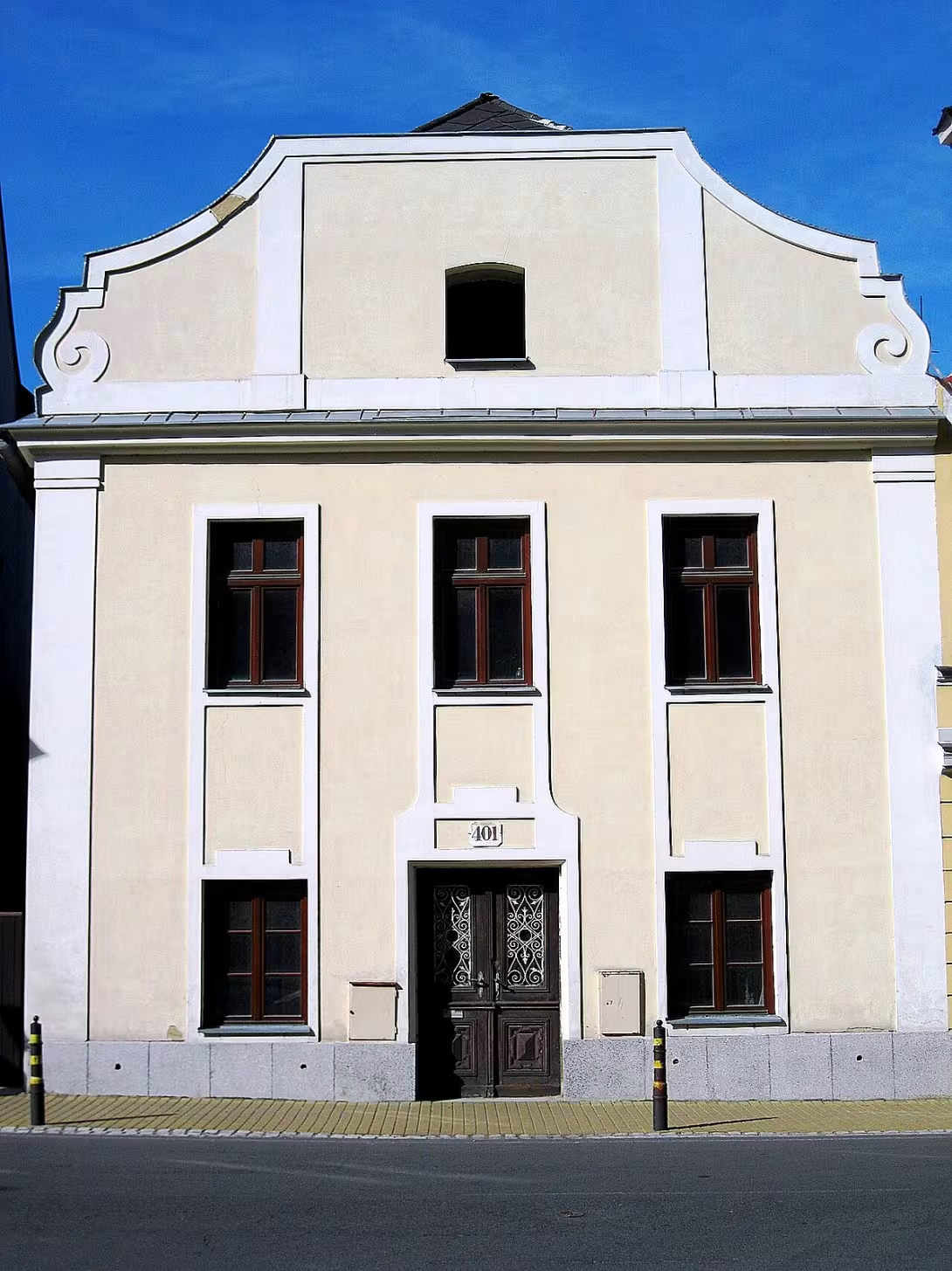
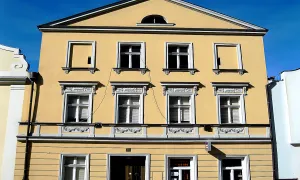
The townhouse No. 401 in Javorník is a valuable empirical cultural monument on the street of Peace in the district of Jeseník, which forms part of the urban monument zone. The building has its roots in a medieval building documented in 1373. The current form dates back to 1836, when it was newly built according to the project of local builder Josef Schwarz. This terraced three-axis brick structure captures its architecture with underpane, divided by a street facade and decorative shield with finished volutes.
The oldest history of the building is evidenced by the first written mention from 1373 when the building became part of the medieval urban development. Over the centuries, he has undergone many changes. It has been rebuilt many times by natural disasters, fires and floods. The historical context of the creation of today's form in 1836 falls into the period when the Czech countries had a national revival and industrial revolution, the urban state was consolidated in Europe and empirical and classical styles developed in urban architecture.
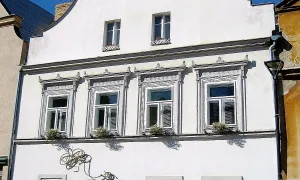
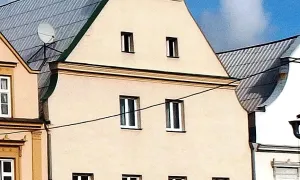
Dům čp. 401 represents an empirical three-axis building made of bricks which is understacked. The street facade breaks the footstool, corner pilasters with board heads and crown ledge. There is an entrance in the centreline of the ground floor, which is supplemented by windows on the sides. There are three windows on the floor. The whole facade is broken by circular lizens with indicated parapets. Above the crown ledge, there is a rectangular shield with pilasters and one window with a segment enchantment. The shield's lateral wings are closed with volutes. The interior has preserved vaults with segment profile.
The city of Javorník was conquered by the Hussites in 1428, which led to damage to the house. Large fires hit the city between 1576 and 1603. A big fire in 1825 destroyed 104 houses. Subsequently in 1836 the building was newly built according to the project of builder Josef Schwarz. The property stands on Peace Street between the fire alley and the house No. 403.
This building is a cultural monument of the Czech Republic and forms a solid part of the urban monument zone in Javorník in the district of Jeseník. The visit to this place offers a view of the historic building of the city and a demonstration of the Empire architecture from 1836.
Then and now
Drag the slider to compare how the landmark may have looked when it was built with the view today.
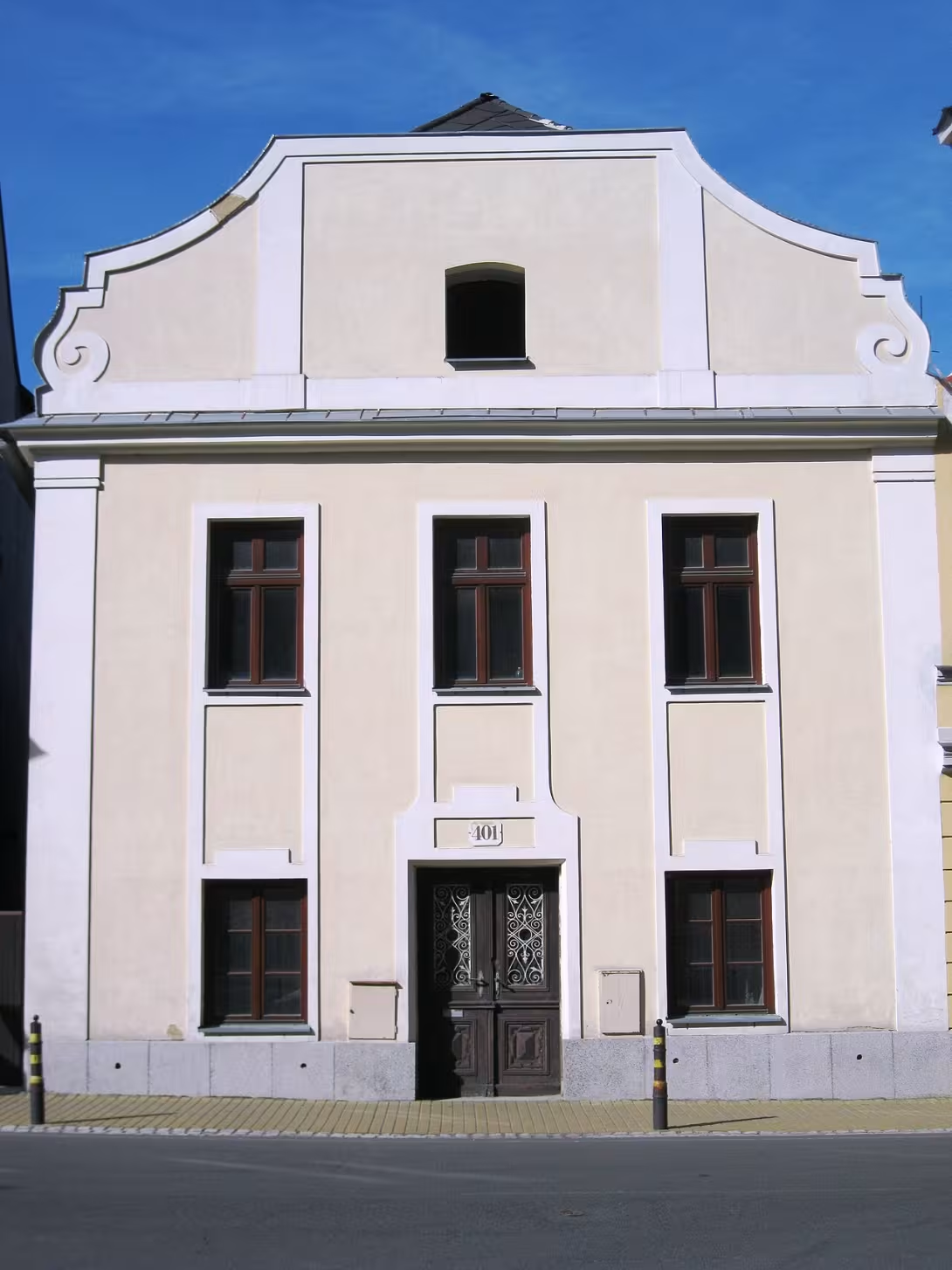
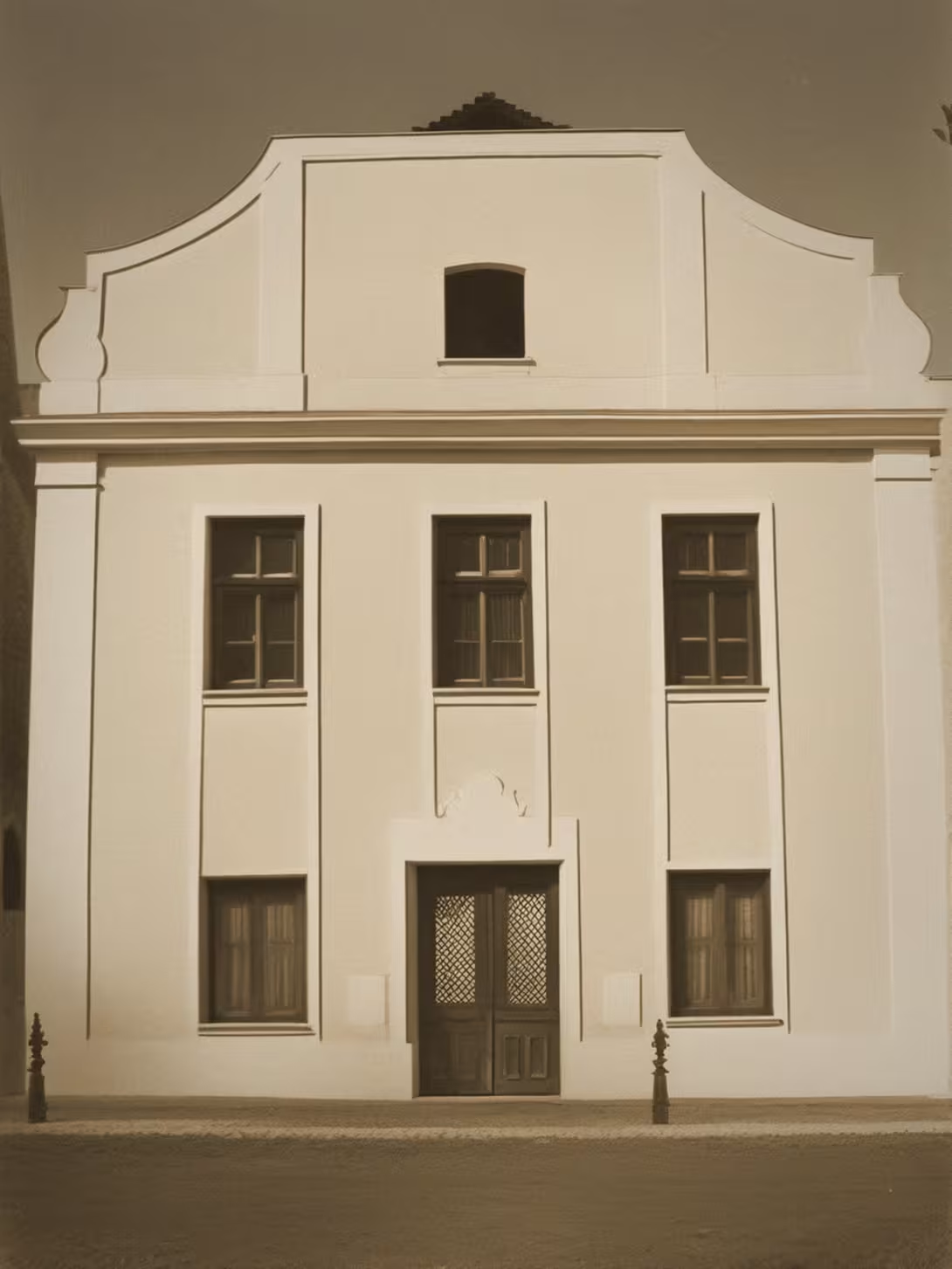
The historical appearance on the left is an AI-generated visualisation and serves as inspiration only.
Historical milestones
- 1373
- The first written mention of the house as part of a medieval urban building.
- 1428
- The house was damaged when conquering the city of Javorník husita.
- 1825
- The city was hit by a big fire that destroyed 104 houses.
- 1836
- The house was newly built according to the project of builder Josef Schwarz.
Architectural development
The house has its roots in the medieval building of the city documented in 1373. After many natural disasters, fires and floods, the object has been rebuilt many times. The current Empire appearance of bricks was created in the new construction in 1836 and the interior is characterized by vaults with segment profile.
Historical events
The city of Javorník was conquered by Hussites in 1428, while the house was damaged. The vast fires hit the city in 1576, 1603 and the great fire in 1825 destroyed 104 houses. In 1836 the house was newly built by builder Josef Schwarz.
Points of interest
- The building has its roots in a medieval building, which is documented in 1373, the first written mention of the building comes from the same year. - The current form of the house dates back to 1836, when it was newly built according to the project of local builder Josef Schwarz. - The building is a valuable Empire cultural monument made of bricks, it is covered with glass and its street facade is finished with decorative shield with volutes. - Over the centuries, the building has undergone many changes due to natural disasters, fires and floods, the city being conquered by Hussites in 1428 and hit by fires in 1576, 1603 and 1825. - The interior of the house preserved vaults with segment profile.
Guide
Show guide text
This text was created by artificial intelligence and has not been editorially reviewed. It may contain inaccuracies.
Welcome to Javorník, a place where history in every corner whispers its ancient stories. Right now, you're standing on the street of Peace, in the heart of the city monument zone, and in front of you is a house with a descriptive 401. Stop for a moment, take a breath and just feel the atmosphere of this place. In front of you you can see a typical township building, which with its appearance radiates calm and stability. It may seem like one of many houses on the street to you at first glance, but if you look closely, you will find that this object is a real witness to centuries that have survived the period that we are just reading about in historical books today.
Let us now return together in time, much deeper than our eyes allow. In order to understand the true value of this house, we have to transfer to 1373. Imagine then Javorník, a medieval town with narrow streets, wooden constructions and noisy movement of craftsmen and merchants. It is this year that the first written mention of this place comes from. House 401 was at that time part of a dense medieval building that formed the basic skeleton of the city. At the time he looked completely different, he was probably much more modest and made of materials that were common in the fourth century. It was a house to serve its owners as a refuge and place of business, firmly anchored in the dynamic life of the emerging city.
But history is not only about building, but often about fighting and destruction. If you now imagine how clouds of unrest began to soar over the city in 1428, we will reach one of the darkest chapters of this house. In this year Javorník was conquered by husita. Imagine the chaos, the thunder of the weapons and the flames that swallowed up part of the city building. House 401 was no exception to these events and was seriously damaged. It was a period of deep break when the city had to recollect from the wreckage and fight for its survival. However, this object remained, was repaired and reinhabited, thus becoming a symbol of the resistance of the locals.
Time passed and the house adapted to new times, but fate had prepared another difficult test. Now let's move to the nineteenth century, namely 1825. That was the year that left a deep mark in Javorník. The city was hit by a devastating fire, which was a complete disaster at the time. Imagine that scary look when the flames jumped from the roof to the roof and people watched helplessly their homes disappear. A total of one hundred and four houses were destroyed, and among them was this object. The fire erased traces of centuries ago and left the house only a reminder of what it once was.
But it is from this ashes of destruction that the resemblance you see before you today is born. In 1836, the time came for a fresh start. Local builder Josef Schwarz was given the task of designing and building the house again. Schwarz wasn't just a craftsman, he was a man of his time who understood the modern trends and needs of urban housing. Now look again at the facade of the house. What you see is the result of his work. Schwarz chose an empirical style, which was the peak of elegance and order at that time.
Pay attention now to the overall appearance of the building. The Empire style is characterized by its purity, symmetry and some rigour, but it also looks very noble. Notice how the house fits into a series of other buildings, I create a harmonious line of Peace Street. Even though we do not have a detailed list of each ornament today, we only need to perceive the overall proportion of the building. It is an architecture that is not intended to impress with excessive decoration, but rather to convince by its balance and dignity. It is this modest beauty that makes House 401 a valuable cultural monument. It is an architecture that carries the peace of the nineteenth century, but also, at the same time, hides the secrets of the Middle Ages.
If you're standing outside this house today, you might wonder who lived in it and what stories happened behind its walls. Although the specific names of the inhabitants from the construction of Josef Schwarz remained in oblivion, the very fact that the house survived the Hussite raids and a great fire makes it a silent witness to history. Imagine those generations of people who have awakened their days here, watching the city of Javorník change, changing fashion, changing language and changing the world around them. This house was for them the center of the universe, a safe port in troubled times.
The interesting thing that might interest you is the fascinating contrast between the source and the present. It is incredible to think that in the place where you see the clean lines of the Empire building from 1836 today, there was already a building in 1373 that was part of early urban development. It's like a layered pie of history. Every era has left its mark, although the oldest one is now hidden under newer plaster and stones. This continuity is what makes Javorník so special. House 401 is not just a building, it's a timeline that connects the late Middle Ages to modern times.
Now, before we say goodbye and you go on, I suggest you go around the house again slowly or look at it from different angles. Feel how the house is supplemented with the surrounding building and how it contributes to the overall atmosphere of this historic zone. Try to imagine Josef Schwarz, with a plan in his hand, controlling the construction in 1836 and proudly watching how a new, elegant building was created from the ashes of the old house to serve the next generation.
House 401 reminds us that even after the biggest disasters, such as wars or fires, the recovery and new growth are followed. It's a place where tragedy meets hope and the old world meets new. I hope this short trip to the depths of time helped you see more in this house than just walls and roof.
Now we invite you to explore the beautiful Javorník. Continue your journey through the streets of Peace, search for more hidden details and let the magic of this city take hold. Thank you for spending time with us at House 401. I wish you a pleasant ongoing tour and many new discoveries. Goodbye.
Tips for visitors
To visit the town house number descriptive 401 in Javorník it is best to choose the morning hours during the working week when you can enjoy the atmosphere of the urban monument zone in peace without more people. The surroundings of Peace Street offer an unrepeatable view of the historic building, which remembers the roots dating back to 1373.
Transport to Javorník is possible by car and public transport, and the current bus or train connections are best checked in the respective connection search engine. Parking in the historical heart of the city is limited, therefore we recommend to use the weaning area within walking distance of the town monument zone and to reach the monument on foot.
Take the comfortable shoes suitable for walking on the historic pavement and also the camera to capture details of the originally medieval object. For photography lovers, the exterior of the house offers the best lighting conditions in the late afternoon, when the oblique sun rays highlight the historical facade and architectural changes from centuries.
The entire picturesque city of Javorník is located in the district of Jeseník in the immediate vicinity within 30 minutes of the journey, which in itself forms a comprehensive urban monument zone full of interesting historical corners, ancient houses and places to walk.
This trip to Javorník is also a great choice for families with children, because the city monument zone is compact and easy to walk. Children can discover traces of ancient history and stories about changes in the house from the Middle Ages to the New Ages, while flat terrain in the centre makes it easier to move even with strollers.
Businesses nearby
Do you run a restaurant, accommodation, shop, museum, rental, wellness or other visitor service near this monument? Show yourself directly to the people heading to it — this is how they will see you in the app and on the web:
Nearby
City of Javorník in the district of Jeseník with city monument zone.
Accommodation nearby
Themed route
City Monument Zone Javorník Type: Historical Center Why is it worth a visit: This area carries a rich building history of the city and offers a unique atmosphere of the submountain residence in the Jeseník district with a number of valuable townhouses.
Dům čp. 401 Type: Memorial object Why is it worth a visit: The main purpose of our trip is an interesting landmark of local importance, which completes the historical character of the whole village Javorník.
Seasonal recommendations
Spring in Javorník reveals the house number descriptive four hundred one in the awakening nature, when the facade gently radiates the low sun and the surrounding trees are only just beginning to green, which creates a calm and fresh atmosphere without the burden of tourists. During this period you will appreciate fixed shoes due to wet terrain and warmer layered clothes, because spring wind weather can quickly surprise in Rychlebsk, the best time for a tour is in the morning when the morning fog recedes.
Summer brings to the foothills of the full tourist season, when the historic building operates in the light of the afternoon sun very lively and the surrounding green blooms fully, which attracts longer walks around the monument. The main practical advice is to get up and arrive at the morning opening hours to avoid the afternoon crowds of hikers, and due to the warm sun days, don't forget the headgear, sunglasses and plenty of drinking water.
Autumn transforms the surroundings of the house into a colourful scenery full of golden and red tones, which, combined with low sun and frequent fog, provide a deep, melancholic atmosphere ideal for quiet contemplation. Take a waterproof jacket and a warmer hat with you for your autumn visit, because the dripping weather and falling leaves make the way slippery, and the best time to visit is around noon, when the best chance for warm rays is out.
Winter covers the Javorník into the silence of the snow blanket, which dampens the sounds of the surrounding area, and early dimming along with artificial lighting creates a chamber and old-world atmosphere on the historic facade of the house. As temperatures in this area fall far below freezing, it is absolutely necessary to choose high-quality winter footwear with anti-slip soles, warm gloves and feather jacket, with a shorter opening time and an early afternoon schedule before it is completely dark.
Visualizations and artistic views


The visualisations are generated by artificial intelligence and serve as inspiration.
Photos from the area
Real photos taken near the monument


Zdroj a licence jsou uvedeny u každého snímku.
Tips from visitors
No tips yet. Be the first!
Log in and add your tip.
Sources and literature
Fotografie: Lehotsky / CC BY-SA 3.0 — Wikimedia Commons. The author and licence also appear when you hover over the image.
Faktickým podkladem tohoto textu byl článek na Wikipedii, jehož autory jsou přispěvatelé Wikipedie. Článek je dostupný pod licencí CC BY-SA 4.0.
Location on the map
More monuments – Javorník
Show all in the municipality
Příběhy a pověsti
Legendy, pověsti a příběhy spjaté s touto památkou
Fotografie návštěvníků
Zatím žádné fotografie. Buďte první, kdo přidá fotografii z návštěvy!
Přihlaste se a přidejte svou fotografii nebo hodnoťte.
Za ověřenou návštěvu v aplikaci získáte víc bodů — poznáme podle GPS, že jste na místě.
Reviews and comments