






dům Karla Ditterse z Dittersdorfu House
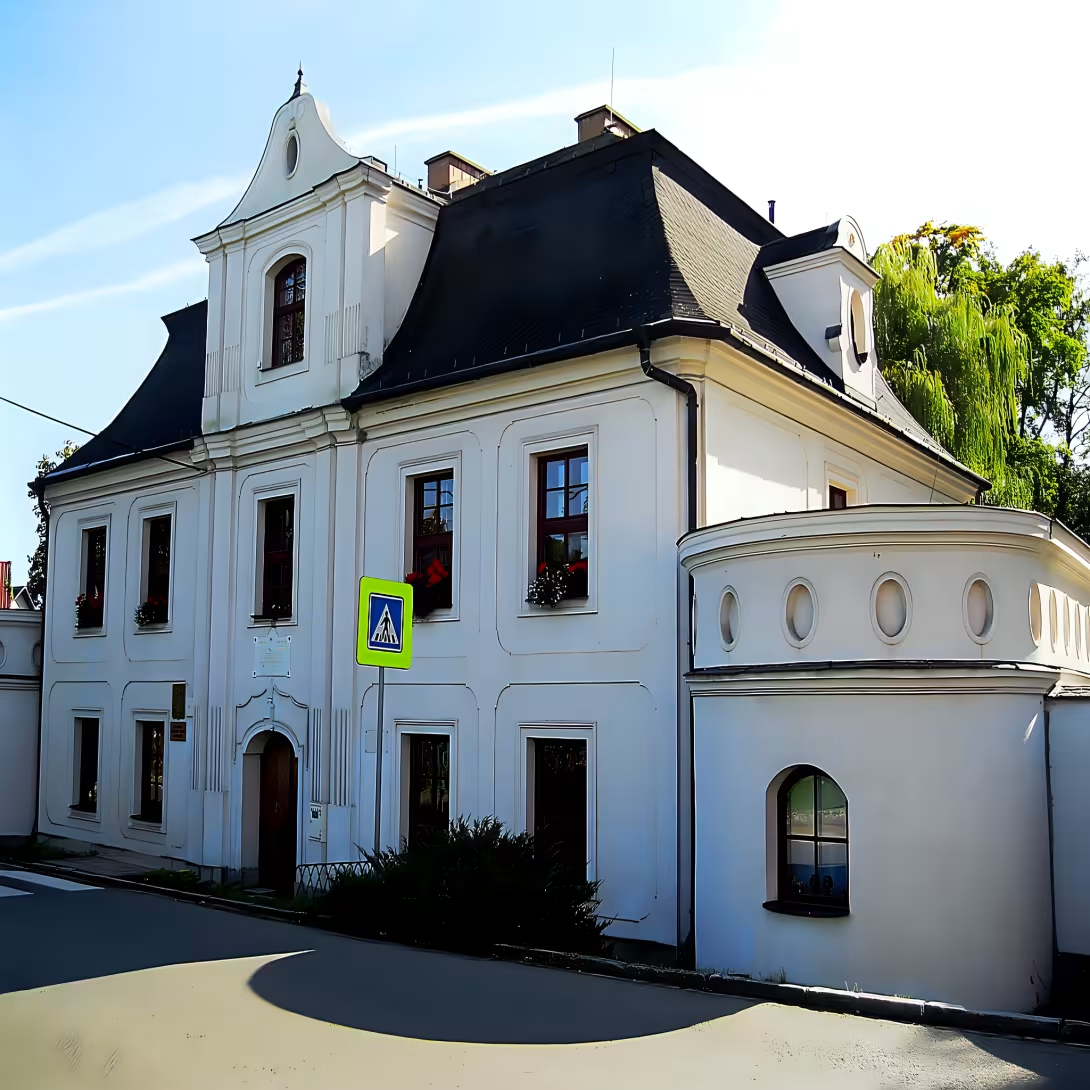
The house of Karl Ditters from Dittersdorf in Javorník (Pushkin Street No. 57, Jeseník County) is a Baroque townhouse. The composer Karel Ditters z Dittersdorfu had it built in the 1880s. The construction is a cultural monument of the Czech Republic and part of the urban monument zone Javorník, which confirms its historical importance for the region. The building represents not only an architectural pearl, but also a testimony about the life of one of the prominent figures of the Baroque era.
The history of the house begins in the 1880s. It was built for Karl Ditters from Dittersdorf, a bandleader and composer operating in the court of Bishop Philip Schaffgotsch. After the purchase of the land from Josef Rivola in 1781, the composer lived here until 1794. His work in the yard was accompanied by many titles, but due to increasing debts and suspicion of corruption, he fell into disfavor and had to leave. After the death of Bishop Schaffgotsch, Josef Krystian Hohenlohe Waldenburg - Bartenstein, who retired Ditters with a small pension. In 1798, the composer moved to Castle Red Lhota under the leadership of Count Ignác Stillfried, who subsequently became the owner of the house.
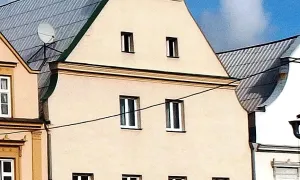
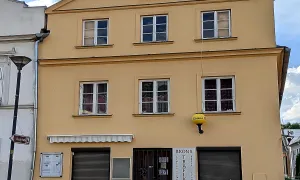
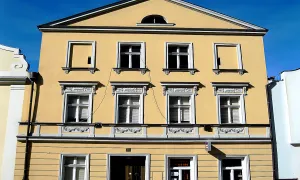
Architecturally, it is a one-story five-axis brick structure on a rectangular floor plan with a valbed roof and mansards. The facade breaks the Lizard Frames with rounded corners. In the centre of the street facade forms a rizalite with the main entrance, which is decorated with a semi-circular wedge and garlands. Above the entrance there is a mansard with a segmental wedge and a triangular volute shield with an oval window. The house includes a garden with a pavilion and entrance with a wooden gate on four-sided pillars.
The property was changed over time - from Josef Rivola to Karl Ditters from Dittersdorf to Count Ignác Stillfried. The sale of the land to Ditters in 1781 for 300 tolars was a key moment to create a monument. After the composer retired, the building was seized by Count Stillfried, who kept it in family property until the 20th century.
Major events include the purchase of the house in 1781, the departure of Ditters in 1794 and the reconstruction in 1990- 1994. In 2008, the museum was moved to another building. In his place, the Elementary Art School was opened, which started a new chapter in the history of the house.
Today dům Karla Ditterse z Dittersdorfu is not only a monument with a rich background, but also an active centre of culture and education. Architectural elements and history make it an attractive destination for tourists and locals. Although the function of the building has changed, it remains a place where art and history intersect.
The construction is therefore not only an architectural unique but also a vivid reminder of the past, which influenced culture in Javorník and its surroundings. The current use as a Basic Art School confirms its continued importance to the community. Visiting the house allows you to appreciate its beauty, immerse yourself in the history of the region and understand the influence of a key personality on cultural life at the time.
Historical milestones
- 1781
- Karel Ditters z Dittersdorfu purchased land for 300 tolars
- 1794
- The composer had to leave the yard and the house
- 1990
- Opening of house reconstruction
- 2008
- Moving the museum and opening the operation of the Basic Art School
Architectural development
One-story five-axis brick structure on a rectangular floor plan with a valb roof and mansards. The facade is divided by lizen frames, garlands and a volute shield with oval window. The house includes garden, garden pavilion and entrance with wooden gate.
Historical events
1781: Sale of the property to Karl Ditters; 1794: The departure of the composer from the house due to debts and unkindness; 2008: Establishment of the Basic Art School in the building.
Owners
Josef Rivola, Karel Ditters z Dittersdorfu (from 1781), Count Ignác Stillfried (from 1798)
Points of interest
- The composer Karel Ditters z Dittersdorfu had this Baroque townhouse built in the 1880s. - Land for construction was purchased by composer in 1781 by Josef Rivola for 300 tolars. - Karel Ditters z Dittersdorfu lived here until 1794 when he had to leave because of debts and suspicion of corruption. - One-story brick construction includes a garden with a pavilion and a entrance with a wooden gate. - Since the museum disappeared from the building in 2008, this is where the Basic Art School is based.
Guide
Show guide text
This text was created by artificial intelligence and has not been editorially reviewed. It may contain inaccuracies.
Welcome to Javorník. You're standing in front of one of those places that carries the silent echo of ancient times and musical rhythm. Before your eyes is a baroque townhouse that carries the trail of a great artist and whose walls witnessed a time when music was connected to the power and deepest human emotions. Can you feel the atmosphere? It's a place where the history of the city meets the fate of a man whose work once sounded in the court of powerful bishops. Feel the peaceful presence of this house, which stands as a fixed point in the heart of the historical zone and reminds us how important it is to preserve our heritage for future generations.
Let's go back together to the end of the eighteenth century to understand how this house came into being. More than 200 years ago, the fate of this particular place was decided here. In the year one thousand seven hundred eighty-one, the composer Karel Ditters z Dittersdorfu purchased the land for three hundred tolars from a man named Josef Rivola. Imagine the moment, the certainty the composer must have felt when he invested his funds in this place. Ditters was not just an ordinary man, he was an important musician who worked in the court of the Bishop of Wroclaw. This house was not just a building, it was supposed to be his home, a haven for creation and space where music became part of everyday life. In the eighteenth century, this Baroque townhouse was built for its own needs so that it could live here in dignity appropriate to its position.
Now pay attention to the construction itself, which is right in front of you. Although time is constantly changing and the world around us is changing rapidly, this baroque house has preserved its unmistakable face and dignity. Look at his facade and perceive the overall balance that is so typical of the architecture of that time. Even if we don't know the names of the particular architects who designed this house, we can draw information from it about the aesthetic ideas of the eighteenth century. Feel the harmony and the power exerted by the urban architecture of this period. This house is not just a wall and a roof, it is a living monument that forms a solid part of the entire urban monument zone. Every element you see here, from the shape of the windows to the overall structure of the building, tells the story of an effort for beauty and stability at a time of change.
When you look at this object, remember the people who left their trail. Karel Ditters z Dittersdorfu is a name you must remember here. He was a man associated with the highest culture of his time. But his life here wasn't just about harmonious tones and achievements. There are other names like Filip Schaffgotsche or Ignác Stillfried in the history of this city and this house. Each of these names represents a different layer of history, a different story that took place here.
But here is also one of the most interesting and perhaps the most mysterious parts of this story. Have you noticed how the house now seems so calm and stable? But in the year one thousand seven hundred ninety-four, a drama took place here, which completely changed the course of this place's fate. Charles Ditters, the man who built this house so carefully, had to leave him suddenly. Why did that happen? Historical records suggest that his departure was caused by debts and suspicions that accompanied his personal and professional life at the time. Imagine the uncertainty, the need to leave his home, which he built so hard for 300 tolars. What happened on these streets? What whispers and what looks accompanied his departure? This ambiguity gives this baroque house a special touch of the secrets we still feel in it.
But after many years, the fate of this house has turned to the better. After the time the building had to be rescued, in the year one thousand nine hundred and ninety, its major reconstruction began. The people have decided that this baroque jewel must not perish. And since the year two thousand and eight, music has been living here again, but in a completely different way than when the composer Ditters. Today, in this building, there is a basic art school. The place where a great master once lived is now a place for young talent, for children and young artists who learn to make their own music and their own art. It's a beautiful circle, as you can see. History keeps coming back and the house that was built for one great musician is now used to make many others future creators.
Today, this house is a cultural monument to our country and its existence is proof of how important it is to protect our common wealth. When you continue your walk with Javorník, remember the tones that once took place on these streets and the silence that occurred after Karl Ditters left. Thank you for spending this moment at this very house and for trying to revive its history with us. We wish you the beautiful rest of your journey and invite you to explore all the hidden treasures of our city.
Tips for visitors
The best time to visit is early spring or autumn when the weather is pleasant and the light in the garden of the house creates beautiful shadows. There are also fewer visitors at these times, so you can soak up the atmosphere of the Baroque townhouse.
Parking is possible directly in front of the house in a reserved location suitable for cars. If you arrive by public transport, the stop is nearby and it is good to check the current connection in the connection search engine in advance.
What to take with you: comfortable shoes for walking around the garden, umbrella or raincoat, bottle of water and possibly a map or application with information about the monument. Admission fee is paid on site and the current price list can be found on the official site of the monument.
Photography: The best places are in front of the house overlooking the garden and inner halls with large windows where soft daylight falls. We recommend shooting during the morning, when the light is the finest, and respect the prohibition of photography in protected areas.
What to visit in the surroundings: within 30 minutes walk you can reach Janská Vrch Castle, which offers rich history and beautiful views. For families with children there are interactive programs in the house and in the garden, where children can try out musical instruments and participate in gaming activities.
Businesses nearby
Do you run a restaurant, accommodation, shop, museum, rental, wellness or other visitor service near this monument? Show yourself directly to the people heading to it — this is how they will see you in the app and on the web:
Nearby
Zámek Jánský Vrch
Accommodation nearby
Themed route
Thematic cruise route from the village Javorník
1. Karl Ditters' House from Dittersdorf - Type: Historical residence - Why is it worth visiting: This house is connected to the life and creation of a famous composer, which offers a view of its personal environment. It's a place full of historical memories and culture.
2. The chateau of Janská Vrch - Type: Historical castle - Why is it worth visiting: The castle is famous for its architecture and history, which dates back to the previous centuries. It offers beautiful spaces overlooking the surrounding countryside and is an ideal place to relax after exploring Ditters' heritage.
3. Park near the chateau of Janský Vrž - Type: Park - Why it is worth a visit: The park offers quiet pavements and beautiful nature where you can enjoy a view of the castle and surrounding forests. It is an ideal place to relax and walk after visiting two historical monuments.
4. Natural views around the chateau of Janské vrž - Type: Nature - Why is worth a visit: The surrounding area offers beautiful views that are ideal for shooting and enjoying natural beauties. It's a great way to notice the diversity of local flora and fauna.
5. Zámek Castle of Janský Vrž - Type: Tanks - Why is it worth a visit: The castle's reservoir is an ideal place for understanding the architecture and history of the castle. Here you can enjoy a quiet moment while looking at the beautiful building.
This route will guide you through the historical and natural beauty of the Javorník area and offer a view of the life and work of Karl Ditters from Dittersdorf.
Seasonal recommendations
Spring: In the spring, nature wakes up around Karl Ditters' house and light is soft, which is ideal for observing the details of the building. The atmosphere is fresh and calm. I recommend wearing layered clothes because the weather at this time is unpredictable. The best time to visit is in the morning when the air is the cleanest and avoid possible groups of people.
Summer: In the summer months the house is filled with bright sun, which highlights its historical architecture. The day is long and the surrounding Javorníka is full of green. Due to high temperatures and a larger number of visitors in the main summer season, it is best to come first thing in the morning to enjoy cooler air and quiet. Don't forget light clothes and plenty of fluids.
Autumn: Autumn brings gold colors and orange tones around the house, creating a nostalgic and calm atmosphere. The morning mist can give the memory a mystery. It is advisable to take firmer shoes and warmer clothing because humidity and cold can be higher. The ideal time for a tour is in the afternoon when the sun shines low and the colors are the most distinctive.
Winter: The house is cold in silence, especially when the landscape is covered with snow. The light is weak and the days are short, which creates a very specific, calm mood. Prepare to freeze and come in strong winter clothes. It is appropriate to check in advance the opening times which may be shorter than in other periods.
Visualizations and artistic views


The visualisations are generated by artificial intelligence and serve as inspiration.
Photos from the area
Real photos taken near the monument


Zdroj a licence jsou uvedeny u každého snímku.
Tips from visitors
No tips yet. Be the first!
Log in and add your tip.
Sources and literature
Photos: Lehotsky / CC BY-SA 3.0, rozlišení zvýšeno umělou inteligencí — Wikimedia Commons. The author and licence also appear when you hover over the image.
Faktickým podkladem tohoto textu byl článek na Wikipedii, jehož autory jsou přispěvatelé Wikipedie. Článek je dostupný pod licencí CC BY-SA 4.0.
Location on the map
More monuments – Javorník
Show all in the municipality
Příběhy a pověsti
Legendy, pověsti a příběhy spjaté s touto památkou
Fotografie návštěvníků
Zatím žádné fotografie. Buďte první, kdo přidá fotografii z návštěvy!
Log in a přidejte svou fotografii nebo hodnoťte.
Za ověřenou návštěvu v aplikaci získáte víc bodů — poznáme podle GPS, že jste na místě.
Reviews and comments