






Dům kultury města Ostravy Other
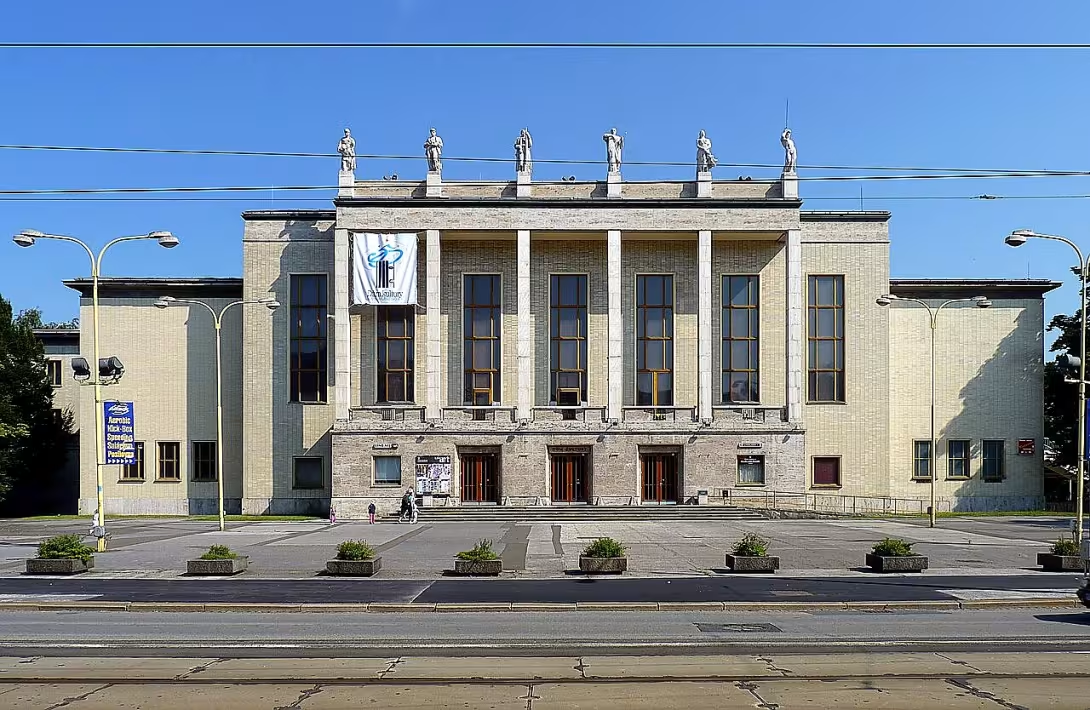
Dům kultury města Ostravy, built between 1956 and 1961, is a unique cultural monument in Moravian Ostrava. This building represents an architectural style of socialist realism with elements of functionalism and neoclassicism. It was opened on April 16, 1961 as the largest facility of its kind in Czechoslovakia, making it an important cultural institution.
The creation of Dom of Culture is closely linked to the 1954 architectural competition for the construction of a new "cultural and pioneering house." The project won Jaroslav Fragner, whose design combined elements of functionalism and neoclassicism. Even though this project has come across resistance from socialist realism, it has finally been implemented. At the time, Václav Kopecký, Minister of Culture, described the project as "a little contemporary," which reflects the tension between different architectural directions at that time.
The Home of Culture architecture is characterized by three parts - the main boat, connecting wing and side wing. The monumental facade facade is covered with travertine, while the other parts are covered with ceramic tiles. In the vicinity of the building there are two fountains with statues Youth and Girl Secrets from Stanislav Hanzik, which adds to the aesthetic value of the whole. Above the main facade are allegorical sculptures Work with children, Improving, Chemistry, Sculpture, Music and Sport, which are part of the sculpture of Man at Work and rest from Vlastimil Dinner and Jiří Myszak.
The building has undergone several changes of owners during its history. It was originally opened as the House of the Culture of Workers' Ostrava (DKPO) in 1961, then became the House of the Culture of the Workers' Vítkovice Fertilizers Klementa Gottwalda (DK VŽKG), then the House of the Culture of Vítkovice Fertilisers and Engineering Klement Gottwalda (DK ZVSKG) in 1973. Since 1990 it has been called the House of Culture of Vítkovické ironworks, then the House of Culture Vítkovice, a.s., and since 2003 it has been known as Dům kultury města Ostravy.
Dům kultury města Ostravy has often been referred to as a "giant white ship in the middle of Ostrava," which underlines its visual impact on the urban picture. The building has various cultural facilities, including a hall for approximately 1,200 visitors, theatre with 620 seats, cinema with 450 seats, music hall, lecture halls, libraries, restaurants, cafes and club rooms.
Today Dům kultury města Ostravy is open to the public and offers a wide range of cultural events. Its historical value associated with architectural elements and artistic decoration makes it a necessary place to visit, which is an important part of Ostrava's cultural heritage. Visit Dům kultury města Ostravy is a journey to the past where history and modern cultural life meet.
Then and now
Drag the slider to compare how the landmark may have looked when it was built with the view today.
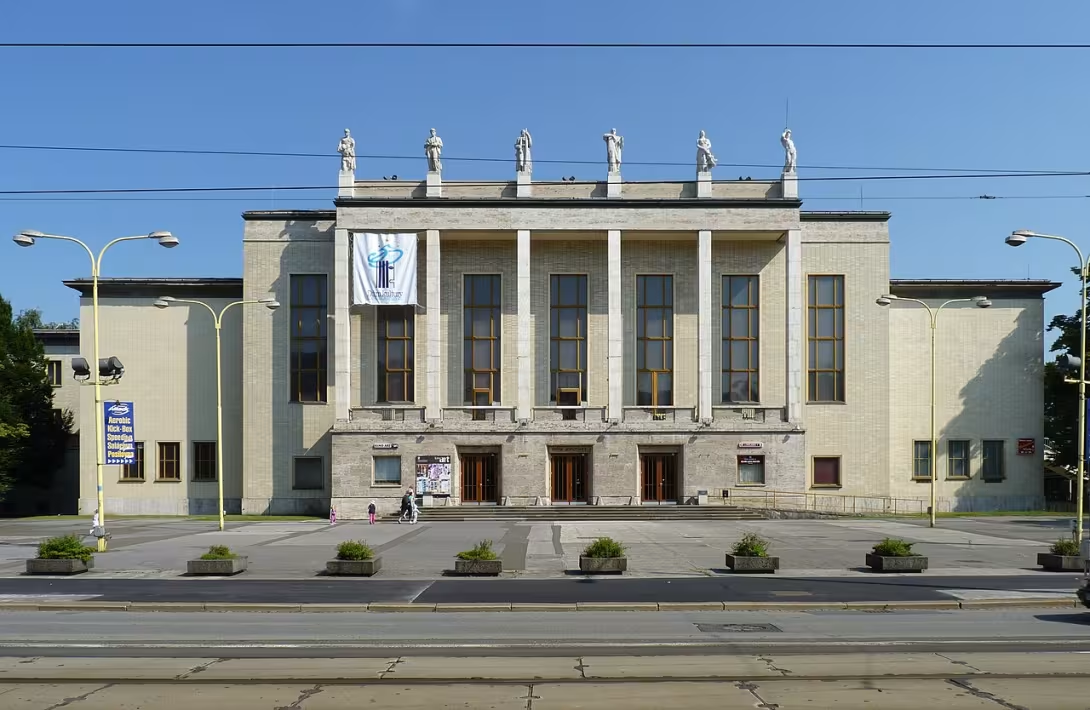
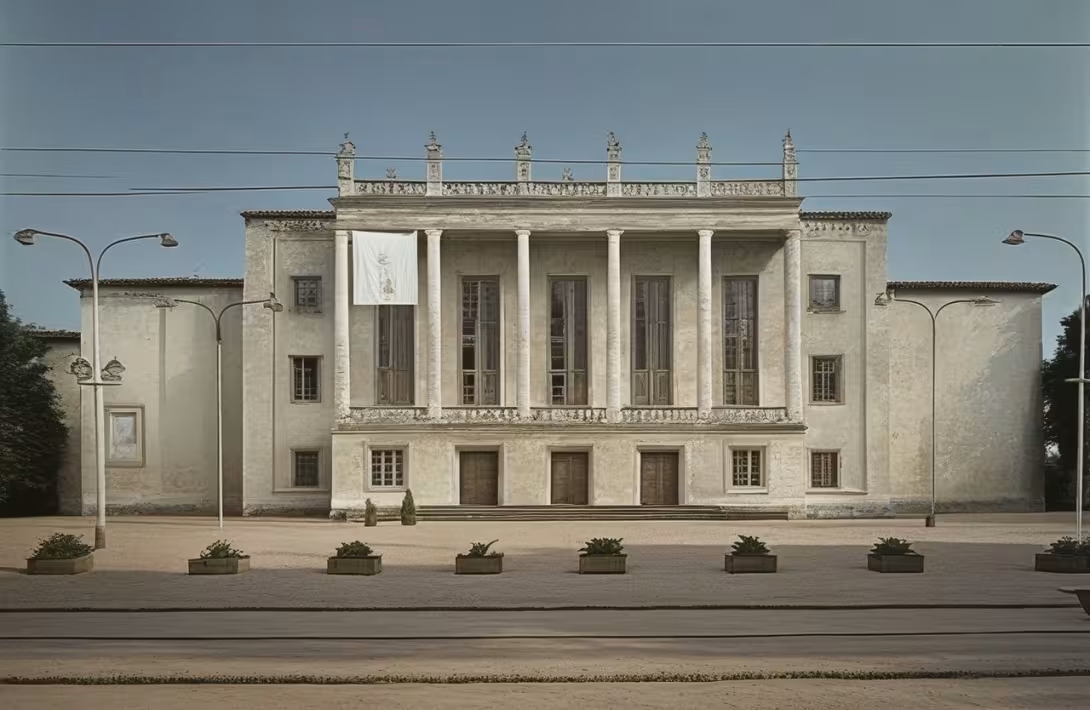
The historical appearance on the left is an AI-generated visualisation and serves as inspiration only.
Historical milestones
- 1961
- Opening the building as the largest device of its kind in Czechoslovakia.
Architectural development
The building was designed by Jaroslav Fragner and built in the style of socialist realism with elements of functionalism and neoclassicism. The monumental facade is lined with travertine, other parts with ceramic tiles. Two fountain houses with statues of Stanislav Hanzík are located in close proximity.
Historical events
- 1954
- Issue of an architectural competition for the construction of a new cultural and pioneering house.
- 1961
- Opening the building as the largest device of its kind in Czechoslovakia.
Owners
- 1961-1963
- 1964-1973
- 1973-1989
- 1990-1992
- 1992-2003
- po 2003
Points of interest
- Dům kultury města Ostravy has a unique architecture that combines elements of socialist realism with functionalism and neoclassicism. This mixed style was created after resistance to the 1954 Jaroslav Fragner project, which shows the tension between the various architectural directions of that time.
- Two statues of Youth and Girl Secrets by Stanislav Hanzik, located near the building, add aesthetic value of the whole. These artistic elements are often overlooked in favour of the main functions of Home Culture.
- Allegoric sculptures above the main facade, such as Working with Children and Improving, are part of the sculpture Man at Work and rest. This artistic design by Vlastimil Dining and Jiří Myszak represents a symbolic display of working life, which is unusually detailed for such a large public building.
- The building was often referred to as a "giant white ship in the middle of Ostrava," which underlines its visual impact on the urban picture. This metaphor illustrates how the House of Culture created a contrast with the industrialized environment, which was surprising for Ostrava at the time.
- During its history, the building has undergone several changes in owners and names. From the Home of the Culture of Workers of Ostrava (DKPO) it has turned into various versions associated with the Vítkovice Ironworks, reflecting the dynamics of industrial and political changes in the region. This history is often overlooked in favour of the current cultural programme.
Guide
This guide is narrated by a synthetic voice generated by artificial intelligence.
Show guide text
This text was created by artificial intelligence and has not been editorially reviewed. It may contain inaccuracies.
Welcome to one of the most important cultural centers in Ostrava. You stand before the Day of the Culture of Ostrava, which represents a perfect example of socialist realism with elements of functionalism and neoclassicism. It's a really special building that I'm sure will interest you.
Let's move on to its origin. Dům kultury města Ostravy was built between 1956 and 1961. It was the largest device of its kind in Czechoslovakia, which is truly remarkable. And right here, something interesting happened. The project that Jaroslav Fragner proposed in 1954 was rejected. This shows the tension between the different architectural directions of that time. Yet a perfect result was achieved, combining elements of socialist realism, functionalism and neoclassicism.
Notice the facade of the building. It has a truly unique architecture, which is the result of a combination of different styles. Look at the details that are hidden in his lines and shapes. You can see how architecture changes and adapts to different requirements.
Dům kultury města Ostravy is full of interesting stories and personalities. Even if they're not known, their legacy is still here. And it's here that there are two statues that I'm sure will interest you. These are other details that complement the overall atmosphere of the building.
Let's get back to what's coming for you. Dům kultury města Ostravy is full of cultural spaces that are ready for your visits. From theatre to cinema and other cultural events that take place here. It's a really special place, which I'm sure will interest you.
Today you could meet the Day of the Culture of Ostrava. It is a truly exceptional building that combines elements of socialist realism, functionalism and neoclassicism. Look at his facade and notice the details that are hidden in his lines and shapes. And don't forget to listen to the atmosphere that's here.
Tips for visitors
Best time to visit Home to the culture of Ostrava is in the spring or autumn period, when there are calmer visitors and nature around the monument offers beautiful colors. Moreover, cultural events often take place during these months which embody the spirit of the place.
The current connection can be easily verified in the search engine.
When visiting take with you suitable clothes because the interior and exterior sights can be cold. It is also important to have a camera to capture architectural details that are the most beautiful in natural light.
Photography in the interior and exterior of the Home of Culture offers many possibilities. The best time for pictures is in the morning or in the evening when light is softer and shadow effects add depth to the pictures.
In the surroundings of the House of Culture you can visit the historical part of Moravian Ostrava, which is full of other architectural pearls. For families with children it is advisable to visit a nearby garden park where children can play and explore nature.
Frequently asked questions
Can the monument be visited?
We have not verified whether this monument is accessible. Please ask the owner or operator, or the local municipal office.
Where is the monument?
Location: 28. října 2556/124, Moravská Ostrava, Ostrava, Moravskoslezský kraj. The map on this page shows the exact spot.
Why is the monument protected?
It is listed in the Central List of Cultural Monuments of the Czech Republic as a cultural monument (register no. 101234).
For kids
Already 70 years ago, exactly in 1956, a cultural house appeared in Moravian Ostrava, the largest facility of its kind in the Czechoslovak Republic. This place was originally planned as a grandiose project with a height of over 100 metres, but due to financial constraints it eventually reached its current size.
Businesses nearby
Do you run a restaurant, accommodation, shop, museum, rental, wellness or other visitor service near this monument? Show yourself directly to the people heading to it — this is how they will see you in the app and on the web:
Events nearby
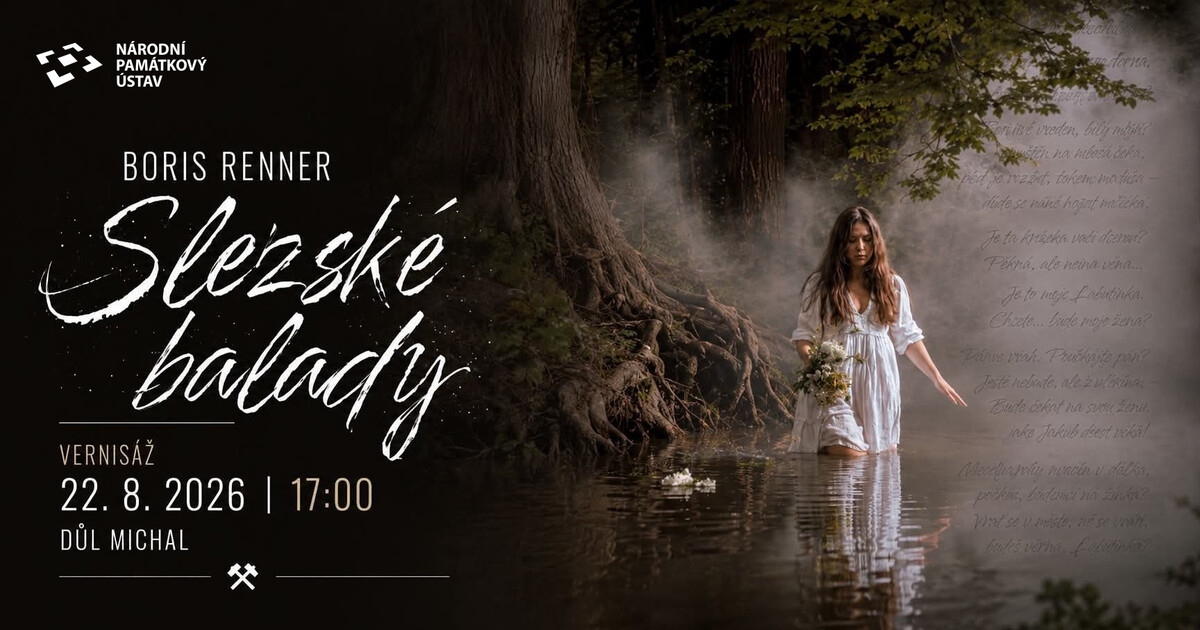
Zdroj akcí: otevřená data měst a obcí ČR (Národní katalog otevřených dat) a kalendář akcí Národního památkového ústavu.
Nearby
ITEX Show interactive overview of the surroundings - restaurants, accommodation, rentals and other places within a 15 km radius.
Data: OpenStreetMap contributors, 15 km radius.
‡ Historical monuments
- Schloss Witkowitz (1.5 km)
- Museum Vítkovic (1.6 km)
- bridge Milos Sýkora (2.0 km)
- Mining Museum (4.2 km)
- Mine Michal (5.3 km)
- Memorial Overcoming Odra by Czechoslovak Tankers when liberating Ostravy (5.7 km)
- Memorial to victims of World War II (6.4 km)
- Castle Rychvald (6.8 km)
Restaurant and catering
- Castle Zábřeh (3.6 km)
- Krčma u Zvolu (6.0 km)
- McDonald's (6.2 km)
- Boombay (6.4 km)
- Restaurant Saigon (6.4 km)
- Racek (6.6 km)
- Rusty Bell Pub (6.6 km)
- El Amigo Muerto (6.7 km)
Accommodation
- Quality Hotel Ostrava City (1.3 km)
- Hostel Nerudova 23 (2.3 km - Nerudova 499 / 23)
- Hotel Best (2.5 km - Keltickova 1297 / 60)
- Jan Maria (3.6 km)
- Hotel Taurus (4.4 km - Teschen 1382 / 260)
- Best Western Hotel Vista (4.8 km)
- House of young smelters (5.8 km)
- Hotel Sareza (7.0 km - Čkalova 18)
› Rental and sports
- Alpsport (1.2 km)
- TJ Sokol Hostikovice (4.9 km)
- MAX CURSOR (5.1 km - Čujkovova 52)
- Dingo Bike Sport Servis (5.5 km)
- Mike Bike (5.5 km - Cholevova 1530 / 1)
- Bike Kram (6.4 km)
- Heliasport (7.2 km)
- Sacha Sport (7.3 km)
© Tourism and nature
- halda Ema (3.1 km)
- Majerovec (fork) (7.5 km)
- Stará Belá (bath.) (7.9 km)
- Lower Pole (public transport) (8.7 km)
- Proskovice (at school, public transport) (9.9 km)
- Proskovice (u sokolovna) (10.3 km)
- Klimkovice (park) (11.3 km)
- Pod Vinohrady (BUS) (12.5 km)
Accommodation nearby
Themed route
The route begins at the House of Culture of Ostrava. There are exhibition halls, theatre and cinema. You can get to know the cultural and social activities of the city.
From there, we'll head for the chapel of St. Joseph. This is a small chapel which was built in 1906. Its architecture is characteristic of the Art Nouveau period.
The next stop is Marussi Square. There is a statue of an important Ostrava athlete and politician who played a key role in the trade union movement in Ostrava.
The last point of the route is the Church of the Assumption of the Virgin Mary. This is a Baroque church built in the 18th century. He is known for his unique architecture and rich decoration.
Seasonal recommendations
Spring: In the spring period the house of culture in Ostrava is full of life and energy. Green trees and flowers in the surroundings create a pleasant atmosphere that is reflected in the interior of the building. The tour is recommended to start early in the morning to avoid visitors coming later. Suitable clothes: light and warm, because even in May can be cold in Moravian Ostrava.
Summer: The main summer season is a house of culture in Ostrava full of life and energy. Many visitors come for a tour at 9:00 to avoid crowds. Suitable clothes: lightly dressed because in summer it is often warm and sunny in Moravian Ostrava.
Autumn: In the autumn period the house of culture in Ostrava is covered with the colours of autumn nature. Blossoming trees and linden create a beautiful atmosphere that is reflected in the interior of the building. The tour is recommended to start early in the afternoon to avoid visitors coming later. Suitable clothes: light and warm, because even in October can be cold in Moravian Ostrava.
Winter: In winter, the house of culture in Ostrava is shrouded in a dark dressing room. The interior is pleasantly warm and cozy. The tour is recommended to start early in the afternoon to avoid visitors coming later. Suitable clothes: warm and sustainable, because it is often cold in Moravia Ostrava in winter.
Visualizations and artistic views


The visualisations are generated by artificial intelligence and serve as inspiration.
Photos from the area
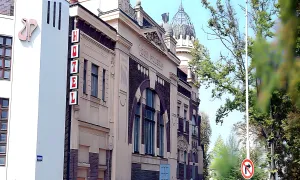
Real photos taken near the monument


Zdroj a licence jsou uvedeny u každého snímku.
Atmosphere of the place
This atmospheric visualisation of the place and period was generated by artificial intelligence. It is not real footage of the location.
Tips from visitors
No tips yet. Be the first!
Log in and add your tip.
Sources and literature
Photos: Michal Klajban / CC BY-SA 3.0 — Wikimedia Commons. The author and licence also appear when you hover over the image.
Faktickým podkladem tohoto textu byl článek na Wikipedii, jehož autory jsou přispěvatelé Wikipedie. Článek je dostupný pod licencí CC BY-SA 4.0.
Location on the map


Příběhy a pověsti
Legendy, pověsti a příběhy spjaté s touto památkou
Fotografie návštěvníků
Zatím žádné fotografie. Buďte první, kdo přidá fotografii z návštěvy!
Log in a přidejte svou fotografii nebo hodnoťte.
Za ověřenou návštěvu v aplikaci získáte víc bodů — poznáme podle GPS, že jste na místě.
Reviews and comments